How Does Nitrous Work in a Car? Chemistry, Cost & Safety
Nitrous oxide (N2O) works by breaking down under combustion heat into oxygen and nitrogen, adding extra oxygen so an engine can burn more fuel per stroke — but the bigger, less-known effect is that releasing N2O also cools the intake charge by 60-80°F, packing denser air into the cylinder. Together these effects let a 400-horsepower V8 safely add roughly 100 more horsepower with a properly sized kit and matching fuel enrichment. This guide covers the real chemistry, wet vs. dry delivery systems, installation basics, and what actually determines legality on the street.

How Nitrous Oxide Actually Increases Power
Under the heat of combustion, liquid nitrous oxide breaks down into its free elements — nitrogen and oxygen — releasing extra oxygen into the cylinder. More available oxygen means the engine can burn more fuel in the same combustion event, producing more power on the same intake stroke.
The cooling effect matters just as much as the extra oxygen. As nitrous oxide expands from a pressurized liquid into a gas, it absorbs a large amount of heat from the surrounding intake air — typically dropping the air-fuel charge temperature by 60 to 80°F. Cooler air is denser, so more air-fuel mixture physically fits into the cylinder before the nitrous even reacts. This combined oxygen-plus-cooling effect is why a nitrous kit rated for 100 extra horsepower can turn a 400-horsepower naturally aspirated V8 into a temporary 500-horsepower engine.
Wet vs. Dry Nitrous Systems
A wet system injects nitrous and extra fuel together before the intake manifold, keeping the air-fuel ratio correct automatically. A dry system injects only nitrous and relies on the engine’s existing fuel injectors to supply the extra fuel needed — it’s simpler to install but requires careful tuning since the stock injectors have to work harder. Direct port systems use an individual nozzle per cylinder for the most even distribution, common on higher-horsepower dedicated race setups.
Installing a Nitrous Kit: What’s Involved
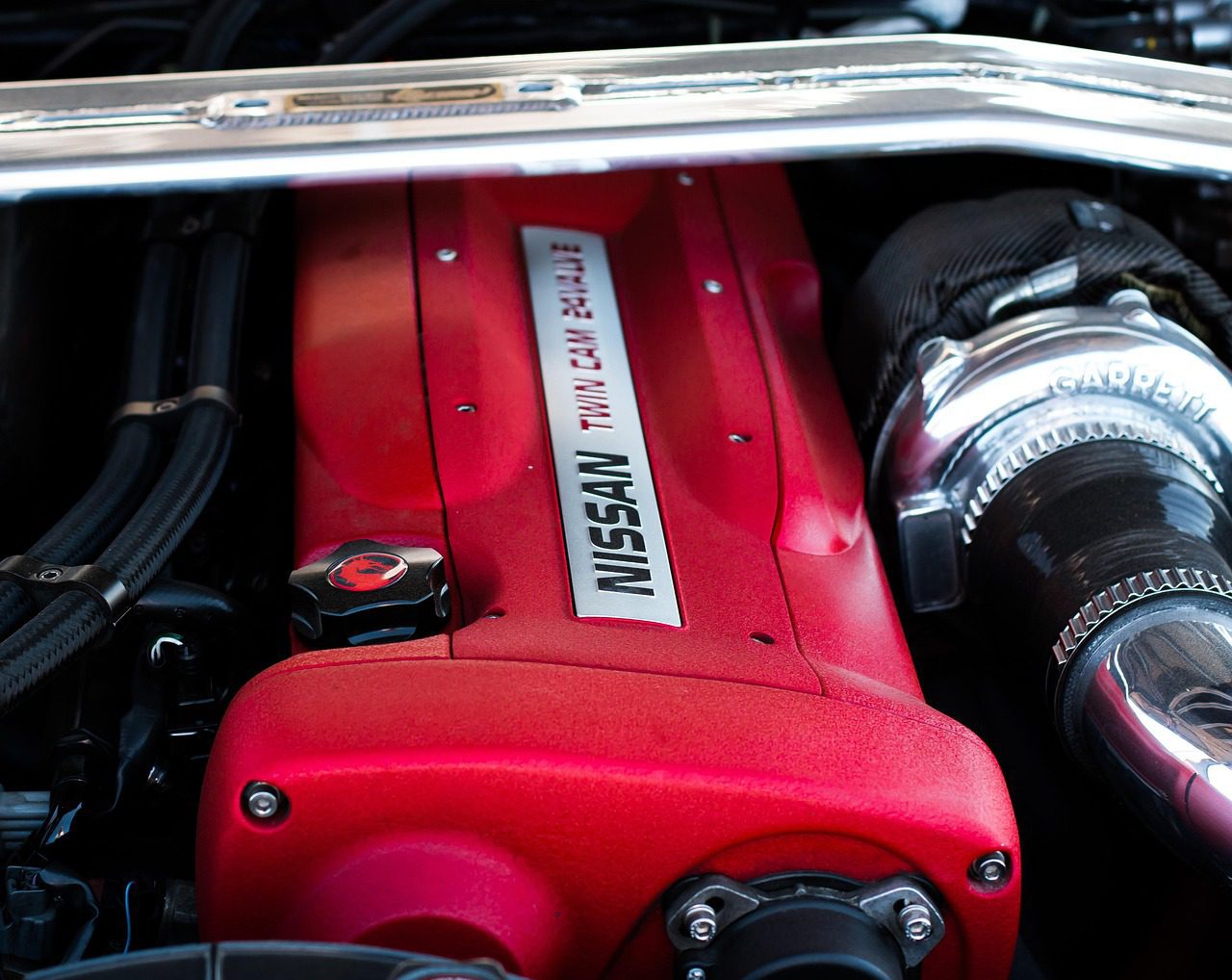
A typical kit includes a pressurized nitrous bottle, solenoids to control the flow, dedicated nitrous and fuel lines, and a nozzle or injection plate. Installation means mounting the bottle securely (usually in the trunk with a bracket), running lines to the engine bay, wiring the solenoids to an activation switch, and tuning the engine — ignition timing especially — to handle the added cylinder pressure safely.
Nitrous safety education from suppliers like Nitrous Outlet and SoCal Nitrous & Race Fuels consistently makes the same point: detonation, not the gas itself, causes almost all nitrous-related engine failures — and detonation is a tuning failure, not a nitrous failure.
Best Nitrous Setup Pick
- Best for: Bleeding air out of the nitrous line before a run so the first shot isn’t weakened by trapped air
- Why we picked it: A genuine, commonly-used accessory from a real nitrous brand, not just a bottle or bracket
- Main drawback: An add-on to a nitrous system, not a replacement for the core kit itself
 |
DearChan Aluminum Nitrous Bottle Bracket (10lb) Best for: Securely mounting a 10-pound nitrous bottle in the trunk as described in this guide |
Check on Amazon |
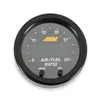 |
AEM X-Series Wideband UEGO AFR Gauge Best for: Monitoring the air-fuel ratio in real time, the single best way to catch a dangerous lean condition before it causes detonation |
Check on Amazon |
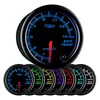 |
GlowShift 1500F Pyrometer EGT Gauge Kit Best for: Watching exhaust gas temperature as a secondary safety check alongside AFR |
Check on Amazon |
As an Amazon Associate we earn from qualifying purchases.
Safety Risks: Why Tuning Matters More Than the Nitrous Itself
The real danger with nitrous isn’t the gas — it’s detonation (engine knock) from adding fuel and oxygen without adjusting ignition timing to match. Running nitrous on an engine tuned only for naturally aspirated operation can burn pistons or crack ring lands within seconds. A nitrous-specific tune, upgraded fuel delivery, and a fuel/ignition safety cutoff switch are standard precautions serious builders use, not optional extras.
Is Nitrous Legal in Your State?
Nitrous oxide itself is not federally illegal to buy, store, or transport. The real legal risk on public roads comes from the Clean Air Act’s ban on tampering with factory emissions equipment — most aftermarket nitrous kits aren’t EPA-certified, so installing one on a street-legal, registered vehicle can technically violate that rule even if you never activate it. California goes further, requiring CARB certification for any nitrous system on a street car. Track-only or off-road vehicles are legal everywhere. For the full state-by-state breakdown, see our dedicated guide on whether nitrous is illegal in cars.
📊 Releasing nitrous oxide drops the intake charge temperature by roughly 60-80°F, packing denser air into the cylinder on top of the extra oxygen — this combined effect is why a 100-horsepower-rated kit can turn a 400-hp V8 into a temporary 500-hp engine.
Cost of Adding Nitrous
A basic wet nitrous kit typically runs $400-$800 for parts, with professional installation and tuning adding $200-$500 more depending on the shop. Ongoing costs include nitrous refills (roughly $5-$8 per pound, with a 10-pound bottle lasting several passes) and periodic solenoid/line maintenance. Compared to a turbo or supercharger kit costing several thousand dollars, nitrous remains one of the cheapest ways to add a meaningful, if temporary, power boost. If you’re weighing nitrous against a different power adder, see what a blower (supercharger) does on a car for a permanent-boost comparison.
Frequently Asked Questions
How Much Horsepower Does Nitrous Add?
It depends entirely on the kit’s jet size — common street/strip kits are rated for 50, 75, or 100 extra horsepower, with dedicated race setups going much higher. The gain is temporary, lasting only while the bottle is engaged.
Does Nitrous Damage Your Engine?
Not inherently — a properly tuned engine with matched fuel enrichment and ignition timing can run nitrous safely for years. Damage happens when nitrous is added without adjusting the tune, causing detonation that can crack pistons or ring lands within seconds.
How Long Does a Nitrous Bottle Last?
A typical 10-pound bottle provides roughly 75-100 seconds of total nitrous-on time, split across many short bursts rather than continuous use — most passes only use nitrous for a few seconds at a time.
Can Any Car Run Nitrous?
Most fuel-injected gasoline engines can run a properly sized wet or dry kit, but the fuel system, ignition timing, and internal engine components need to be strong enough to handle the added cylinder pressure. A shop familiar with your specific engine should size the kit and tune it.
The Bottom Line
Nitrous works by combining extra combustion oxygen with a real intake-cooling effect, letting a properly tuned engine safely make significantly more power for short bursts. The parts themselves are inexpensive compared to forced induction — the real cost is in tuning it correctly, since detonation from an unmatched tune, not the nitrous itself, is what damages engines.
Products related to this article
Sponsored / affiliate links. As an Amazon Associate I earn from qualifying purchases. I may earn additional commission from eligible campaigns.