How Much Does It Cost to Wrap a Car? (2026 Price Guide)
So you’re wondering what it actually costs to wrap a car. Vinyl wraps have become one of the fastest ways to change a vehicle’s look without touching the factory paint underneath, and the price swings a lot more than most people expect once they start comparing quotes. I wrapped my own SUV in matte black a few years ago mainly to cover some stubborn scratches, and the difference in how the car looked afterward convinced me it was money well spent.
Getting a straight answer on pricing took more digging than I expected, so this guide pulls together what I learned from that job, from conversations with several installers, and from digging into how the industry actually prices these jobs. Below you’ll find what a car wrap costs by vehicle size and finish, the variables that push a quote up or down, and a few ways to keep the bill reasonable without cutting corners on the install itself. Let’s get into it.
What Is a Car Wrap?
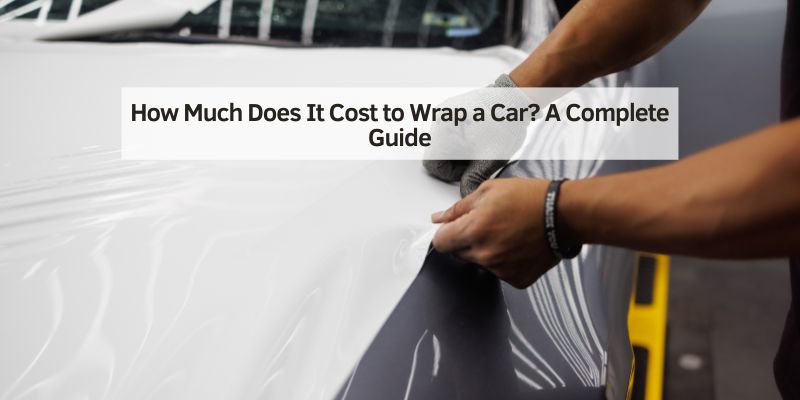
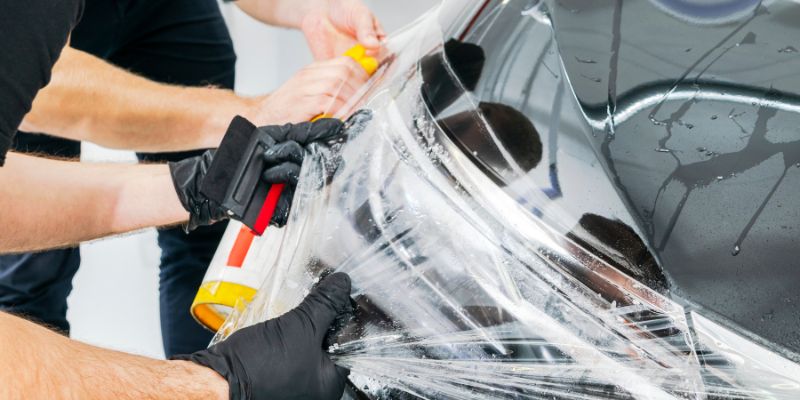
A car wrap is a sheet of vinyl film, usually somewhere between 2 and 4 mils thick, applied directly over a vehicle’s factory paint to change its color, add graphics, or both. Installers cut it into panels sized to match specific body sections — hood, doors, fenders, roof — then heat and stretch each piece into place with a heat gun so it hugs curves, mirrors, and door handles without wrinkling. Most car wrap jobs use one of two vinyl types: cast vinyl, which is thinner and more pliable and typically holds up for five to seven years, or calendered vinyl, a thicker and less forgiving material that costs less but usually only lasts two to three years before the edges start lifting.
Finishes range from gloss and satin to matte, chrome, and even color-shifting or textured carbon-fiber patterns, and a shop can also print full custom graphics instead of a single flat color. Because the film sits on top of the clear coat rather than replacing it, a wrap is fully reversible — peel it off later and the original paint underneath is exactly as it was, provided the paint was in good shape before the wrap went on. That’s also why a wrap doubles as cheap paint protection: it absorbs the UV exposure, minor rock chips, and swirl marks that would otherwise hit the clear coat directly.
Why Choose a Car Wrap?
Deciding whether a wrap makes sense usually comes down to a handful of practical reasons, not just wanting a different color:
- Custom Look: A wrap lets you pick a finish and color combination no factory paint code offers — satin frozen shades, chrome, or a two-tone split most body shops can’t replicate in paint.
- Paint Protection: The vinyl absorbs UV exposure, road grime, and minor scratches, so the factory clear coat underneath stays in showroom condition for as long as the wrap is on.
- Cost-Effective: A full wrap typically runs a third to half the price of a quality multi-stage paint job, since there’s no sanding, priming, or baking involved.
- Reversible: Because the vinyl bonds to the clear coat rather than the paint itself, it can be removed later without stripping or damaging what’s underneath, which isn’t true of a repaint.
- Resale Value: Keeping the original factory paint intact under a wrap for years, then peeling it off before a sale, is one of the few ways to present a buyer with genuinely unworn paint.
Taken together, those five reasons are why wraps have become the go-to choice for anyone who wants a dramatic look change without a permanent commitment.
Factors That Affect the Cost of a Car Wrap
Quotes for what sounds like the same job can differ by thousands of dollars, and almost all of that gap comes down to a short list of variables:
- Car Size: A compact sedan needs roughly 40 to 50 square feet of vinyl, while a midsize SUV or crossover can require 60 to 75 square feet, and a full-size truck or large SUV closer to 80 to 100 — material use alone can add over a thousand dollars between the smallest and largest categories.
- Wrap Type: Solid gloss or matte colors use standard film and cost the least; specialty finishes like chrome, brushed metal, or carbon-fiber texture use pricier imported vinyl and can push the per-square-foot rate two to three times higher.
- Design Complexity: A single flat color needs far fewer cuts and seams than a multi-tone design or custom graphics, and every extra panel split or printed section adds design and labor time a shop has to bill for.
- Labor: Installation is skilled, time-consuming work, and shop rates track local cost of living — expect $50 to $75 an hour in smaller markets versus $75 to $125 an hour in major metros like Los Angeles or New York.
- Vinyl Quality: Premium films from 3M’s 2080 series or Avery Dennison’s SW900 line cost more per roll than budget alternatives but resist fading and edge-lifting for years longer, which is usually worth the difference.
- Prep Work: Any dents, rust spots, or heavy paint contamination need to be corrected before the vinyl goes on, since wrapping over a flawed surface locks those flaws in and can even trap moisture that accelerates rust underneath the film.
- Location: Beyond labor rates, demand and competition among installers in a given region shift prices — the same wrap can cost several hundred dollars more in a market with only one or two experienced shops.
Each of those variables moves the final number somewhat independently, which is why an itemized quote — not just a flat total — makes it much easier to see exactly what’s driving the price.
Average Cost to Wrap a Car
With those factors in mind, here’s roughly what full and partial wraps run across vehicle categories, based on typical shop quotes across the U.S.:
- Compact Cars (e.g., Honda Civic, Toyota Corolla): $1,500-$2,500 for a full wrap. Their smaller body panels use the least vinyl of any category, which keeps both material and labor costs down.
- Midsize Cars (e.g., Honda Accord, Nissan Altima): $2,000-$3,000. A midsize SUV of similar footprint with a matte or satin finish typically lands in the same range.
- Large Vehicles (e.g., Ford F-150, Dodge Ram): $3,000-$4,500. More vinyl and more labor hours are needed to cover a truck or full-size SUV’s larger body panels.
- Luxury or Specialty Cars (e.g., Tesla Model S, Porsche 911): $4,000-$7,000. Tight compound curves and higher-end finish options both add installation time on these bodies.
- Partial Wraps: $500-$1,500. These cover just the hood, roof, or sides, and work well for accenting a car or hiding existing paint damage without the cost of a full wrap.
- Specialty Wraps: Chrome or metallic wraps can run $5,000-$10,000, since that film is scarcer and generally takes an installer longer to lay down cleanly than a standard color.
These are ballpark figures for a professional install using quality vinyl. Getting quotes from two or three shops before committing is the easiest way to confirm you’re paying a fair rate for your specific vehicle and finish.
Here’s a table summarizing the costs:
| Vehicle Type | Full Wrap Cost | Partial Wrap Cost |
|---|---|---|
| Compact Car | $1,500-$2,500 | $500-$1,000 |
| Midsize Car/SUV | $2,000-$3,000 | $800-$1,200 |
| Large Truck/SUV | $3,000-$4,500 | $1,000-$1,500 |
| Luxury/Specialty Car | $4,000-$7,000 | $1,200-$2,000 |
| Specialty Wrap | $5,000-$10,000 | $2,000-$4,000 |
DIY vs. Professional Car Wrapping
Before booking a shop, it’s worth understanding what actually separates a DIY wrap from a professional one, since the price gap is explained by skill and equipment as much as by labor hours:
-
DIY Wrapping:
- Pros: Vinyl kits run $200-$800 depending on vehicle size, and a small practice roll for a single panel costs closer to $50 — by far the cheapest way to try wrapping.
- Cons: Getting a clean result takes real practice with a heat gun and squeegee. Trapped air bubbles, stretched or wrinkled panels around door handles and mirrors, and edges that lift within months are common first-attempt problems, and a DIY wrap generally won’t hold up as long as a professional one.
-
Professional Wrapping:
- Pros: Experienced installers work with commercial-grade vinyl and know exactly how much heat a given curve needs, so a finished professional wrap typically shows no visible seams, bubbles, or stretch marks.
- Cons: Labor makes up roughly half of what you pay, which is the main reason a professional full wrap costs several times more than a DIY kit — most owners find the flawless finish worth that difference.
For a full-vehicle wrap, going professional is almost always the better call. DIY makes more sense for a small, low-stakes panel like a hood stripe or a spoiler, where a mistake is cheap to fix.
What’s Involved in a Professional Car Wrap?
A full-vehicle install is a multi-step process, and understanding it explains why labor accounts for so much of the bill:
- Inspection: The installer checks the body for dents, rust, chips, or heavy paint contamination, since any of those need to be addressed before the vinyl goes on.
- Cleaning: The car gets a thorough decontamination wash to strip away wax, road grime, and oils — vinyl adhesive won’t bond properly to a surface that isn’t completely clean.
- Design: For a stock finish, you pick a color and texture from the shop’s catalog; custom graphics get mocked up digitally first so you can approve the layout before any vinyl is cut.
- Cutting Vinyl: Panels are cut to match each body section, either by a computer-controlled plotter for precise, repeatable shapes or by hand with a fresh blade for one-off custom work.
- Application: Installers apply each panel from the center outward with a felt squeegee to push out trapped air, then heat-stretch the vinyl to roughly 300-400°F so it conforms to compound curves around mirrors, handles, and bumpers — a full vehicle typically takes one to three full days.
- Trimming: Excess vinyl gets trimmed with a fresh blade and tucked into door jambs and panel gaps so no raw edge is left exposed to peel later.
- Finishing: A final post-heat pass relaxes the vinyl and locks in the stretch, while the installer checks every panel edge and seam for lift or trapped air before calling the job done.
Most full wraps take two to three days from drop-off to pickup, and that timeline is a big part of why professional installation costs what it does.
How Long Does a Car Wrap Last?
A well-installed wrap using quality film typically lasts five to seven years before edges start lifting or the color begins to fade, though several variables affect that lifespan:
- Vinyl Quality: Premium cast films from 3M or Avery Dennison hold their color and adhesion far longer than budget calendered vinyl, which tends to shrink and lift at the edges within two to three years.
- Climate: Constant sun and heat break down both the pigment and the adhesive faster, so a wrap in a hot, sunny climate will typically show fading sooner than the same wrap somewhere milder.
- Care: Washing with a pH-neutral soap and steering clear of harsh solvents, tar removers, and abrasive brushes keeps the film’s finish and edges intact for longer.
- Parking: Garage or covered parking cuts down on UV exposure and temperature swings, both of which are the main drivers of premature fading and edge lift.
Getting those basics right is usually the difference between a wrap that still looks sharp after five years and one that needs replacing after two.
How to Care for a Car Wrap
Maintenance for a wrapped car is simple but different from caring for bare paint, and a few habits make a real difference in how long the finish holds up:
- Wash Regularly: Hand-wash every couple of weeks with a mild, pH-neutral soap and a soft sponge or mitt. Abrasive brushes can scuff the vinyl’s surface texture over time.
- Avoid Pressure Washers: High-pressure water can force its way under panel edges and lift the vinyl, so a standard garden hose at normal pressure is the safer choice.
- Dry Thoroughly: A microfiber cloth removes water before it beads and dries into spots, which are more noticeable on a matte or satin finish than on gloss paint.
- Wax Sparingly: Not every wax is wrap-safe. Petroleum-based products can degrade vinyl over time, so it’s worth confirming with the installer and sticking to a wrap-specific spray sealant every few months.
- Remove Stains Quickly: Bird droppings and tree sap are mildly acidic and can etch or discolor vinyl if left to sit, so wiping them off promptly with a damp cloth prevents permanent marks.
- Park in Shade: Extended sun exposure is the single biggest factor in premature fading, so parking under cover whenever possible meaningfully extends how long the color stays true.
None of this is complicated, but skipping it is the most common reason a wrap rated for five-plus years starts looking tired after one or two.
Partial Wraps vs. Full Wraps
If a full wrap feels like more than you need, a partial wrap covering just part of the car is worth considering:
- Partial Wraps: Covering the hood, roof, or side panels alone runs $500-$1,500 and works well as an accent, a way to hide existing damage, or a lower-cost way to test a color before committing to the whole car.
- Full Wraps: Covering the entire vehicle runs $1,500-$7,000 depending on size and finish, and gives a seamless, uniform look that a partial wrap can’t quite match, since panel lines from the factory paint remain visible underneath.
Partial wraps are the more budget-friendly and faster option, while a full wrap is the better choice for anyone after a complete transformation rather than an accent.
Where to Get a Car Wrap
Where you have the work done matters almost as much as the vinyl itself, since installation quality varies a lot between shops:
- Local Wrap Shops: Dedicated vinyl-wrap installers tend to have the most reps under their belt and the most consistent finish quality — a quick search plus a look at recent customer photos usually narrows the list fast.
- Car Dealerships: Some dealerships offer wrapping as an add-on service, but they typically subcontract the actual install and mark up the price, so quotes here often run higher than going straight to a wrap shop.
- Auto Body Shops: Many collision and body shops also offer wrapping alongside paint and dent repair, which can be convenient if the car needs other work done at the same time.
- Online Directories: Sites like Yelp let you compare reviews, pricing, and portfolio photos across several shops in your area before committing to one.
Calling two or three shops, asking how they’ve handled the specific make and model you’re wrapping, and asking to see recent finished work is the best way to avoid a rushed or amateur install.
DIY Car Wrapping: Is It Worth It?
Beyond the basic pros and cons above, a few practical realities are worth knowing before attempting a wrap yourself:
- Cost: A vinyl kit with enough material for a full car, plus a squeegee and heat gun, runs $200-$800 — but budget for at least one extra roll, since first attempts almost always waste some film on mistakes.
- Time: A first-time installer should expect 20-40 hours for a full vehicle, largely because compound curves around mirrors, door handles, and bumpers take far longer to get right than flat panels.
- Skill: The hardest part isn’t cutting the vinyl — it’s controlling heat evenly enough to stretch the film around a curve without overheating and thinning it, a technique that usually takes several panels’ worth of practice to get consistent.
- Results: An inexperienced first attempt commonly shows visible seams, trapped air bubbles, or wrinkling around tight curves, while a shop’s finish typically shows none of that, since installers have already made those mistakes on practice panels long before touching a customer’s car.
A single flat panel — a hood, a roof, or a spoiler — is a reasonable first DIY project. A full-vehicle wrap is a much bigger undertaking, and one where most people are better off paying for experience.
Environmental Benefits of Car Wrapping
Wrapping also has a real environmental edge over repainting. A repaint involves VOC-emitting solvents, primers, and a baking cycle to cure the finish, all of which use more energy and generate more waste than applying a vinyl film. Removing a wrap later doesn’t require sanding or stripping the factory paint, so there’s no paint dust or chemical stripper involved, and several manufacturers now offer PVC-free or partially recyclable vinyl films that reduce what ends up in a landfill once the wrap reaches the end of its life. Sticking to a mild, pH-neutral soap for regular washing keeps that lower environmental footprint intact rather than offsetting it with harsher cleaning chemicals down the line.
Cost-Saving Tips for Car Wrapping
A few practical habits can bring the total cost down without sacrificing quality:
- Get Multiple Quotes: Pricing for the same job can vary by several hundred dollars between shops, so getting three quotes before booking is one of the easiest ways to avoid overpaying.
- Choose a Simple Design: A single solid color needs far fewer cuts and seams than custom graphics or a multi-tone design, which keeps both material waste and labor time down.
- Go Partial: Wrapping just the hood or roof instead of the whole car cuts the vinyl and labor needed by more than half while still changing the car’s look.
- Maintain Your Wrap: Sticking to a proper care routine delays the point where fading or lifted edges force an early replacement, which is the single biggest hidden cost of a wrap.
- Shop Sales: Many installers slow down in winter and offer seasonal discounts to keep their bays full — booking during that slower stretch can knock 10% or more off the total.
None of these tips require compromising on vinyl quality or installer experience — they simply target the parts of the cost that are genuinely flexible.
Why I Love My Car Wrap
Wrapping my SUV in matte black turned out to be one of the better calls I’ve made for that car. It gets noticed constantly, the factory paint underneath is still in the same shape it was the day the wrap went on, and the whole job cost a fraction of what a comparable repaint would have. If you’re on the fence, it’s one of the rare upgrades that pays off in both looks and paint protection at the same time.
Wrapping It Up
So, how much does it cost to wrap a car? Expect somewhere between $1,500 and $7,000 for a professional job, with the exact number depending on your vehicle’s size, the finish you pick, and which shop does the work. Whether you’re after a bold color change or a subtle accent, a wrap delivers a dramatic look without the permanence — or the price tag — of a full repaint. Get a few quotes, settle on a design and vinyl brand you trust, and pick an installer with a strong portfolio, and you’ll end up with a finish that holds up for years.
FAQs
How much does a full car wrap cost?
A full wrap typically runs $1,500-$7,000, with the price driven mainly by vehicle size and the finish you choose. A midsize sedan or SUV in a standard matte or gloss color usually lands in the $2,000-$3,000 range.
Can I wrap my car myself?
You can, and vinyl kits cost $200-$800, but getting a clean result takes real practice — most first attempts show trapped air or wrinkling around curves, which is why most owners choose a professional install for a full vehicle and save DIY for a single panel.
Does a car wrap damage the paint?
No, a quality wrap installed and removed correctly leaves the factory clear coat underneath undisturbed, and actually protects it from UV exposure and minor scratches while the wrap is on. Choosing an experienced installer matters here, since a rushed or careless removal is the main way paint can end up getting damaged.
Can I wash a wrapped car?
Yes, hand-washing with a mild, pH-neutral soap and a soft sponge or mitt is the safest method. Avoid pressure washers, since forced water can get under panel edges and lift the vinyl over time.
Products related to this article
Sponsored / affiliate links. As an Amazon Associate I earn from qualifying purchases. I may earn additional commission from eligible campaigns.
 3M Car Wrap Roll 2080 Gloss Hot Rod Red | G13 | (5ft x 5ft (25 Sq/ft)) | Automotive Vinyl Wrap for Cars - Car Interior Wrap & Exterior | w/Free Instawraps Pro Glove
 AD Car Wrap Roll SW900 Gloss Red Diamond | 426-D | (5ft x 15ft (75 Sq/ft)) | Automotive Vinyl Wrap for Cars - Car Interior Wrap & Exterior | w/Free Instawraps Pro Glove