How Does Recirculation Work in a Car: Proven Essential
Recirculation in a car works by using the HVAC system to reuse the air already inside the cabin instead of drawing in hot or cold outside air. This feature is essential for quickly cooling down or heating the interior, maintaining stable temperatures, and keeping out harsh external smells and pollution.
Hello there! I’m Md Meraj, and I know that understanding your car’s climate control—especially that little button labeled “Recycle” or showing an arrow in a circle—can be confusing. Why does the airflow change? When should you use it? Many drivers feel unsure about when to press that button, but this feature is actually one of the most important tools for keeping you comfortable quickly. Don’t worry; we are going to break down exactly how recirculation works, why it’s so essential, and when you should (or shouldn’t) use it. By the end of this guide, you’ll be controlling your car’s climate like a pro! Let’s dive in and make your next drive a comfortable one.
Understanding Your Car’s HVAC Modes: Fresh Air vs. Recirculation
Your car’s Heating, Ventilation, and Air Conditioning (HVAC) system is the brain behind your comfort. This system has two main modes for handling how air enters your cabin. Understanding these two settings is the first step to mastering your car’s climate control.
Mode 1: Fresh Air Mode (Outside Air Intake)
When your car is set to draw in outside air, it is using the “Fresh Air Mode.” This means the air is pulled in from outside the vehicle, usually through vents near the base of the windshield (the cowl area).
What does this mode do?
- It constantly replaces the air inside the cabin with new, outside air.
- It’s great for preventing that stuffy, stale feeling on long drives.
- It helps clear out fog quickly in damp conditions because it introduces drier air.
However, if it’s 100 degrees outside or you are stuck behind a diesel truck, bringing in that outside air is the last thing you want!
Mode 2: Recirculation Mode (Cabin Air)
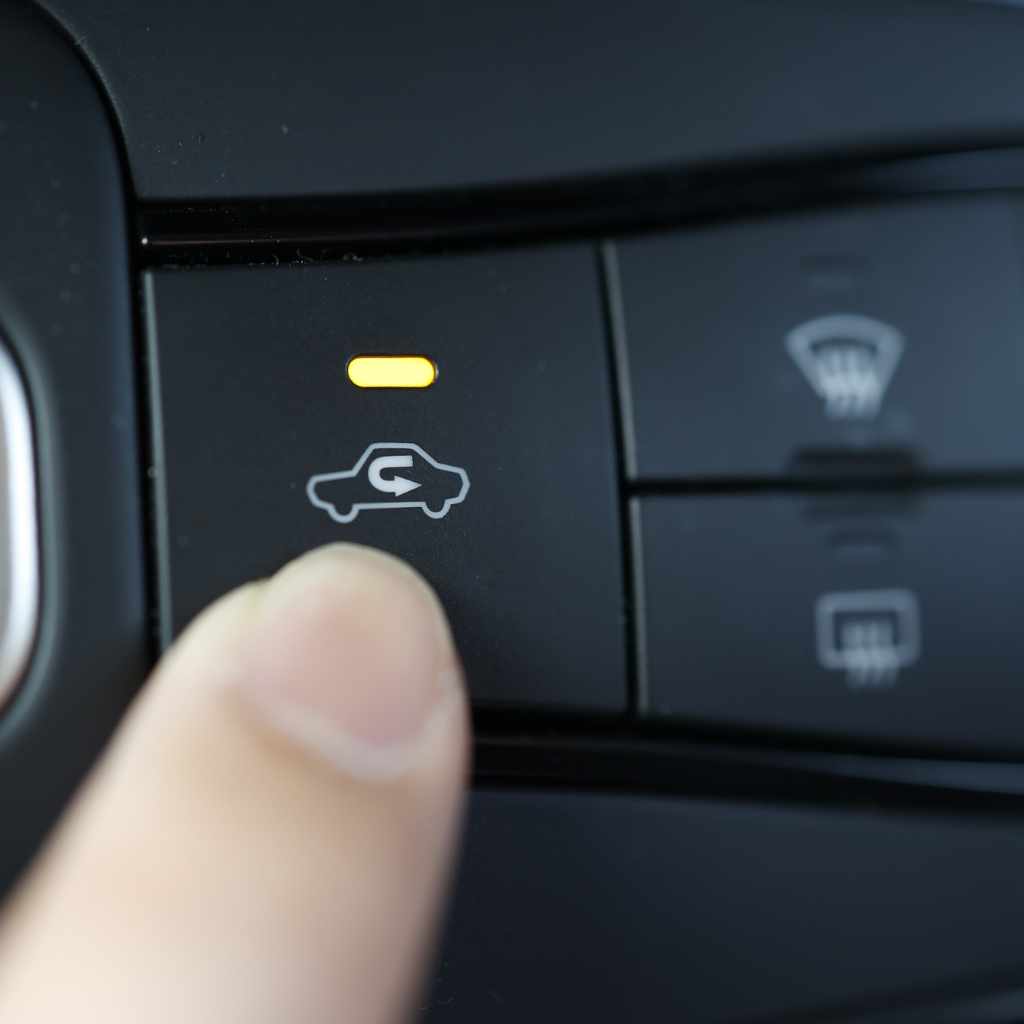
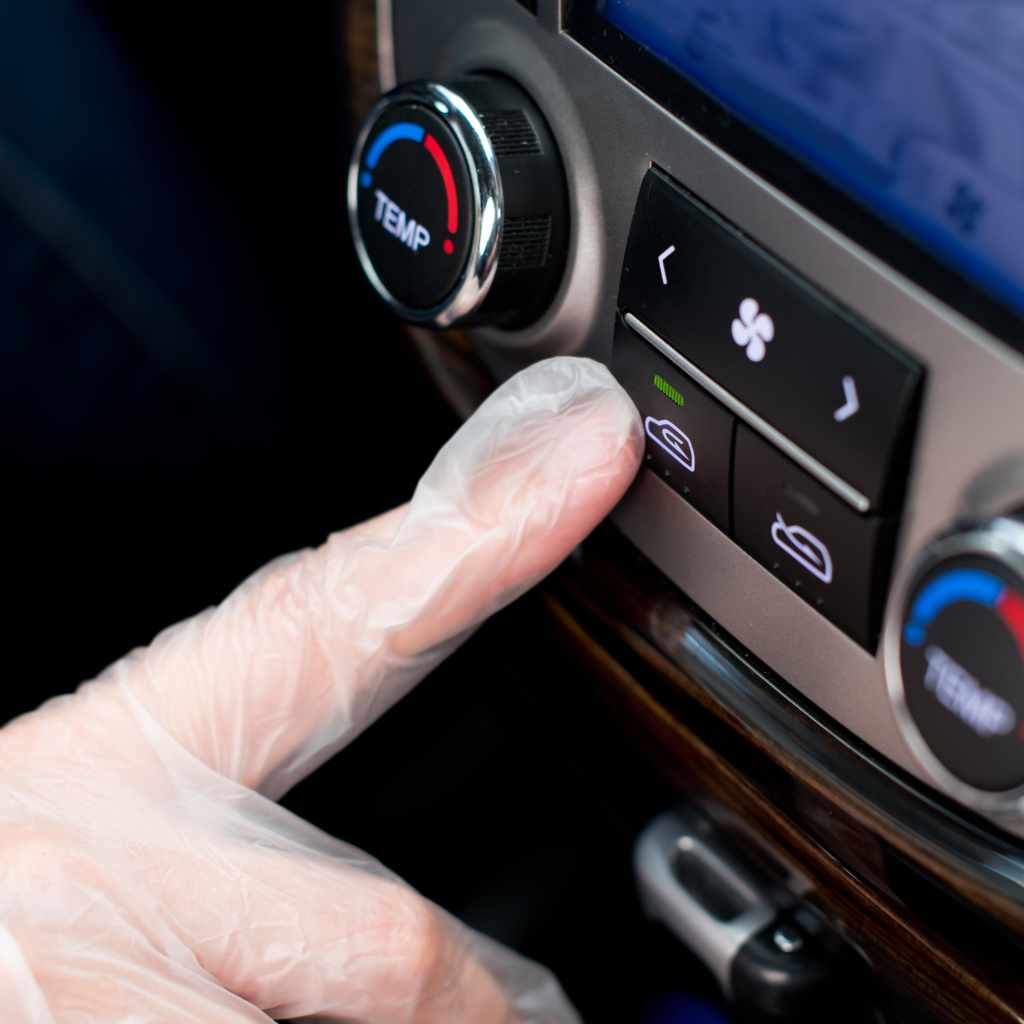
Recirculation mode is the opposite. When you press that button, you are telling the HVAC system to stop pulling air from outside and instead pull the air already inside your car’s cabin through the system and blow it back out.
Think of it like this: the system creates a loop. It takes the air it just conditioned (cooled or heated) and runs it through the A/C evaporator or heater core again. This is why it’s often called “Max A/C” on older systems—it maximizes the efficiency of the already cooled air.
How Does Recirculation Work in a Car? The Mechanics Explained Simply
So, what physically happens behind the dashboard when you click that little button? It all comes down to simple flaps, or doors, controlled by small motors or vacuum lines.
The Role of the Air Intake Flap (Damper)
Behind your dashboard sits a critical component: the air intake door, or damper. This door acts like a gatekeeper, directing the path of the air entering your HVAC system.
- In Fresh Air Mode: The air intake flap opens towards the outside cowl vents, allowing fresh air in.
- In Recirculation Mode: The motor moves the flap to seal off the outside intake vent and opens the vent that draws air from inside the cabin (often located behind the glove box area).
This physical redirection of airflow is instant and direct. Your blower motor keeps running, but instead of pulling air from the noisy, hot, or polluted street, it pulls air from behind your headrests!
The Efficiency Advantage: Why Cabin Air is Easier to Condition
This is the core secret to why recirculation is so powerful, especially for cooling:
- Cooling: To cool air from 95°F down to 70°F (outside to desired temperature) takes a lot of energy and stress on your A/C compressor. To cool air from 85°F (already in the cabin) down to 70°F is significantly easier and faster. The air has a smaller temperature gap to bridge.
- Heating: Similarly, if the outside temperature is near freezing, heating the air from 30°F to 72°F is harder than heating the air that is already slightly warmed by the engine’s residual heat inside the cabin.
This massive efficiency gain is why using recirculation mode makes your car feel cold or warm much faster than using fresh air mode initially.
When To Use Recirculation: Your Quick-Reference Guide
Knowing when to use this powerful feature can save you time, save wear and tear on your A/C system, and keep you comfortable. Here are the proven essential times for hitting that recirculation button.
When to Activate Recirculation (The “Must-Use” Times)
These situations demand that you isolate your cabin from the outside environment instantly:
1. Rapid Temperature Change (The Quick Cool/Heat Down)
This is its primary function. When you first get into a car that has been baking in the sun or sitting in icy cold weather, engaging recirculation immediately allows the system to work with air closer to your target temperature.
2. Dealing with External Odors
If you drive past a livestock farm, a smoke-filled area, or a sewage plant, turning on recirculation instantly stops those smells from entering your car. This is crucial for passenger comfort.
3. Pollution and Dust Control
When driving in heavy traffic jams, construction zones, or areas with high smog levels, recirculation keeps particulates, exhaust fumes, and excessive dust out of your lungs. For important context on air quality, resources from institutions like the U.S. Environmental Protection Agency (EPA) often discuss filtration and air exchange rates in enclosed spaces.
4. Improving A/C Performance in Extreme Heat
In climates where temperatures soar well above 95°F, recirculation ensures the A/C system isn’t constantly being bombarded with superheated air, allowing it to maintain cooler cabin temperatures more easily.
When to Avoid Recirculation (The “Turn It Off” Times)
Recirculation is fantastic, but overuse can lead to problems. You must switch back to fresh air periodically.
- Long Drives: Over time, the air inside the car loses oxygen and builds up the carbon dioxide (CO2) you breathe out. This can cause drowsiness, headaches, and reduced alertness. Periodically switch to fresh air to replenish the oxygen supply.
- Excessive Humidity/Fog: If you notice your windows fogging up heavily inside the vehicle (especially in winter or rain), it means the air in your cabin is saturated with moisture from your breath. Recirculation traps this moisture. You need fresh, drier air to dehumidify the glass.
- When the Car Feels Stale: If you or your passengers start yawning frequently or feel stuffy, it is a clear sign the CO2 levels are too high, and the cabin needs fresh air replenishment.
The Critical Link: Cabin Air Filters and Recirculation
The power of recirculation is directly related to the health of your cabin air filter. If this filter is clogged, recirculation mode works much less effectively, and you might struggle to move air at all.
What the Cabin Air Filter Does
The cabin air filter is located after the air intake but before the air is distributed to the vents or sent into the recirculation loop. Its job is to clean the air. It catches dust, pollen, leaves, and other debris before it reaches your climate control components or your lungs.
Impact on Recirculation
When you use recirculation, the blower motor is pushing the same air around and around. If the filter is dirty, this air constantly flows through debris trapped in the filter, leading to:
- Reduced overall airflow (it feels weak).
- Musty or moldy smells circulating actively in the cabin.
- The system having to work harder, putting stress on the blower motor.
If you find your recirculation isn’t working as well as it used to, checking and replacing your cabin air filter is a cheap, easy DIY first step. You can generally find guides on replacing these filters by searching for your specific year, make, and model online.
Recirculation in Different Climates: Practical Scenarios
The best way to understand recirculation is by seeing it in action across various common driving conditions.
Scenario 1: Blazing Summer Day (98°F Ambient Temperature)
You’ve parked under the sun for hours. The interior is dangerously hot (perhaps 130°F).
- Step 1: Initial Blast. Turn the temperature setting to maximum cold and fan speed to high. Engage Recirculation mode immediately. (This makes the initial cooling super fast).
- Step 2: Stabilize. Once the cabin is comfortably cool (around 75°F), switch back to Fresh Air Mode. This brings in fresh oxygen and keeps the compressor from working overtime trying to cool air that is already cold.
- Step 3: Monitor. Keep it on Fresh Air unless you hit heavy traffic or need another quick boost.
Scenario 2: Winter Morning (25°F and Icy Windows)
Your windows are covered in condensation or light frost.
AVOID RECIRCULATION HERE!
Using recirculation traps the moisture from your breath, making the fogging worse.
- Step 1: Defrost First. Turn the temperature control to hot and set the fan speed high. Point the airflow directly at the windshield (Defrost setting). Ensure you are in Fresh Air Mode.
- Step 2: Dehumidify. The heating system works best when drying the air. Fresh, outside air—even if cold—is usually much less humid than the air inside your sealed car.
- Step 3: Switch After Clearing. Once the windows are completely clear, you can switch to recirculation if you want to stay warm quickly, but only for short periods, remembering to switch back for oxygen.
Scenario 3: Driving Through an Area with Strong Smells (e.g., Burning Oil)
You suddenly smell something unpleasant coming from a nearby vehicle or roadside work.
- Step 1: Instant Action. Immediately press the Recirculation button. This instantly seals off the external intake.
- Step 2: Wait it Out. Keep it on recirculation until you have driven a safe distance away from the source of the smell.
- Step 3: Return to Normal. Switch back to Fresh Air Mode to ensure you are getting regular oxygen exchange.
Troubleshooting Common Recirculation Issues
Sometimes the recirculation button acts strangely. Here are a few common issues and how to approach them from a beginner perspective.
Problem: The Recirculation Light Stays On
In many modern cars, the system is programmed to default back to Fresh Air mode after a specific time limit (often 10 to 15 minutes) when using the A/C heavily, to ensure you get oxygen. If it stays on, it might be the intended behavior, or the control module might be stuck. Check your owner’s manual to see if your car has an automatic time-out feature for recirculation.
Problem: I Can’t Turn Recirculation On/Off
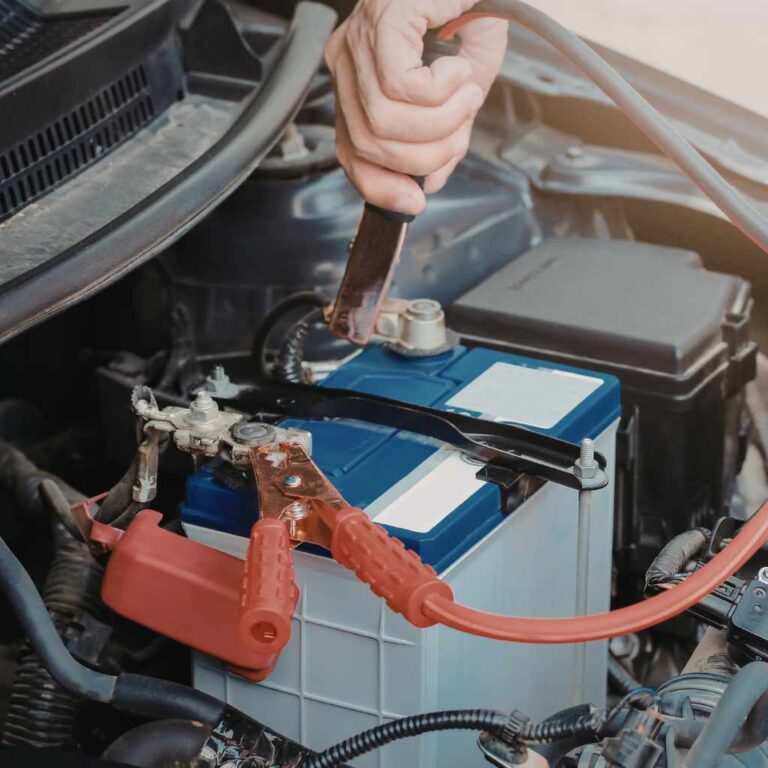
If the button seems unresponsive, first check your car battery voltage, as low voltage can cause electronic climate control components to behave erratically. If the voltage is fine, the issue is usually mechanical—the small motor that moves the air door (damper) has failed, or the vacuum line controlling it is cracked. This usually requires diagnosis by a professional since it involves accessing components behind the dashboard.
Problem: Airflow Seems Weak on Recirculation
This almost always points to a clogged cabin air filter. Since the air is trapped in a loop, a dirty filter restricts all airflow significantly. Replacing this filter is a crucial maintenance step, often recommended every 15,000 to 30,000 miles, depending on your driving environment. Dirty filters are a very common reason why car A/C feels weak over time.
Comparison Table: Fresh Air vs. Recirculation
To help you decide quickly, here is a summary of the pros and cons.
| Feature | Fresh Air Mode | Recirculation Mode |
|---|---|---|
| Speed of Temp Change | Slower (must condition external air) | Faster (conditions already tempered air) |
| External Odor Control | Poor (brings smells in) | Excellent (seals cabin off) |
| Energy Use/Stress on System | Higher, especially in extremes | Lower once initial temp is met |
| Oxygen Refresh Rate | Excellent (constant air exchange) | Poor (air becomes stale quickly if used too long) |
| Defogging Capability | Good (brings in drier air) | Poor (traps moisture) |
The Science Behind Air Quality and Why It Matters
As drivers, we often focus on making the air temperature right, but the quality of that air is equally important for safety and health. This is where understanding the air loop becomes vital.
CO2 Buildup: The Silent Comfort Killer
When you breathe out, you release carbon dioxide (CO2). While small amounts are harmless, when you are driving with four people in the car, all breathing the same air over and over (which happens easily under heavy recirculation), CO2 levels rise.
A properly functioning fresh air intake ensures that the air you are breathing has a healthy oxygen-to-CO2 ratio. High CO2 levels can cause:
- Drowsiness or fatigue, slowing reaction times.
- Mild headaches or feeling mentally foggy.
- Making the drive feel noticeably hotter or stuffier, even if the A/C is blasting.
This is why even if it’s cold outside, you need the system to pull in fresh air periodically. Safety experts emphasize the need for good ventilation during long drives to maintain alertness.
Filtration Efficiency
It is helpful to know that cabin air filters are not designed to filter every single microscopic particle of pollution. They are primarily designed to filter larger debris, pollen, and heavy dust. High-quality filters, often called HEPA-style filters (though true HEPA is rare in standard cars), can capture smaller particles better, but they also place a greater restriction on airflow. If you live in an area with very poor air quality, keeping the recirculation function handy for short bursts while passing smoky areas is your best defense.
Tips for Maximum Comfort and System Longevity
By using recirculation correctly, you are not just making yourself comfortable—you are helping your car’s expensive components last longer.
Saving Your A/C Compressor
The A/C compressor has to work hardest when the air entering the evaporator coil is very hot. By using recirculation to quickly bring the cabin temperature down to an intermediate level, you allow the compressor to cycle less aggressively or cycle off sooner, reducing wear and tear and potentially saving you money on future repairs.
Best Practices for Daily Driving
- Never rely solely on recirculation. Always plan to switch back to fresh air every 20–30 minutes on long trips, even if it means the temperature dips slightly.
- Use the “Auto” Setting if Available. Many modern climate control systems are smart. If you set the temperature low and hit “Auto,” the system will often use recirculation briefly to cool down fast, and then automatically switch to fresh air once the set temperature is reached.
- Warm-Up Time: When starting a cold car in winter, use fresh air first until the engine warms up and the heater core gets hot. Then, you can switch to recirculation to heat the cabin faster using that initial hot air.
Frequently Asked Questions (FAQ) About Recirculation
Here are some quick answers to the most common questions beginner drivers have about this feature.
Q1: Does using recirculation save fuel?
Yes, slightly. Since the A/C system works less hard when cooling already cool air (using recirculation), the engine’s accessory load is lighter, which means marginally better fuel economy, especially during the first 10 minutes of cooling your car.
Q2: Why does my A/C blow weaker when recirculation is on?
This usually means your cabin air filter is extremely clogged. The blower motor is trying to push air through a blockage, and since recirculation traps the air, the blockage feels more dramatic.
Q3: Can I use recirculation when running the heat, or only for A/C?
You can absolutely use it for heat! Recirculation helps trap the warmth generated by the engine, allowing the heater core to warm up the cabin much faster on cold days.
Q4: What is the difference between “Recirculation” and “Max A/C?”
On many older vehicles, “Max A/C” simply means turning the A/C system on full blast and engaging recirculation mode simultaneously for the fastest possible cooling.