How Long Do Carbon Ceramic Brakes Last: Proven Longevity
Carbon ceramic brakes are engineered for extreme longevity, often lasting 100,000 miles or more with proper care, significantly outperforming traditional iron brakes due to their superior durability and wear resistance.
Have you ever wondered about those super high-performance brakes, the ones that look almost futuristic on fancy sports cars? They’re called carbon ceramic brakes, and they’re famous for their incredible stopping power and, surprisingly, how long they last. If you’re curious about whether these advanced brakes are worth the investment or just want to understand what makes them so special, you’ve come to the right place! We’ll break down everything you need to know about their lifespan in simple, easy-to-understand terms. Get ready to demystify these high-tech stoppers!
What Exactly Are Carbon Ceramic Brakes?
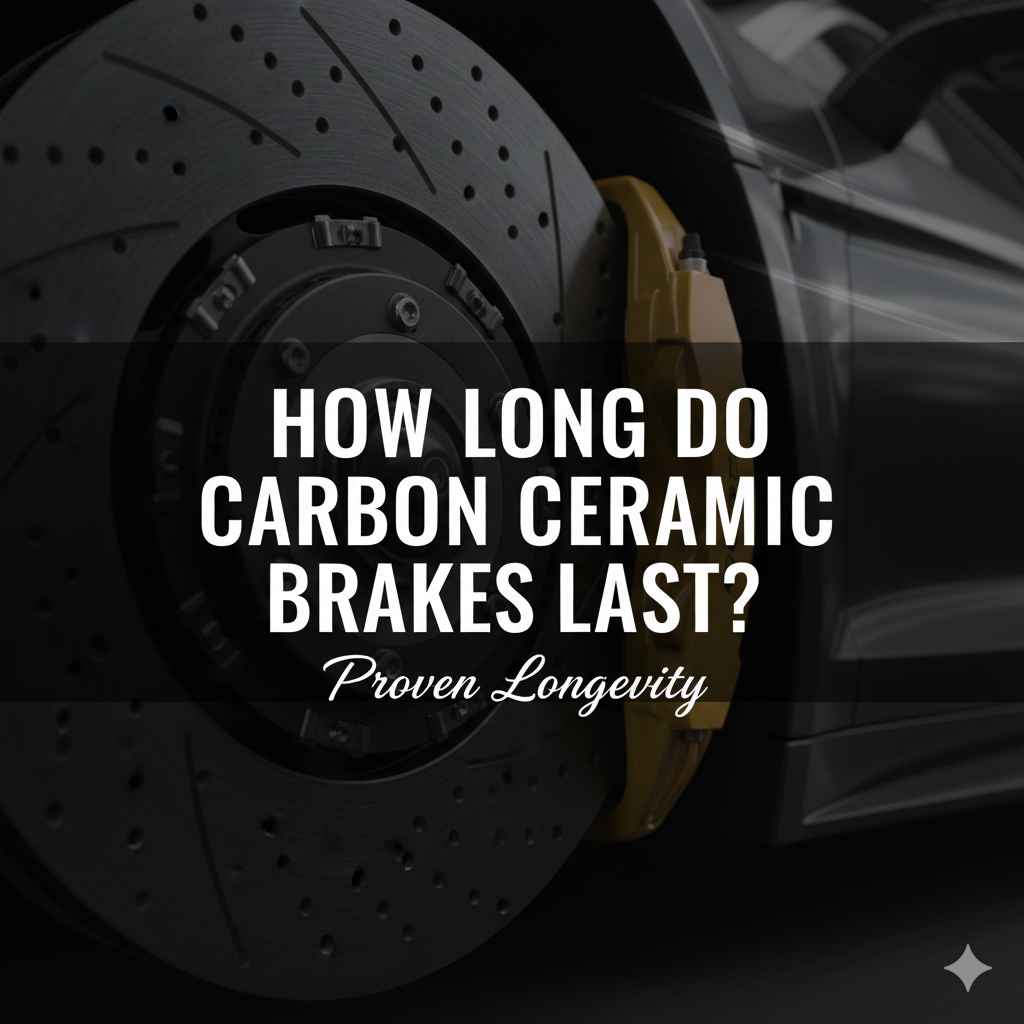
Imagine brakes that can withstand extreme heat and stop a car incredibly quickly, time after time. That’s the magic of carbon ceramic brakes! Unlike the cast iron brakes you find on most everyday cars, carbon ceramic brakes are made from a special composite material. This material is created by heating carbon fibers and silicon carbide to very high temperatures. The result is an incredibly strong, lightweight, and heat-resistant disc that can handle the immense stress of high-performance driving.
The key ingredients are carbon fiber and ceramic. These aren’t just any ceramics; they are engineered to be exceptionally tough. When combined and treated, they create a brake rotor that is far superior in many ways to traditional metal. This advanced construction is what allows them to offer such amazing performance and longevity.
The Big Question: How Long Do Carbon Ceramic Brakes Last?
This is the question on everyone’s mind, and the answer is impressive! Generally, carbon ceramic brake rotors are designed to last a very long time. While traditional iron rotors might need replacing every 30,000 to 60,000 miles, carbon ceramic rotors can easily go for 100,000 to 150,000 miles, and sometimes even more!
This incredible lifespan isn’t just a random number; it’s a direct result of the materials used and how they perform under pressure. They resist wear and heat damage far better than metal. Think of it like comparing a sturdy, well-built tool that lasts for years versus one that wears out quickly with frequent use. Carbon ceramic brakes are definitely in the “lasts for years” category.
Factors Influencing Carbon Ceramic Brake Lifespan
While their inherent durability is high, a few things can affect just how long your carbon ceramic brakes will serve you:
- Driving Habits: Aggressive driving, like frequent hard braking, will naturally wear down any brake system faster. Gentle braking preserves their life.
- Environmental Conditions: Extreme temperatures, harsh weather, or exposure to corrosive road salts can play a small role over time.
- Maintenance: While they require less frequent replacement, proper care and attention to any unusual noises or symptoms are still important.
- Brake Pad Material: The brake pads designed for carbon ceramic rotors are also specialized. Using the wrong pads can damage the rotors.
It’s important to remember that while the rotors last a long time, the brake pads are designed to wear out and protect the expensive rotors. Eventually, these pads will need replacement, which is a normal part of the system’s maintenance.
Carbon Ceramic vs. Traditional Iron Brakes: A Lifespan Comparison
To really understand the longevity of carbon ceramic brakes, it’s helpful to see how they stack up against the more common cast iron brakes.
| Brake Type | Typical Lifespan (Rotors) | Pros | Cons |
|---|---|---|---|
| Cast Iron Brakes | 30,000 – 60,000 miles | Lower initial cost, widely available | Heavier, prone to heat fade, shorter lifespan |
| Carbon Ceramic Brakes | 100,000 – 150,000+ miles | Extremely lightweight, superior heat resistance, exceptional stopping power, very long lifespan | Very high initial cost, specialized maintenance, can be brittle under extreme impact |
As you can see from the table, the difference in rotor lifespan is significant. While the initial cost of carbon ceramic brakes is much higher, their extended life can make them a more economical choice over the very long term for some drivers, especially when you factor in fewer replacements and consistent performance.
Why Are They So Durable? The Science Behind It
The impressive lifespan of carbon ceramic brakes comes down to their unique material properties. Here’s a simplified look at what makes them so tough:
- Lightweight: Carbon fiber is much lighter than iron. This means less unsprung weight for the suspension to manage, which can improve handling.
- High Heat Tolerance: They can operate at much higher temperatures (over 1200°F / 650°C) without degrading or warping. This is crucial for performance driving where brakes get very hot.
- Wear Resistance: The combination of carbon and ceramic is incredibly hard, making it highly resistant to abrasion and wear from the brake pads. They don’t corrode like iron, either.
- Low Thermal Expansion: They expand less when they get hot, which helps prevent warping and maintains consistent performance.
These properties mean that carbon ceramic rotors are far less likely to suffer from issues like brake judder or warping, which are common problems with iron rotors, especially under demanding use. For more technical details on material science in automotive applications, resources like academic papers or material science databases can offer deeper insights.
When Do Brake Pads Need Replacing?
It’s vital to distinguish between the rotors and the brake pads. While the carbon ceramic rotors last for an exceptionally long time, the brake pads are a consumable item designed to wear down. This is a good thing! The pads are typically made of softer materials that create friction against the rotor. They are designed to wear out before the much more expensive rotor does.
You’ll know it’s time to replace your brake pads when:
- You hear a squealing or grinding noise when you brake.
- Your brake pedal feels softer or takes longer to stop the car.
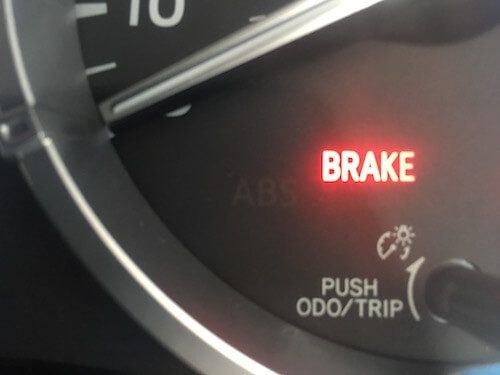
- A dashboard warning light illuminates (if your vehicle has pad wear sensors).
The lifespan of the brake pads on a carbon ceramic system will vary greatly depending on driving style, but they can still last for tens of thousands of miles. Replacing worn pads is a routine maintenance task that protects your investment in your carbon ceramic rotors.
How to Care for Your Carbon Ceramic Brakes
While they are low-maintenance, a little care goes a long way:
- Listen to Your Car: Pay attention to any unusual noises or changes in braking performance.
- Use Recommended Pads: If your vehicle is equipped with carbon ceramic brakes, always use the manufacturer-specified brake pads. These are engineered to work correctly with the rotors. Using the wrong type of pad could damage the rotors and void warranties.
- Avoid Harsh Cleaning Chemicals: While these brakes are robust, using extremely harsh chemicals for cleaning your wheels might not be advisable. Always follow the vehicle manufacturer’s recommendations for cleaning.
- Gentle Braking When Cold: Like any brake system, they perform optimally when at operating temperature. On very cold starts, give them a moment to warm up before applying heavy braking.
For advice on general car care, including brake system checks, always refer to your vehicle’s owner’s manual or consult a trusted mechanic. The National Highway Traffic Safety Administration (NHTSA) also provides excellent resources on vehicle safety and maintenance.
Are Carbon Ceramic Brakes Worth It for You?
The decision to opt for carbon ceramic brakes, or to maintain them if your car already has them, often comes down to your driving needs and budget.
Who Benefits Most from Carbon Ceramic Brakes?
- Performance Car Enthusiasts: Drivers who track their cars, participate in autocross events, or simply love spirited driving will appreciate the immense stopping power and fade resistance.
- High-End Sports Car Owners: These impressive braking systems are typically found on luxury and exotic vehicles where performance and advanced technology are paramount.
- Those Seeking Ultimate Durability: If you prioritize components that last an extremely long time and perform consistently, these brakes are a strong contender.
Considerations for the Everyday Driver
For the average commuter, the significant cost of carbon ceramic brakes might be hard to justify. Traditional iron brakes are more than adequate for daily driving and are significantly cheaper to purchase and maintain. However, understanding their longevity can help you make informed decisions when buying a used car or considering upgrades.
If you’re considering purchasing a vehicle with carbon ceramic brakes, it’s a good idea to understand their condition. A pre-purchase inspection by a qualified mechanic can reveal if the rotors are nearing the end of their life (though this is rare) or if the pads need immediate replacement. Knowing the approximate value and lifespan remaining can be part of your negotiation.
Common Questions About Carbon Ceramic Brake Lifespan
Q1: Can carbon ceramic brakes wear out?
Yes, they can wear out, but it takes a very long time. They are designed to last significantly longer than traditional iron brakes, often over 100,000 miles, but their lifespan is still finite.
Q2: How can I tell if my carbon ceramic brakes need replacing?
You’ll likely hear unusual noises like scraping or grinding, notice a significant decrease in braking effectiveness, or a warning light might illuminate if your car is equipped with wear sensors. However, the rotors themselves rarely wear out before the pads unless aggressively damaged.
Q3: Do carbon ceramic brakes ever crack or shatter?
While extremely rare, carbon ceramic rotors can be susceptible to cracking or shattering if subjected to extreme, sudden impacts (like hitting a large pothole at high speed) or if they have significant, undetected damage. However, this is not a common failure mode under normal driving conditions.
Q4: How much does it cost to replace carbon ceramic brake rotors?
The cost is very high, often several thousand dollars per rotor, plus labor. This is why their extreme longevity is such a key benefit, as they are replaced far less frequently than iron rotors.
Q5: Are carbon ceramic brake pads different from regular brake pads?
Yes, absolutely. The pads used with carbon ceramic rotors are specifically designed to have the right friction characteristics and material composition to work with the rotors without causing premature wear or damage to them.
Q6: Can I convert my car’s iron brakes to carbon ceramic?
Technically, it might be possible in some cases, but it’s usually an extremely expensive and complex modification. It requires not just the rotors and pads but often special mounting hardware, calipers, and sometimes even adjustments to the car’s computer systems. It’s rarely a practical conversion for most vehicles.
Conclusion: A Long-Term Investment in Performance
So, how long do carbon ceramic brakes last? The answer is impressively long – typically well over 100,000 miles. This remarkable durability, combined with their unparalleled stopping power and resistance to heat fade, makes them a premium choice for performance vehicles and discerning drivers. While their initial cost is substantial, their extended lifespan and consistent performance can offer excellent long-term value by reducing the frequency of replacements.
Understanding the lifespan and maintenance needs of your brakes, whether they’re high-tech carbon ceramic or reliable iron, is key to keeping your car safe and performing at its best. By knowing what to expect and performing basic checks, you can drive with confidence, knowing your vehicle’s stopping power is top-notch, mile after mile.