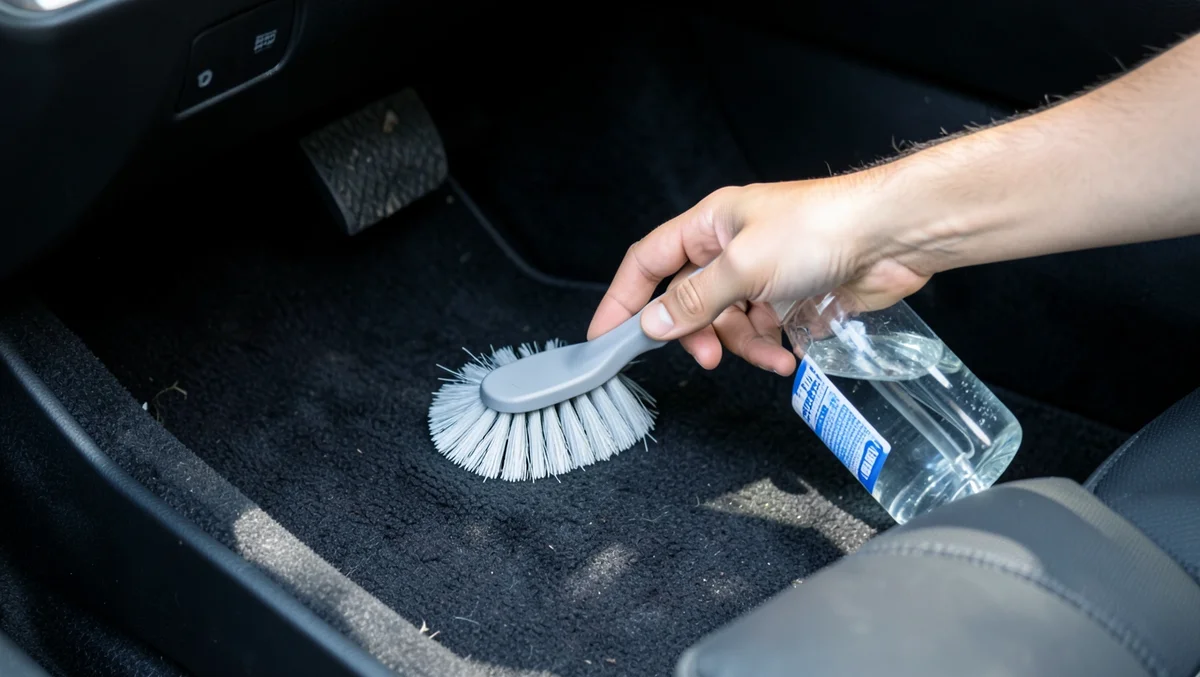
How to Clean Car Carpet Without a Machine (Simple DIY Method)
You can clean car carpet without a machine using a soft-bristle brush, a mild detergent-and-water mix, and a stack of dry towels for blotting the moisture back out. Vacuum first, spot-treat the worst stains, scrub gently in small circles, then blot out as much liquid as you put in and let the carpet dry completely before parking the car in a garage. No rented extractor or shampooer required.
Quick Answer
Vacuum the carpet, mix a few drops of mild dish soap or 1 part white vinegar to 3 parts water, scrub gently with a soft brush, then blot the wet area dry with clean towels. Sprinkle baking soda overnight afterward to pull out any lingering odor, and give the carpet a full 24-48 hours with the doors open to dry before the car goes back in a closed garage.
What You Need to Clean Car Carpet Without a Machine
No-Rinse Spot Remover
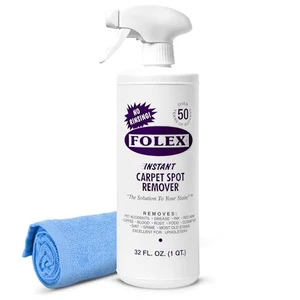 |
FOLEX Instant Carpet Spot Remover – $26.99 Made for exactly this no-machine scenario: no rinsing, no vacuuming afterward, and no leftover residue that attracts more dirt.
|
Gather everything before you start so you’re not walking back and forth to the garage mid-scrub:
- A vacuum with a crevice/upholstery nozzle (any household or handheld car vacuum works)
- A soft-bristle brush – a dish brush or dedicated upholstery brush, never a stiff wire brush
- Mild dish soap or a dedicated carpet shampoo, plus white vinegar and baking soda for odors and stains
- A spray bottle, a bucket of warm water, and several clean, dry microfiber towels
- Fresh air – open doors or a spot in the sun for drying
Step-by-Step: How to Clean Car Carpet Without a Machine
Step 1: Vacuum the Carpet Thoroughly
Run the vacuum slowly over the whole floor before any liquid touches the carpet. Loose dirt, crumbs, and sand turn into mud the moment they get wet, and scrubbing over grit is what actually wears down carpet fibers. Work the crevice nozzle into the footwells, under the seats, and around the pedals, since that’s where the most debris collects.
Step 2: Identify and Pre-Treat Stains
Look over the carpet in good light and note what kind of stain you’re dealing with – mud, grease, and drink spills each respond a little differently. For fresh spills, blot (don’t rub) with a dry cloth first to lift as much of the liquid as possible before you add any cleaner on top of it.
Step 3: Mix and Apply a Cleaning Solution
Mix a few drops of mild dish soap into warm water, or combine 1 part white vinegar with 3 parts water in a spray bottle. Mist the solution onto the carpet rather than pouring it – you want the fibers damp, not soaked. Oversaturating the carpet is the single most common mistake in this whole process, because the extra moisture soaks straight through to the padding underneath, where it has nowhere to evaporate.
Step 4: Scrub Gently in Small Circles
Dip the brush in the solution, shake off the excess, and work the stain in small circular motions. Light, repeated passes lift dirt out of the fibers better than one hard scrub, and they won’t fray or flatten the carpet nap the way aggressive pressure will.
Step 5: Rinse and Blot (Extract Without a Machine)
Wipe the area with a cloth dampened in plain water to rinse away any soap residue, then press a dry towel firmly into the carpet to pull the moisture back out. This is the step a carpet extractor machine would normally handle by suction – by hand, you’re doing the same job with repeated blotting and a fresh section of dry towel each time the one you’re using gets saturated.
Step 6: Dry the Carpet Completely
Open all the car doors and park in direct sun if you can, or point a household fan at the wet section. Give it real time – a hand-cleaned carpet section typically needs several hours in good airflow and sun, longer in humid or cold weather, before it’s dry all the way through the padding, not just on the surface.
DIY Carpet Cleaning Solutions Compared
Not every stain or smell needs the same fix. Here’s which household solution actually matches each problem:
| Solution | Best For | How to Use |
|---|---|---|
| Mild dish soap + warm water | General dirt, everyday grime | A few drops per cup of water, scrub, then blot |
| White vinegar + water (1:3) | Fresh stains and light odors | Spray, let sit 3-5 minutes, blot dry |
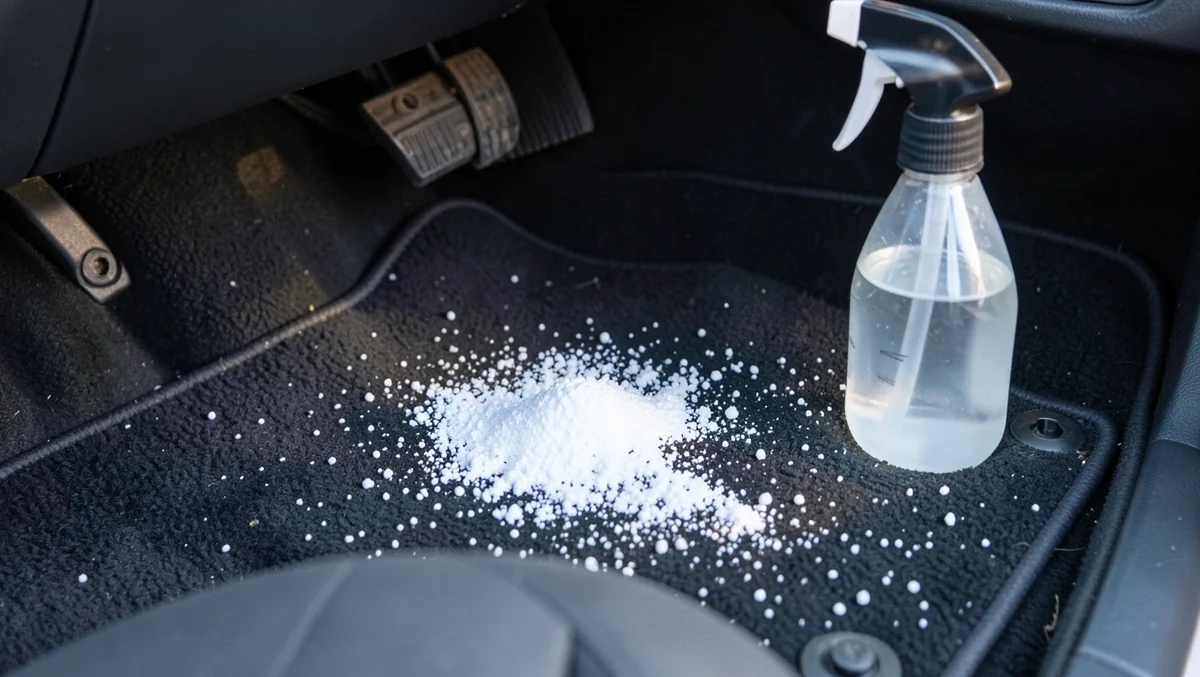
| Baking soda (dry) | Musty or trapped smells | Sprinkle over dry carpet, let sit overnight, vacuum up |
| Dedicated upholstery/carpet spray | Set-in grease, pet accidents, wine | Spray, blot per label – skip rinsing on no-rinse formulas |
Always test any solution on a hidden patch of carpet first, such as under a seat, and wait a few minutes to check for discoloration before treating a visible spot.
How to Avoid Mold When Cleaning Car Carpet by Hand
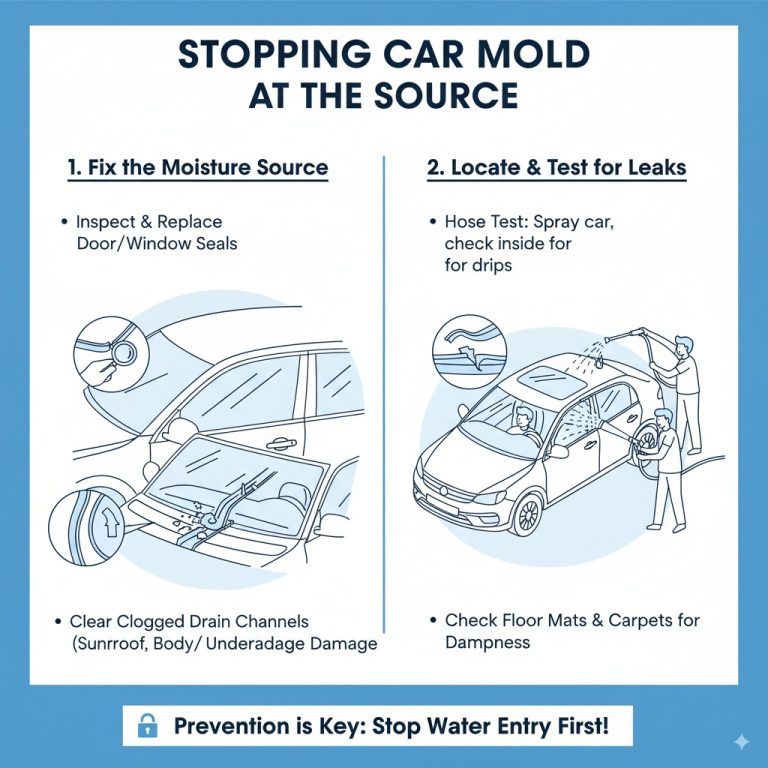
This is the part most hand-cleaning guides skip, and it’s the reason a DIY carpet clean can backfire. Carpet fibers left damp for more than roughly 24 to 48 hours – especially the padding underneath, which holds moisture far longer than the visible surface does – can start growing mold or mildew, and a musty car smell is often the first sign it’s already happened.
- Use only as much liquid as the carpet can absorb without pooling; mist, don’t pour
- Blot out moisture immediately after rinsing instead of letting it air-dry on its own
- Keep doors open and add a fan or direct sunlight rather than closing the car up right after cleaning
- Check the carpet padding underneath (lift a corner if it’s loose) before parking the car in a closed garage
When a Machine Is Worth Renting or Buying Instead
The brush-and-blot method above handles everyday dirt, food and drink spills, mud, and most odors. It’s not the right tool for every job, though. Carpet that’s soaked through from a flood or leak, stains that have set in for months, or an entire car’s worth of carpet and upholstery in one sitting will get cleaner, faster results from an extraction machine – because a machine can inject cleaning solution and pull it back out with real suction, instead of relying on a towel and elbow grease.
If you’re at that point, our guide on how to shampoo car carpet and remove deep stains fast covers both the shampoo process and using an extractor. You don’t necessarily have to buy one either – see whether it’s worth it to rent a carpet cleaner for your car, or compare a few real options in our extractor vacuum for car roundup if you clean carpets often enough to justify owning one.
Maintenance Tips to Keep Car Carpet Cleaner Longer
A quick weekly vacuum, focused on the corners and under the seats where dirt hides, stops most stains before they ever set in. Floor mats help too – rubber mats especially, since they can be pulled out and rinsed off with a hose instead of scrubbing the carpet underneath. Non-toxic, natural-ingredient cleaners are worth choosing over harsh chemical sprays, both for the air quality inside a closed car and to protect the fabric itself over repeated cleanings.
Frequently Asked Questions
How do you clean car carpet without a machine?
Vacuum the carpet first, then scrub it with a soft brush and a mild dish soap or vinegar solution. Rinse the soap off with a damp cloth, blot the area dry with clean towels, and let the carpet air-dry fully with the doors open before closing up the car.
What household items work best for car carpet stains?
Mild dish soap handles everyday dirt, a 1:3 white vinegar-and-water mix lifts fresh stains and light odors, and dry baking soda left overnight pulls out trapped smells. A dedicated no-rinse upholstery spray is worth adding for grease, pet accidents, or wine.
How long does car carpet take to dry after cleaning by hand?
Plan on several hours with the doors open and a fan or direct sun, and give it up to 24 to 48 hours before you’re confident the padding underneath is dry too, not just the visible surface. Humid or cold weather stretches that timeline further.
Can dish soap damage car carpet?
A few drops of mild dish soap diluted in water is generally safe for car carpet, but using too much leaves a soapy residue behind that actually attracts more dirt once it dries. Rinse the area with a clean, damp cloth after scrubbing to remove any leftover soap.
Is it safe to use vinegar on car carpet?
Diluted white vinegar (roughly 1 part vinegar to 3 parts water) is safe on most car carpet and is a common, inexpensive stain and odor treatment. Test it on a hidden patch first, since some dyed or delicate carpet can react differently, and let it air-dry – the vinegar smell fades as it dries.
When should I use a machine instead of cleaning by hand?
Reach for a rented or owned extractor when the carpet is soaked through from a leak or flood, stains have set in for months, or you’re cleaning an entire car’s worth of carpet and upholstery at once. A machine injects solution and suctions it back out, which gets deep-set dirt and moisture that hand-blotting alone can’t fully remove.
Conclusion
Cleaning car carpet without a machine comes down to four things: vacuum first, use a light hand with your cleaning solution, blot out as much moisture as you put in, and give the carpet real time to dry. A brush, some dish soap or vinegar, and a stack of towels handle the vast majority of everyday dirt, spills, and smells – save the extractor machine for the rare deep-clean job that genuinely needs one.
Products related to this article
Sponsored / affiliate links. As an Amazon Associate I earn from qualifying purchases. I may earn additional commission from eligible campaigns.