How Long Should An Engine Cool Before Topping Up
Figuring out How Long Should an Engine Cool Before Topping Up? can seem tricky for new drivers. You want to keep your car happy, but you don’t want to make a mistake.
It feels like there’s a lot to remember. Don’t worry, this guide makes it super simple. We will walk through it step by step so you know exactly what to do every time.
Get ready to feel confident about car care!
Understanding Engine Cooling Times
This section will explore why letting your engine cool down is important before adding fluids. We will look at the science behind it and why rushing can cause problems. You will learn the main reasons why waiting is a key step for your car’s health.
This part sets the stage for everything else we will cover.
Why Engine Temperature Matters
Engine temperature is a big deal for how your car runs. When an engine is working hard, it gets really hot. This heat is normal, but it means that the fluids inside are also very hot.
These fluids, like engine coolant, expand when they are hot. If you try to add more fluid when everything is hot and expanded, it can lead to problems. The metal parts of the engine are also expanded when hot, and adding cold liquid can cause them to contract suddenly.
This rapid change in temperature can stress the metal. It’s like taking a very hot pan and immediately putting it under cold water – it can crack. For your engine, this could mean tiny cracks forming in important parts.
These small issues can grow over time and become big, expensive problems to fix. So, letting the engine cool down is a way to avoid this kind of stress and keep your car running smoothly for a long time.
The Role of Engine Coolant
Engine coolant, also called antifreeze, is super important for your car. Its main job is to keep the engine from getting too hot or too cold. It circulates through the engine, absorbing heat and carrying it away to the radiator.
There, the heat is released into the air. This process is vital for preventing the engine from overheating, especially on hot days or when driving uphill.
Coolant also has other jobs. It has special additives that stop rust and corrosion from forming inside the engine. This protects the metal parts from damage over the years.
In colder weather, coolant stops the water in the engine from freezing and expanding, which could crack the engine block. Because it works so hard and gets very hot, its level can drop slightly over time as some of it turns into vapor. This is why checking and topping it up is a common task for car owners.
What Happens When You Don’t Wait
If you try to add coolant to a hot engine, bad things can happen. The coolant reservoir is usually a clear plastic tank. You might see the markings for “cold” and “hot” levels.
When the engine is hot, the coolant level will be higher because it has expanded. If you add more coolant when it’s already at the “hot” level, you will overfill it.
When the engine cools down, the coolant will shrink. If you overfilled it, the excess coolant might get pushed out of the system through a pressure relief valve. This can make a mess and waste coolant.
More importantly, adding cold liquid to a hot engine can cause something called “thermal shock.” This is a sudden temperature change that can crack engine parts, especially the cylinder head. These cracks are very serious and can lead to expensive repairs. It’s like jumping into a cold lake on a very hot day; your body might not react well to the sudden change.
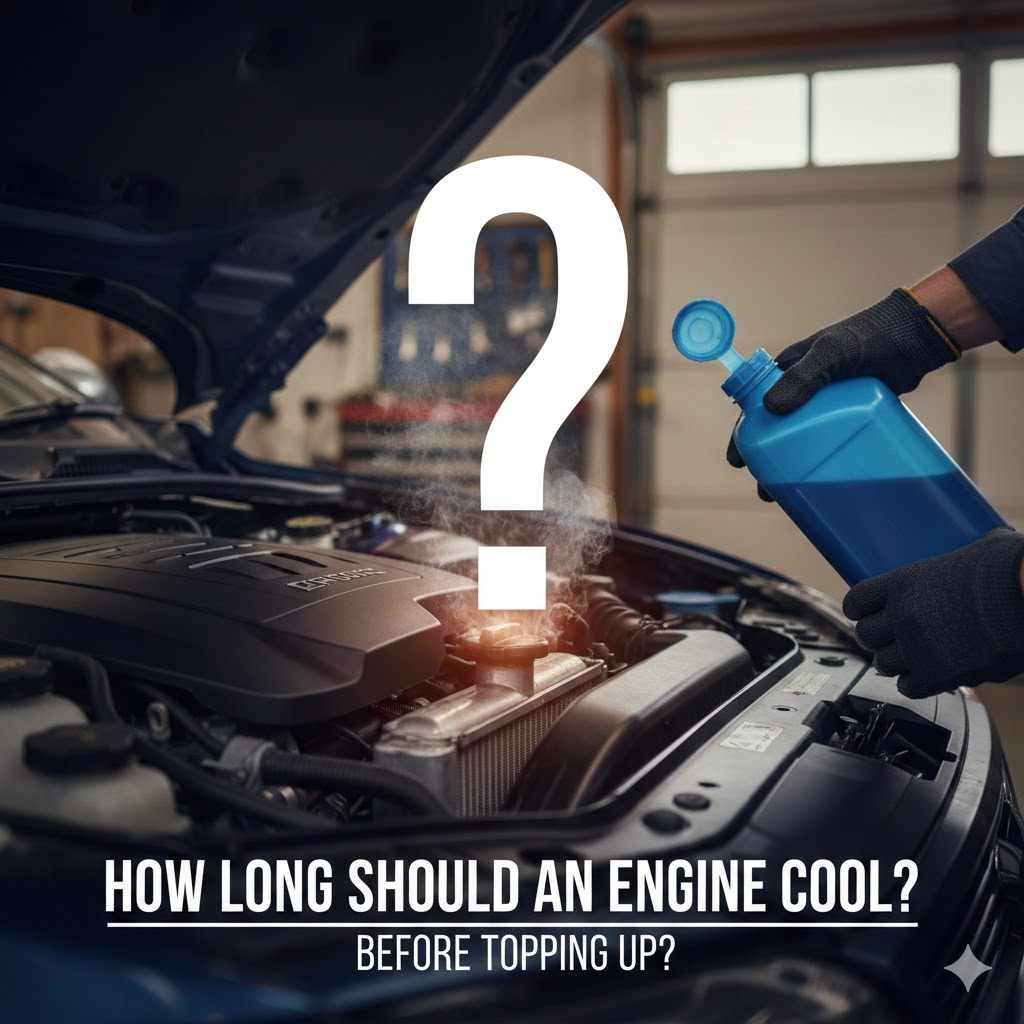
How Long Should An Engine Cool Before Topping Up
This section directly answers the main question: How Long Should An Engine Cool Before Topping Up? We will break down the recommended waiting times and explain what influences them. You will get clear guidelines to follow so you can perform this task with confidence.
We will cover the typical wait and what to do if you are in a hurry.
The General Waiting Period
For most cars, a good rule of thumb is to wait at least 30 to 60 minutes after turning off the engine. This gives the engine and the coolant system time to cool down significantly. You don’t need to wait for it to be completely cold, but it should be cool enough that you can comfortably touch the engine parts and the coolant reservoir cap without getting burned.
Imagine your car just finished a long drive; it’s like a hot oven, and you need to let it air out a bit before reaching inside.
This waiting time allows the coolant to contract back to its normal volume. It also reduces the risk of thermal shock to the engine components. When you open the hood, you should see that the steam has mostly dissipated, and the engine is no longer radiating intense heat.
If you are unsure, it is always better to wait a little longer. A few extra minutes of patience can prevent a costly repair down the road.
Factors Affecting Cooling Time
Several things can make your engine cool down faster or slower. The outside temperature plays a big role. On a hot summer day, your engine will stay hotter for longer than on a cold winter morning.
The type of driving you just did also matters. If you were stuck in stop-and-go traffic for an hour, the engine will be hotter than if you drove at highway speeds for the same amount of time. This is because highway driving often allows for better airflow through the radiator, helping to cool the engine more efficiently.
The size of your engine and its cooling system can also affect cooling time. Larger engines or those with less efficient cooling systems might retain heat longer. The condition of your cooling system components, like the radiator and fan, can also influence how quickly the engine cools.
If your thermostat is stuck closed, for example, the coolant won’t circulate properly, and the engine will take much longer to cool down after being shut off.
What If You’re In A Hurry
If you absolutely must add coolant and cannot wait the full 30-60 minutes, you need to be extremely careful. First, always wear gloves and eye protection. Never, ever open the radiator cap when the engine is hot.
This is incredibly dangerous because the system is under pressure, and superheated steam and coolant can spray out, causing severe burns. Always open the cap on the coolant reservoir tank if you need to add coolant.
When adding coolant in a hurry, use a pre-mixed coolant. Do not use plain water unless it’s an emergency and you plan to flush and refill the system properly later. Slowly and carefully add small amounts of coolant to the reservoir, checking the level frequently.
Listen for any hissing sounds, which might indicate pressure is still building. If you hear any, stop immediately and wait. While this is not ideal, slow and cautious action is better than risking a serious burn or engine damage.
How to Safely Check Your Coolant Level
Knowing how to check your coolant safely is essential. This part will guide you through the process step-by-step. You will learn where to find the coolant reservoir and how to read the markings on it.
Following these steps will help you keep your engine running at the right temperature. We will make this simple and easy to remember.
Locating the Coolant Reservoir
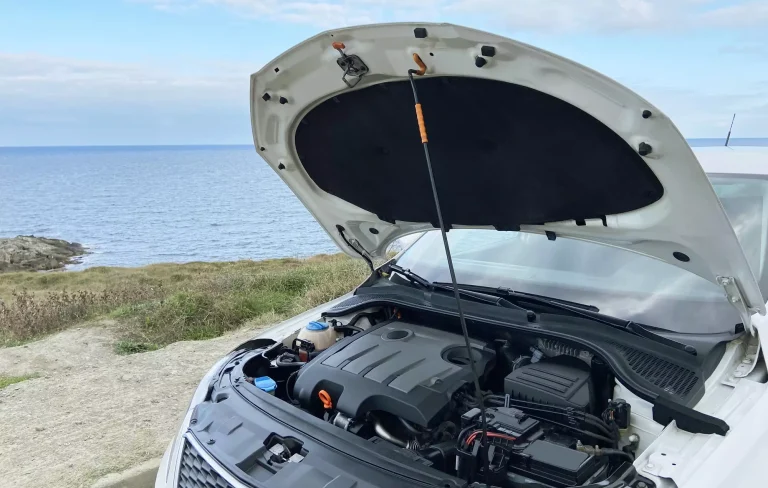
The coolant reservoir is usually a translucent plastic tank located in the engine bay. It is typically connected to the radiator by a hose. On most cars, it will have markings on the side indicating the “cold” fill line and the “hot” fill line.
You can usually find it near the front of the engine, often on the driver’s or passenger’s side. It might be labeled with a coolant symbol or the word “Coolant” or “Antifreeze.”
It’s important to know what your reservoir looks like and where it is before you need it. Take a moment to open your hood when the engine is cool and locate it. This way, you won’t be fumbling around when you’re in a situation where you need to add coolant.
The color of the coolant inside can vary; it might be green, orange, pink, or yellow, depending on the type your car uses. Always use the correct type of coolant specified in your car’s owner’s manual.
Reading the Level Markings
Once you’ve found the reservoir, look for the markings on its side. You will typically see two lines. One is labeled “MIN” or “COLD,” and the other is labeled “MAX” or “FULL” (or sometimes “HOT”).
When the engine is cold, the coolant level should be at or just above the “COLD” line. This is the ideal time to check and add coolant if needed.
If the engine is hot, the coolant level will naturally be higher, reaching up towards the “HOT” or “MAX” line. You should never add coolant when the level is already at the “HOT” line. If the level is below the “COLD” line when the engine is cold, it means you need to add coolant.
Always check when the engine is completely cool for the most accurate reading. This simple check can prevent many potential engine problems.
The Procedure for Topping Up
With the engine completely cool, locate the coolant reservoir. Ensure the “COLD” fill line is visible. If the coolant level is below this line, you need to add more.
Always wear gloves and eye protection. Carefully twist and remove the cap from the coolant reservoir. Using a funnel, slowly pour in the correct type of coolant until the level reaches the “COLD” fill line.
Do not overfill it past this line when the engine is cold.
After adding the coolant, replace the reservoir cap securely. Start the engine and let it run for a few minutes. Watch the coolant level in the reservoir.
As the engine heats up, the coolant will expand, and the level should rise towards the “HOT” line. If the level drops significantly after running the engine, it might indicate a leak, and you should have your car inspected by a mechanic. Repeating this simple process ensures your engine stays properly cooled.
When to Seek Professional Help
Sometimes, you might notice things that suggest a problem bigger than just needing to top up coolant. This section will cover signs that indicate you should take your car to a mechanic. It’s important to know when a simple fix isn’t enough and when professional help is needed.
We will highlight common symptoms to watch out for.
Signs of a Coolant Leak
A common sign of a coolant problem is a visible leak. You might notice puddles of colored liquid (coolant is often brightly colored like green, orange, or pink) under your car, especially after it has been parked. You might also see steam coming from under the hood, which could be due to leaking coolant hitting hot engine parts.
Another sign is a sweet, syrupy smell in or around your car, which is the scent of coolant.
White or colored smoke coming from your exhaust pipe, especially when the engine is warm, can also indicate that coolant is leaking into the combustion chamber and burning off. If you frequently have to top up your coolant, and the level keeps dropping even after adding it, this is a strong sign of a leak somewhere in the system. These leaks can happen from hoses, the radiator, water pump, or even internal engine seals.
Overheating Issues
If your car’s temperature gauge needle starts climbing into the red zone, it means your engine is overheating. This is a serious issue that requires immediate attention. You might also see a warning light on your dashboard indicating an overheating engine.
When an engine overheats, it can cause severe damage, so it’s important to pull over safely as soon as possible and turn off the engine. Do not continue driving if your car is overheating.
Signs of overheating can also include a strange smell of burning, or steam billowing from under the hood. If you notice your car overheating, it’s crucial to let it cool down completely before attempting to check anything. However, in many cases, overheating indicates a more significant problem with the cooling system, such as a failed water pump, a clogged radiator, a faulty thermostat, or a blown head gasket.
These issues require professional diagnosis and repair.
Using the Wrong Coolant Type
Using the wrong type of coolant can be just as damaging as not having enough. Different car manufacturers use different formulations of coolant, and they are not always compatible. Mixing types of coolant can cause them to break down, forming sludge that can clog your cooling system.
This sludge can reduce the efficiency of your radiator and water pump, leading to overheating. It can also corrode metal parts within the cooling system.
For example, a traditional green coolant might not be compatible with newer OAT (Organic Acid Technology) or HOAT (Hybrid Organic Acid Technology) coolants used in many modern vehicles. Always consult your car’s owner’s manual to find out the exact type of coolant recommended for your specific make and model. If you are unsure, or if you suspect you might have mixed coolants, it’s best to have your cooling system flushed and refilled by a professional mechanic to prevent long-term damage.
Maintaining Your Cooling System
Keeping your cooling system in good shape is important for your car’s overall health. This part gives you tips on how to do that. Regular checks and maintenance can help you avoid bigger problems later on.
We will cover simple things you can do yourself and when to call in the experts.
Regular Coolant Checks
Making it a habit to check your coolant level at least once a month is a smart move. You can easily do this when the engine is cold. Just peek at the reservoir and see if the level is between the “COLD” and “HOT” lines.
It only takes a minute. Also, give the hoses a quick look. Are they cracked, swollen, or brittle?
If they look worn, it might be time to replace them. This simple routine can catch small issues before they become large headaches.
Don’t forget to also check the condition of the coolant itself. Is it clean and clear, or does it look murky, rusty, or have debris floating in it? Dirty coolant means it’s time for a flush and refill.
Pay attention to any unusual smells, like a sweet or burnt odor, which could indicate a leak. These regular visual inspections are your first line of defense in keeping your cooling system running efficiently and preventing unexpected breakdowns.
Flushing and Refilling the System
Over time, coolant loses its protective properties and can become contaminated. This is why flushing and refilling your cooling system is recommended by most manufacturers, usually every 30,000 to 60,000 miles, or as specified in your owner’s manual. Flushing involves draining all the old coolant and then running a special cleaning solution through the system to remove any rust, scale, or sludge.
After the cleaning, the system is rinsed with water and then refilled with fresh, new coolant.
This process ensures that your engine is protected by clean, effective coolant. It helps prevent corrosion, keeps the coolant’s boiling and freezing points optimal, and ensures the cooling system functions at its best. While you can do this yourself, it requires careful disposal of old coolant (as it is toxic) and knowledge of the correct coolant type and mixture.
Many people prefer to have this service done by a professional mechanic to ensure it’s done correctly and safely.
Inspecting Other Cooling Components
Besides the coolant itself and the hoses, there are other parts of the cooling system that need attention. The radiator is where heat is released into the air. Keep it clean; debris like leaves and bugs can block airflow, making it less effective.
You can gently rinse it with a hose. The radiator cap also plays a role by maintaining pressure in the system.
The thermostat controls the flow of coolant, ensuring the engine reaches its optimal operating temperature quickly. If it fails, the engine might run too cold or too hot. The water pump circulates the coolant throughout the engine.
A failing water pump can lead to rapid overheating. Fans, whether electric or belt-driven, pull air through the radiator, especially at low speeds or when idling. Any of these components can fail and cause cooling issues.
Regular visual checks and paying attention to how your car runs can help spot potential problems early.
Sample Scenarios
Scenario 1: Daily Commute Check
- Before starting your car on a Monday morning, you pop the hood. The engine is cold.
- You locate the coolant reservoir and see the level is right at the “COLD” fill line.
- Everything looks normal, no visible leaks or strange smells.
- You feel confident your cooling system is in good shape for the week.
Scenario 2: Post-Road Trip Check
- After a long weekend trip, you return home. You let the car sit for about 45 minutes.
- You open the hood and can still feel some residual warmth, but it’s not burning hot.
- You check the coolant reservoir. The level is slightly above the “COLD” line, reaching close to the “HOT” line.
- This indicates that during the long drive, the coolant expanded, and the level is correct for a warm engine.
Scenario 3: Low Coolant Warning
- While driving, you notice the temperature gauge climbing higher than usual.
- You pull over safely, turn off the engine, and wait for 30 minutes.
- You cautiously open the hood and check the coolant reservoir. It’s significantly below the “COLD” line.
- You have a bottle of the correct coolant in your trunk. You slowly add coolant until it reaches the “COLD” line.
- You start the engine again. The temperature gauge returns to normal. You will need to get it checked for leaks soon.
Frequently Asked Questions
Question: How long should I wait before opening the radiator cap?
Answer: You should never open the radiator cap when the engine is hot. Wait until the engine has cooled down completely, which usually means at least an hour after the engine has been turned off. Opening a hot radiator cap can cause hot steam and coolant to erupt, leading to severe burns.
Question: Can I use plain water in my coolant system?
Answer: In an emergency, you can use plain water if you have no other option, but it is not recommended for long-term use. Plain water does not offer the same level of freeze and boil-over protection as coolant and lacks the anti-corrosion additives. It’s best to use the correct type of coolant and, if you used water, get the system flushed and refilled soon.
Question: What are the signs of a blown head gasket?
Answer: Signs of a blown head gasket can include white smoke from the exhaust, coolant disappearing without any visible leaks, oil in the coolant (or vice versa), engine misfires, or the engine overheating. If you suspect a blown head gasket, it’s crucial to have your car inspected by a mechanic immediately, as it’s a serious issue.
Question: My coolant is green. Can I add orange coolant?
Answer: Generally, you should not mix different colors or types of coolant unless the manufacturer specifically states they are compatible. Green coolant is often traditional inorganic additive technology (IAT), while orange coolant is often organic acid technology (OAT). Mixing them can cause chemical reactions that reduce their effectiveness and potentially damage your cooling system.
Question: How often should I get my cooling system flushed?
Answer: Most car manufacturers recommend flushing and refilling the cooling system every 30,000 to 60,000 miles, or every 2 to 5 years, depending on the coolant type and your vehicle. Always check your owner’s manual for the specific maintenance schedule for your car.
Conclusion
Knowing How Long Should An Engine Cool Before Topping Up? is simple. Wait at least 30 to 60 minutes after turning off a hot engine.
Always check coolant levels when the engine is cold. This simple step protects your engine from damage and keeps it running smoothly. Regular checks and using the right coolant ensure your car stays in great shape.