Are Tires Covered Under a New Car Warranty? The Real Rule
No, tires are usually not covered under a new car’s factory warranty. Coverage for a tire comes from a separate warranty issued by the tire manufacturer, not the automaker.
That tire-maker warranty typically covers manufacturing defects and premature tread wear for 45,000 to 80,000 miles, or roughly 4 to 6 years, but it will not pay for a flat caused by a nail, a curb strike, or ordinary wear. There is one narrow exception: if a brand-new tire fails from a genuine factory defect within the first few thousand miles, some automakers will still handle the replacement under the car’s own warranty as a courtesy, then point you back to the tire manufacturer for anything after that.
Introduction To Tire Warranties
BEST FOR KEEPING YOUR TIRE WARRANTY VALID
 |
JACO TreadPro Tire Tread Depth Gauge – $15.90 Most tire warranty claims require proof the tread and pressure stayed within spec, and this dial gauge reads depth in the same 1/32-inch units tire makers use on their own paperwork.
|
Tires are one of the few parts on a new car that carry their own separate protection instead of riding on the automaker’s blanket warranty. A tire warranty exists because tires are made by a different company than the car itself, and because tires wear down through normal use in a way that engines and electronics do not. Knowing which warranty actually applies before something goes wrong saves you a frustrating trip to the dealership only to be sent to a tire shop instead.
Most tire warranties fall into two categories: a defect warranty that covers workmanship problems like belt separation or sidewall bubbles, and a treadwear or mileage warranty that promises a certain number of miles before the tread wears down to the legal minimum. Read the paperwork that came with your car to see which type applies and for how long, since the terms differ by tire brand even when the car itself is identical.
Types Of Car Warranties
A new car typically comes with two overlapping warranties: a bumper-to-bumper warranty that covers most components for a few years or a set number of miles, and a longer powertrain warranty limited to the engine, transmission, and drivetrain. Tires are almost always excluded from both. Wear items like tires, wiper blades, and brake pads are treated as consumables that a manufacturer’s warranty was never designed to replace on its own schedule, since how fast they wear depends entirely on the driver.
An extended warranty, purchased separately once the factory coverage runs out, usually follows the same pattern. It may add coverage for things like air conditioning or electrical components, but tires typically stay excluded unless the contract specifically lists tire coverage as an add-on. Other parts fall into a similar gray area, so it is worth checking the specifics before assuming anything is covered, see our guides on whether AC repairs are covered under a car warranty and whether windshield damage is covered under warranty for two more examples of parts people assume are included and usually are not.
Understanding Tire Coverage
New car tires almost always carry their own manufacturer warranty, separate from the car’s own factory warranty. This tire warranty covers manufacturing defects such as uneven tread wear caused by a bad mold, sidewall bulges, or a belt that separates from the rubber. It does not cover normal wear and tear, since every tire wears down eventually no matter how well it was built. Most tire warranties are measured in miles, and a growing number also include a limited flat-repair benefit for the first year or two of ownership.
What a tire warranty will not touch is just as important as what it covers. Road hazard damage, such as a nail, a pothole strike, or a shard of glass, is not covered by the manufacturer’s defect warranty at all; it requires a separate road hazard policy that many tire shops sell at the time of purchase. Damage from aggressive driving, underinflation, or misalignment is also excluded, since the manufacturer can point to driver behavior rather than a manufacturing flaw. Weather-related cracking from age and sun exposure is typically excluded too. Always read the exceptions section of your tire warranty before assuming a problem is covered.
Factors Affecting Tire Warranty
Usage patterns have a big effect on whether a tire warranty claim gets approved. Highway commuting tends to be gentler on tread than a lot of stop-and-go city driving, since hard braking and quick starts wear rubber down faster than steady cruising. Tires used for towing, racing, or off-roading are frequently excluded outright, because the warranty assumes normal passenger-car use. Sticking to the load rating and speed rating printed on the sidewall keeps a claim from being denied over misuse.
Environmental conditions matter just as much as driving style. Extended exposure to extreme heat accelerates rubber breakdown, while very cold climates can make tires stiffer and more prone to sidewall cracking. Chronic exposure to chemicals like spilled fuel or de-icing salt can also degrade the rubber faster than the warranty accounts for. None of this is usually spelled out in plain language on the warranty card, so a tire shop’s inspection at claim time is where these factors typically get flagged.
How To Claim Tire Warranty
Start by gathering your paperwork: the original purchase receipt or invoice showing the tire brand and date of installation, the warranty card or registration confirmation, and a written description of exactly what went wrong. Photograph the damaged area clearly, including the tread, sidewall, and any visible defect, before you take the tire anywhere, since some claims are handled remotely from photos alone.
Bring the tire and your documentation to the tire manufacturer’s authorized dealer or the shop where you bought it, not the car dealership, since the car dealer usually has no authority over a separate tire warranty. Explain the issue and submit everything they ask for. The shop will inspect the tire, sometimes send photos to the manufacturer for a defect determination, and let you know whether the claim is approved, denied, or prorated based on remaining tread depth.
Common Warranty Exclusions
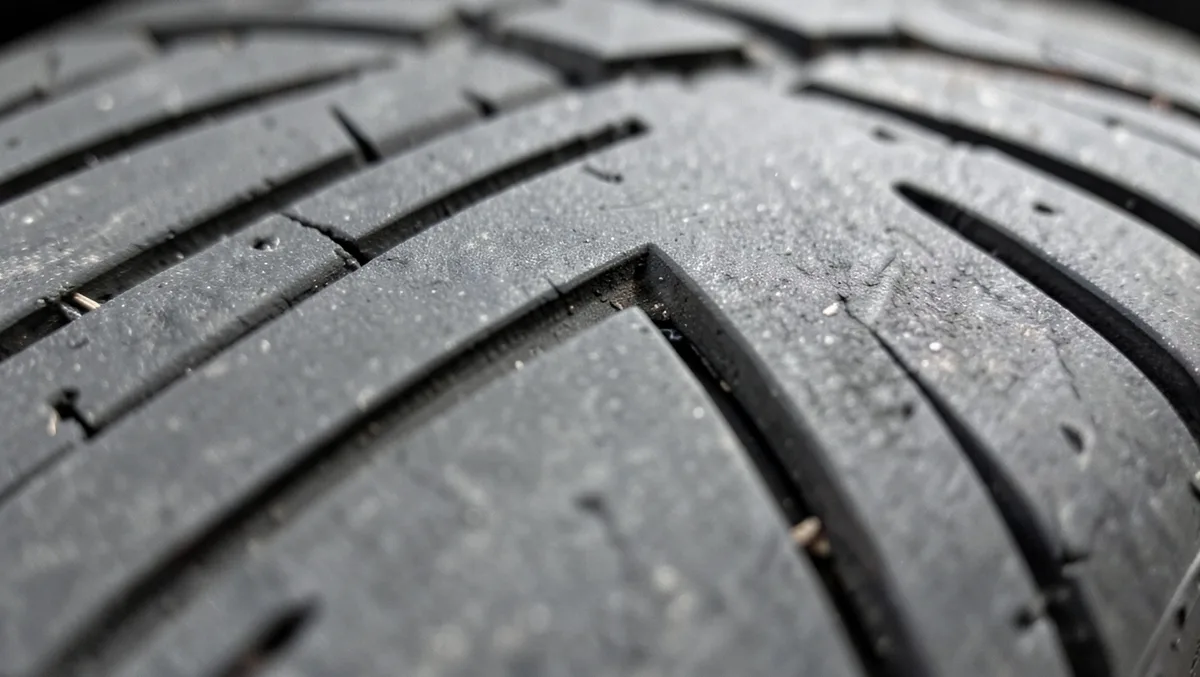
Ordinary wear and tear is the single biggest reason tire warranty claims get denied. Every tire eventually wears down to its treadwear indicators no matter how carefully it was built, and a warranty was never meant to replace tires simply because they got old. Rough roads and heavy braking accelerate that wear, but the wear itself is treated as a normal cost of driving rather than a defect.
Improper maintenance is the other major exclusion, and it can void coverage even on a tire that genuinely does have a defect. Running low tire pressure for extended periods, skipping regular tire pressure checks, and never rotating the tires can all cause uneven wear patterns that a manufacturer will point to as the real cause of failure. Keeping a simple maintenance log, even a note on your phone with dates and pressure readings, gives you something to show if a claim is ever disputed.
Tips For Maximizing Tire Warranty
Regular maintenance is the single best way to keep a tire warranty valid and to make tires last as long as possible in the first place. Checking tire pressure monthly keeps tires from running under or over-inflated, both of which wear tread unevenly and faster than correct pressure would. Rotating tires roughly every 6,000 miles evens out the wear between the front and rear axles, and inspecting the sidewalls periodically for cuts or bulges catches a developing problem before it becomes a blowout. Keeping your wheel alignment in spec prevents the kind of uneven edge wear that manufacturers often cite when denying a claim.
Driving habits matter too. Avoiding sudden stops and hard acceleration, driving at moderate highway speeds instead of consistently near a tire’s speed rating, and steering around potholes rather than through them all reduce the kind of stress that leads to premature failure. None of this guarantees a claim will be approved, but it removes the most common reasons a manufacturer has for denying one.
Evaluating Warranty Options
Not every manufacturer or tire brand offers the same protection, so it is worth comparing warranty plans before you buy replacement tires rather than after something goes wrong. Some tire brands bundle a longer mileage warranty into their premium lines, while budget tires often carry shorter coverage with fewer included benefits like free rotations. Reading the specific terms tells you whether tires are addressed at all, since plenty of new-car buyers never realize their factory warranty was silent on tires until they need a claim.
A separate road hazard policy, purchased from the tire retailer at the time of installation, is the closest thing to real insurance against a punctured or damaged tire. It typically costs a modest amount per tire and pays out for exactly the kind of nail, glass, or pothole damage the manufacturer’s own warranty excludes. If you drive frequently on rough or debris-heavy roads, that added coverage tends to pay for itself faster than most drivers expect.
Frequently Asked Questions
Is A Blown Tire Covered Under Warranty?
A blown tire might be covered if it is traced back to a manufacturing defect, such as a belt separation or a weak spot in the sidewall. Most tire warranties exclude blowouts caused by road hazards, underinflation, or a puncture, since those are considered outside the manufacturer’s control. Contact the tire manufacturer or the shop where you bought the tires to have the failure inspected before assuming either way.
Are Tires Covered In The Bumper To Bumper Warranty?
No, tires are typically not covered under a bumper-to-bumper warranty. That warranty is built to cover manufacturer defects in the car itself, and tires come from a separate tire company with their own defect and treadwear warranty. Always confirm with your specific automaker, since a small number do offer limited early-defect coverage on original-equipment tires.
How Long Do Tires Last When You Buy A New Car?
New car tires typically last between 25,000 and 50,000 miles, though the exact number depends heavily on driving habits, road conditions, and how consistently the tires are maintained. Regularly checking tire pressure, keeping the wheels aligned, and rotating tires on schedule all push actual mileage closer to the higher end of that range.
How Long Is A Typical Tire Warranty?
A typical tire treadwear warranty lasts between 40,000 and 80,000 miles, or roughly 4 to 6 years, depending on the tire brand and model. Premium touring tires sometimes stretch closer to 70,000 or 80,000 miles, while budget and performance-oriented tires tend to carry shorter coverage. Check the specific terms with the manufacturer, since driving habits and road conditions can still affect what a claim actually pays out.
Conclusion
Tires on a new car are rarely covered by the automaker’s own warranty. Instead, look to the separate warranty that comes from the tire manufacturer, and read its fine print for the mileage limit and defect exclusions before you assume anything is included. Ask the dealer directly which warranty, if any, applies to the original tires on your specific car.
Keeping up with pressure checks, rotations, and alignment does more than extend tire life, it also keeps a legitimate defect claim from being denied over a maintenance technicality.
Products related to this article
Sponsored / affiliate links. As an Amazon Associate I earn from qualifying purchases. I may earn additional commission from eligible campaigns.