How Long Should You Warm Up Your Car Before Service
Many people wonder about how long to warm up their car before taking it in for service. It can feel like a tricky question, especially if you’re new to car care. You want to do right by your vehicle and the mechanic, but what’s the best way?
Don’t worry, this is a common concern, and we’ll break it down simply. We’ll cover everything you need to know to get your car ready for its check-up, making it easy to follow. Let’s get your car prepped and ready to go!
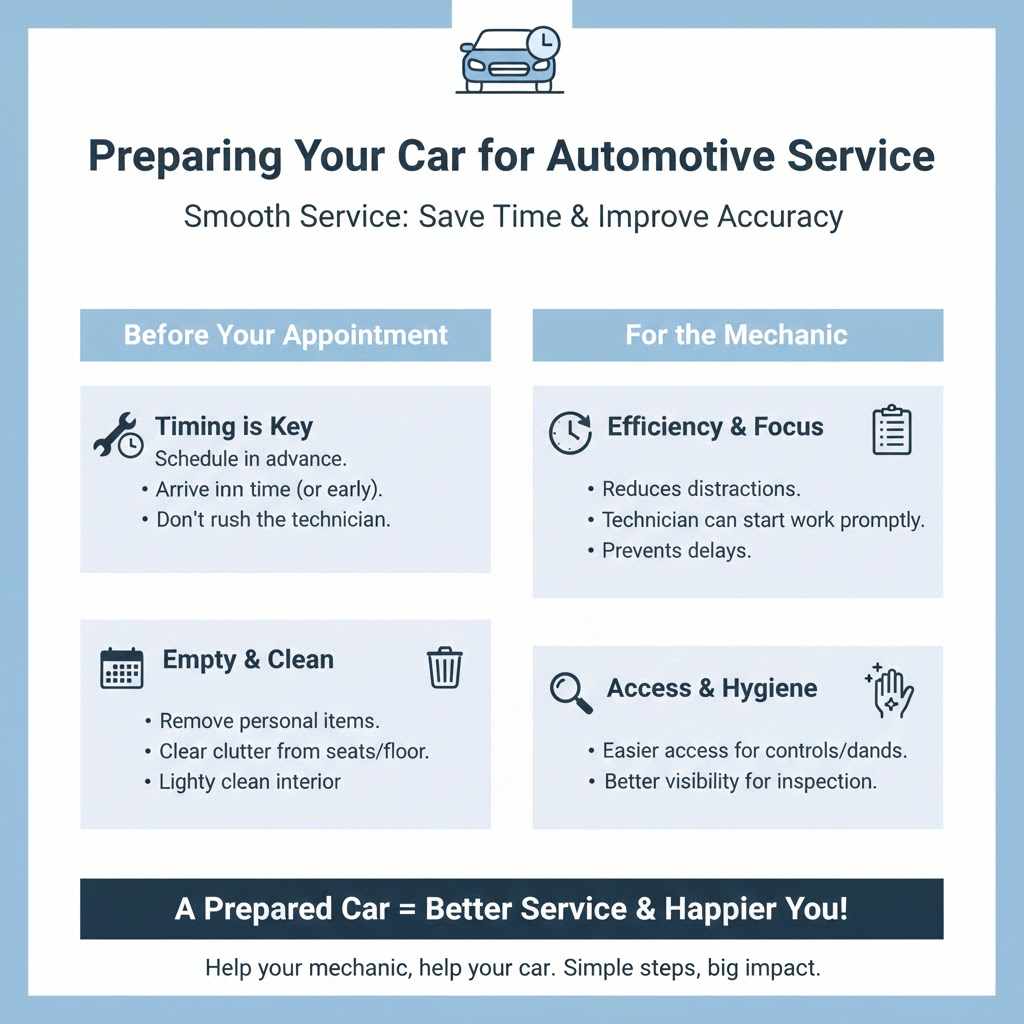
Preparing Your Car for Automotive Service
Getting your car ready for a service appointment might seem straightforward, but there are nuances that can affect the mechanic’s work and your car’s condition. Understanding these aspects ensures a smoother experience for both you and your auto technician. This section will explore the reasons behind specific preparation steps and how they contribute to efficient and effective car maintenance.
We will look at why timing is important and what benefits a well-prepared car brings to the service bay. This will help you feel more confident the next time you schedule a visit.
The Importance of Engine Temperature for Mechanics
Engine temperature plays a significant role in how mechanics diagnose and repair vehicles. Different issues can manifest differently when an engine is cold versus when it is at its normal operating temperature. For instance, some engine noises are more prominent when the engine is cold, while others only appear once the engine has warmed up.
Certain fluid leaks might be more apparent at operating temperatures due to increased pressure and viscosity changes. Mechanics often rely on these temperature-dependent symptoms to pinpoint problems accurately.
When you bring your car in, a mechanic will often want to test drive it to hear how it sounds and feels under various driving conditions. If the engine is too cold, they might not be able to replicate the conditions under which a problem occurs. This can lead to a delayed diagnosis or even a missed issue.
Conversely, if the engine is excessively hot, it can sometimes mask certain subtle problems. Finding the right balance is key for an accurate assessment.
Furthermore, some service procedures, like changing certain fluids or performing specific diagnostic tests, are recommended to be done at an optimal engine temperature. This ensures that the fluids are at the correct viscosity for draining or that the electronic components are operating within their expected temperature range. Understanding these technical requirements helps explain why a mechanic might ask you to drive your car for a bit before they start working on it.
How Long Should You Warm Up a Car Before Service? This question often arises because people want to ensure their car is in the best state for the mechanic to assess it. A car that has been sitting for a long time might present a different picture than one that has been driven recently. The goal is to provide the service technician with the most representative scenario of your car’s typical operation.
A common scenario is a customer bringing in their car for an odd noise. If the noise only happens after the car has been driven for 30 minutes, and the customer brings it in immediately after it’s been sitting overnight, the mechanic might not hear the noise. This leads to a frustrating situation where the customer feels unheard, and the mechanic cannot find the problem.
Providing a slightly warmed-up engine can help bridge this gap.
Understanding Engine Oil and Its Flow
Engine oil is the lifeblood of your car’s engine. It lubricates moving parts, reduces friction, cools the engine, and helps clean out contaminants. When an engine is cold, the oil is thicker and does not flow as easily.
This means it takes longer for the oil to reach all the critical components that need lubrication.
The first few moments after starting a cold engine are the most critical for wear. During this time, the oil is still working its way through the engine. If the engine is revved too high before the oil has circulated properly, increased wear can occur.
This is why modern cars often have engine management systems that limit engine speed when the engine is cold.
When an engine warms up, the oil becomes less viscous and flows more freely. This allows it to reach all parts of the engine more quickly and efficiently. Proper oil flow ensures that all components are adequately lubricated, reducing wear and tear and helping the engine run smoothly.
For mechanics, observing oil pressure and flow at different temperatures can also be part of their diagnostic process.
For a service appointment, ensuring the oil has circulated for a few minutes is beneficial. It allows the engine to reach a more stable operating temperature, making it easier for a mechanic to assess fluid levels and check for any potential leaks that might be more apparent when the engine is at a typical operating temperature.
How Oil Viscosity Changes With Temperature
Viscosity refers to a fluid’s resistance to flow. Think of honey versus water; honey is more viscous. Engine oil’s viscosity changes significantly with temperature.
When an engine is cold, the oil is thicker, meaning it has a higher viscosity.
As the engine heats up, the oil becomes thinner, lowering its viscosity. This change is crucial for engine operation. A thicker oil provides more protection during cold starts, acting as a cushion.
However, if it’s too thick, it can strain the engine’s oil pump and take longer to reach all the parts that need lubrication.
As the oil thins out, it flows more easily, providing quicker lubrication to all engine parts. This is why mechanics often check fluid levels and look for leaks when the engine is at its normal operating temperature. The way the oil flows and behaves at this temperature gives them a better understanding of the engine’s health.
Manufacturers specify oil grades (like 5W-30) that indicate how the oil performs at different temperatures. The “W” stands for “winter,” and the number before it indicates its performance in cold weather. The number after the “W” indicates its viscosity at operating temperature.
This balance is vital for optimal engine performance and longevity.
The Role of Oil Pressure
Oil pressure is the force with which the oil is pushed through the engine. It’s a critical indicator of the health of your engine’s lubrication system. A healthy oil pressure ensures that the oil is delivered to all necessary components promptly and with sufficient force.
When an engine is cold and the oil is thicker, the oil pressure might be slightly higher. As the engine warms up and the oil thins, the oil pressure will typically decrease slightly. This is normal and expected behavior.
However, a significant drop in pressure or pressure that remains too high can signal a problem.
Mechanics use oil pressure readings to diagnose various issues. For example, if the oil pressure is too low at operating temperature, it could indicate worn engine bearings, a faulty oil pump, or a blockage in the oil passages. If the pressure is consistently too high, it might point to a blocked oil filter or a problem with the oil pressure regulator.
When you bring your car in for service, the technician will often monitor oil pressure during the inspection. They might use a specialized gauge to get an accurate reading. Ensuring your car has been running for a bit before service helps them assess the oil pressure under typical operating conditions, providing a more reliable diagnostic picture.
What Mechanics Actually Need from a Warm-Up
When mechanics recommend warming up your car, they aren’t necessarily asking for a long, idling period. They have specific reasons tied to diagnostics and service procedures. The goal is to simulate normal operating conditions as much as possible to reveal any potential issues.
Most service professionals don’t require a full warm-up to optimal operating temperature. A few minutes of driving or idling is often sufficient to get the engine into a state where many common issues can be observed. This allows fluids to circulate and the engine to reach a temperature where noises, vibrations, or leaks might become apparent.
For simple services like an oil change, the exact engine temperature might be less critical, though slightly warm oil drains more easily. However, for diagnostic services, especially those involving drivability or unusual sounds, temperature is a major factor. A car that has been driven for 10-15 minutes before arriving at the shop will often provide more useful information to the mechanic than a car that has been sitting overnight.
The ideal scenario is to drive your car to the service center, as this naturally brings the engine to its operating temperature. If that’s not possible, a short drive around the block or idling for 5-10 minutes before heading out can make a significant difference for diagnostic purposes. This ensures that the engine is performing as it typically does during your daily commute.
Diagnostic Benefits of a Slightly Warm Engine
A slightly warm engine is often the sweet spot for many diagnostic tests. When an engine has been running for a short while, the oil has circulated, and the engine components have expanded slightly. This can make certain problems more noticeable.
For example, engine noises like ticking or knocking can be more apparent once the engine is warm. If you mention a specific noise to your mechanic, they will want to hear it themselves. If the engine is cold, the noise might be absent or sound different, making it harder to identify the source.
Similarly, some types of misfires or rough idling conditions might only occur when the engine reaches a certain operating temperature. A computer diagnostic scan might not reveal these intermittent issues if the engine isn’t behaving in the problematic way at the time of the scan. A short drive before service helps the mechanic experience the issue firsthand or allows the car’s computer to log relevant data.
Also, checking for exhaust leaks or other external issues is often easier when the engine is warm. You can sometimes see wisps of smoke from a small leak when the engine is hot, which might not be visible when it’s cold. This simple step can save the mechanic time and lead to a quicker, more accurate diagnosis.
Consider a scenario where your car makes a whining noise when you accelerate. If you bring it in immediately after it has been sitting, the noise might not be present. However, if you drive for 10 minutes first, the whine might appear.
The mechanic can then listen and potentially pinpoint the issue, which could be related to a power steering pump or alternator that is more active at operating temperatures.
Fluid Leak Detection
Detecting fluid leaks is a critical part of car maintenance and diagnosis. When a car is cold, fluids are denser and may not leak as readily. As the engine and other components heat up, fluids expand, and pressure increases, which can make existing leaks more apparent.
For instance, a small oil leak might only become visible as a drip when the engine is hot and the oil has been circulating under pressure. Similarly, coolant leaks can be more pronounced at higher temperatures. A mechanic will often look for tell-tale signs of fluid leaks, such as puddles under the car or stained components, especially after the engine has been running for a while.
Bringing your car to service after a short drive can help the mechanic spot these leaks more easily. They can inspect the engine bay and undercarriage for any signs of fluid loss that might not be visible on a completely cold engine. This proactive step ensures that minor leaks are addressed before they become major problems, potentially preventing more serious damage or costly repairs down the line.
A statistic from the U.S. Department of Transportation indicates that early detection of fluid leaks can prevent many major component failures. For example, a small coolant leak, if caught early, might only require a hose replacement.
If left unnoticed, it can lead to overheating, potentially damaging the engine, leading to thousands of dollars in repairs.
Imagine your car has a slight coolant leak. When it’s cold, the coolant level might appear normal. But after a 15-minute drive to the mechanic, the engine heats up, the coolant expands, and the leak becomes more noticeable, allowing the mechanic to see exactly where the problem is.
This makes the repair process much more efficient.
How Long Should You Actually Warm Up Your Car Before Service?
So, after all this, how long should you really warm up your car? The answer isn’t a strict time but rather a guideline that prioritizes providing useful information to your mechanic. For most common services and diagnostic needs, a short period is usually enough.
The general recommendation is to drive your car for about 10-15 minutes before arriving at the service center. This allows the engine to reach a temperature where many components are functioning as they normally would during daily use. If driving isn’t feasible, idling the car for about 5-10 minutes can also help circulate fluids and bring the engine temperature up slightly.
For routine services like oil changes, the exact timing is less critical. However, slightly warm oil drains more easily and quickly, which can save the technician a bit of time. For diagnostic checks, especially if you’re reporting specific noises, vibrations, or performance issues, driving the car first is highly recommended.
This increases the chances of the mechanic being able to experience the problem themselves.
It’s important to avoid excessive idling, as it can waste fuel and contribute to emissions. Modern engines are designed to operate efficiently once they reach their normal working temperatures, and prolonged idling isn’t always necessary or beneficial. The key is to achieve a state where the car is running under typical conditions for the mechanic.
Driving to the Service Center
The simplest and most effective way to ensure your car is ready for service is to drive it there. This naturally brings the engine, transmission, and other systems up to their normal operating temperatures. As you drive, the oil circulates, the coolant reaches its optimal temperature, and various sensors provide real-time data to the car’s computer.
During the drive, pay attention to how your car is performing. Are there any unusual sounds? Does it feel different?
Any subtle changes you notice can be valuable information to pass along to your mechanic. This driving period allows the mechanic to gather information not just from the static state of the car but also from its dynamic performance.
If you’re bringing your car in for a specific issue, such as a strange noise or a loss of power, driving it to the shop allows the mechanic to potentially experience the problem themselves. This is often the most direct way to diagnose and fix the issue. If you can replicate the conditions under which the problem occurs (e.g., while accelerating, braking, or turning), be sure to mention this to the technician.
A statistic from a leading automotive repair association suggests that vehicles driven to the shop for diagnosis are resolved faster than those towed in, partly because the mechanic can observe the vehicle in operation. This underscores the value of the drive-in approach for accurate and timely service. It bridges the gap between your experience and the mechanic’s assessment.
Consider this scenario: You’ve been hearing a faint rattling sound only when you go over bumps. If you just start your car and leave it idling, the mechanic won’t hear it. But if you drive it for 10 minutes on various roads to get to the shop, they might hear it during their initial inspection or a short test drive, leading to a quicker fix.
Idling vs. Driving for Warm-Up
While driving your car to the service center is ideal, sometimes that’s not possible. In such cases, idling the engine is a common alternative. However, there’s a difference in how effectively each method warms up the car.
Driving generates more heat in the engine and other components than idling. When you drive, the engine works harder, friction levels are higher, and the transmission is engaged, all of which contribute to faster and more even heating. This also circulates fluids more vigorously, ensuring all parts are reached.
Idling, on the other hand, generates less heat. The engine is running at a lower RPM, and there’s less load. This means it takes significantly longer for the engine to reach its optimal operating temperature through idling alone.
While idling for 5-10 minutes can circulate the oil and slightly warm the engine, it might not be sufficient for all diagnostic purposes.
For instance, issues that arise only under load or at higher speeds are unlikely to be evident during idling. A mechanic might still need to take the car for a test drive after it has been idling. Therefore, if you have the option, driving for a short period before the appointment is generally more beneficial than just idling.
However, if you can only idle, it’s still better than bringing a completely cold car. It shows you’re making an effort to prepare the vehicle. Just be aware that the mechanic might need a bit more time to diagnose issues that only appear at operating temperatures.
Here’s a comparison of the two methods:
| Method | Pros | Cons | Best For |
|---|---|---|---|
| Driving to Service | Reaches optimal operating temperature quickly; allows for real-time performance checks; helps mechanic experience issues firsthand. | Requires driver to get to the service center. | All types of service, especially diagnostics and drivability issues. |
| Idling Before Service | Circulates oil; slightly warms engine; can be done while waiting at home before leaving. | Takes longer to reach optimal temperature; may not reveal issues that occur under load or at speed; wastes fuel. | Simple services like oil changes where exact temperature isn’t critical. |
The Concept of “Fully Warm”
When mechanics talk about a “fully warm” or “operating temperature” engine, they generally mean the point at which the engine’s cooling system has stabilized. This is typically indicated by the temperature gauge on your dashboard sitting in the middle of its range.
At this temperature, the engine’s computer has adjusted fuel mixture and ignition timing for optimal performance and emissions. The oil has reached its ideal viscosity for lubrication and cooling. Transmission fluid is also at its optimal temperature for efficient operation.
This is the state where the engine is designed to run most efficiently and reliably.
For diagnostic purposes, reaching this point is often beneficial. It allows mechanics to assess how the car performs under these stable conditions. For example, if your car is having issues with overheating, the mechanic needs to see how the cooling system performs once it’s fully warmed up and working hard to regulate temperature.
However, it’s important to note that you don’t typically need to let your car idle until it’s fully warm before service. As mentioned, a short drive is usually sufficient to get it close. The goal is to provide a representative operating state, not necessarily to have it sit and idle for an extended period to reach that perfect “fully warm” point, which can take a significant amount of time.
Modern Car Designs and Warm-Up Needs
Modern cars are designed differently than older models, and their warm-up needs have evolved. Today’s engines are more sophisticated and efficient, with advanced engine management systems.
Older vehicles often required longer warm-up periods to prevent engine damage and ensure smooth running. Their carbureted fuel systems were particularly sensitive to temperature changes. Modern fuel-injected engines, however, are much more adept at adjusting fuel delivery for varying temperatures.
Many modern cars also feature active grille shutters that open and close to optimize aerodynamics and engine cooling. They have sophisticated oil viscosity sensors and engine control units (ECUs) that actively manage engine performance based on temperature and driving conditions. This means that the need for a prolonged, stationary warm-up is significantly reduced.
In fact, for many modern vehicles, excessive idling is discouraged. It can lead to incomplete combustion, which can cause deposits to build up in the engine and exhaust system, potentially leading to more problems over time. It also wastes fuel and increases emissions.
Therefore, the advice for modern cars leans towards driving gently for the first few minutes rather than prolonged idling. This allows the engine to warm up under load, which is generally more efficient and better for the engine’s long-term health.
Why Excessive Idling Is Discouraged
Excessive idling, especially for extended periods, can actually be detrimental to your car. While a brief period might be acceptable, letting your car run for 10, 20, or more minutes while stationary is generally not recommended by automotive experts.
One of the main reasons is incomplete combustion. When an engine is cold, especially if it’s idling for a long time, the fuel may not burn completely. This can lead to the formation of carbon deposits on internal engine components, such as piston rings and valves, as well as in the exhaust system.
These deposits can reduce engine efficiency and performance over time.
Idling also wastes fuel. You’re burning gasoline without going anywhere, which is inefficient and costly. It also contributes to air pollution.
Modern engines are designed to run most efficiently once they reach their operating temperature, and idling keeps them in a less efficient state for longer.
Furthermore, prolonged idling can lead to the engine oil not reaching its optimal operating temperature. This means the oil might not provide the best lubrication and cooling, potentially increasing wear on engine parts over the long term, especially if the idling is frequent and lengthy.
The Environmental Protection Agency (EPA) estimates that fuel economy can drop by as much as 10-20% for vehicles that spend a lot of time idling. This highlights the financial and environmental impact of unnecessary idling.
Consider a scenario where you’re waiting for someone. If you let your car idle for 15 minutes, you’ve used fuel without making progress. If you instead turned the car off and restarted it when they are ready, you would save fuel and avoid contributing to potential internal engine deposit buildup.
Engine Management Systems and Cold Starts
Modern cars are equipped with sophisticated Engine Management Systems (EMS) that are highly adept at handling cold starts. These systems use a network of sensors to monitor various engine parameters, including temperature, air intake, and oxygen levels.
When you start a cold engine, the EMS immediately adjusts the air-fuel mixture to provide more fuel. This is because cold fuel doesn’t vaporize as easily, and a richer mixture is needed for smooth combustion. As the engine warms up, the EMS gradually reduces the amount of fuel, leaning out the mixture for optimal efficiency and emissions control.
The EMS also controls ignition timing, adjusting it based on engine temperature and load. This ensures that the spark plug fires at the precise moment for maximum power and efficiency, even during cold starts. Many cars also have features like idle air control valves that manage the engine speed during idling, ensuring it’s stable regardless of temperature.
These systems mean that you generally don’t need to “nurse” a modern car through its warm-up period. The car’s computer is doing the work for you, ensuring the engine runs as smoothly and efficiently as possible under all conditions. This is a significant difference from older vehicles where driver intervention was more crucial during cold starts.
A study on modern engine control systems found that they can reduce fuel consumption during cold starts by up to 15% compared to older, non-computerized systems. This highlights how much technology has advanced in managing engine performance from the moment of ignition.
When to Seek Professional Advice
While this guide provides general advice, there are situations where seeking professional guidance is the best course of action. If you’re unsure about your car’s specific needs or if you’re experiencing unusual symptoms, it’s always wise to consult a qualified mechanic.
Your car’s owner’s manual is an excellent resource for specific recommendations regarding warm-up procedures and maintenance for your particular make and model. Manufacturers often provide detailed information based on their vehicle’s design and engineering.
If your car is making strange noises, exhibiting odd behavior, or if you suspect a problem, it’s best to describe these symptoms in detail to your mechanic. They can then advise you on the best way to bring the car in to ensure they can diagnose the issue effectively. For example, if a noise only occurs after a long drive, they will want you to drive it to the shop.
Ultimately, the goal is to work with your mechanic to keep your car running smoothly and safely. Don’t hesitate to ask questions if you’re unsure about any aspect of your car’s care or maintenance. A good mechanic will be happy to explain things and provide clear guidance.
Consulting Your Owner’s Manual
Your car’s owner’s manual is the definitive guide for its care and operation. It contains specific information tailored to your vehicle’s make, model, and year. This includes recommendations on maintenance schedules, fluid types, and sometimes, even specific advice on cold starts or warm-up procedures.
While this article offers general insights, your owner’s manual provides manufacturer-approved guidance. It might detail whether your specific vehicle benefits from a short warm-up, or if it recommends immediate gentle driving. It can also advise on the best engine oil type and viscosity for your car, which impacts how it performs in different temperatures.
If you’re unsure about any aspect of your car’s operation, or if you’re experiencing a new symptom, consulting your owner’s manual is the first step. It can often clarify common questions and provide the necessary context for understanding your car’s behavior.
For example, some high-performance vehicles might have unique warm-up recommendations due to their specialized engines. Your manual will address these specific requirements, ensuring you care for your car according to the manufacturer’s standards. It’s a valuable, often overlooked, resource for every car owner.
When to Call a Professional
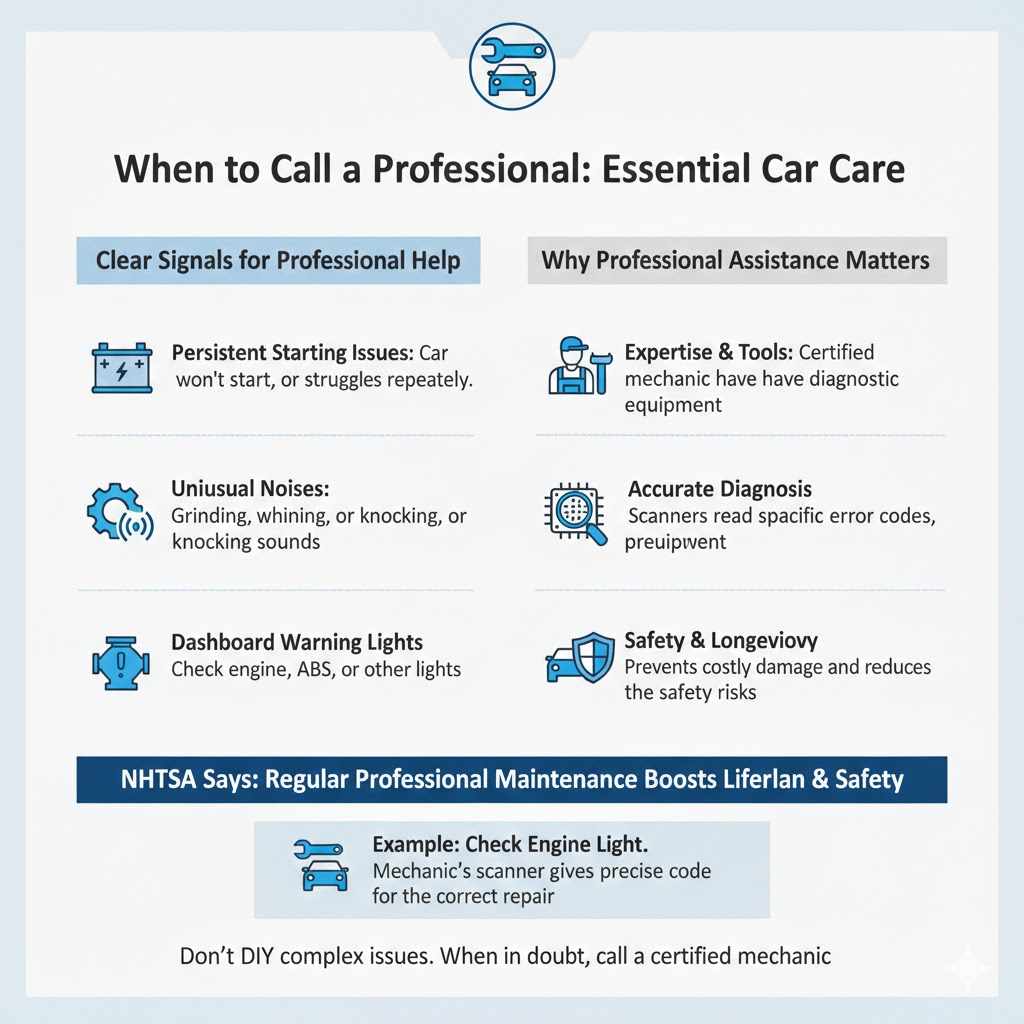
There are times when relying on general advice isn’t enough, and professional help is needed. If you’re experiencing persistent or concerning issues with your vehicle, it’s always best to consult a certified mechanic.
For instance, if your car is consistently failing to start, making unusual noises that don’t go away, or showing warning lights on the dashboard, these are clear signals that professional attention is required. Don’t try to diagnose or fix complex problems yourself unless you have the necessary expertise and tools.
Mechanics have the training, diagnostic equipment, and experience to accurately identify and repair a wide range of automotive issues. They can perform tests that are beyond the capabilities of the average car owner. If you are unsure about the severity of a problem or how to approach a repair, it is always safer and more effective to seek professional assistance.
A statistic from the National Highway Traffic Safety Administration (NHTSA) shows that regular professional maintenance and prompt attention to issues can significantly extend a vehicle’s lifespan and improve its safety. Ignoring warning signs or attempting DIY repairs on complex systems can lead to more costly damage and safety risks.
Imagine your car’s check engine light comes on. While you might find many online explanations, a mechanic has a scanner that can read specific error codes, providing a much more precise diagnosis. This avoids guesswork and ensures the correct repair is made, saving you time and money in the long run.
Frequently Asked Questions
Question: Do I need to warm up my car for an oil change?
Answer: While not strictly necessary for an oil change, warming up your car for about 5-10 minutes or driving it briefly can help the old oil drain more easily and quickly. This is because warm oil is less viscous and flows better.
Question: How long should I let my car idle before driving in cold weather?
Answer: For modern cars, it’s generally recommended to idle for only about 30 seconds to a minute. Then, drive gently for the first 5-10 minutes, avoiding hard acceleration or high speeds until the engine reaches its normal operating temperature.
Question: Will warming up my car save fuel?
Answer: No, excessive idling to warm up a car actually wastes fuel. Modern engines are designed to warm up more efficiently while driving gently. It’s best to drive the car to warm it up.
Question: What if my car makes a noise only when it’s fully warmed up?
Answer: If you’re taking your car in for service because of a noise that only happens when it’s fully warmed up, you should drive your car to the service center. This will help the mechanic experience the noise firsthand and make diagnosing it much easier.
Question: Is it bad to start a cold car and immediately drive it hard?
Answer: Yes, it’s generally not recommended. Starting a cold engine and immediately driving it hard can cause increased wear on engine components because the oil hasn’t fully circulated to lubricate everything yet. Drive gently for the first few minutes until the engine warms up.
Conclusion
For most car services, driving your car for about 10 to 15 minutes before arrival is ideal. This gets the engine to a good operating temperature for diagnosis and ensures fluids circulate properly. If driving isn’t an option, a short 5-10 minute idle is a reasonable alternative.
Modern cars don’t need prolonged warm-ups; gentle driving is key.