How Long to Wait to Put Coolant in Car (Quick Safety Answer)
Quick Answer
Wait at least 30 minutes after shutting off the engine before adding coolant, and never rely on the clock alone. Squeeze the upper radiator hose with a gloved hand first — if it is still hot and rigid, wait longer. After a long highway drive in hot weather, give the system 1 to 2 hours (or more) before opening any cap, since pressurized coolant can reach roughly 260°F and cause serious burns.
If your temperature gauge just settled down or you spotted a low-coolant warning light, you want a fast, reliable answer — not a 20-minute read. This page gives you that quick answer plus the one physical check that actually tells you it is safe, rather than just guessing off a clock. For the complete walkthrough of filling, bleeding air, and choosing the right coolant type, see our full guide on how long to let a car cool before adding coolant.
The 30-Minute Rule (And Why the Clock Alone Is Not Enough)
Thirty minutes is the generally accepted minimum after you shut off the engine, and it is enough on a mild day after a short drive. But coolant in a running engine is pressurized and can heat up well past the 212°F boiling point of plain water — often close to 260°F under that pressure. A long highway run, towing, or a hot summer afternoon all mean the system holds heat much longer, so the safe wait can stretch to 1-2 hours or more before it is truly safe to open anything.
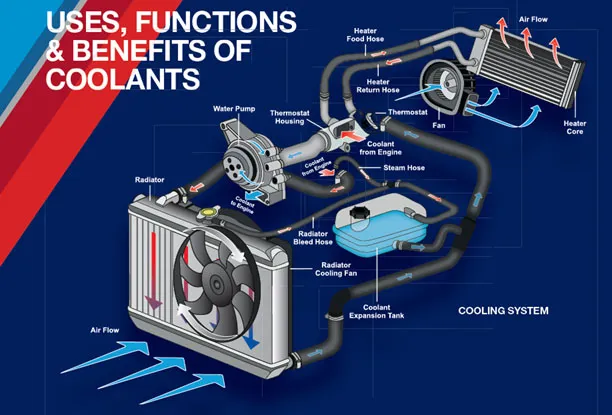
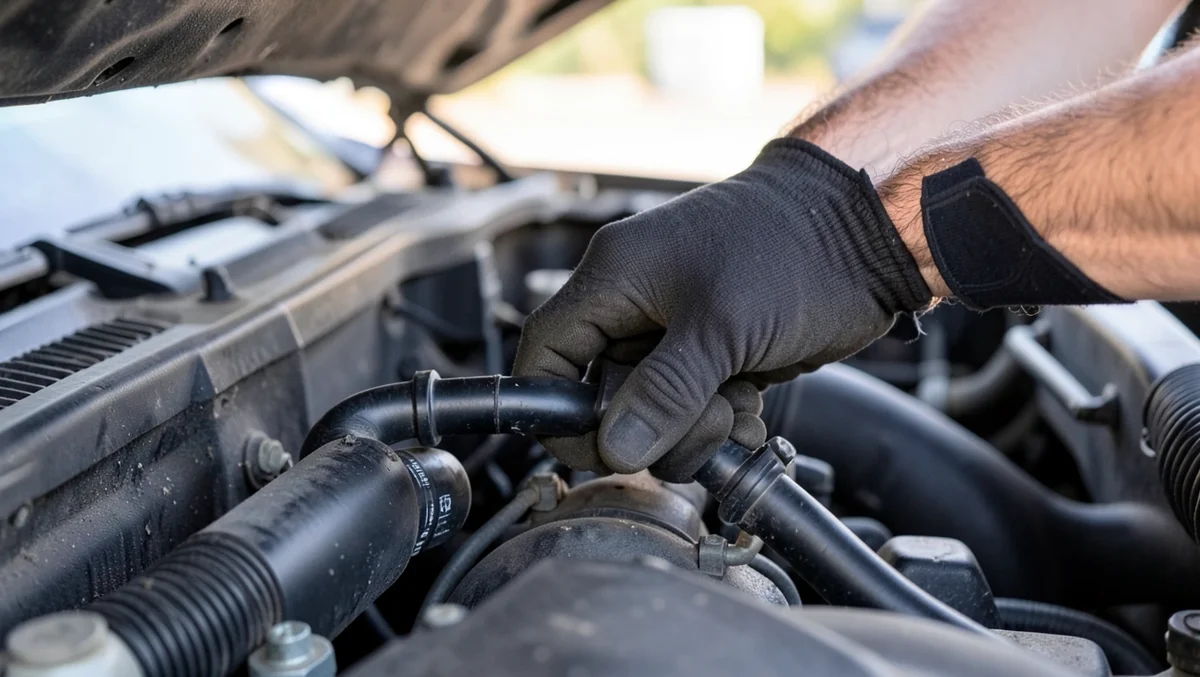
That is why mechanics do not just watch a clock. The most reliable test is a physical one: with a glove on, gently squeeze the large upper radiator hose that runs from the engine to the radiator. If it feels hot, rigid, or under pressure, the system is not ready yet. Once it feels cool and gives easily under light pressure, you can move on to the cap itself — turning it slowly and listening for any hissing before removing it fully. If you hear hissing, stop immediately and wait longer.
Verify Instead Of Guess
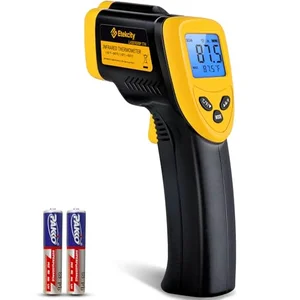 |
Etekcity Infrared Thermometer Laser Temperature Gun 774 – $18.99 Point it at the radiator cap or upper hose from a safe distance to get an actual surface temperature reading instead of guessing with your hand.
|
Signs You Need to Add Coolant
A dashboard warning light that says “Check Coolant” or shows a thermometer icon means the reservoir is running low — treat it as a prompt to check the level once the engine is cool, not an emergency to act on immediately while it is hot. A temperature gauge that keeps climbing or bouncing around, rather than settling into its normal range, is the other main warning sign. If your gauge is reading high or you already suspect the engine is running hotter than it should, get off the road and let it cool before you do anything else.
While you wait, take a look at the reservoir through its translucent plastic if your car has one. Coolant that looks cloudy, rusty-brown, or has visible debris floating in it is a sign the coolant itself is old and due for a full flush rather than just a top-off.
Quick Safety Checklist Before You Add Coolant
Once the hose-squeeze test confirms the system is cool, run through this short checklist before you open anything:
- Wear gloves and safety glasses — coolant is toxic and can irritate skin and eyes on contact.
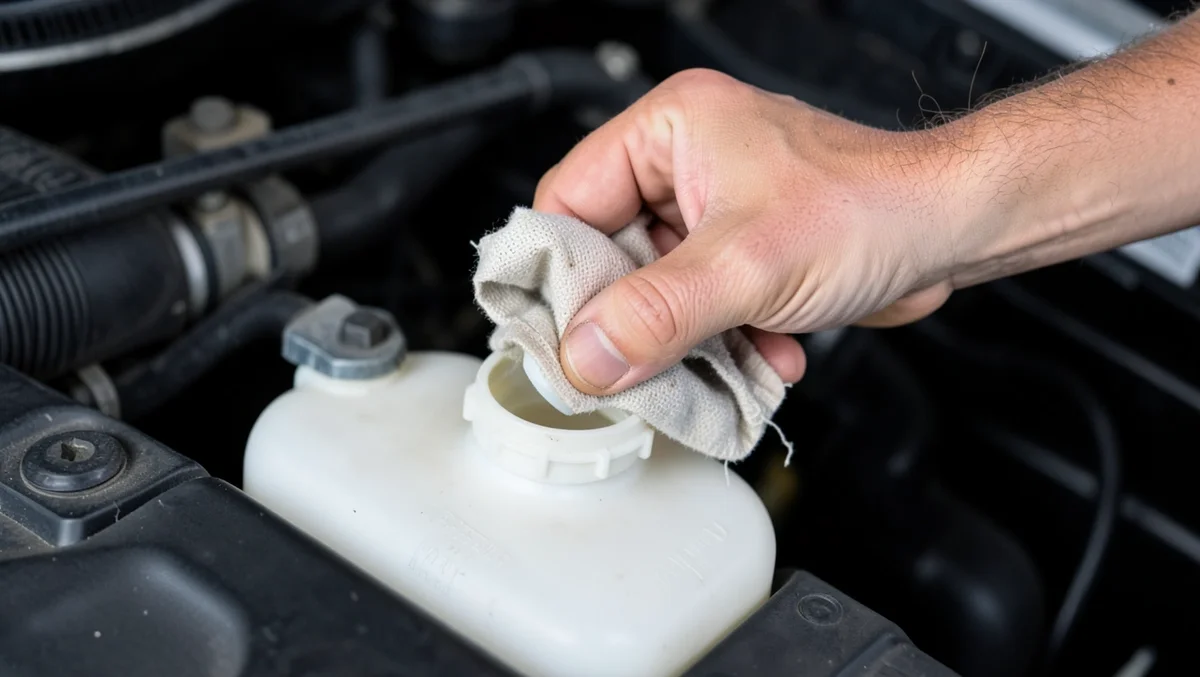
- Cover the cap with a cloth and turn it slowly, pausing at the first resistance to listen for hissing.
- Use the exact coolant type listed in your owner’s manual; mixing types can gel and clog the system.
- If mixing concentrate yourself, use a 50/50 blend with distilled water, never tap water.
- Fill to the “MAX” line only — overfilling can push coolant out once the engine warms back up.
Need the Full Step-by-Step Process?
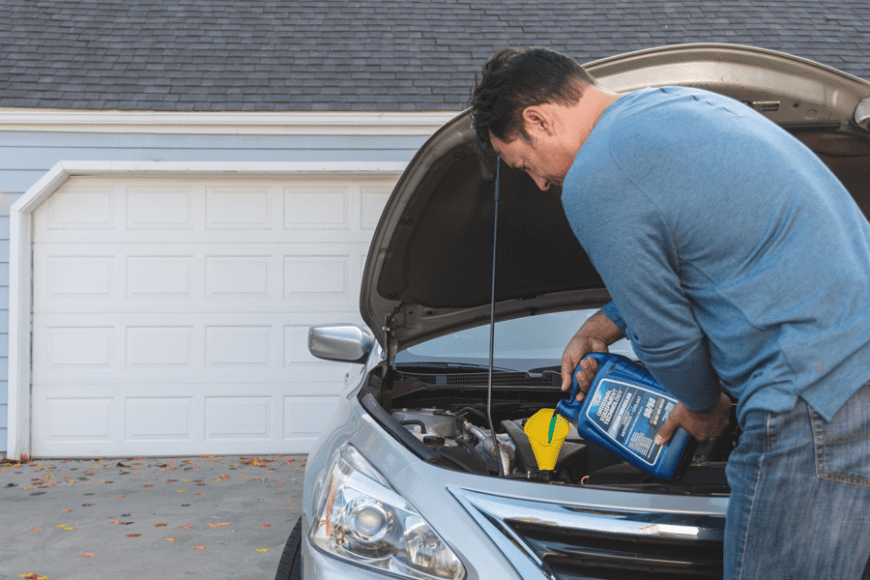
This page is meant to answer the timing question fast. If you also need the complete walkthrough — picking the right coolant type, mixing ratios, bleeding trapped air out of the system, and knowing when persistent low coolant means a bigger problem — our full guide on letting a car cool before adding coolant covers each of those steps in detail. For the mechanics of actually pouring the coolant in once the system is cool, see our step-by-step coolant filling guide.
Frequently Asked Questions
How Long Should I Wait Before Adding Coolant to My Car?
Wait at least 30 minutes after shutting off the engine, and longer, up to 1-2 hours, if you were driving on the highway or in hot weather. Do not rely on the clock alone; squeeze the upper radiator hose with a gloved hand to confirm it feels cool before opening any cap.
Can I Add Coolant to My Car When It Is Still Warm?
No. A warm or hot cooling system is still pressurized, and opening the cap can spray scalding coolant and steam. Pouring cold coolant into a hot engine can also crack the engine block from thermal shock. Wait until the system is fully cool to the touch.
How Can I Tell if the Engine Is Cool Enough Without Waiting an Exact Time?
Squeeze the large upper radiator hose with a gloved hand. If it feels hot, hard, or bulging, the system is still under pressure and needs more time. Once it feels cool and gives easily, turn the cap slowly and listen for hissing before removing it. An infrared thermometer aimed at the cap or hose gives you an exact reading if you want to skip the guesswork entirely.
What Happens if You Add Coolant Too Soon?
Opening a hot cooling system can release pressurized coolant and steam hot enough to cause severe burns. Pouring in cold coolant while the engine block is still hot can also cause thermal shock, which cracks metal components and turns a simple top-off into an expensive repair.
Conclusion
Thirty minutes is the floor, not the finish line — the hose-squeeze test is what actually tells you it is safe, especially after a long or hot drive. Take that extra step, check your coolant level regularly, and you will avoid both the burn risk and the far more expensive damage that comes from rushing a hot cooling system.
Products related to this article
Sponsored / affiliate links. As an Amazon Associate I earn from qualifying purchases. I may earn additional commission from eligible campaigns.