How Many Car Lengths is 200 Feet: Easy Distance Explained
Have you ever wondered how far 200 feet really is when you think about it on the road? It’s easy to get lost in numbers, but what if you could picture that distance in car lengths?
Understanding this can help you judge safe stopping distances, improve your driving skills, and even keep you safer behind the wheel. You’ll discover exactly how many car lengths make up 200 feet—and why that simple comparison matters for your everyday driving.
Keep reading to see how this quick mental trick can change the way you think about distance on the road.
Car Length Basics
Understanding car length is important for many reasons. It helps with safe driving, parking, and estimating distances. Knowing how many car lengths make up 200 feet can be useful on the road.
Car length varies, so it is good to learn the basics. This section explains average car length and what affects car size.
Average Car Length
The average car length is about 15 feet. This length fits most sedans and small SUVs. Some cars are shorter, while others are longer. Compact cars may be around 12 feet. Large SUVs and trucks can reach 20 feet or more.
Factors Influencing Car Size
Car size depends on the model and type. Sports cars are usually smaller and sleeker. Family cars tend to be longer for more space. Trucks and SUVs are big to carry heavy loads.
Design trends also affect car length. Newer models may be longer or shorter than older ones. Safety features and technology can add to a car’s size.
Converting Feet To Car Lengths
Converting feet to car lengths helps us understand distances better. People often measure road space or parking by how many cars fit in a spot. Knowing how many car lengths equal 200 feet makes this easier. Car lengths give a clear, visual way to see long distances.
Simple Math Calculation
First, find the average car length. Most cars are about 15 feet long. To find how many car lengths fit into 200 feet, divide 200 by 15. The math looks like this:
This means 200 feet equals about 13 and a third car lengths. This simple division makes it easy to convert feet to car lengths.
Examples With Different Car Sizes
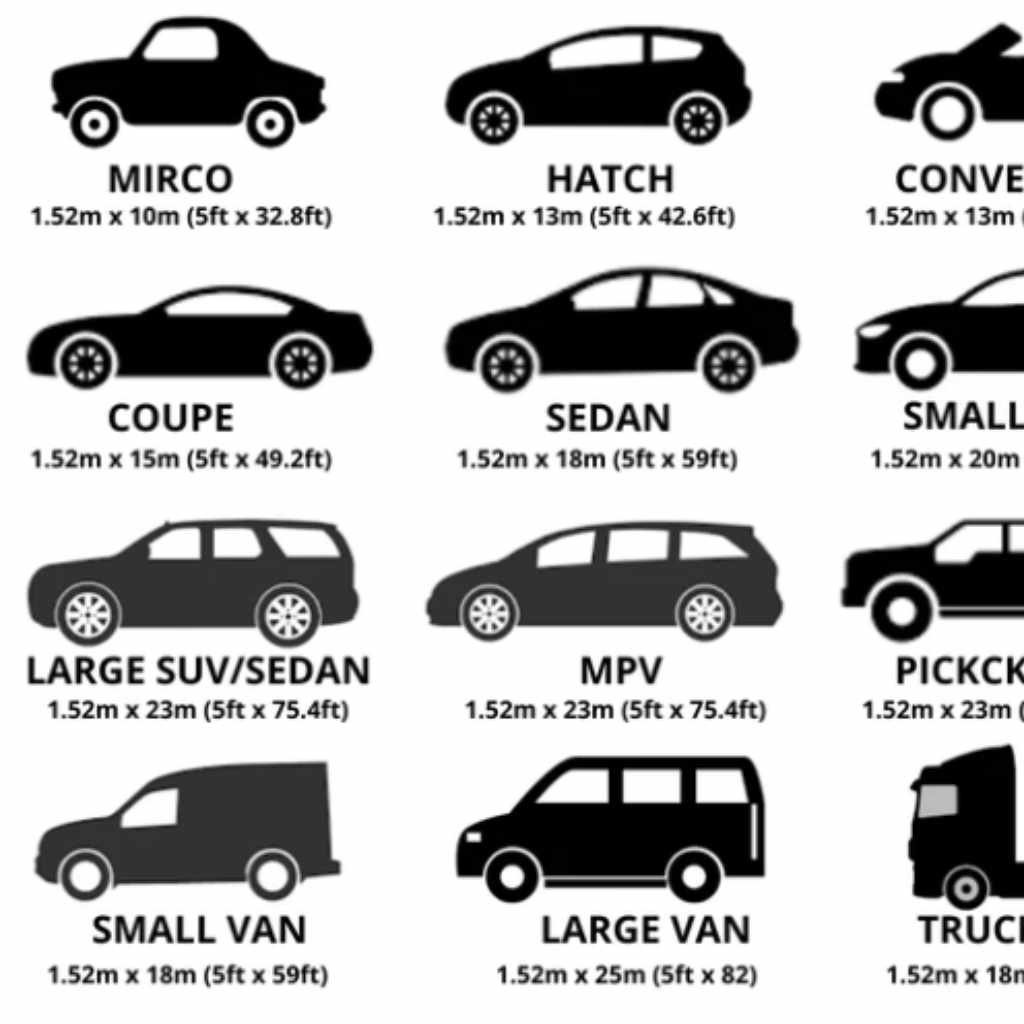
Not all cars are the same size. Small cars might be 12 feet long. Large cars or SUVs can be 18 feet long or more.
For a small car (12 feet): 200 ÷ 12 = 16.67 car lengths.
For a large car (18 feet): 200 ÷ 18 = 11.11 car lengths.
These examples show how car length changes the total count. Always check the car size for the most accurate estimate.
Practical Use Of Car Lengths
Using car lengths is a simple way to understand distances on the road. It helps drivers judge space quickly without needing exact numbers. This practical method makes driving safer and easier.
Safe Following Distances
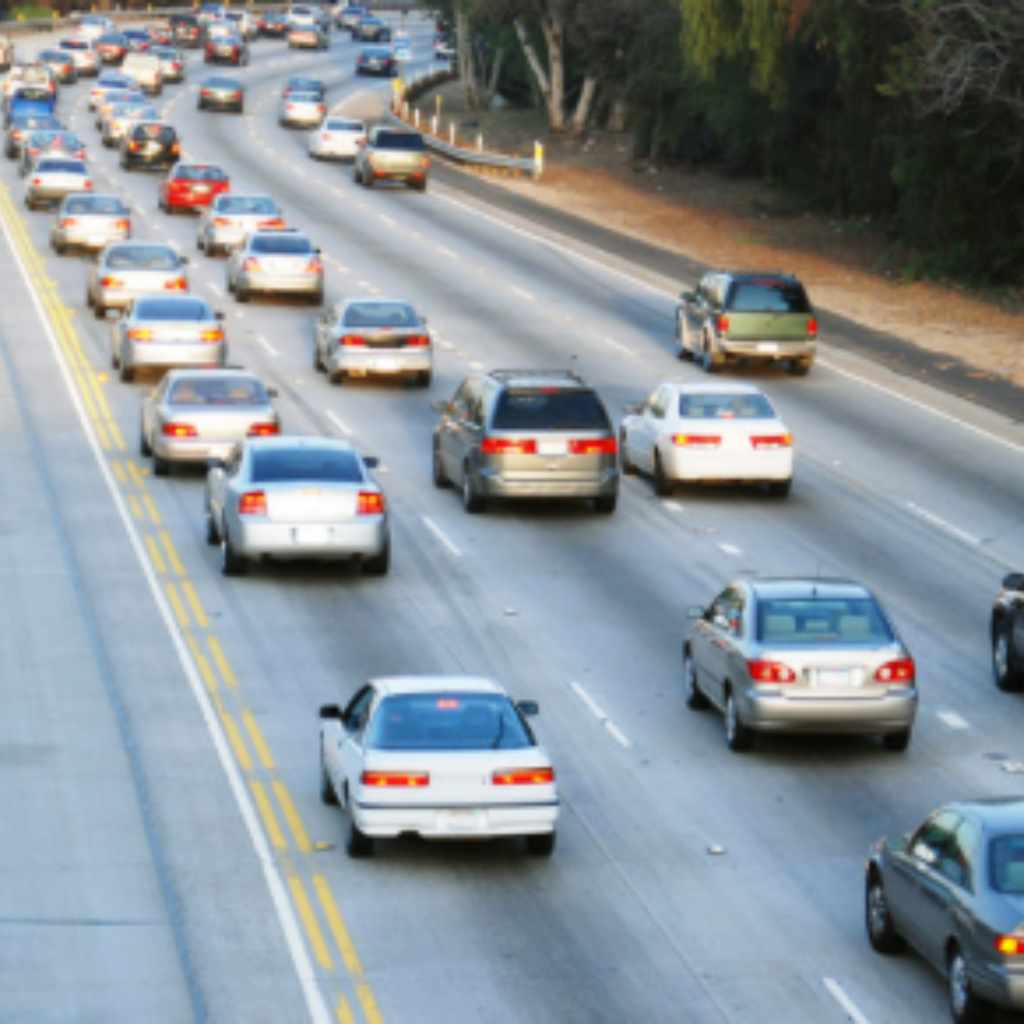
Drivers use car lengths to keep a safe gap behind other vehicles. A good rule is to stay at least two car lengths behind in slow traffic. At higher speeds, more lengths are needed to stop safely. Knowing that 200 feet equals about 6 to 7 car lengths helps keep this distance clear. This method prevents accidents and gives time to react.
Parking Space Estimates
Car lengths help drivers estimate parking space size. For example, a space about 200 feet long fits many cars parked end to end. This way, drivers can guess if a spot is large enough without measuring. It also helps when planning parking layouts in lots or garages. Using car lengths makes parking easier and more organized.
Visualizing 200 Feet
Visualizing 200 feet can be tricky without a clear reference. This distance is long but still hard to imagine precisely. Using common objects or places helps make sense of it. Let’s explore some easy ways to picture 200 feet in real life.
Everyday Comparisons
A typical car length is about 15 feet. So, 200 feet equals roughly 13 car lengths. Imagine 13 cars lined up bumper to bumper. That’s the space you cover in 200 feet.
A basketball court is about 94 feet long. Two basketball courts placed end to end almost reach 200 feet. Think of running twice across a basketball court. This gives a good sense of the distance.
Using Landmarks
Streetlights on city roads often stand about 100 feet apart. Walking past two streetlights covers near 200 feet. This helps if you see streetlights close by.
A standard football field is 300 feet long, including end zones. So, 200 feet is about two-thirds of a football field. Visualizing this helps understand the length better.
Limitations Of Car Length Measurement
Measuring distance in car lengths seems simple at first. Yet, it has many limits that can confuse people. Using car lengths to measure 200 feet is not always exact. Several factors affect how accurate this method is.
Variations In Vehicle Sizes
Cars come in many shapes and sizes. A small compact car is much shorter than a large SUV or truck. This means the number of car lengths in 200 feet changes with the vehicle type. Using one average car length can lead to errors. It does not show the real distance well.
Situational Factors
Road and traffic conditions change distance perception. Cars may be parked closer or farther apart. Drivers may leave extra space for safety. Weather and visibility can also affect how people judge distance. These factors make measuring with car lengths less reliable.
Frequently Asked Questions
How Many Car Lengths Equal 200 Feet?
200 feet is approximately 20 car lengths. The average car length is about 10 feet. This measurement helps estimate distances in driving and safety.
Why Use Car Lengths To Measure Distance?
Car lengths provide a relatable visual for distance. It’s easier to estimate space on the road. This method improves driver awareness and safety.
How Accurate Is Using Car Lengths For Distance?
Using car lengths is a rough estimate. Actual car sizes vary from 10 to 15 feet. It’s best for quick, approximate distance judgments.
How Does 200 Feet Compare To Stopping Distance?
At moderate speed, 200 feet is often enough to stop safely. Reaction time and road conditions affect stopping distance. Knowing this helps prevent accidents.
Conclusion
Knowing that 200 feet equals about 13 to 14 car lengths helps with distance judgment. This simple measure makes it easier to understand space on the road. It also improves safety by giving drivers a clear idea of stopping distance.
Remember, car sizes vary, so use this as a rough guide. Keeping a good distance keeps everyone safer. Use this knowledge next time you drive or teach someone else. Simple and useful.