How Many Gears Does a Nascar Have: Revealing the Racing Secrets
Have you ever wondered how many gears a NASCAR car actually has? If you’re curious about what powers these high-speed machines, you’re in the right place.
Understanding the gear setup can change the way you see the sport and even improve your knowledge of racing mechanics. Keep reading, and you’ll discover surprising facts that most fans don’t know—facts that might just make your next race even more exciting to watch.
Ready to dive in? Let’s find out exactly how many gears a NASCAR uses and why it matters to you.
Nascar Gear Basics
Nascar gear basics are key to understanding how these race cars perform. Gears control speed and power. They help drivers change speeds quickly on the track.
Every Nascar car has a specific gear setup designed for racing. This setup affects acceleration and top speed. The gear system must be strong and reliable for the fast, tough race conditions.
Standard Gear Setup
Nascar cars usually have a four-speed manual gearbox. Each gear has a fixed ratio. Drivers shift gears using a lever. This setup offers control over speed and engine power. The first gear is for starting fast. The higher gears help reach top speeds on straight tracks.
Manual Vs Automatic Transmissions
Nascar races use manual transmissions only. Automatic transmissions are not allowed. Manual gears give drivers full control over the car. Drivers choose the exact moment to shift gears. This control is important for quick reactions on the track. Automatic transmissions do not offer this level of control. Manual gearboxes also tend to be lighter and simpler, which suits racing needs better.
Typical Number Of Gears In Nascar
Nascar race cars have a unique setup for their gears. Unlike regular cars that have many gears, Nascar vehicles use fewer gears. This design helps drivers maintain high speeds and control on the track. Knowing the typical number of gears in Nascar cars reveals much about their performance and engineering.
Common Gear Ratios
Nascar cars usually have 4-speed manual transmissions. The gear ratios are set to balance speed and power. Lower gears help with quick acceleration out of turns. Higher gears allow the car to reach top speed on straightaways. Each gear ratio is carefully chosen for smooth shifting and efficiency. This setup helps drivers handle different parts of the race track well.
Why Limited Gears Matter
Fewer gears mean less shifting during races. This reduces the chance of driver mistakes. It also lowers the risk of mechanical problems in the transmission. With limited gears, drivers focus more on racing tactics and less on gear changes. The simplicity ensures the car stays reliable and fast throughout the race.
Gear Selection Strategy
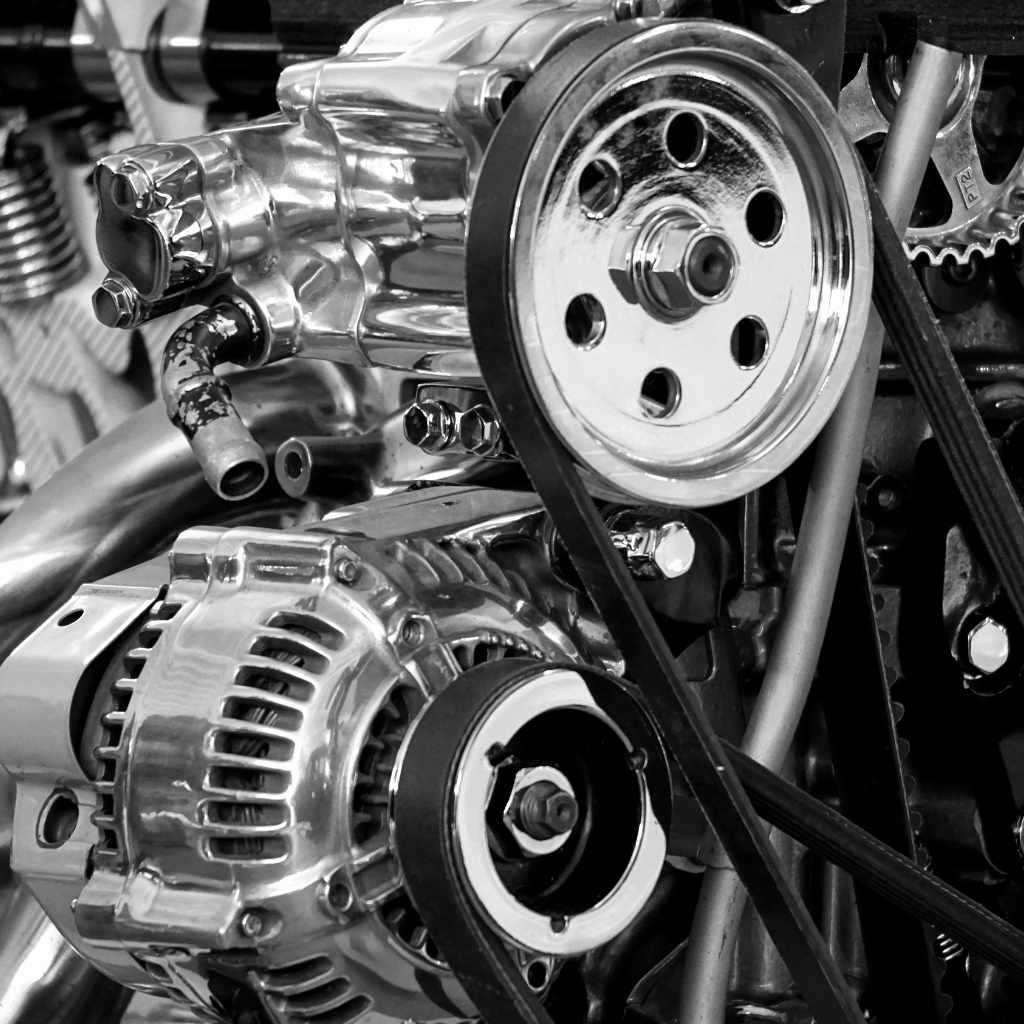
Choosing the right gear in NASCAR is a key part of racing strategy. Drivers and teams work hard to find the best gear setup. This affects the car’s speed, control, and performance on the track. Gear selection is not just about fast shifts. It involves careful planning and adjustment during the race weekend.
Optimizing For Speed
Speed depends on the gear ratio. A lower gear ratio helps with quick acceleration. Higher gears allow the car to reach top speed faster. Teams pick gear ratios based on track length and shape. Short tracks need more low-end power. Long tracks require higher gear ratios for top speed. Proper gear setup helps the car stay fast and stable.
Adapting To Track Conditions
Track surface and weather change the gear needs. Hot tracks can make tires slippery. This needs a gear setup that offers smooth power delivery. Wet or cool conditions may require different gear ratios. Teams adjust gears during practice to fit track grip. This helps drivers maintain control and avoid wheel spin. Changing gears to fit conditions is vital for race success.
Comparing Nascar To Other Racing Series
Nascar cars use a simple gear system compared to many other racing series. This difference affects how drivers control their cars on the track. Examining other racing types helps us see why Nascar sticks to fewer gears. Each racing style has unique needs for speed and handling.
Formula 1 Gear Systems
Formula 1 cars have advanced gearboxes with eight or more gears. These cars need many gears to handle sharp turns and fast straights. Drivers shift gears quickly to keep the engine in the best power range. The gearboxes are semi-automatic, allowing faster and smoother shifts. This system helps F1 cars reach top speeds and maintain control.
Rally And Drag Racing Gears
Rally cars use different gear setups to match rough and varied terrain. They have five or six gears to balance speed and torque. These gears help drivers handle dirt, gravel, and steep slopes. Drag racing cars often have fewer gears, sometimes just two or three. They focus on straight-line speed and quick acceleration. The gear choices reflect the unique challenges of each racing type.
Technological Advances In Nascar Gears
Nascar gears have evolved a lot over the years. These changes help cars run faster and last longer on the track. Engineers use new technology to improve gear systems. This makes racing more exciting and competitive.
Recent Innovations
Nascar gearboxes now use stronger materials. These materials resist heat and wear better than before. Engineers also design gears with better shapes. This reduces friction inside the gearbox. Some teams use computer models to test gears before building them. This saves time and improves gear quality.
Impact On Performance
Better gears help drivers change speeds smoothly. This keeps the car stable during turns. Gears that work well reduce the chance of breakdowns. Cars with improved gears can accelerate faster on straight paths. This gives drivers a clear advantage during races.
Maintenance And Durability
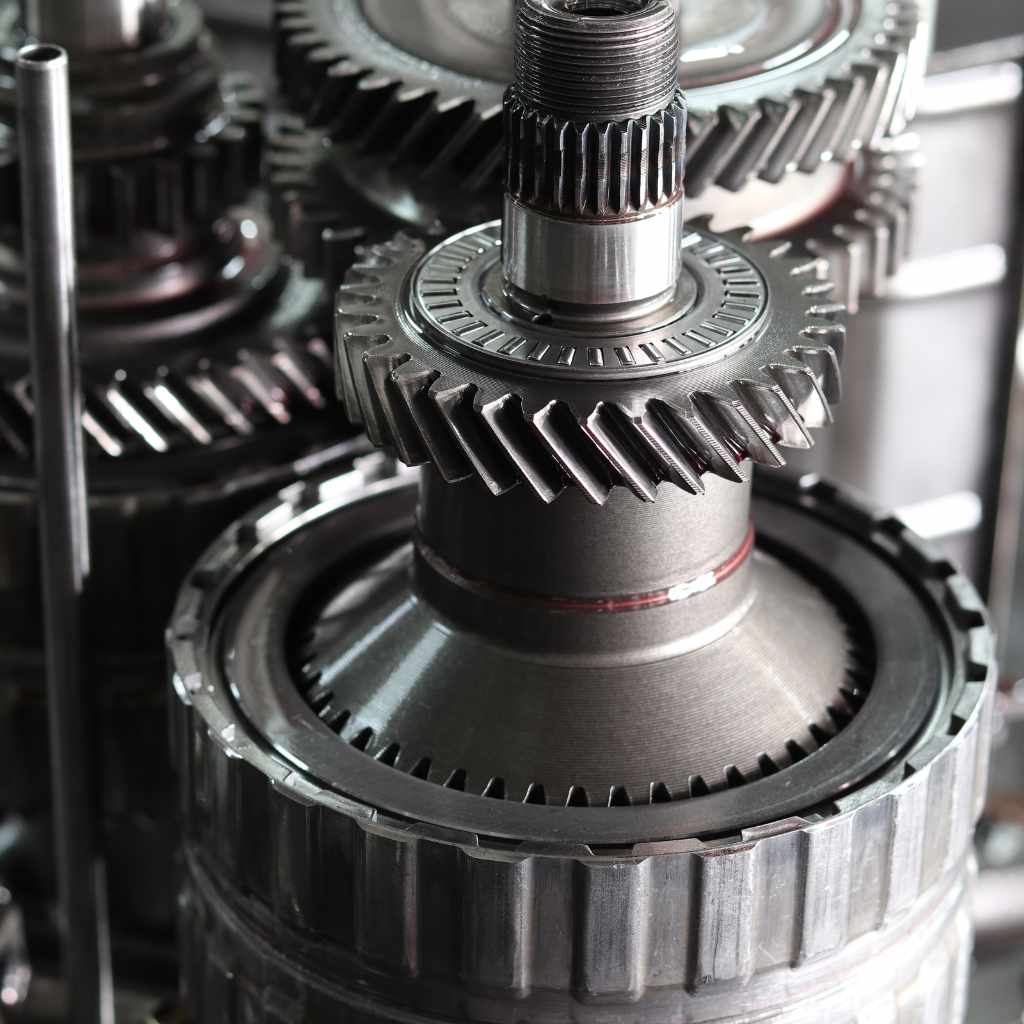
Nascar vehicles use specially designed gearboxes to handle high speeds and constant gear shifts. These gearboxes need regular care to keep performing well during races. Maintenance helps avoid gear failures and keeps the car running smoothly. Durability is key because the gearbox faces extreme stress on the track. Proper upkeep extends the life of these complex parts.
Gearbox Care
Gearbox care starts with frequent inspections. Mechanics check for wear and tear on gears and bearings. Lubrication is critical to reduce friction and heat. Using the right type of oil ensures smooth gear changes. Cleaning the gearbox prevents dirt from causing damage. Teams often replace parts before they fail to avoid race-day issues.
Common Issues And Fixes
Gear slippage and grinding noises are common problems. These often result from worn gear teeth or low oil levels. Fixing this means replacing damaged gears and topping up oil. Overheating can cause gearbox failure. Cooling systems must work efficiently to prevent this. Regular checks catch issues early, saving time and costs.
Frequently Asked Questions
How Many Gears Does A Nascar Car Have?
A NASCAR car typically has 4 forward gears. These include three manual gears plus one reverse gear. The focus is on simplicity and durability for high-speed racing.
Why Do Nascar Cars Have Fewer Gears?
NASCAR cars have fewer gears to ensure reliability and quick shifting. Fewer gears reduce complexity and mechanical failures during races.
Are Nascar Transmissions Manual Or Automatic?
NASCAR transmissions are manual. Drivers use a 4-speed H-pattern manual gearbox to control speed and acceleration precisely.
Can Nascar Cars Shift Gears While Racing?
Yes, NASCAR drivers shift gears while racing. Precise shifting helps maintain optimal engine performance on different track sections.
Conclusion
NASCAR cars usually have four or five gears. These gears help drivers control speed and power during races. The right gear choice affects how well the car performs on the track. Understanding this helps fans appreciate the skill behind each race.
Gears are a key part of NASCAR’s fast and exciting action. Now, you know how many gears these race cars use. It adds to the thrill and strategy of NASCAR racing.