How Much Coolant Needed For Flush
When you need to flush your car’s cooling system, a common question pops up: How Much Coolant Needed for a Full System Flush. It might seem a bit tricky at first, especially if you’re new to car maintenance. But don’t worry!
We’ll break it down so you know exactly what you need. This guide will make the process simple and clear. Let’s figure out how much coolant you’ll need to get your car running smoothly and cool.
Determining How Much Coolant Is Required
Figuring out the exact amount of coolant for a full system flush is important for many car owners. It’s not just about having enough liquid; it’s about using the right amount to properly fill and protect your engine. Too little, and you might have air pockets or inadequate cooling.
Too much, and you could have overflow issues. This section will help you understand the factors that influence the quantity needed.
Cooling System Capacity
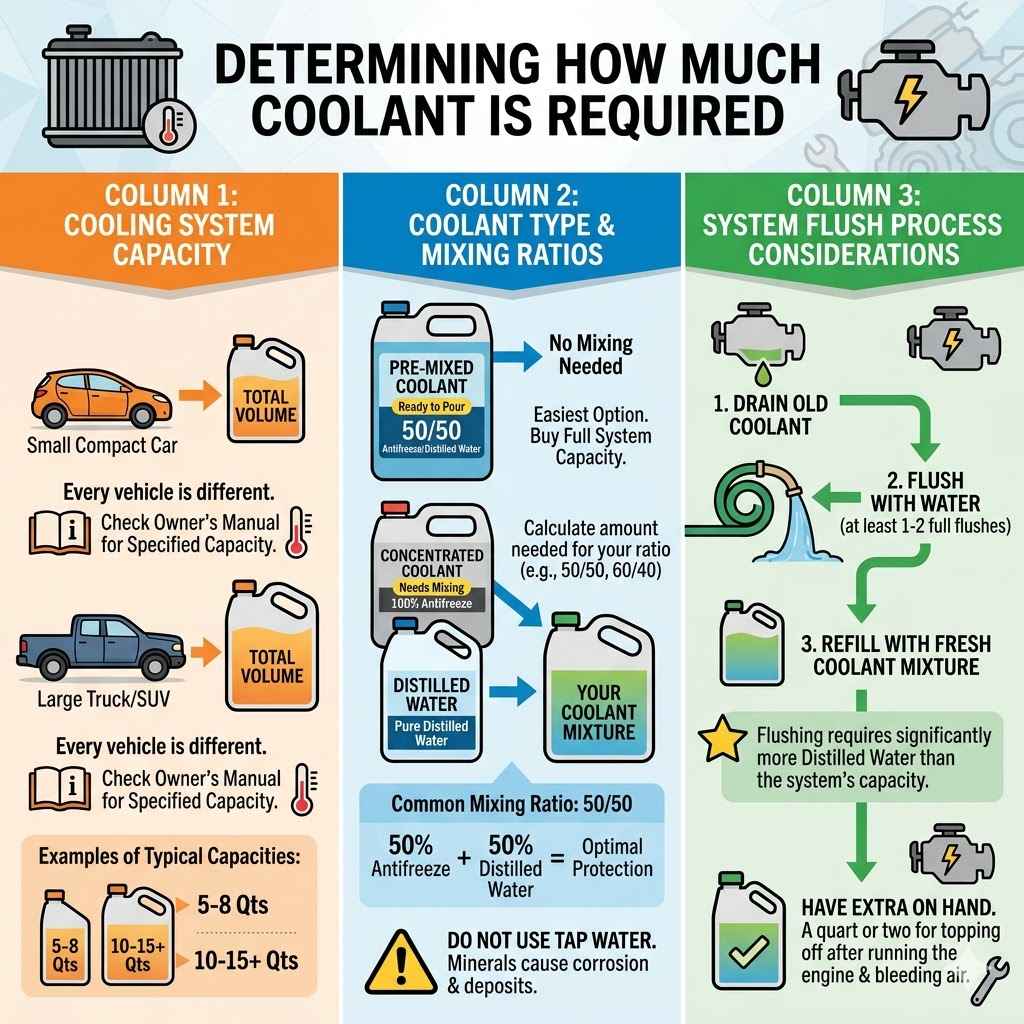
The most significant factor in how much coolant you need is the total capacity of your vehicle’s cooling system. This is the total volume of liquid that can be held within the radiator, engine block, heater core, and connecting hoses. Every car model and engine size is different.
A small compact car will have a much smaller system capacity than a large truck or SUV.
To find this information, your car’s owner’s manual is the best place to start. It usually lists the specified coolant capacity for your specific make and model. If you don’t have the manual, many automotive websites or repair forums can provide this data.
Knowing the exact capacity is the first step to calculating how much coolant to buy.
For example, a typical passenger car might have a cooling system capacity ranging from 5 to 8 quarts. Larger vehicles like SUVs or trucks can have capacities of 10 to 15 quarts or even more. This figure dictates the baseline amount of fluid required for a full system.
Coolant Type and Mixing Ratios
Coolant, also known as antifreeze, is typically sold in two forms: pre-mixed or concentrated. Pre-mixed coolant is already blended with distilled water at the optimal ratio (usually 50/50). Concentrated coolant needs to be mixed with distilled water by the user.
The most common mixing ratio is 50/50, which provides excellent freeze and boil-over protection for most climates. However, some heavy-duty applications or extremely cold regions might call for a higher concentration of antifreeze (e.g., 60/40 or 70/30). Always check your owner’s manual for the recommended ratio for your vehicle and climate.
If you buy pre-mixed coolant, you’ll need the full system capacity in quarts or gallons. If you buy concentrated coolant, you’ll need to account for the water you’ll add. For a 50/50 mix, you’ll need half the system capacity in concentrated coolant and half in distilled water.
Pre-Mixed Coolant: This is the easiest option. You buy it ready to pour. If your system holds 6 quarts, you buy 6 quarts of pre-mixed coolant.
Concentrated Coolant: This requires mixing. For a 6-quart system needing a 50/50 mix, you would buy 3 quarts of concentrated coolant and 3 quarts of distilled water.
Using the correct distilled water is important. Tap water can contain minerals that can cause corrosion and deposits in your cooling system over time, reducing its efficiency and lifespan.
System Flush Process Considerations
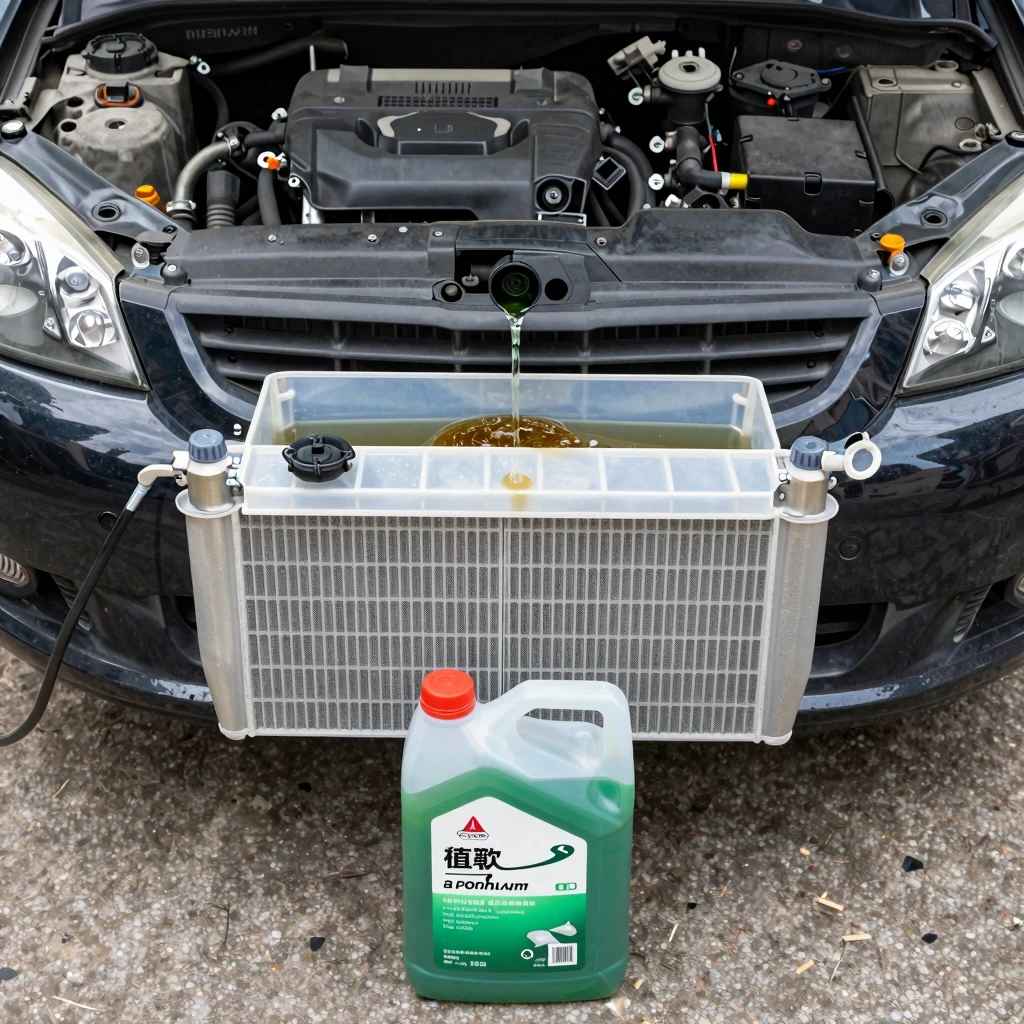
A full system flush involves draining the old coolant, flushing the system with water or a flushing solution, and then refilling with fresh coolant. During the flushing phase, you’ll be running water through the system, which means you’ll need more than just the system’s capacity amount of fluid to effectively clean it out.
Most flushing processes will require at least one or two full flushes with water. This means you’ll use a significant amount of distilled water (or tap water for the flush, followed by thorough rinsing with distilled water) to remove all old coolant and contaminants. You’ll likely use a few gallons of water for this process.
After flushing and draining as much water as possible, you’ll refill with the new coolant mixture. It’s always a good idea to have a little extra coolant on hand for topping off after the initial fill and after running the engine to circulate the coolant and bleed out air. A quart or two extra can be very helpful.
Estimating Your Coolant Needs
Now that you understand the basics, let’s put it into practice. We’ll look at common scenarios to help you estimate how much coolant you’ll need for your full system flush.
Calculating for Common Vehicles
Let’s use a few common vehicle types as examples to illustrate the calculation. Remember, these are general estimates, and you should always confirm your specific vehicle’s capacity.
Example 1: Compact Car
Typical Cooling System Capacity: 5 quarts
Coolant Type: Pre-mixed (50/50)
Flush Process: Requires 2-3 gallons of distilled water for flushing.
Coolant Needed: You’ll need at least 5 quarts of pre-mixed coolant. Buying a gallon (4 quarts) and a quart bottle will cover the initial fill. It’s wise to have an extra quart on hand for topping off, so consider purchasing 1.5 gallons (6 quarts) total.
Example 2: Mid-Size Sedan
Typical Cooling System Capacity: 7 quarts
Coolant Type: Concentrated. Let’s assume a 50/50 mix is desired.
Flush Process: Requires 3-4 gallons of distilled water for flushing.
Coolant Needed: For a 7-quart system with a 50/50 mix, you’ll need 3.5 quarts of concentrated coolant and 3.5 quarts of distilled water. To be safe and have extra, purchase 1 gallon (4 quarts) of concentrated coolant and 1 gallon (4 quarts) of distilled water. This gives you enough for the fill and extra for topping off.
Example 3: SUV or Truck
Typical Cooling System Capacity: 12 quarts
Coolant Type: Pre-mixed (50/50)
Flush Process: Requires 4-5 gallons of distilled water for flushing.
Coolant Needed: For a 12-quart system, you’ll need 12 quarts (3 gallons) of pre-mixed coolant. It’s highly recommended to buy an extra gallon for topping off. So, aim for 4 gallons of pre-mixed coolant.
Factors That Might Increase Coolant Needs
There are a few situations where you might need a bit more coolant than initially calculated. Understanding these can prevent a trip back to the auto parts store.
Multiple Flushes: Sometimes, the system is heavily contaminated, and one flush isn’t enough to get all the old coolant and debris out. You might need to flush it again. This means you’ll use more distilled water during the process.
Bleeding the System: After refilling, you need to bleed the air out of the cooling system. This involves running the engine with the heater on and the radiator cap off (or at the designated bleed point). Some air might escape, requiring you to add more coolant to reach the full level.
Hose Replacement or Component Failure: If you’re doing the flush because you’ve replaced a hose or another component that held coolant, you might need slightly more to account for any residual fluid that wasn’t fully drained or the added volume of the new part.
Older Vehicles: Older systems can sometimes be harder to drain completely. You might not get every last drop out, meaning you’ll need a bit more fresh coolant to ensure the system is filled correctly.
Where to Find Your Vehicle’s Specific Capacity
The most accurate source for your vehicle’s cooling system capacity is its owner’s manual. Look in the maintenance or specifications section. If you’ve lost your manual, here are other reliable ways to find the information:
Online Automotive Databases: Websites like RepairPal, Edmunds, or specific auto parts store websites often have databases where you can enter your vehicle’s make, model, and year to find its specifications, including coolant capacity.
Manufacturer’s Website: Some car manufacturers offer digital versions of their owner’s manuals on their official websites.
Auto Parts Stores: The staff at your local auto parts store can often look up this information for you using their internal systems. They can also help you determine the correct type of coolant for your vehicle.
Mechanic Shops: If you regularly service your car at a mechanic shop, they will have this information on file. You can simply ask them during your next visit or call them.
Always try to verify the capacity from more than one source if possible, especially if using unofficial online databases, to ensure accuracy.
The Coolant Flush Process and Coolant Quantity
Understanding how the flush process itself impacts the amount of coolant you need is key. It’s not just about the final fill, but the steps leading up to it.
Step-by-Step Flush and Refill Guide
Here’s a general outline of a coolant flush and refill process, highlighting where coolant quantity comes into play:
Preparation: Park your car on a level surface. Ensure the engine is cool. Gather your supplies: new coolant, distilled water, flushing solution (optional), drain pan, funnel, wrenches, and safety glasses.
Drain Old Coolant: Locate the radiator drain plug or lower radiator hose. Place the drain pan underneath and carefully drain all the old coolant. This step removes the primary volume of fluid.
Flush the System: Close the drain plug. You can now add fresh distilled water (or a flushing solution mixed with distilled water). Run the engine for about 10-15 minutes with the heater set to high. This circulates the water and cleans out debris.
Drain Flush Water: Drain the water from the system as you did with the old coolant. You might need to repeat steps 3 and 4 a couple of times until the drained water runs clear. This is where you use several gallons of distilled water.
Refill with New Coolant: Close the drain plug. Now, begin refilling the system with your new coolant mixture. Start by pouring slowly into the radiator or expansion tank. Fill until it reaches the “cold fill” mark.
Bleed the Air: Start the engine with the radiator cap off or the bleed screw open. Let it run until it reaches normal operating temperature. The heater should be on high. You’ll see air bubbles coming out. Keep adding coolant as the level drops.
Final Check: Once no more air bubbles appear, close the bleed screw and/or replace the radiator cap. Let the engine cool down completely. Check the coolant level in the expansion tank again and top off if necessary.
The quantity of coolant needed is directly tied to the system’s capacity, but the flushing steps add to the total amount of fluid you’ll purchase for the job. You’ll use a good portion of your distilled water for flushing and then the calculated amount of coolant for refilling.
Common Mistakes and How to Avoid Them
Making a mistake during a coolant flush can be costly. Here are common pitfalls and how to sidestep them:
Using the Wrong Coolant Type: Different vehicles require different types of coolant (e.g., OAT, HOAT, P-HOAT). Mixing incompatible types can cause gelling, corrosion, and system damage. Always check your owner’s manual or consult a parts store for the correct type.
Not Draining Enough Old Coolant: If you don’t drain the system thoroughly, old coolant will mix with the new, reducing its effectiveness and potentially leading to premature wear. Ensure you drain from the lowest point possible, including the block drain if accessible.
Using Tap Water Instead of Distilled Water: Tap water contains minerals that can lead to scale buildup and corrosion within the cooling system. Always use distilled water for mixing concentrated coolant and for flushing if you want the best results.
Not Bleeding the System Properly: Air pockets trapped in the cooling system can lead to overheating and poor performance. Ensure you follow the bleeding procedure carefully, running the engine until all air is expelled.
Overfilling or Underfilling the System: Both can cause problems. Overfilling can lead to coolant being pushed out of the overflow, while underfilling leaves parts of the system unprotected. Always fill to the recommended level when cold.
Having a little extra coolant on hand helps mitigate issues caused by underfilling during the bleeding process or minor spills.
The Role of Distilled Water in the Flush
Distilled water is crucial for a proper coolant flush for several reasons. Its primary function is to remove impurities from the cooling system without introducing new ones.
When you flush, you’re not just removing old coolant; you’re also trying to remove any rust, scale, or sediment that has built up over time. Tap water contains dissolved minerals like calcium, magnesium, and iron. These minerals can leave behind deposits when the water evaporates or reacts with the coolant.
These deposits can clog radiator passages, restrict coolant flow, and reduce the efficiency of the heat exchange process. Over time, this can lead to the engine running hotter than it should. Distilled water, on the other hand, is essentially pure H2O, with all minerals and impurities removed.
This makes it the ideal medium for cleaning the delicate components of a cooling system.
If using a commercial flushing chemical, it’s usually designed to be mixed with distilled water for optimal performance and to prevent introducing tap water contaminants.
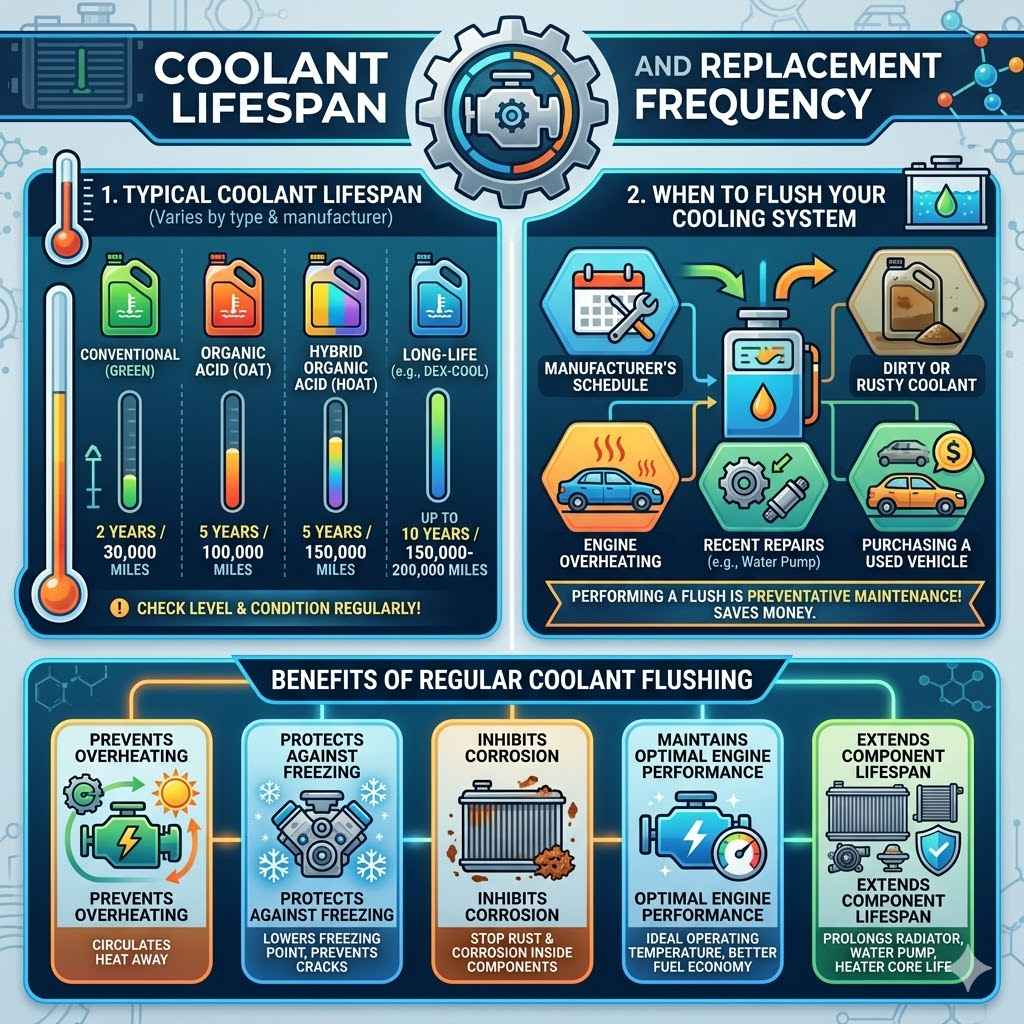
Coolant Lifespan and Replacement Frequency
Knowing when and how often to perform a coolant flush is just as important as knowing how much coolant you need. This impacts the long-term health of your engine.
Typical Coolant Lifespan
The lifespan of coolant varies significantly depending on the type of coolant used and the manufacturer’s recommendations. Modern coolants are designed to last much longer than older formulations.
Conventional Coolant (Green): Typically lasts about 2 years or 30,000 miles. This is an older technology and less common in new vehicles.
Organic Acid Technology (OAT) Coolant (Orange/Red): Often lasts 5 years or 100,000 miles. Common in many American and European vehicles.
Hybrid Organic Acid Technology (HOAT) Coolant (Yellow/Blue/Purple): Generally lasts 5 years or 150,000 miles. A blend of OAT and traditional silicates, offering broad protection.
Long-Life Coolants (Dex-Cool, etc.): Some extended-life coolants can last up to 10 years or 150,000-200,000 miles. Always refer to your owner’s manual for the specific coolant type and recommended service interval.
Even with long-life coolants, it’s good practice to check the coolant level and condition regularly. Coolant can degrade over time due to heat, pressure, and the presence of combustion gases, even if its service interval hasn’t been reached.
When to Flush Your Cooling System
There are several indicators that suggest it’s time for a coolant flush and refill:
Manufacturer’s Recommended Interval: The most reliable guide is your car’s service schedule. Adhering to this prevents premature wear and tear on cooling system components.
Coolant Color and Condition: If the coolant looks dirty, rusty, cloudy, or has particles floating in it, it’s time for a change. The color also indicates its type, and if it’s faded or murky, it’s likely lost its protective properties.
Engine Overheating: If your car is consistently running hotter than normal, a clogged or inefficient cooling system is often the culprit. A flush can help clear blockages.
Recent Repairs: If you’ve had a cooling system component replaced (like a water pump, thermostat, or hose), it’s often recommended to flush and refill the system to ensure optimal performance and remove any debris introduced during the repair.
Purchasing a Used Vehicle: It’s a wise preventative measure to flush the cooling system when buying a used car, as you don’t know its maintenance history.
Performing a flush is a preventative maintenance task. It costs far less than repairing a damaged engine due to overheating or corrosion.
Benefits of Regular Coolant Flushing
Regularly flushing and refilling your cooling system offers numerous benefits:
Prevents Overheating: Clean coolant circulates efficiently, carrying heat away from the engine, preventing the engine from overheating, especially in hot weather or under heavy load.
Protects Against Freezing: The antifreeze component of coolant lowers the freezing point of the liquid, preventing the system from freezing and expanding in cold temperatures, which can crack the engine block or radiator.
Inhibits Corrosion: Coolant contains additives that prevent rust and corrosion within the cooling system components, including the radiator, water pump, and engine block. This extends the life of these parts.
Maintains Optimal Engine Performance: An efficient cooling system ensures the engine operates within its ideal temperature range, leading to better fuel economy and overall engine performance.
Extends Component Lifespan: By preventing corrosion and overheating, regular flushing helps prolong the life of critical cooling system parts like the radiator, water pump, thermostat, and heater core.
These benefits combine to save you money on repairs and ensure your vehicle runs reliably for years to come.
Frequently Asked Questions
Question: What is the typical cooling system capacity for most cars?
Answer: The cooling system capacity for most passenger cars typically ranges from 5 to 8 quarts. However, this can vary significantly based on the vehicle’s size, engine type, and manufacturer. Always check your owner’s manual for the exact specification.
Question: Can I use tap water to mix with concentrated coolant?
Answer: It is strongly advised not to use tap water to mix with concentrated coolant. Tap water contains minerals that can lead to scale buildup, corrosion, and reduced cooling efficiency over time. Always use distilled water.
Question: How much extra coolant should I buy?
Answer: It’s recommended to buy at least one extra quart or one extra gallon of coolant beyond the system’s capacity. This accounts for topping off after bleeding the system, minor spills, or if you need to perform a second flush.
Question: How do I know if I have air in my cooling system after the flush?
Answer: Signs of air in the cooling system include inconsistent engine temperature readings (sometimes running too hot, sometimes too cold), gurgling noises from the dashboard or engine bay, and a heater that blows cold air. Proper bleeding procedures should remove most air.
Question: What’s the difference between pre-mixed and concentrated coolant?
Answer: Pre-mixed coolant is already diluted with distilled water, usually at a 50/50 ratio, and is ready to use. Concentrated coolant is pure antifreeze that must be mixed with distilled water by the user according to the recommended ratio for their climate and vehicle.
Summary
To accurately determine How Much Coolant Needed for a Full System Flush, consider your vehicle’s total cooling system capacity, the type of coolant (pre-mixed or concentrated), and the flushing process itself. Always refer to your owner’s manual for precise capacity. Buying a little extra coolant ensures you have enough for topping off after bleeding the system.
A proper flush and refill protect your engine.