How Much Does It Cost to Add a Backup Camera to a Car?
A backup camera often costs about $75 to $250 for a DIY add-on if a display is already in place, or about $300 to $900 all in for a professional install with a camera, screen, wiring parts, and labor. Poor wiring or a low-quality display can leave you with a fuzzy image, no trigger signal, or a camera that fails in a few months. Here’s what each setup costs, line by line, so you can compare cheap DIY, factory-style retrofit, and professional installation.
What backup camera costs include
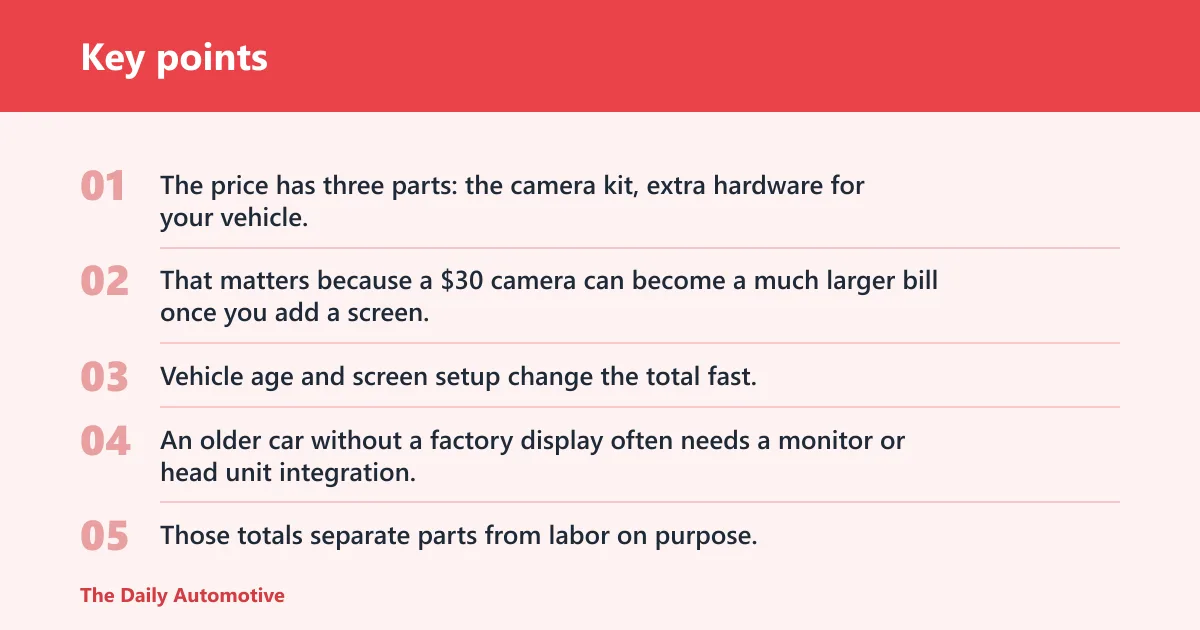
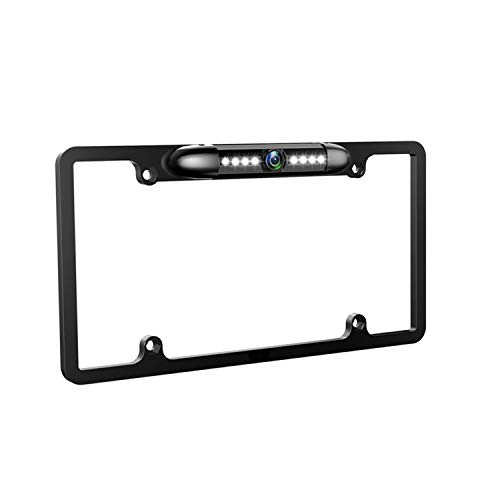

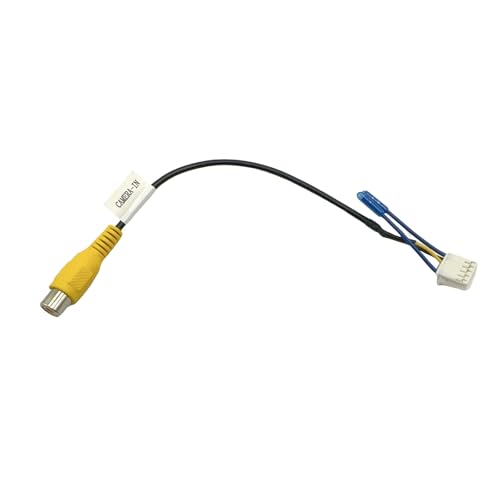
The price has three parts: the camera kit, extra hardware for your vehicle, and installation labor. That matters because a $30 camera can become a much larger bill once you add a screen, adapters, trim tools, and wiring labor.
Vehicle age and screen setup change the total fast. An older car without a factory display often needs a monitor or head unit integration, while a newer vehicle with an existing screen may only need the camera, wiring, and a trigger connection.
Backup camera cost table
| Scenario | Camera / monitor cost | Extra parts cost | Labor cost | Estimated total | Best-fit vehicle type |
|---|---|---|---|---|---|
| DIY budget wired | $30 to $80 | $20 to $60 | $0 | $50 to $140 | Older sedan with a basic radio or aftermarket screen |
| DIY wireless | $60 to $150 | $10 to $40 | $0 | $70 to $190 | Car owner who wants an easier install and can accept possible signal issues |
| Professional basic install | $75 to $200 | $25 to $75 | $100 to $200 | $200 to $475 | Truck, SUV, or sedan with a straightforward path to the display |
| Professional hardwired install | $120 to $700 | $50 to $150 | $250 to $600 | $420 to $1,450 | Older car, premium display integration, or multi-camera setup |
Those totals separate parts from labor on purpose. That is the cleanest way to compare a cheap add-on with a factory-style retrofit.
How much does DIY installation cost?
DIY installation often stays cheap if the vehicle already has a screen or an aftermarket head unit. A basic backup camera kit can run from $30 to $200, and one guide places camera prices from $20 to $700 depending on features, while CNET lists a budget camera at $26 and a wireless kit at $120.
If you need your own display, the total rises because the monitor is part of the job, not an afterthought. A camera-only kit is cheaper up front, but it only makes sense when the vehicle already has a compatible screen or head unit input.
Parts you still need beyond the kit
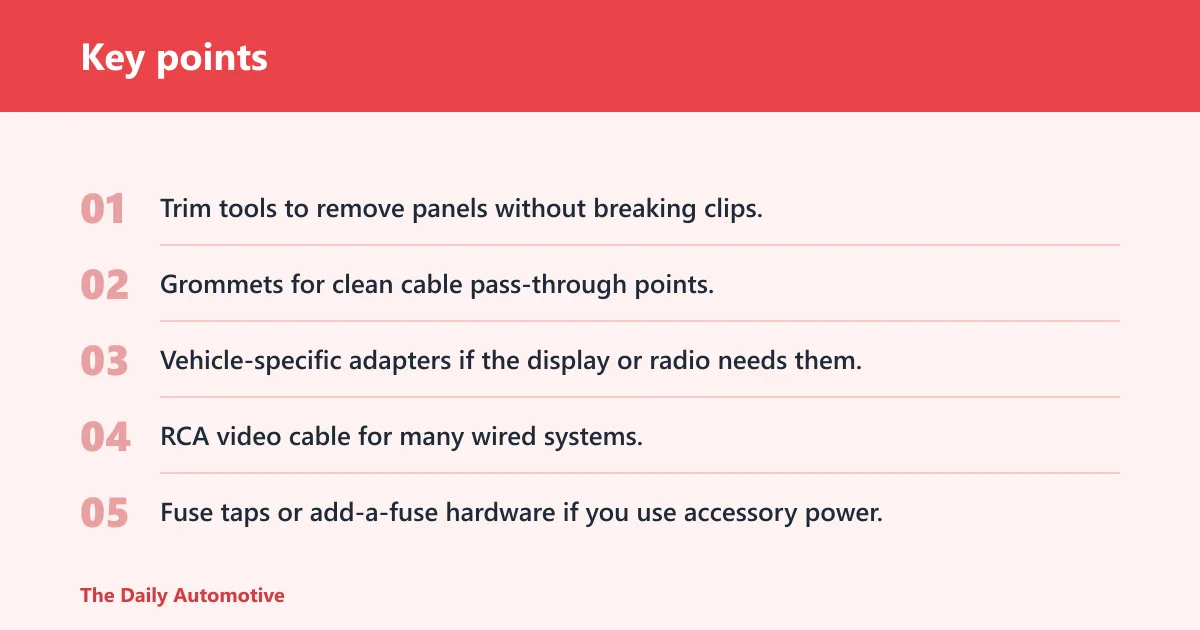
- Trim tools to remove panels without breaking clips.
- Grommets for clean cable pass-through points.
- Vehicle-specific adapters if the display or radio needs them.
- RCA video cable for many wired systems.
- Fuse taps or add-a-fuse hardware if you use accessory power.
Say your 12-year-old sedan has no factory screen and you buy a $60 kit. The hidden cost is not the camera itself. It is the monitor, the adapter for the radio, and the extra wiring parts that turn a cheap kit into a usable system.
Tools and wiring checks that affect the bill
A multimeter helps confirm the reverse-light circuit and avoid guessing which wire powers the camera trigger. That check matters on 12V vehicle electrical systems, where the wrong tap can cause a camera that never wakes up or a display that stays blank.
- Confirm whether the car has a screen, head unit input, or neither.
- Check for reverse-light power or accessory power at the fuse box.
- Plan the cable route from the hatch or trunk to the dash.
- Buy any vehicle-specific adapters before pulling trim.
- Test the camera before reassembling panels.
How much does professional backup camera installation cost?
Professional installation commonly adds $100 to $200 in labor, and more complex setups can climb to about $100 to $1,000. A hardwired install can also go higher; one source puts wiring a backup camera into a car at upwards of $600. The total depends on the car, the display, and the routing job.
That labor buys time, cleaner routing, and fewer mistakes. It matters most when the vehicle needs trim removal, a long cable path, or integration with an existing screen or head unit.
Labor ranges by shop and vehicle type
Simple jobs usually sit near the low end of the range. Harder vehicles, premium displays, and deeper trim work push the bill higher because the installer spends more time running cable and confirming the power trigger.
Multi-camera setups cost more because each additional camera adds routing, mounting, and switching work. A rear camera plus side or trailer camera can move the job from a basic install to a much longer one.
When mobile installers add trip fees
Mobile installers may charge a trip fee on top of labor. That fee is common when the vehicle is parked at home or at work, and it can erase part of the savings from shopping around if the job is simple enough for a local shop.
Why multi-camera installs cost more
Every extra camera adds hardware and wiring decisions. The installer may need another trigger source, another mounting point, or a switcher to move between views. That is why trailer and RV systems can cost far more than a plain rear camera.
Wired vs wireless backup camera costs
Wireless systems can cost less to install because they are usually faster to route, but they can suffer signal issues. Wired systems are more stable than wireless ones, yet they usually take longer to install because the cable run and power connection need more labor.
A wireless backup camera may use Wi-Fi or a dedicated digital radio frequency. It may feed a phone app or a monitor. A wired system usually uses an RCA video cable and a reverse-light circuit trigger, which is why it fits permanent installs better.
Wireless systems and their signal tradeoffs
Wireless install time is often 1 to 2 hours, versus 2 to 4 hours for wired systems. That shorter labor window is a major reason wireless kits appeal to DIY buyers. Still, interference can create lag, dropouts, or a weak image in some vehicles.
If the owner wants the easiest path into a working camera, wireless can make sense. If the owner wants the steadiest video feed, wired usually wins.
Why wired systems usually cost more to install
Wired systems often require more trim removal and a longer cable route from the rear of the car to the display. The camera itself may be cheap, but the labor and small parts push the total up. That is where the real cost difference shows up.
Which setup fits a permanent install?
For a vehicle you plan to keep, wired is usually the better long-term choice. The video path is steadier, the trigger is more direct, and there is less risk of wireless interference. For a leased car or a fast DIY add-on, wireless can still be practical.
What does the monitor or display add to the price?
The display can be a small budget item or a major part of the bill. A dash monitor, rearview mirror monitor, existing head unit integration, or separate external screen all change the total. If the car already has a compatible screen, you may save a lot.
Dashboard monitor prices
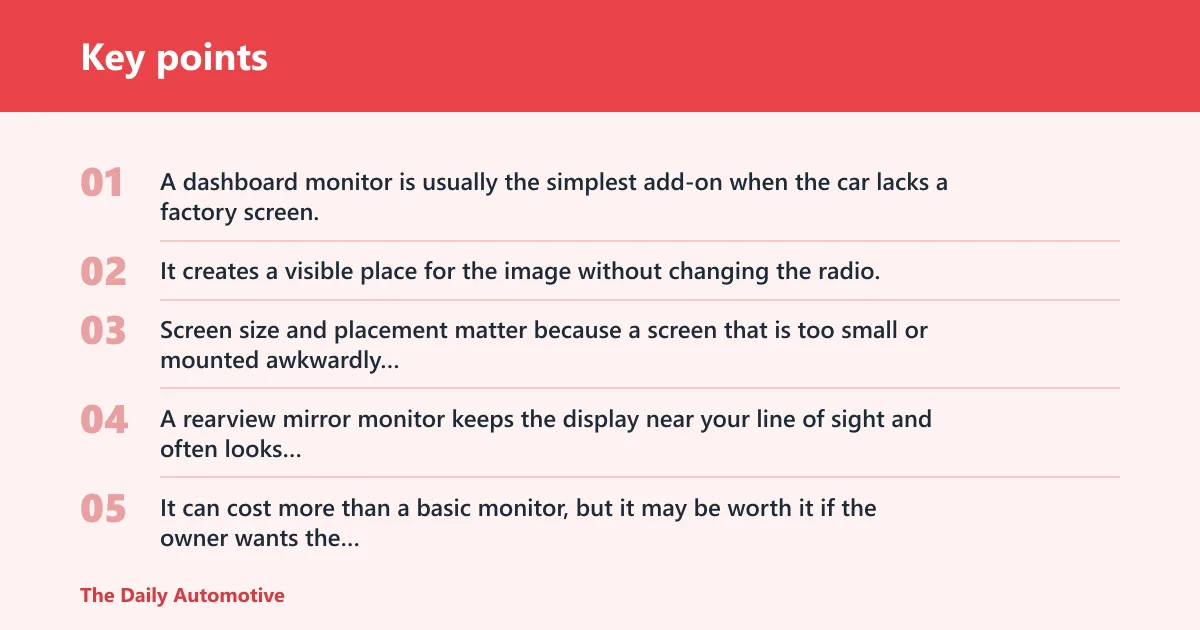
A dashboard monitor is usually the simplest add-on when the car lacks a factory screen. It creates a visible place for the image without changing the radio. Screen size and placement matter because a screen that is too small or mounted awkwardly is hard to use.
Rearview mirror monitor prices
A rearview mirror monitor keeps the display near your line of sight and often looks cleaner than a dash screen. It can cost more than a basic monitor, but it may be worth it if the owner wants the least cluttered setup.
Head unit integration and external screens
Head unit integration is common when the car already has an aftermarket stereo or a compatible factory unit. That can lower hardware clutter, but the adapter and wiring can add cost. External screens are easier to add, though they can look less integrated.
What changes the price on older cars?
Older cars often cost more to retrofit because they may not have a factory screen, prewired camera support, or easy cable paths. That is where aftermarket kits shine, but the hidden bill often comes from adapters, power taps, and trim work rather than the camera itself.
No factory screen and extra hardware
Without a factory screen, you need a monitor or head unit input. That means a camera-only kit is not enough. The best-fit setup is often a camera-and-monitor bundle, because it avoids compatibility surprises.
Reverse-light power, fuse box power, and 12V checks
Most installs use the reverse-light circuit or accessory power from the fuse box, and both rely on the vehicle’s 12V system. A multimeter helps confirm the correct wire before you tap it. That step is small, but it prevents a lot of wasted time.
Trim routes, adapters, and routing difficulty
Older vehicles often need longer cable routes, more clips, and more trim removal. Suppose a hatchback has a narrow grommet path and a separate monitor. The install takes longer because the cable has to travel farther and stay hidden. That labor is where professional help can be worth it.
Frequently asked questions
How much does it cost to add a backup camera to a car?
The total changes with kit type, display choice, and how hard the vehicle is to wire.
Is it cheaper to install a backup camera myself?
Yes, if the vehicle already has a screen or the kit is simple. DIY can stay far below a pro quote because you avoid labor charges. The savings shrink when you need a monitor, adapters, or a long cable route that takes extra time and tools.
What does a backup camera kit cost for an older car?
For an older car, plan for extra parts if there is no factory screen. A camera-and-monitor bundle often makes the most sense.
Do wireless backup cameras cost less than wired ones?
Wireless systems often cost less to install because the job is quicker, usually 1 to 2 hours. They can still need a monitor or app and may have signal issues. Wired systems cost more in labor but usually give a steadier image.
What extra costs come with hardwiring a backup camera?
Hardwiring can add trim tools, grommets, RCA cable, fuse taps, and more labor for routing and testing. One source places installation costs at $100 to $200, while harder jobs can go much higher. The extra cost is tied to the wiring path, not the camera alone.
Products related to this article
Sponsored / affiliate links. As an Amazon Associate I earn from qualifying purchases. I may earn additional commission from eligible campaigns.