AWD vs 4WD: Which Is Better for Your Driving Needs?
AWD is the better pick for mixed pavement, rain, and winter commuting. 4WD is the right choice when you need selectable low range, hard-use traction on loose ground, or towing on dirt and snow. Pick the wrong one and you pay in fuel use, tire wear, and control when the road turns slushy, steep, or rough. This guide sorts AWD vs 4WD for winter, towing, pavement, and off-road driving.
This guide is part of our Transmission problems and fixes series.
AWD vs 4WD: what actually changes?
The difference is mechanical, not marketing. AWD is built for road traction management and can send power to all four tires all the time, often through a center differential or a clutch-pack coupling. 4WD is usually a part-time setup meant for off-road or very slippery surfaces, with a driver-operated knob, button, or lever. (caranddriver.com)
| Factor | AWD | 4WD | Winner |
|---|---|---|---|
| Everyday pavement use | Built for paved roads and mixed traction | Best left for low-traction or off-road conditions | AWD |
| Low range | Usually absent | Common on many systems | 4WD |
| Binding risk on dry pavement | Low when the system has a center differential | Higher when part-time and locked | AWD |
| Off-road crawl control | Limited | Stronger, especially with 4L | 4WD |
| Maintenance complexity | Usually simpler | Transfer case adds repair complexity | AWD |
AWD in plain terms
AWD is what you’ll find on most modern SUVs and passenger cars. It is designed so each tire can rotate at its own speed in turns, which is why it feels natural on pavement and in light slip. Some AWD systems can also switch to two-wheel drive in certain conditions to improve fuel economy.
4WD in plain terms
4WD, or 4×4, is the same thing in common truck and SUV language. It connects the front and rear driveshafts through a transfer case, often with selectable 4H and 4L. That setup is strong when the surface is loose or rough, but it should not stay engaged on dry pavement.
Where each system sits in the drivetrain
AWD usually works upstream of the axles with a center differential or a coupling that meters torque between front and rear. 4WD uses a transfer case to route power to two or four wheels and to give the driver a choice between high and low range. That difference is why one feels road-friendly and the other feels more purpose-built.
According to What’s the Difference Between AWD and 4WD? — 4×4 is synonymous with 4WD. (source)
How AWD works on pavement and in light slip
AWD systems are built to keep a vehicle calm when grip changes from corner to corner or from patch to patch. A center differential lets the front and rear axles turn at different speeds in a turn, which helps prevent driveline windup. A clutch-pack coupling, including Haldex-style systems, can connect the rear axle on demand when slip appears.
Full-time AWD, on-demand AWD, and decoupling systems
Full-time AWD can keep all four tires involved all the time. On-demand AWD may drive mostly one axle until the system senses slip, then feed torque rearward. Some systems also decouple part of the driveline to save fuel, which is why many AWD vehicles feel like front-drive cars until the road gets slick.
Why some AWD cars behave like FWD first
That behavior is not a flaw by itself. It is a design choice that cuts drag and fuel use during steady cruising, then adds rear axle help when conditions demand it. The trade-off is that AWD still depends heavily on tire quality and driver inputs; bad tires and abrupt throttle can overwhelm any smart coupling.
How does 4WD differ from AWD in real use?
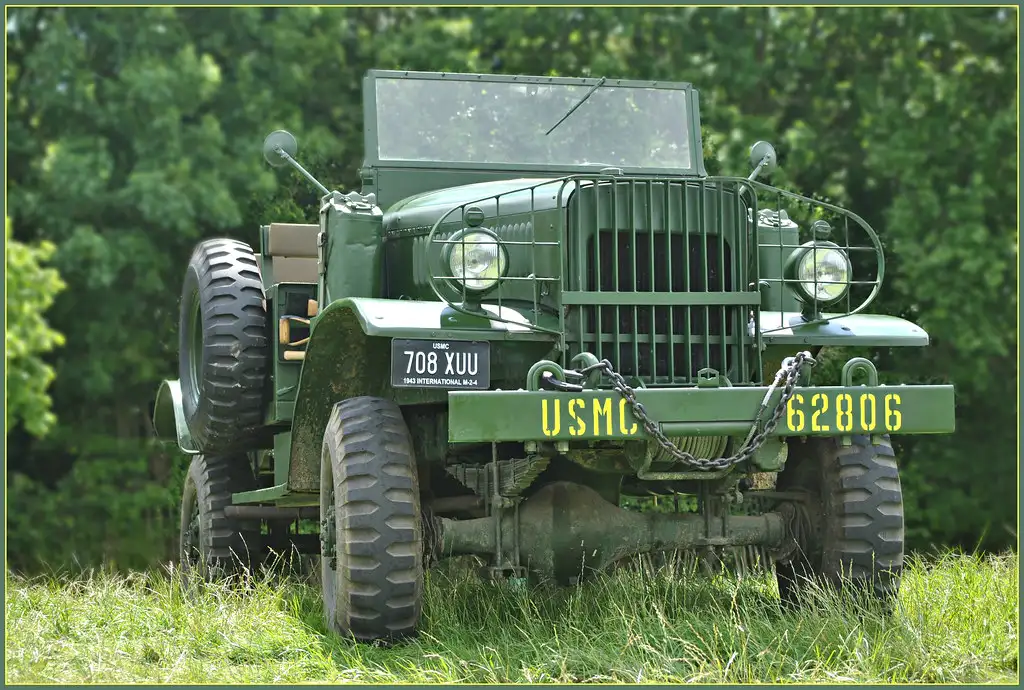
4WD differs from AWD in the way it connects the drivetrain and the kinds of surfaces it expects. A part-time 4WD system ties the front and rear driveshafts together, often through a transfer case, so the truck or SUV can push hard in loose terrain. That same lockup is why it should stay off dry pavement.
Transfer case basics
The transfer case is a central part of many 4WD systems. It routes power to two or four wheels and often enables selectable 4H and 4L. That extra hardware adds maintenance and repair complexity, but it also gives the driver a tool AWD usually does not have: low-speed torque multiplication.
Why part-time 4WD should stay off dry pavement
When a locked part-time 4WD system is used on pavement, the front and rear axles cannot rotate at different speeds in a turn. The result is binding and uneven tire wear, and the steering can feel tight or hop under load. Leave it for surfaces that can slip: snow, mud, dirt, sand, or ice.
AWD vs 4WD in snow and ice: which one helps more?

AWD is often the better match for snow and ice on roads, while 4WD is stronger when the snow is deep, loose, or mixed with rough terrain. The tires still matter more than the badge. A good winter tire on AWD can outstop and outcorner a mediocre all-season tire on 4WD.
Deep-snow starts versus steady highway cruising
Deep-snow starts favor systems that can keep all four tires working without drama. 4WD can shine here when the surface is so soft that low-speed wheel torque matters more than smooth pavement behavior. On packed snow at highway speed, AWD usually feels calmer because it is built to manage varying grip continuously.
Snow-covered hills and stop-and-go traction
On snow-covered hills, both systems help, but neither fixes poor tires or sloppy throttle control. AWD is often easier to live with in stop-and-go traffic because it can react without the driver thinking about a mode switch. 4WD helps most when the climb gets slow, steep, and loose enough to need 4H or even 4L.
What tires change more than the drivetrain
Tire compound, tread pattern, and remaining tread depth change braking and cornering more than the drivetrain does. That matters because traction systems help you move, but they do not create grip from nothing. If the tires are worn out, even a good AWD system will feel underqualified.
awd vs 4wd which is better?
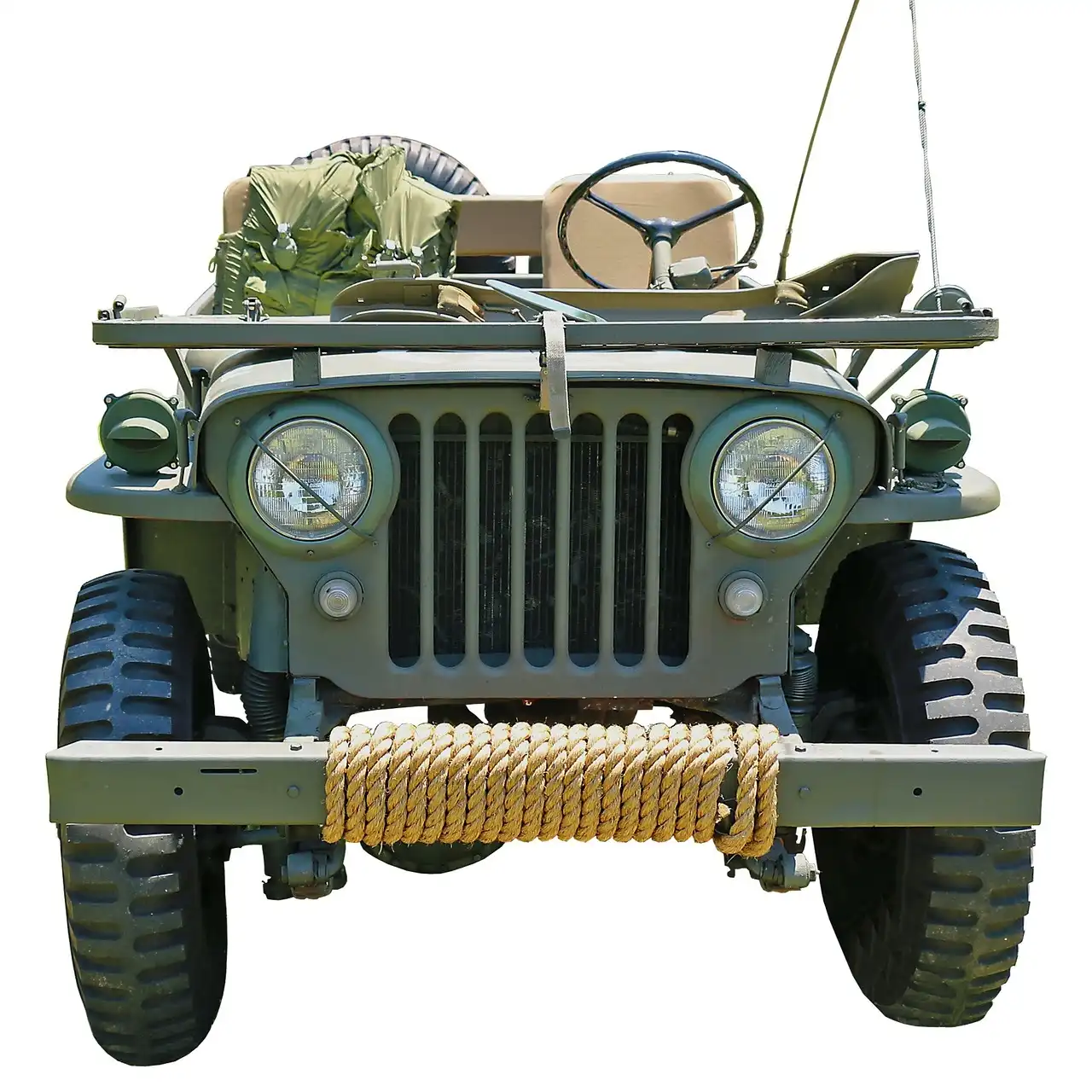
Neither system wins outright. AWD is better for most mixed-use drivers who spend their time on pavement, in rain, and in winter weather with occasional loose surfaces. 4WD is often the better choice when the job involves low-range crawling, repeated launches on loose ground, or frequent off-road use.
| Use case | AWD | 4WD | Best fit | Why |
|---|---|---|---|---|
| Daily commuting | Good on pavement, rain, and light winter use | Overkill unless roads are consistently terrible | AWD | Better pavement behavior and less driveline fuss |
| Snow-covered hills | Strong for starting and climbing on plowed roads | Very good when the hill is loose or deeper than usual | AWD | Continuous traction management suits road use |
| Mountain driving | Better for mixed paved grades and changing weather | Better if roads turn to rough access tracks | AWD | Handles transitions without mode changes |
| Sand | Can work, but low-speed control may be limited | Better with 4H and especially 4L if needed | 4WD | Loose surfaces reward lockup and low-speed control |
| Towing on dirt | Okay for light duty and short distances | Better stability and launch control on loose ground | 4WD | Transfer case and locking behavior help under load |
| Trail use | Limited by ground clearance and lack of low range | Designed for this kind of work | 4WD | Low range and binding tolerance matter here |
Daily commuting
For commuting, AWD usually wins because it behaves well on dry pavement, wet roads, and occasional snow. It also avoids the awkwardness of switching modes for every weather change. A part-time 4WD system is simply more hardware than most commuters need.
Snow-covered hills
AWD usually gets the nod for hills that are paved or plowed. 4WD becomes more attractive when the grade is unpaved, rutted, or packed with deep snow. In both cases, momentum discipline matters more than mashing the throttle.
Mountain driving
Mountain roads are mixed-use by nature. That favors AWD because it can handle long pavement stretches, surprise weather, and occasional slick pullouts without driver intervention. If the route includes dirt switchbacks or rocky access roads, 4WD pulls ahead fast.
Sand
Sand rewards systems that can keep the tires pulling without heat and wheelspin. 4WD is usually the better tool because low range and lockup help at low speeds, where burying the vehicle is easy. AWD can work on firmer sand, but it is not the first pick for deep soft stuff.
Towing on dirt
Towing on loose ground asks for controlled launch and steady pull, not just traction at speed. 4WD helps because the transfer case can make low-speed movement easier and more predictable. AWD can manage light towing on dirt, but it is not the better answer for repeated heavy pulls.
Trail use
Trail use is where 4WD earns its keep. Low range, better tolerance for binding-free operation off pavement, and more purposeful hardware all matter once the terrain turns rocky, rutted, or steep. AWD can reach mild trails, but it is not built for repeated crawling.
awd vs 4wd vs 4×4
4×4 is not a separate system from 4WD. It is common shorthand, especially in truck and SUV marketing, and it usually means the vehicle has a part-time or selectable four-wheel-drive setup. The real question is whether the system has a center differential, a coupling, or a transfer case with low range.
awd vs 4wd vs fwd vs rwd
Front-wheel drive and rear-wheel drive are simpler layouts with fewer parts and less weight. FWD can work well in snow with good tires because the driven wheels also steer, while RWD may feel stable under load but usually needs more care in low-grip conditions. AWD and 4WD add traction hardware, but they do not replace tire choice or good judgment.
awd vs 4wd vs 2wd
2WD is lighter, simpler, and often more efficient, which is why many vehicles still use it. The trade-off is obvious when the road gets slick: only two tires are doing the work. AWD and 4WD help most when traction loss is likely, not when the surface is clean and dry.
Choose AWD if… / Choose 4WD if…
Choose AWD if your miles are mostly pavement, with winter weather, wet roads, and the occasional gravel driveway. It is also the better fit if you want a system that can stay active all the time without driver involvement.
Choose 4WD if you need selectable low range, regular off-road use, repeated launches on dirt or sand, or better control while towing on loose surfaces. It is the stronger pick when the vehicle will spend time in places where binding is acceptable because the surface can slip.
Choose neither if your main problem is bad tires. In that case, a good set of tires, sane speeds, and proper driving technique matter more than badges on the tailgate or liftgate.
Frequently asked questions
awd vs 4wd difference
AWD is designed for road traction management and can send power to all four tires all the time, often through a center differential or clutch-pack coupling. 4WD is usually a part-time setup with a driver-selected mode and a transfer case. The biggest practical difference is that 4WD is meant for loose surfaces, while AWD is meant to stay civilized on pavement.
awd vs 4wd in snow
In snow, both help, but the better system depends on the road. AWD is usually nicer for plowed streets, highway travel, and commuting because it stays active without drama. 4WD is stronger in deeper snow, on unplowed roads, or when the route becomes more like a track than a street.
awd vs 4wd better for snow
For most drivers, AWD is the better snow system because winter driving usually happens on pavement that may be wet, packed, or partly cleared. 4WD is the better snow system when the snow is deep, the hill is steep, or the road is effectively a loose surface. Tires still decide how well either one brakes and turns.
awd vs 4wd for off road
4WD is the clear pick for off-road use. The transfer case, selectable 4H and 4L, and front-to-rear lockup make it much better for crawling, sand, mud, and rough trails. AWD can handle mild dirt roads, but it is not the right answer for serious trail work.
awd vs 4wd vs fwd
FWD is the simplest of the three and can be perfectly adequate with good tires, especially in light snow or rain. AWD adds traction management at all four corners, while 4WD adds low-range capability and stronger off-road control. If the question is winter commuting only, FWD with good tires may still be enough.
awd vs 4wd vs rwd
RWD can work well in dry conditions and under towing load, but it is less forgiving on slick pavement than AWD or 4WD. AWD gives the most consistent all-weather road traction. 4WD is the best choice only when the route includes off-road terrain, deep snow, or other low-speed loose-surface work.
Products related to this article
Sponsored / affiliate links. As an Amazon Associate I earn from qualifying purchases. I may earn additional commission from eligible campaigns.