Do Car Washes Scratch Paint: Myth or Reality?
Quick Answer
Most modern car washes do not scratch paint. Touchless washes never touch the car, so there is no contact-based scratch risk at all. Soft-cloth and foam-brush automatic washes are also low-risk if the equipment is well-maintained, since dirt is rinsed away rather than dragged across the paint. The real damage usually comes from dirty brushes at poorly maintained facilities, or from careless hand washing at home with a dirty sponge or single bucket.
Do car washes scratch paint? Modern touchless and soft-cloth washes generally do not, but old-style stiff-bristle brushes and careless hand washing can.
If you have ever pulled out of a car wash and noticed faint circular marks in the sunlight, it is easy to assume the wash just scratched your paint. The truth is more specific: the scratches themselves come from hard grit being dragged across the clear coat under pressure, and that can happen at an automatic wash, at a self-serve bay, or in your own driveway, depending on the equipment and technique involved.
This article breaks down exactly which wash methods carry real risk, which ones are safe for most vehicles, and what you can do to protect your paint no matter how you clean your car.
Where Do Swirl Marks Really Come From?
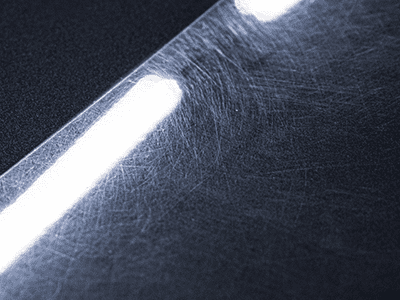
The fine circular scratches drivers call “swirl marks” are not actually circular scratches at all. They are random, differently sized scratches that happen to reflect sunlight in a circular pattern because the sun itself is round. Once you understand that, the “myth or reality” question gets a lot clearer: swirls build up gradually from dust, wind-blown grit, and everyday contact, and only become visible once the car is clean enough to show them off. That is why people often blame the wash they just left, even when the marks had been forming for months beforehand.
The actual mechanism behind every scratch is the same regardless of where it happens: a hard mineral particle, usually silica-based road dust, gets pressed and dragged across the clear coat. The clear coat is only a few microns thick, so anything hard enough and moved with enough pressure can mark it. What differs between wash methods is whether that grit gets lifted away safely or rubbed directly into the surface.
Old Brush Equipment Earned the Reputation Honestly
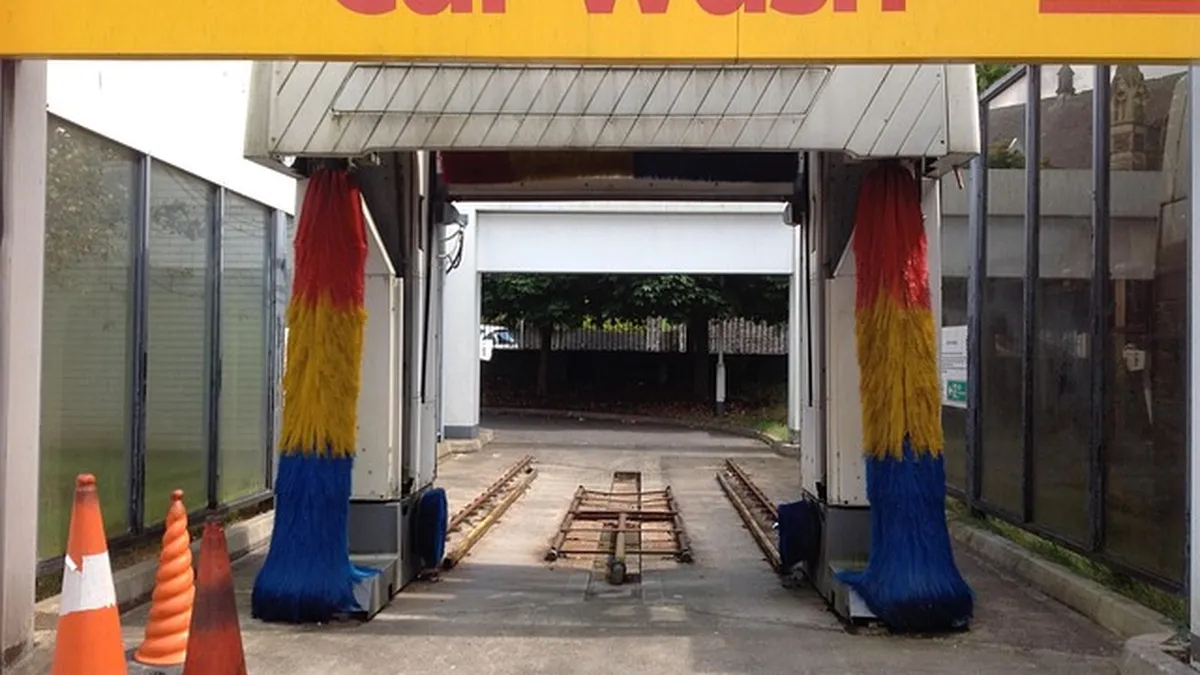
Decades ago, many automatic car washes used stiff nylon-bristle brushes that swept across every vehicle in the same motion. Those bristles picked up grit from one car and dragged it straight across the next, and on older or softer paint that left the fine web-like marks people associate with automatic washing. The concern was real at the time, and it is the origin of the “car washes scratch paint” reputation that still lingers today.
Modern Equipment Is Built to Avoid That Problem
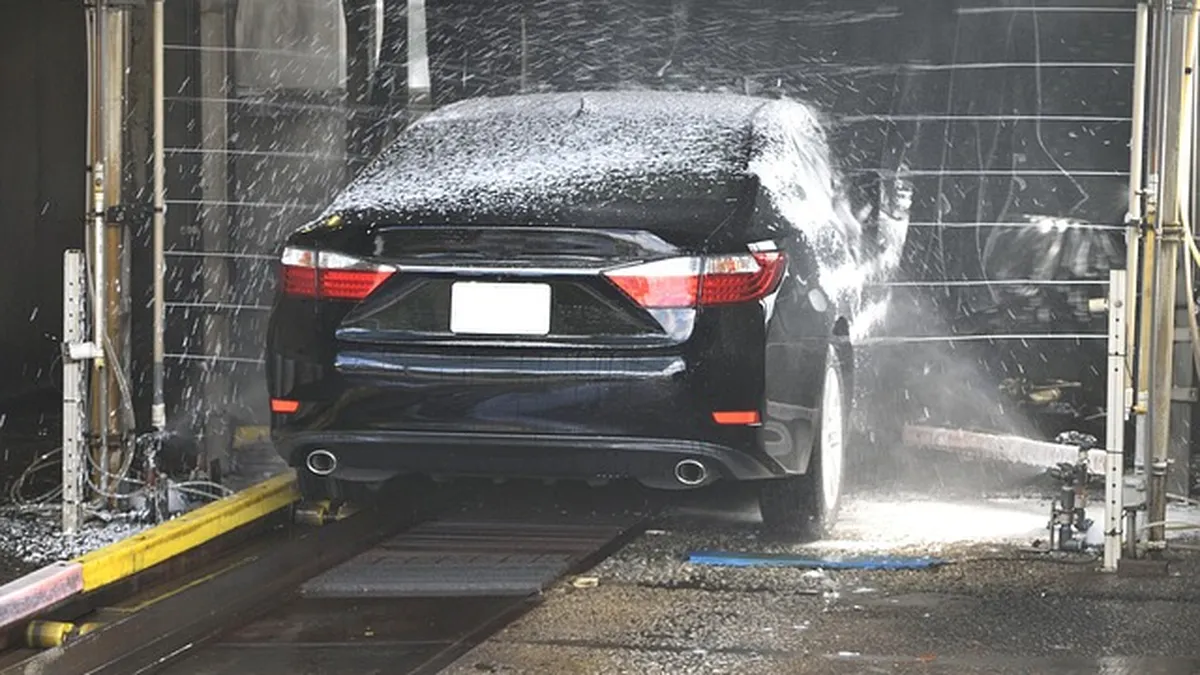
Most stiff-bristle systems have since been replaced with soft, closed-cell foam or cloth media, paired with heavy pre-soaking that loosens grit before anything touches the paint, and continuous high-pressure rinsing that flushes debris off the material as it spins. Touchless washes remove the variable entirely by relying only on detergent chemistry and water pressure, with zero physical contact. Because of this shift, a well-maintained modern wash is now generally a lower-risk choice than people assume.
Hand Washing Carries More Risk Than Most People Think
This is the part of the “myth or reality” question that surprises most car owners: careful hand washing is not automatically safer than an automatic wash. A single-bucket wash is the clearest example of the problem. The wash mitt lifts grit off the car, gets dunked back into the same soapy water, and then carries that same grit back onto the next panel, so the mitt itself becomes the tool doing the scratching. A sponge dropped on the driveway and put back to work does the same thing with embedded sand and gravel. Drying with a dry or abrasive towel afterward can add even more marring on top of that.
None of this means hand washing is dangerous. It means the technique matters more than the method, which is exactly why the two-bucket wash system exists (one bucket for soapy water, one for rinsing the mitt before it goes back into the soap), and why detailers treat a proper microfiber mitt and clean rinse water as non-negotiable.
Car Wash Type Comparison: Scratch Risk at a Glance
| Wash Type | Scratch Risk | Why |
|---|---|---|
| Touchless (automatic) | Very Low | No brushes or cloth ever touch the paint; relies on detergent and water pressure only |
| Soft-cloth / foam brush (automatic) | Low, if maintained | Foam or cloth media plus pre-soaking loosens grit before contact; risk rises sharply if equipment is dirty or worn |
| Old-style stiff nylon brush (automatic) | Moderate to High | Stiff bristles can trap and drag grit across the clear coat; largely phased out at modern facilities |
| Hand wash, two-bucket method | Low | Fresh rinse water keeps grit out of the wash mitt between passes |
| Hand wash, single bucket or dirty sponge | Moderate to High | Grit lifted off the car gets carried right back onto the paint on the next pass |
Using clean water and soap from a hose at a self-service bay gives you control over pressure and technique, but the same rules apply: avoid dirty rags, rinse off loose grit before scrubbing, and keep your wash tools off the ground.
Potential Causes of Scratches
Beyond the wash method itself, a few other factors raise the odds of marring your paint. Worn or poorly maintained equipment at any car wash, whether automatic or a self-serve bay, is more likely to reintroduce grit instead of removing it. Rushed technique matters too: a worker or a driver in a hurry is more likely to skip the pre-rinse step that floats loose dirt away before anything makes contact.
The wrong soap can also work against you. Household dish soap is formulated to strip grease, which means it strips your car’s wax or sealant along with it, leaving the clear coat more exposed to the environment. A pH-balanced car wash soap is designed to clean without breaking down that protective layer.
Even without a wash involved, dust, wind-blown grit, tree sap, and bird droppings continually work on unprotected paint. That is one reason avoiding washes altogether does not actually protect a car; it just lets contaminants sit on the surface longer, which typically does more damage than a well-executed wash ever would.
Our Top Pick
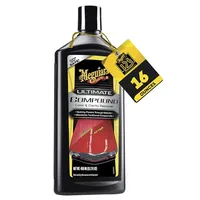
Meguiar’s Ultimate Compound
Best for: Removing existing swirl marks and light scratches already in your clear coat
Why we picked it: A pro-grade paint correction compound that levels fine scratches and restores gloss without a machine polisher required
Main drawback: Won’t remove deep scratches that have cut through the clear coat into the color layer
View Our Pick on Amazon
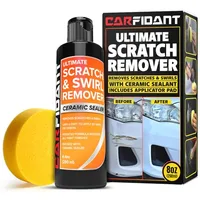 Carfidant Scratch & Swirl Remover Kit Best for: Beginners who want an all-in-one kit Why we picked it: Includes a buffer pad so you don’t need separate tools Main drawback: Smaller bottle size means less product for larger vehicles Check on Amazon |
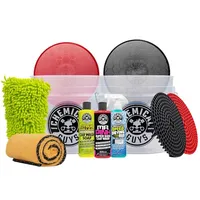 Chemical Guys Two-Bucket Wash Kit Best for: Preventing scratches during hand washing Why we picked it: Dual dirt-trap inserts keep grit out of your wash mitt between passes Main drawback: Two buckets take up more storage space than a single-bucket setup Check on Amazon |
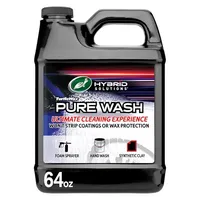 Turtle Wax pH-Neutral Car Wash Soap Best for: Replacing dish soap with something paint-safe Why we picked it: Won’t strip wax or sealant the way household dish soap does Main drawback: Needs a proper wash mitt and bucket to get full benefit Check on Amazon |
Preventing Scratches During Washes
A touchless wash is the lowest-contact option available, and a foam cannon pre-soak before any hand wash reduces the amount of grit your mitt has to deal with directly. If you hand wash, use the two-bucket method: one bucket for soapy water, one for rinsing your mitt, with a grit guard at the bottom of each to trap sand and debris before it can be picked back up.
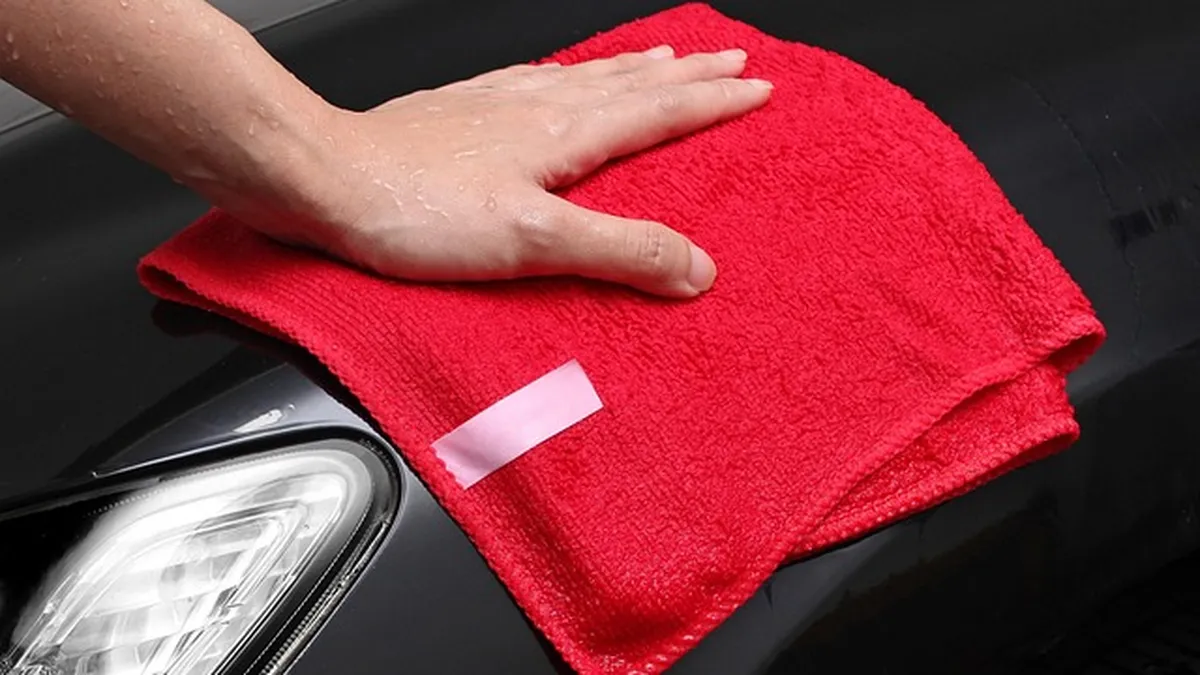
- Use fresh, clean water and a soft microfiber wash mitt, never a dirty sponge or rag
- Choose a pH-balanced car wash soap instead of household dish soap
- Rinse the car before scrubbing to float away loose grit
- Dry with a clean, plush microfiber towel, never a dry rag
- Keep wash mitts and towels off the ground between uses
- Wax or apply a sealant regularly; it adds a sacrificial layer that absorbs minor abrasion before it reaches the clear coat
If you drive an EV or a newer vehicle with exterior sensors, there is another reason to lean touchless: automakers including Tesla specifically recommend touchless or soft-cloth washes over stiff-brush tunnels to avoid damaging cameras, radar sensors, and charging port components that stick out from the body.
Myths vs. Reality: What Experts Say
Myth: Car washes always scratch paint. Reality: Modern automatic car washes are engineered specifically to avoid the abrasion that older equipment caused. Industry experts point out that if an automatic wash truly scratched every car mechanically, the damage pattern would be consistent across every vehicle that goes through, not the random, scattered marks that actually show up on cars over time.
Myth: Hand washing is always the safest option. Reality: A hand wash done with a dirty mitt, single bucket, or dry towel can be riskier than a well-maintained automatic wash. The safety of any wash method comes down to whether grit is lifted away or dragged across the paint, not whether a machine or a person is doing the washing.
Myth: Washing your car often will wear down the paint. Reality: Frequency is not the problem; leaving dust, bird droppings, tree sap, and road salt sitting on the paint for weeks does more long-term damage than regular washing. A consistent wash routine, done with clean tools, protects a finish better than occasional aggressive cleaning.
Frequently Asked Questions
Do Automatic Car Washes Damage Paint?
Well-maintained modern automatic car washes rarely damage paint. Older equipment with stiff nylon brushes could scratch or dull a finish, but today’s soft-cloth and touchless systems are built to greatly reduce that risk. Choosing a facility that keeps its equipment clean and well-maintained matters more than whether the wash uses brushes at all.
Can Hand Washing a Car Cause Scratches?
Yes, hand washing can scratch paint if done improperly. Using a single bucket, a dirty sponge, or a dry towel are the most common causes. Always use the two-bucket method with a clean, soft microfiber mitt and a pH-balanced car soap to reduce the risk during a hand wash.
How Do You Prevent Scratches at Car Washes?
Choose a touchless or soft-cloth car wash with well-maintained equipment, and pre-rinse a heavily dusty or muddy car before it enters the wash if possible. Regular waxing adds a sacrificial layer that absorbs minor abrasion. At home, use the two-bucket wash method and inspect your wash tools for embedded grit before each use.
Do Touchless Car Washes Scratch Paint?
Touchless car washes carry the lowest scratch risk of any method because nothing physically touches the paint. They rely on high-pressure water and stronger detergents instead of brushes or cloth. The trade-off is that touchless washes may not fully remove bonded contaminants like tar, tree sap, or baked-on grime, and frequent use can strip wax or sealant faster than soft-cloth washing.
Should I Avoid Automatic Car Washes if I Drive an EV?
You do not need to avoid automatic washes entirely, but touchless or soft-cloth washes are the safer choice for EVs and newer vehicles with exterior-mounted cameras, sensors, or charging ports. Several automakers specifically recommend against stiff-brush tunnel washes for these vehicles to avoid dislodging or scratching sensor housings and charging components.
Conclusion
Do car washes scratch paint? It depends far more on the equipment and technique than on whether a machine or a person is doing the washing. Touchless washes carry essentially no contact-based risk, well-maintained soft-cloth washes are close behind, and even hand washing is safe when it is done with clean tools and the two-bucket method. The real risks come from old stiff-bristle equipment, neglected wash facilities, and dirty sponges or dry towels used at home.
Keep your car waxed, choose facilities that maintain their equipment, and use clean tools whether you wash at a tunnel or in your own driveway. Consistent, correct washing protects your paint far more than avoiding the car wash ever will.
Products related to this article
Sponsored / affiliate links. As an Amazon Associate I earn from qualifying purchases. I may earn additional commission from eligible campaigns.