What Is The Oil Light On A Car Trying To Tell You?
But what does it really mean when the oil light comes on? Is it always a disaster? Let’s break down this crucial warning.
We’ll explore why it happens, what you should do immediately, and how to understand if it’s a minor issue or a sign of something more serious. You’ll learn to decipher this warning so you can react smartly and keep your car running smoothly.
The oil light on your car signals a problem with oil pressure or oil level. This usually means either there isn’t enough oil in the engine, or the oil pump isn’t circulating it correctly. It’s a critical warning that requires immediate attention to prevent severe engine damage.
Understanding the Oil Light’s Message
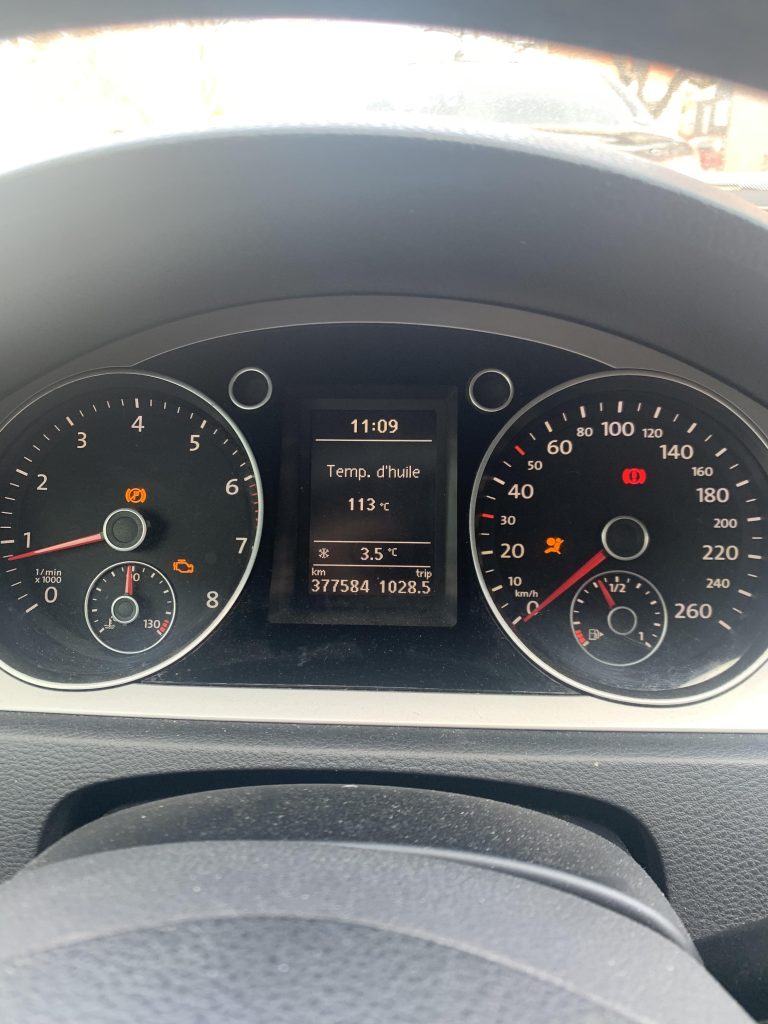
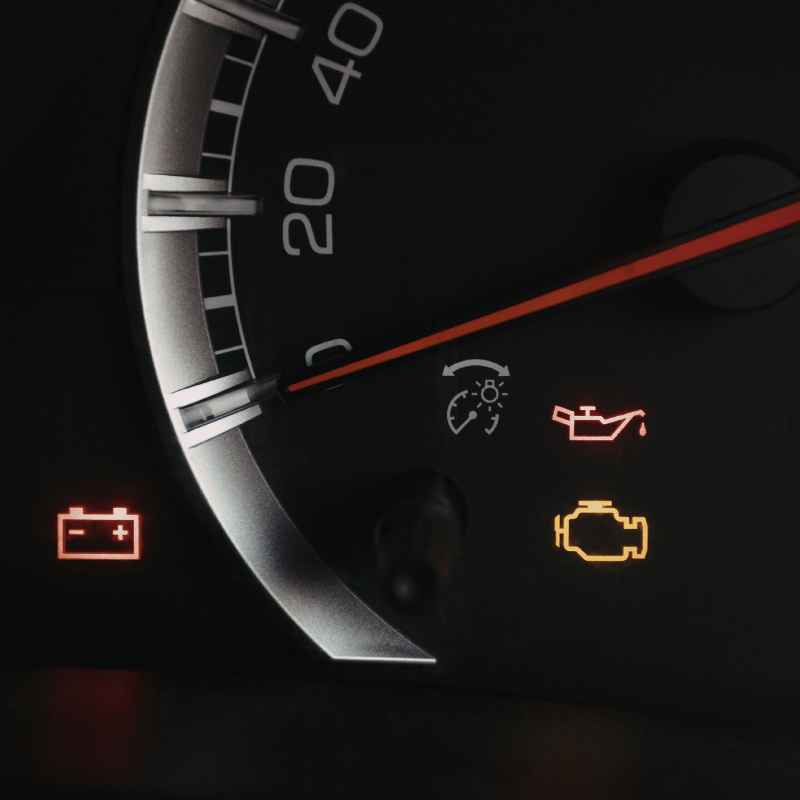
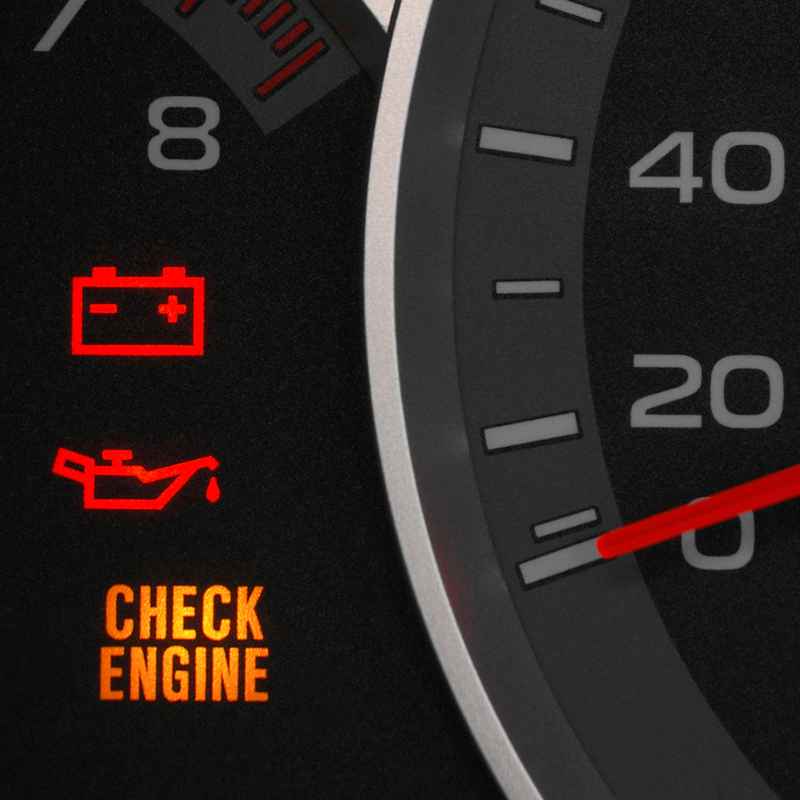
That little red oil can symbol on your dashboard is designed to grab your attention. It’s linked directly to your car’s oil pressure system. Think of oil like the blood of your engine. It lubricates all the moving parts, keeps them cool, and prevents them from grinding against each other. When the oil pressure drops too low, these parts start to suffer.
The light itself is usually triggered by a sensor. This sensor measures the oil pressure. If the pressure falls below a safe operating level, the sensor tells the dashboard light to turn on. This isn’t a complex system; its purpose is straightforward: to alert you before catastrophic damage occurs.
There are two main reasons the oil light might come on. The first is a low oil level. If your engine is low on oil, there simply isn’t enough fluid to create the necessary pressure. The second reason is a problem with the oil pump or oil flow. Even if you have enough oil, if the pump isn’t working right or something is blocking the oil’s path, pressure will drop.
Why is this so important? Friction. Without enough oil, metal parts inside your engine rub directly against each other. This creates intense heat and wear. Imagine trying to slide two dry pieces of sandpaper together – they’ll wear down fast. Metal engine parts do the same, only much faster and at extreme temperatures.
So, the oil light is your engine’s way of shouting, “Stop! I need help!” It’s a critical signal that you should not ignore. Pulling over safely as soon as you can is always the best first step.
My Own Oily Scare
I remember one time, years ago, I was driving my first car, an old sedan that had seen better days. I was heading home from a weekend trip, late at night. The roads were dark and quiet. Suddenly, there it was: the dreaded red oil light. It was just a flicker at first, but then it stayed on. My heart sank.
I immediately thought the worst. Was the engine going to seize up right there? Panic started to set in. I pulled over to the side of a dark country road, my hands gripping the steering wheel tight. The engine was still running, but that light felt like a ticking bomb. I remembered my dad always saying, “If the oil light is on, turn off the engine. Now.”
I nervously popped the hood, even though I wasn’t entirely sure what I was looking for. The engine bay was hot and oily. I found the dipstick, pulled it out, and wiped it. Then I re-inserted it and pulled it out again. The oil level was indeed very low, almost nonexistent. It turned out I had an oil leak I hadn’t noticed, and the car had burned through most of its oil during the long drive.
That scare taught me a valuable lesson. It showed me how quickly things can go wrong and how important it is to pay attention to these warning signs. I was lucky. I managed to get some oil in the car at the next town and avoid major damage, but it was a close call. It hammered home the point that the oil light is not something to play around with.
How the Oil Light System Works
Let’s dive a little deeper into what makes that light turn on. Your car’s engine needs a constant supply of oil. This oil is stored in the oil pan, which is at the bottom of the engine. A pump then pulls the oil from the pan and sends it through a filter to clean it. After filtering, the oil is pushed through tiny passages in the engine to lubricate all the moving parts.
The oil pressure sensor is a key player here. It’s usually screwed into the engine block or a related oil passage. This sensor has a diaphragm or a spring mechanism that is affected by the oil pressure. When the oil pressure is normal, it keeps a switch open or closed, which prevents the light from turning on.
But if the oil pressure drops too low, the force on the sensor’s mechanism changes. This causes the switch to flip. When the switch flips, it completes an electrical circuit that powers the oil warning light on your dashboard. It’s a simple electrical signal, but it indicates a critical mechanical problem.
The oil pump is also crucial. If the oil pump itself fails or has a problem, it can’t create enough pressure to push the oil through the engine. This will also cause the oil light to illuminate. Sometimes, the oil pickup tube in the oil pan can get clogged with sludge or debris. If this happens, the pump can’t draw oil properly, leading to low pressure.
Common Causes for a Glowing Oil Light
So, what are the most frequent reasons you might see that red light? Understanding these common culprits can help you diagnose the situation quickly.
1. Low Oil Level
This is the most common cause. Over time, engines consume a small amount of oil. This can be due to evaporation or very minor leaks. If you don’t top up your oil regularly, the level can drop below the minimum mark on the dipstick. When the oil level gets too low, the oil pump can’t properly suck up the oil, leading to a loss of oil pressure.
2. Old or Dirty Oil
Oil breaks down over time and use. It picks up dirt, metal shavings, and other contaminants from the engine. As the oil gets older and dirtier, its ability to lubricate and maintain proper pressure decreases. If you’ve gone too long between oil changes, the oil might become too thick or too contaminated to flow correctly, causing pressure to drop.
3. Oil Leak
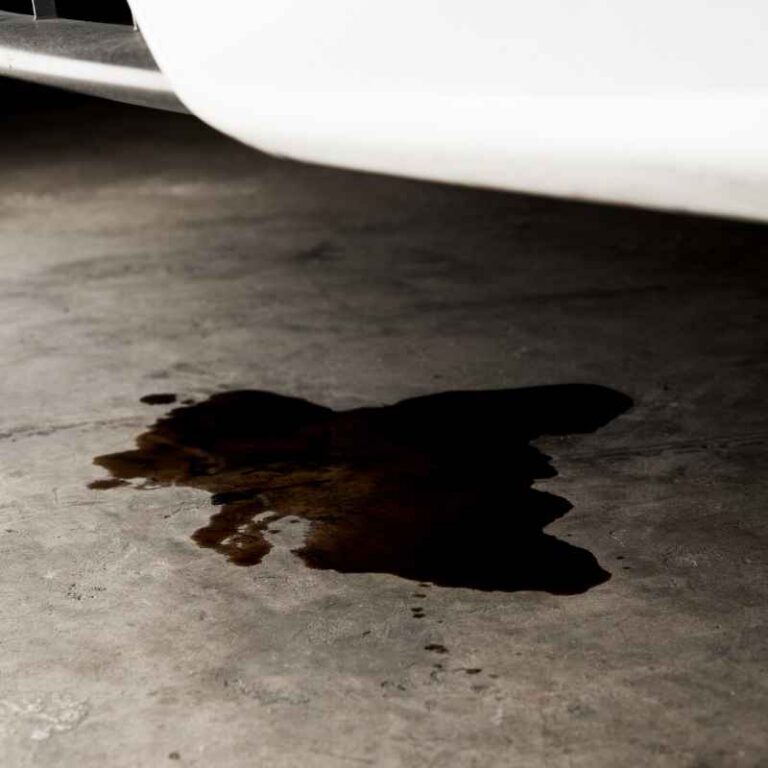
This can be a more serious issue. Leaks can happen from various places: the oil pan gasket, the oil filter seal, valve cover gaskets, or even a cracked oil pan. If a leak is significant, the oil level will drop rapidly, and the pressure will follow. You might notice oil spots under your car if this is the case.
4. Faulty Oil Pump
The oil pump is a mechanical component, and like any part, it can wear out or fail. If the pump’s internal components are worn, or if there’s a blockage in the pump itself, it won’t be able to generate enough pressure. A failing oil pump is a serious problem that needs immediate attention.
5. Clogged Oil Filter or Oil Passages
The oil filter is designed to remove impurities from the oil. However, if the filter becomes completely clogged, it can restrict oil flow. Similarly, sludge or debris can build up in the small passages within the engine that carry oil. This blockage prevents oil from reaching critical areas, reducing pressure.
6. Worn Engine Bearings
This is a more severe internal engine problem. Engine bearings are crucial parts that allow the crankshaft and connecting rods to spin smoothly. If these bearings become worn, they create larger gaps. This allows oil to escape more easily, reducing overall oil pressure. This is usually accompanied by other symptoms like knocking noises.
7. Faulty Oil Pressure Sensor or Sending Unit
Sometimes, the problem isn’t with the oil itself but with the sensor that reports the oil pressure. The sensor could be malfunctioning and falsely indicating low pressure when the pressure is actually fine. However, it’s always best to assume the sensor is correct and investigate the oil system first, as a bad sensor is much rarer than a real oil pressure issue.
What to Do the Moment the Oil Light Comes On
Seeing that red light should trigger an immediate, calm reaction. Don’t panic, but act fast. Your engine’s life depends on it.
The very first thing you should do is find a safe place to pull over. This means getting off the main road if possible, onto a shoulder, into a parking lot, or any area where you won’t be in danger from traffic. Turn off the engine as soon as you are safely stopped. Continuing to drive, even for a short distance, can cause irreversible damage.
Once the engine is off, wait a few minutes. This allows any oil that’s splashed around to settle back into the oil pan. This is important for getting an accurate reading on the dipstick.
Carefully open the hood. Locate the engine oil dipstick. It usually has a brightly colored handle, often yellow or orange. Pull the dipstick out completely. Wipe it clean with a rag or paper towel.
Re- will be markings, usually two dots or lines, indicating the full and low oil levels. See where the oil level falls on this scale.
If the oil level is below the lowest mark, you have a low oil level problem. If you have a spare quart of oil with you (always a good idea to carry one!), you can add some. Add about half a quart at a time, wait a minute, and check the dipstick again. Repeat until the oil level is between the two marks. Do not overfill.
If the oil level is correct, or if you’ve added oil and the light still stays on after you restart the engine, then the problem is likely more serious than just low oil. This could be a faulty oil pump, a blockage, or another internal issue.
At this point, you should not drive the car. Call for roadside assistance or a tow truck. It’s far cheaper to pay for a tow than to replace an engine.
Driving with the Oil Light On: The Riskiest Gamble
Let’s be very clear about this: driving with the oil light on is one of the riskiest things you can do with your car. It is never a good idea. Many people make the mistake of thinking, “It’s just a little light,” or “I’m almost home.” This is a gamble with incredibly high stakes.
Here’s why it’s so dangerous:
Immediate Lubrication Failure: When the oil light is on, it means oil pressure is critically low. This means vital engine components are not getting the lubrication they need.
Rapid Wear: Metal parts begin to grind against each other. This isn’t slow wear; it’s rapid, destructive wear.
Overheating: Oil also helps cool engine parts. Without it, friction generates extreme heat, which can warp or seize components.
Catastrophic Failure: A few minutes of driving without proper lubrication can lead to connecting rods breaking free, pistons seizing, or the entire engine seizing up. This is often referred to as “blowing an engine.”
Imagine your engine is a complex machine with thousands of tiny parts moving at high speeds. Oil is the lubricant that allows these parts to glide. Without it, they’re like gears trying to turn without any grease – they’ll lock up and break.
The cost of a tow truck is minimal compared to the cost of a new or rebuilt engine, which can range from $3,000 to $7,000 or even more. The oil light is your car’s way of screaming for help. Listen to it.
When the Oil Light Comes On and Then Goes Off
Sometimes, the oil light might flash on for a second or two, and then disappear. This can be confusing. Is it a real problem, or just a glitch?
This can happen for a few reasons:
Momentary Low Pressure on Startup: On cold starts, oil can be thicker. It might take a second or two for the oil pump to build up enough pressure to circulate it fully. If the light flashes on briefly and then goes off as the engine warms slightly, it might be normal, especially in very cold weather.
Low Oil Level: If your oil level is right on the edge of being too low, aggressive driving like hard acceleration or braking, or driving on hills, can cause the oil to slosh away from the oil pickup tube for a moment. This can cause a temporary drop in pressure and trigger the light. Once you drive on level ground, the oil settles, and the light goes out.
Faulty Sensor Reading: As mentioned, a glitchy sensor might give a false reading.
However, even if the light goes off, it’s not a sign to relax completely. A brief flicker could indicate that your oil level is very low and just on the verge of becoming a serious problem.
If this happens, you should still check your oil level as soon as you can. If the level is correct, monitor the situation closely. If the light flickers again, especially while you’re driving, treat it as a serious warning and pull over safely. It’s better to be overly cautious with your engine’s health.
Environmental Factors Affecting Oil Pressure
The conditions under which you drive can also play a role in oil pressure readings. Your car’s engine operates within a certain temperature range.
Extreme Cold: In very cold weather, engine oil becomes thicker. This makes it harder for the oil pump to circulate it quickly. This is why some cars might have a brief oil light flicker on startup in freezing temperatures. The engine oil needs time to warm up and thin out.
Extreme Heat: Conversely, in very hot weather or under heavy load (like driving uphill or towing), the engine gets hotter. This can cause the oil to thin out more than usual. If the oil is already older or starting to break down, thinning too much can lead to reduced oil pressure.
Altitude: While less common, at very high altitudes, the thinner air can sometimes affect how engines operate. However, the primary impact on oil pressure is usually related to engine temperature and load, not just altitude itself.
These environmental factors highlight why regular oil changes with the correct viscosity of oil are so important. The oil’s viscosity (its thickness) is rated for specific temperature ranges. Using the wrong oil for your climate can exacerbate these issues and put extra stress on your engine.
A Visual Guide to Checking Your Oil
Here’s a simple breakdown of how to check your engine oil.
Checking Your Oil: A Quick Guide
- Park on Level Ground: This is essential for an accurate reading.
- Wait for Engine Cool Down: Let the engine sit for at least 5-10 minutes after shutting it off.
- Open the Hood: Locate the dipstick.
- Pull and Wipe: Remove the dipstick and wipe it clean with a rag.
- Re-insert and Pull: Push it back in fully, then pull it out again.
- Read the Level: Check the oil mark on the end of the dipstick.
- Add if Needed: If below the low mark, add oil slowly, re-checking until it’s in the safe zone.
What the Oil Light Color Means
Most cars use a red oil light. This is a critical warning. Red generally signifies an emergency situation.
Some cars might have a yellow or amber oil warning light. This could indicate a less severe issue, perhaps a problem with the oil pressure sensor itself or a minor fluctuation. However, it’s still a warning that should be investigated promptly. Always refer to your car’s owner’s manual for specific interpretations of dashboard warning lights.
When It’s Probably Just the Sensor
While it’s crucial to always assume the worst (low oil pressure) when the light comes on, there are times when the oil pressure sending unit itself can fail.
If you are absolutely certain your oil level is correct, your oil is fresh, and you haven’t noticed any oil leaks, and the light still comes on, it’s possible the sensor is faulty. These sensors are relatively inexpensive parts.
Symptoms of a faulty sensor might include:
The light turning on and off erratically.
The light staying on constantly, even after adding oil and checking the level.
The light not coming on at all when the engine starts (though this is a different, equally serious problem).
However, even if you suspect the sensor, it’s still best to have a mechanic inspect the actual oil pressure using a mechanical gauge. This will confirm if the sensor is the only issue or if there’s a genuine problem with oil pressure. Never take the chance that it’s just the sensor without verification.
The Impact of Neglected Maintenance
This all comes back to consistent car maintenance. Many of these issues, especially those related to oil degradation and low levels, can be prevented with regular attention.
Preventive Maintenance is Key
Regular Oil Changes: Follow your car’s recommended oil change intervals. Use the correct type and viscosity of oil. This is the single most important step.
Check Oil Levels Regularly: Make it a habit to check your oil level at least once a month, and before long trips.
Inspect for Leaks: Look for oil spots under your car. If you see them, have them investigated.
Listen to Your Car: Pay attention to any new noises or changes in performance.
When you neglect these simple checks, you’re essentially playing a game of roulette with your engine. The oil light is often the consequence of that neglect.
What a Mechanic Will Do
If you’ve determined that your oil level is fine and the light persists, or if you’re uncomfortable checking it yourself, it’s time to visit a trusted mechanic.
Here’s what they typically do:
1. Verify Oil Level and Condition: They’ll start by confirming the oil level and checking its color and consistency.
2. Check for Leaks: They will inspect the engine and undercarriage for any signs of oil leaks.
3. Test Oil Pressure: This is the crucial step. They will remove the oil pressure sensor and install a mechanical oil pressure gauge. This directly measures the actual oil pressure in the engine.
4. Inspect Oil Pump and Pickup Tube: If the pressure is low, they may need to drop the oil pan to inspect the oil pump and the pickup tube for clogs or damage.
5. Check for Internal Wear: In cases of persistently low pressure with no other obvious cause, they might suspect worn engine bearings or other internal component issues.
When Is It “Normal” to See the Oil Light?
As discussed, the only time you might see the oil light illuminate briefly and then go off is typically on a cold startup in very cold temperatures, or perhaps during aggressive driving if the oil level is borderline low.
However, it’s important to understand that even these situations aren’t truly “normal” for an engine in perfect health. Ideally, the oil light should never come on.
If you notice it happening even occasionally, it’s a sign that something is not quite right. It might be a precursor to a bigger problem. The fact that it flickers means the system is already working on the edge of its capabilities.
When Should You Worry?
You should worry intensely if:
The oil light stays on after you’ve confirmed the oil level is correct.
The oil light comes on while you’re driving on the highway or under normal conditions.
You hear any knocking or grinding noises from the engine along with the oil light.
You notice a significant amount of oil leaking from your car.
You haven’t had an oil change in a very long time.
In these scenarios, the damage could be happening right now, and it could be severe and costly.
Simple Checks You Can Do at Home
Besides checking the oil level, there are a couple of other simple things you can observe:
Listen to Your Engine: Does it sound different? Are there any new clicking, knocking, or grinding sounds? Unusual noises are often the first indicator of trouble.
Look for Leaks: Park your car over a clean piece of cardboard overnight. If you see dark, oily spots in the morning, you likely have a leak.
Check Your Oil Color: If your oil looks dark brown or black and sludgy when you check the dipstick, it’s overdue for a change.
Quick Tips for Oil Light Peace of Mind
Carry Extra Oil: Always keep a quart of the correct type of oil in your trunk.
Know Your Owner’s Manual: Familiarize yourself with your car’s dashboard symbols and what they mean.
Schedule Regular Maintenance: Don’t skip oil changes and other scheduled service.
Don’t Ignore the Light: Treat the red oil light as an emergency.
Frequently Asked Questions About the Oil Light
What does it mean if the oil light comes on when I turn the key to start the car?
This is usually normal. Most cars turn on all warning lights briefly when you turn the ignition to the “on” position before starting the engine. This is a self-test to show you that the bulbs are working.
The light should go off within a few seconds of the engine starting.
Can I drive my car for a short distance if the oil light comes on?
It is extremely risky and not recommended. Even a short drive can cause significant damage. If you must move the car a few feet to get out of immediate danger, do so with the absolute shortest run time possible, then shut it off and call for a tow.
My oil light flickers. Is that serious?
Yes, a flickering oil light is a serious warning. It means oil pressure is unstable. It could be due to a low oil level that is just on the edge, or a developing problem with the oil pump or sensor.
Check your oil level immediately, and if it’s fine, the car needs to be inspected by a mechanic.
How much does it cost to fix a low oil pressure problem?
The cost varies greatly. If it’s simply low oil, the cost is just the price of a quart or two of oil. If it’s a leaky gasket, it could be a few hundred dollars.
If it’s a faulty oil pump or internal engine damage, it can run into thousands of dollars.
What kind of oil should I use if my car is low on oil?
You should always use the type and viscosity of oil recommended in your car’s owner’s manual. If you don’t have the manual, look for a sticker under the hood or search online for your car’s make, model, and year. Using the wrong oil can cause more harm.
Is it safe to just add oil without changing it if the light is on?
If the oil level is low and the light comes on, adding oil is the first step. However, if your oil is old, dirty, or has been in the car for many thousands of miles, you should plan to get an oil change soon after. Old oil won’t lubricate properly, even if the level is correct.
Final Thoughts
The oil light is your engine’s most direct and critical warning. It’s not an indicator of minor inconvenience but a sign of potential disaster. Understanding what triggers it, acting immediately when you see it, and performing regular maintenance are your best defenses against costly repairs and engine failure. Treat this warning with the respect it deserves, and your car will thank you with a long, healthy life.
Products related to this article
Sponsored / affiliate links. As an Amazon Associate I earn from qualifying purchases. I may earn additional commission from eligible campaigns.