Are Electric Cars Expensive? 2026 Price and Tax Credit Guide
Yes — electric cars are still more expensive to buy than gas cars in 2026, and the federal tax credit that used to close most of that gap is gone. The average new EV sold for roughly $55,000 in early 2026, compared to $35,000–$45,000 for a comparable gasoline vehicle — a real-world gap of about $7,000 to $12,000 at the dealership.
That upfront gap used to shrink fast, because most buyers could claim a $7,500 federal tax credit at the point of sale. That credit ended on October 1, 2025, eliminated by the One Big Beautiful Bill Act, and it is not coming back for new purchases — see the full breakdown of what cars used to qualify for the EV tax credit and what savings remain. What replaced it — a new auto loan interest deduction, plus a handful of state rebates — helps, but it is not a like-for-like swap.
This guide breaks down what an EV actually costs in 2026: the purchase price, what happened to the tax credit, charging versus gas, battery replacement, maintenance, insurance, resale value, and whether the total 5-year cost of ownership still comes out ahead once all of that is added up.
How Much Does an Electric Car Cost to Buy in 2026?
Electric cars carry a real price premium over comparable gas models, mostly because of battery pack costs. That premium has narrowed compared to a few years ago as more automakers compete on price, but it has not closed.
| Vehicle Type | Typical Price Range (2026) | Average Transaction Price |
|---|---|---|
| New Electric Car | $30,000 – $80,000+ | ~$55,000 |
| New Gas Car | $22,000 – $50,000 | ~$40,000 |
| Typical EV Premium | $7,000 – $12,000 more, before any incentives | |
Entry-level EVs from Chevrolet, Hyundai, and Nissan now start closer to $30,000, which is where most of the recent narrowing has happened. Luxury EVs from brands like Rivian, Lucid, and Mercedes still sit well above $70,000, and they pull the overall EV average price up. If you’re cross-shopping, compare a specific model against its closest gas equivalent rather than relying on the category-wide average — the gap varies enormously by segment. See our full EV price guide by model for real 2026 figures.
Lower Your Real Cost of Ownership
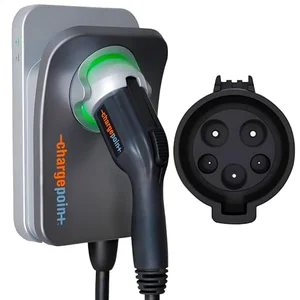 |
ChargePoint HomeFlex Level 2 EV Charger – $494.00 Since home charging is the single biggest lever for cutting an EV’s total cost of ownership below this guide’s own numbers, a Level 2 charger pays for itself by cutting a 10-hour Level 1 charge down to about 2 hours and unlocking cheaper off-peak electricity rates.
|
What Happened to the $7,500 Federal EV Tax Credit?
The federal Clean Vehicle Tax Credit (Section 30D), which offered up to $7,500 off a new EV and up to $4,000 off a qualifying used EV, was eliminated effective October 1, 2025. It was ended early by the One Big Beautiful Bill Act, cutting short what had originally been scheduled to run through 2032 under the Inflation Reduction Act. If you’re shopping for an EV in 2026, that credit is simply not available at the point of sale anymore, for new or used vehicles.
There is one narrow exception: if you signed a binding written purchase agreement and made a qualifying payment (even a deposit or trade-in) on or before September 30, 2025, you may still be able to claim the credit even though delivery happened later. Outside of that specific situation, the credit is gone for anyone buying today.
In its place, the same law created a new auto loan interest deduction worth up to $10,000 per year, available through 2028. It applies to both gas and electric vehicles, but only if the car is new, financed with a loan originated after December 31, 2024, for personal (not business) use, and had its final assembly in the United States. It phases out for single filers earning over $100,000 and joint filers over $200,000, and — unlike the old EV credit — it’s a deduction, not a dollar-for-dollar credit, so its real value depends on your tax bracket and loan interest rate. It generally will not fully replace what the $7,500 credit used to be worth.
Are There Still State EV Incentives in 2026?
Yes, and this is where most of the remaining EV savings now live, since the federal credit is gone. State programs vary widely and change frequently, so always confirm current details before you buy — but as examples of what’s still active in 2026:
- Colorado offers a $750 state tax credit on new EVs up to $80,000 MSRP, plus an additional $2,500 credit on new EVs priced at or below $35,000.
- California runs the Clean Vehicle Rebate Project (rebates up to $7,500 for eligible buyers, higher for low-income households) alongside a newer MyFirstEV program offering an instant $3,500 rebate for first-time EV buyers on vehicles under $50,000.
- Many utility companies, independent of state programs, offer their own rebates for home charger installation or off-peak charging enrollment.
Because state and utility incentives change on short notice, check your state energy office’s website and your local utility before finalizing a purchase — don’t assume last year’s incentive amount still applies.
How Much Does Charging Cost vs. Filling Up With Gas?
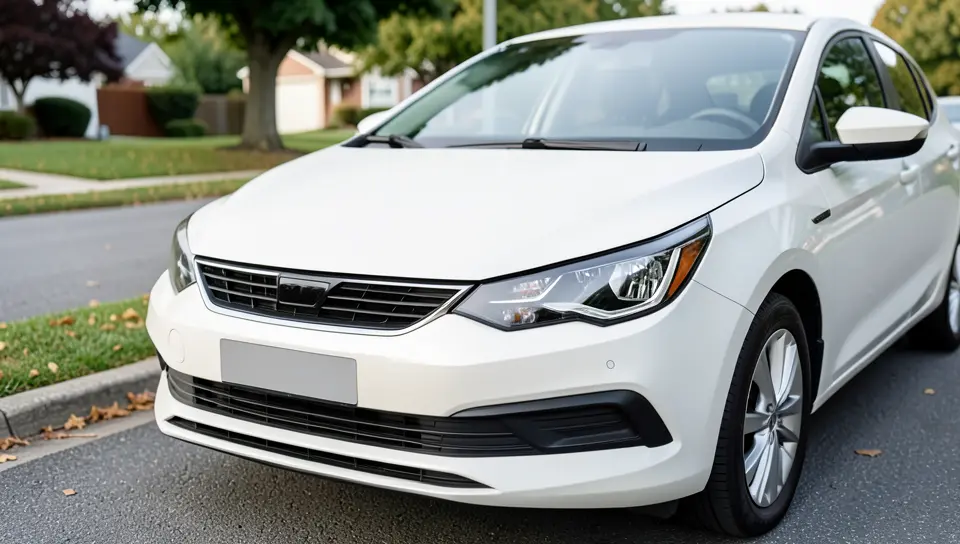
This is where EVs consistently win, and it’s the biggest lever for closing the upfront price gap over time. Electricity is cheaper per mile than gasoline in almost every U.S. market, especially if you charge at home overnight on a lower off-peak utility rate.
Home Charging
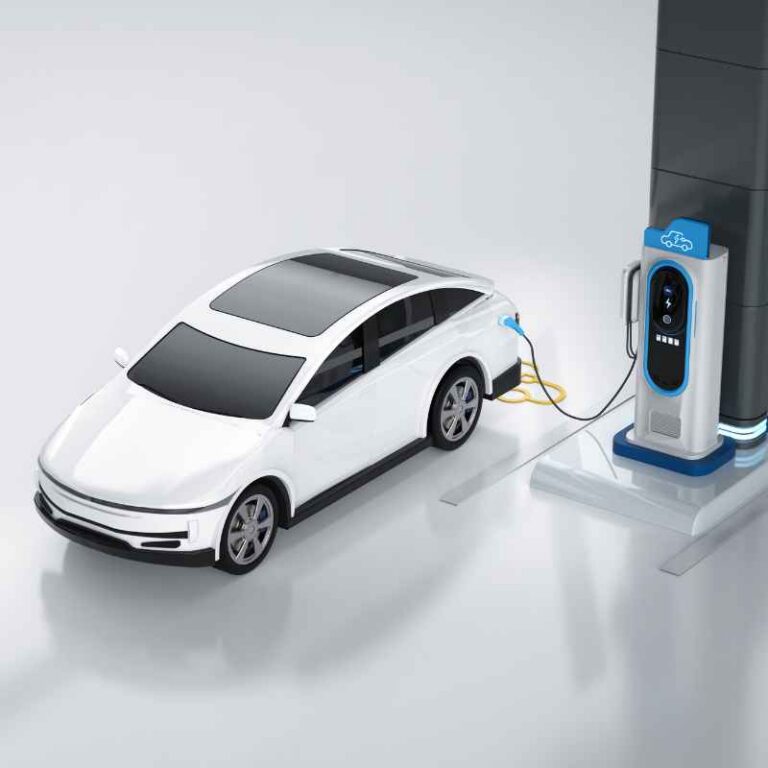
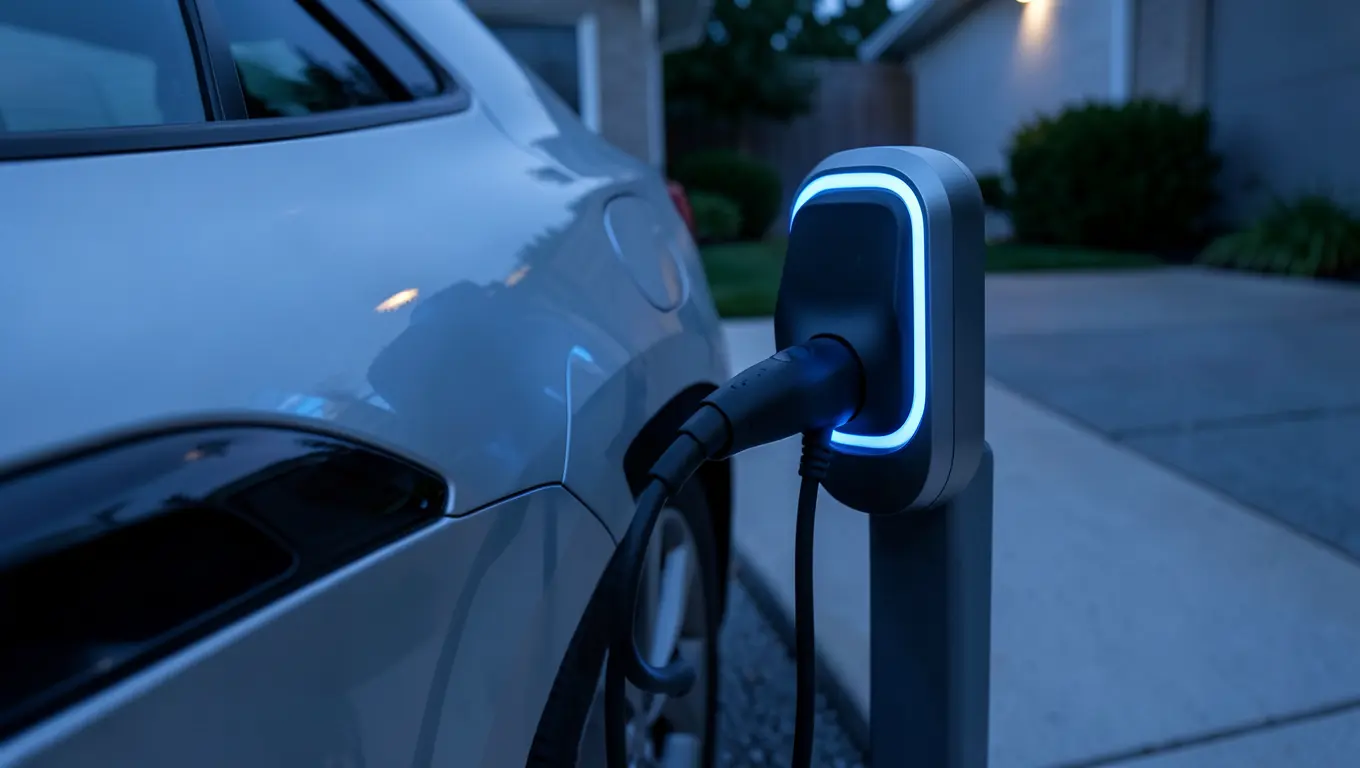
Most EV owners do the vast majority of their charging at home overnight, using either the basic Level 1 cord that comes with the car (slow — roughly 3-5 miles of range per hour) or a Level 2 home charger (much faster — roughly 20-30 miles per hour). A Level 2 charger typically costs $300-$700 for the unit, plus installation, which can run anywhere from a simple outlet swap to a few hundred dollars for a licensed electrician if your panel needs upgrading.
Public Charging
Public DC fast chargers cost more per kWh than home electricity — sometimes close to gas-station-equivalent pricing per mile — but they’re still usually cheaper than gasoline, and they’re essential for road trips. Charging networks and pricing structures (per-minute, per-kWh, or subscription) vary by provider, so a charging app that shows real-time pricing at nearby stations is worth having before a long trip.
What Does an EV Battery Cost to Replace?
EV batteries are built to last the life of the vehicle in the vast majority of cases. Federal regulations require automakers to warranty the battery pack for a minimum of 8 years or 100,000 miles, whichever comes first, and most manufacturers meet or exceed that minimum. Real-world data on Tesla and other early EVs shows most packs still retaining 85-90% of their original capacity well past the 100,000-mile mark.
Out-of-warranty battery replacement is genuinely expensive — depending on the vehicle and pack size, a full replacement can run anywhere from roughly $5,000 to over $20,000. But because of the long warranty coverage and how slowly modern batteries degrade, most owners never pay this out of pocket during a typical ownership period. If you’re buying a used EV, always check the remaining battery warranty and, where available, a battery health/state-of-health report before you buy.
Electric cars need far less routine service than gas cars overall, and the battery is the one component worth paying the most attention to when you’re evaluating long-term cost.
Are Electric Cars Cheaper to Maintain?
Yes, on routine maintenance specifically. EVs have far fewer moving parts than gas cars — no engine oil, no spark plugs, no exhaust system, no transmission fluid in most designs. That eliminates a big chunk of what a typical gas car needs every 5,000-10,000 miles. Brake pads also tend to last significantly longer on an EV because regenerative braking does most of the slowing-down work, saving the friction brakes for harder stops.
There’s one place EVs can cost more: tires. Electric cars are heavier than comparable gas models because of the battery pack, and they deliver instant torque, both of which can wear tires faster. Budget for slightly more frequent tire replacement than you would on a similarly sized gas car, and factor that into your maintenance estimate rather than assuming EVs are cheaper across the board.
Do Electric Cars Cost More to Insure?
Generally, yes — EVs still cost more to insure than gas cars, though the gap is shrinking. According to 2026 insurance industry data, EVs cost an average of about $3,159 per year to insure with full coverage, versus about $2,218 for gas-powered cars — a gap of roughly 42%. The main drivers are higher vehicle values, more expensive specialized parts (especially battery pack and sensor repairs), and fewer independent shops equipped to service EVs, which pushes more repairs to pricier dealer service centers.
That gap narrows considerably for newer model years — insurers report it closer to 18% when comparing only 2024-2026 vehicles, as more shops gain EV repair capability and insurers gather more claims data on newer models. Always get quotes on the exact model you’re considering rather than assuming a flat “EV surcharge,” since the difference varies a lot by make and model.
How Fast Do Electric Cars Lose Value?
Resale value has historically been a weak point for EVs, and it’s still a real consideration in 2026. A few factors drive this: buyers are cautious about buying a used car with an aging, unknown-condition battery; rapid year-over-year improvements in EV range and technology make older models look outdated fast; and the used EV market is still thinner than the used gas car market, so there are simply fewer buyers competing for any given used EV.
The used EV market is maturing, though — more owners are running EVs past the 100,000-mile mark with minimal battery degradation, and that real-world track record is starting to reassure used-car buyers. If resale value matters to you, favor EVs from manufacturers with a longer track record and strong battery health data over a brand-new EV entrant with no resale history yet.
So Are Electric Cars Actually Expensive? The 5-Year Picture
Put all of this together and the honest answer is: it depends heavily on how you drive, where you live, and which specific vehicles you’re comparing — but the math has gotten tougher for EVs now that the federal credit is gone. Before October 2025, the $7,500 credit could largely close the upfront price gap on its own, making the fuel and maintenance savings pure upside. Without it, buyers now have to earn that gap back purely through lower running costs.
| Cost Category | Electric Car | Gas Car |
|---|---|---|
| Upfront price | Higher (~$7,000–$12,000 more on average) | Lower |
| Fuel/charging (5 yrs, ~12,000 mi/yr) | Typically lower, especially with home charging | Higher |
| Routine maintenance | Lower (no oil changes, longer-lasting brakes) | Higher |
| Tires | Often replaced more often | Standard interval |
| Insurance | Higher (~18-42% more, depending on model year) | Lower |
| Resale value | Weaker, improving | More predictable |
Households that drive a lot of miles annually, can charge at home overnight, and hold onto a car for 8-plus years tend to see the strongest case for an EV paying off the upfront premium. Buyers who drive relatively few miles, rely entirely on public charging, or plan to sell within a few years have a much weaker financial case, since the fuel and maintenance savings need more time and more miles to add up.
Frequently Asked Questions
Are Electric Cars More Expensive Than Gas Cars in 2026?
Yes, to buy. The average new EV sells for roughly $55,000 versus roughly $40,000 for a comparable gas car, a gap of about $7,000 to $12,000. That gap can shrink over 5-plus years of ownership thanks to lower fuel and maintenance costs, but it usually doesn’t disappear entirely, especially now that the federal tax credit is gone.
Is the Federal EV Tax Credit Still Available in 2026?
No. The $7,500 federal credit for new EVs and $4,000 credit for used EVs ended on October 1, 2025, under the One Big Beautiful Bill Act. A narrow exception exists for buyers who signed a binding contract and made a qualifying payment before that date. A new auto loan interest deduction (up to $10,000/year, for U.S.-assembled vehicles) is available instead, but it’s not a direct replacement for most buyers.
How Much Does It Cost to Replace an EV Battery?
Out-of-warranty replacement can run from roughly $5,000 to over $20,000 depending on the vehicle. In practice, most owners never pay this, since federal rules require at least an 8-year/100,000-mile battery warranty, and real-world data shows most packs retaining 85-90% of capacity well past that mileage.
Are Electric Cars Cheaper to Maintain Than Gas Cars?
Usually, yes, for routine service — no oil changes, fewer moving parts, and longer-lasting brakes thanks to regenerative braking. The one exception is tires, which can wear faster on an EV due to the extra weight and instant torque, partially offsetting the maintenance savings elsewhere.
Do Electric Cars Cost More to Insure?
Generally, yes — around 42% more on average across all model years, narrowing to roughly 18% more for 2024-2026 model years specifically, according to 2026 insurance industry data. Higher vehicle values and pricier specialized-parts repairs are the main drivers.
Is It Actually Cheaper to Own an Electric Car Over Time?
It depends on your driving habits. High-mileage drivers who charge at home and keep the car for 8-plus years have the strongest case for the fuel and maintenance savings eventually outweighing the higher purchase price and insurance cost. Low-mileage drivers or those relying on public charging have a much weaker financial case for an EV over a comparable gas car.
Conclusion
Electric cars are still more expensive to buy than gas cars in 2026, and that gap got harder to close once the $7,500 federal tax credit ended in October 2025. What’s left — state rebates in some places, a new auto loan interest deduction, and consistently lower fuel and maintenance costs — can still make an EV the better financial choice for the right driver, especially someone who charges at home and racks up a lot of miles.
But it’s no longer a given the way it was when the tax credit was doing most of the work. Run the numbers on the specific model you’re considering, check what state and utility incentives are still active where you live, and weigh the higher insurance cost against the fuel savings before deciding an EV is automatically the cheaper option.
Products related to this article
Sponsored / affiliate links. As an Amazon Associate I earn from qualifying purchases. I may earn additional commission from eligible campaigns.