What Is Involved In Car Detailing? Everything You Should Know
Car detailing is a thorough cleaning and reconditioning process for your vehicle. It goes far beyond a standard wash. It aims to restore and protect your car’s appearance, making it look new again. This includes detailed cleaning inside and out, polishing, waxing, and protecting various surfaces.
The Core of Car Detailing
So, what is car detailing, really? Think of it as a spa day for your car. It’s a deep clean and a meticulous restoration.
A detailer works on every part of your car. They aim to bring it back to its best possible condition. This isn’t just about making it look good for a day.
It’s about preserving its value and beauty for years.
A standard car wash can take away surface dirt. Detailing digs deeper. It tackles stubborn grime, swirl marks on the paint, and odors inside.
It’s a process that requires patience and skill. It also uses special tools and products. These are different from what you might use for a quick weekend clean.
Why do people go through all this? Many reasons. Some want their car to look its absolute best.
Others want to protect their investment. A well-detailed car holds its value better. It also feels great to drive a car that looks and smells clean.
It shows pride in ownership. For some, it’s a passion. For others, it’s a necessity to keep a beloved vehicle looking sharp.
My First Real Detailing Experience
I remember my first car. It was an older sedan. I loved it, but it had seen better days.
The paint was faded in spots. The interior smelled faintly of old coffee and gym socks. I decided to treat myself to a professional detail.
I wasn’t sure what to expect. I thought it would just be a really good wash.
The detailer arrived with a van full of gear. It looked like a mobile laboratory. They started with the exterior.
They didn’t just spray it down. They used a special soap and a soft wash mitt. They worked from top to bottom.
Then came the clay bar. I had never heard of a clay bar. It felt weird, like I was rubbing an eraser on my car.
But then, the paint felt smoother. They explained it lifted bonded contaminants. Things I couldn’t even see.
After that, they polished the paint. It was like magic. Faint scratches disappeared.
The shine came back. Inside, they steam-cleaned the carpets. They conditioned the leather.
They even cleaned the tiny vents with brushes. When they finished, I barely recognized my car. It was like new again.
That’s when I truly understood what detailing involved.
The Detailing Process: Key Stages
Exterior Cleaning: This is more than just a wash. It includes:
- Pre-wash: Loosening dirt and grime.
- Hand Wash: Using pH-neutral soap and microfiber mitts.
- Decontamination: Using a clay bar to remove embedded grit.
- Paint Correction: Removing scratches, swirl marks, and oxidation with polishing.
- Protection: Applying wax, sealant, or ceramic coating.
Exterior Detailing: Beyond the Wash
The exterior is often the first thing people notice. So, it gets a lot of attention in detailing. It starts with a thorough wash, as we touched on.
But it’s a careful wash. High-pressure washers are used, but with care. They spray from a distance.
This removes loose dirt without scratching the paint.
Then comes the decontamination stage. This is where a clay bar comes in. Imagine your car’s paint.
It’s not perfectly smooth. Tiny particles of brake dust, industrial fallout, and tar can stick to it. These are bonded to the paint.
A regular wash can’t remove them. A clay bar is a synthetic putty. It glides over the paint.
It safely lifts these bonded contaminants. Your paint will feel incredibly smooth after this. It’s a game-changer for paint quality.
After cleaning and decontaminating, the paint might still have minor imperfections. These can be swirl marks from automatic car washes. Or light scratches from brushing against things.
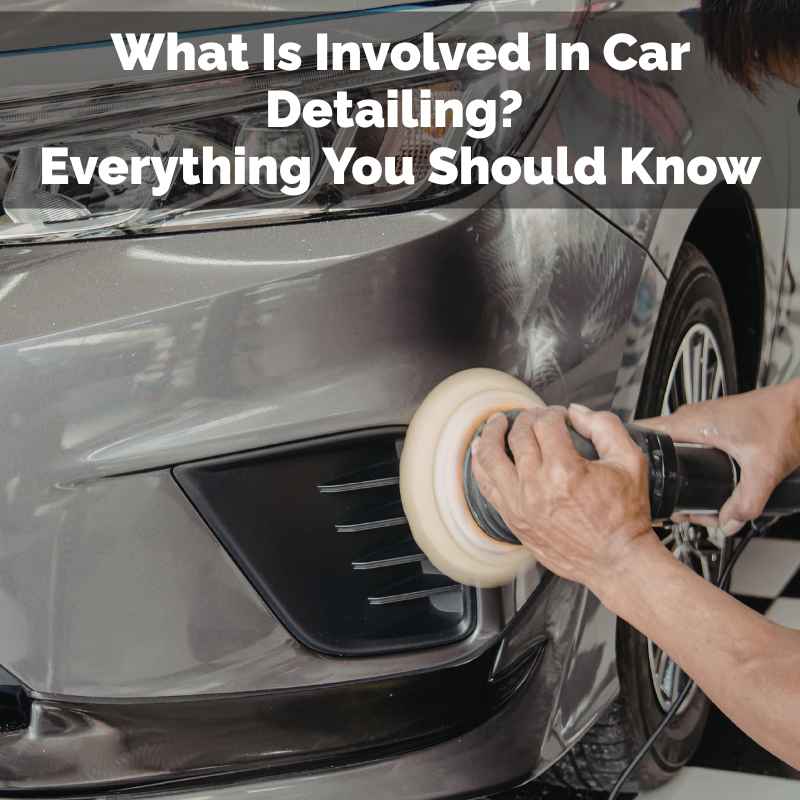
Paint correction is the next step. This involves using machine polishers. These use abrasive compounds and polishes.
They gently remove a thin layer of the clear coat. This process levels out the surface. It makes scratches and swirls vanish.
It reveals the true depth of the paint color. It’s often the most impactful part of exterior detailing.
Finally, protection is key. Once the paint is perfect, you want to keep it that way. This is where waxes, sealants, and ceramic coatings come in.
Wax is traditional. It offers a warm shine. Sealants offer longer-lasting protection.
Ceramic coatings are the newest. They form a hard, glass-like layer. They offer superior durability and hydrophobic properties.
This means water beads and rolls off. It makes the car easier to clean. It also protects the paint from UV rays and chemicals.
Protecting Your Paint: What’s the Difference?
- Wax: Natural (often carnauba). Easy to apply. Lasts 1-3 months. Adds depth and warmth.
- Sealant: Synthetic polymer. Lasts 4-6 months. Offers strong protection and shine.
- Ceramic Coating: Liquid glass. Lasts 1-5+ years. Creates a hard, slick, hydrophobic layer. Excellent protection.
Interior Detailing: A Breath of Fresh Air
The inside of your car is where you spend most of your time. So, interior detailing is just as important. It’s not just about vacuuming.
It’s about deep cleaning every surface. This makes your car a more pleasant place to be. It also helps maintain the materials.
The process usually starts with a thorough vacuum. This removes crumbs, dirt, and debris. Every nook and cranny is reached.
Special attachments help get into tight spaces. Then, the carpets and floor mats get attention. These are often deep cleaned.
Stains are treated. Steam cleaning can lift tough dirt and kill bacteria. This helps eliminate odors.
It leaves fabrics feeling fresh.
Seats are next. If you have leather seats, they are cleaned and conditioned. This prevents them from drying out and cracking.
For cloth seats, specific cleaners lift stains and dirt. Even the headliner gets a gentle clean. It’s amazing how much dirt can accumulate there.
Then comes the dashboard, door panels, and all plastic or vinyl surfaces. These are cleaned to remove dust and grime. Then, they are treated with protectants.
These products add a matte or satin finish. They also offer UV protection. This prevents fading and cracking.
This is crucial in sunny climates.
Don’t forget the glass! All interior glass is cleaned for maximum clarity. This removes film and streaks.
It improves visibility. Sometimes, even the vents get special attention. Small brushes and vacuums clean out dust trapped inside.
The result is an interior that feels brand new. It smells fresh and looks immaculate.
Interior Cleaning Checklist
- Vacuuming: Floors, seats, trunk, crevices.
- Carpet & Upholstery Cleaning: Stain removal, shampooing.
- Leather Care: Cleaning and conditioning.
- Plastic & Vinyl Restoration: Cleaning and UV protection.
- Glass Cleaning: Interior windows and mirrors.
- Detailing Small Areas: Vents, consoles, door jambs.
Specialized Detailing Services
Beyond the standard interior and exterior work, there are specialized services. These tackle specific issues. They enhance the car’s appearance and protection even further.
Headlight Restoration: Over time, headlights can become cloudy and yellow. This reduces light output and looks bad. Restoration involves sanding down the plastic.
Then, it’s polished and sealed. This makes them clear again. It’s a safety and aesthetic upgrade.
Engine Bay Detailing: This is often overlooked. The engine bay is cleaned and dressed. This makes it look much tidier.
It can also help identify potential leaks early. It’s a nice touch for car enthusiasts.
Convertible Top Cleaning: Fabric convertible tops need special care. They are cleaned gently. Then, a fabric protectant is applied.
This repels water and stains. It extends the life of the top.
Odor Elimination: For persistent smells, detailing goes deeper. Ozone treatments or professional-grade odor removers are used. These break down odor molecules at their source.
They don’t just mask the smell.
Water Spot Removal: Hard water spots can etch into paint. Specialized chemicals and techniques remove these. It’s important to address them quickly.
These services show the depth of what car detailing can involve. It’s tailored to the specific needs of the vehicle.
Quick Scan: What Happens When?
| Service | Purpose | Typical Time |
| Basic Wash & Wax | Surface clean and shine | 1-2 hours |
| Full Exterior Detail | Wash, clay, polish, wax | 3-6 hours |
| Full Interior Detail | Deep clean, vacuum, shampoo, condition | 3-5 hours |
| Paint Correction | Remove scratches and swirls | 4-10+ hours (depends on paint condition) |
| Ceramic Coating | Long-term paint protection | 6-12+ hours (includes paint prep) |
Tools and Products of the Trade
You can’t detail a car without the right equipment. Professional detailers use a wide array of specialized tools and products. This is part of what makes professional detailing so effective.
For Washing: They use pH-neutral car shampoos. These won’t strip existing wax or sealant. They also use soft wash mitts made of microfiber or lamb’s wool.
Grit guards in buckets keep dirt from getting back on the mitt. High-pressure washers are used with specific nozzles.
For Paint Correction: This is where power tools come in. Dual-action (DA) polishers are common. They are safer for beginners than rotary polishers.
Different pads are used for different tasks: cutting, polishing, and finishing. A variety of compounds and polishes are on hand. These have different levels of abrasiveness.
For Interior Cleaning: Extractors are used for deep carpet cleaning. They spray solution and then suck up the dirt and water. Steam cleaners are great for sanitizing and lifting grime.
Various brushes, from soft detailing brushes to stiffer carpet brushes, are essential. Microfiber towels are used everywhere. Different types are used for drying, buffing, and cleaning.
For Protection: Applicator pads for waxes and sealants are important. For ceramic coatings, specialized applicators and towels are used. High-quality spray bottles are needed for various cleaners and dressings.
It’s a lot of gear! This ensures each step is done correctly and safely. Using the wrong product or tool can cause damage.
That’s why expertise matters.
Essential Detailing Supplies
- Microfiber Towels: Many! For drying, buffing, cleaning.
- Wash Mitts: Soft, non-abrasive.
- Buckets with Grit Guards: Two are ideal.
- pH-Neutral Car Shampoo: Gentle cleaning.
- Clay Bar and Lubricant: To remove bonded contaminants.
- Polisher (Dual-Action): For paint correction.
- Compounds and Polishes: For scratch removal.
- Waxes, Sealants, or Ceramic Coatings: For paint protection.
- Interior Cleaners and Conditioners: For various surfaces.
- Extractors and Steam Cleaners: For deep interior cleaning.
- Detailing Brushes: For vents, seams, and tight spots.
What Does This Mean for You?
Understanding what car detailing involves helps you make informed decisions. You can decide if it’s something you want to do yourself or hire out. You also know what to look for when choosing a detailer.
When is it normal? A full detail is a significant investment of time and money. It’s a great way to refresh an older car. It’s also perfect before selling a vehicle.
Or after a particularly messy event, like a road trip through mud.
When should you worry? If you notice significant paint damage, like deep scratches or rust spots, detailing might not fix it alone. Some interior issues, like mold or extensive water damage, might need professional repair beyond detailing.
Simple checks you can do: Before a detail, look at your paint in the sun. Can you see swirl marks? Does the paint feel rough?
Inside, check for stubborn stains or odors. Are the seats dry and cracking? These are all things a good detailer can address.
You don’t need a professional detail every month. A regular wash and interior clean will maintain things. But a full detail every year or two can make a huge difference.
It preserves your car’s appearance and value.
DIY vs. Professional Detailing
The decision to DIY or go pro depends on your time, budget, and skill level. Both have their pros and cons. What exactly is involved in each?
DIY Detailing: This can be very rewarding. You learn new skills. You save money compared to professional services.
You can do it on your own schedule. However, it requires an investment in tools and products. You need space to work, ideally out of direct sunlight.
Learning the proper techniques is crucial. Mistakes can happen. For instance, aggressive polishing can burn through paint if not done carefully.
Professional Detailing: This offers convenience and expertise. Professionals have the right tools, products, and experience. They can achieve results that are hard for a beginner to match.
They can diagnose paint issues and correct them effectively. The downside is cost. A full detail can cost hundreds of dollars.
You also need to schedule an appointment.
It’s a balance. For basic cleaning and maintenance, DIY is perfectly fine. For paint correction and advanced protection like ceramic coatings, professional help might be worth it, especially for your first time.
Many people find a middle ground. They might do regular washes and interior cleaning themselves. Then, they book a professional detailer once a year for paint correction and protection.
DIY vs. Pro: Quick Comparison
- DIY:
- Cost-effective (long term)
- Learn new skills
- Work on your schedule
- Requires tools and knowledge
- Risk of mistakes
- Professional:
- Convenient, time-saving
- Expertise and results
- Access to professional tools
- Higher initial cost
- Scheduling required
Maintaining Your Detailed Car
Once your car is detailed, you want to keep it looking that way. This is where a good maintenance routine comes in. It’s much easier to maintain a clean car than to bring a dirty one back to life.
Regular Washing: Wash your car every 1-2 weeks. Use the two-bucket method to avoid scratching. Dry it thoroughly with a clean microfiber towel.
Interior Care: Vacuum the interior regularly. Wipe down surfaces with an interior cleaner and protectant. Address spills immediately to prevent stains.
Parking Smart: If possible, park in a garage or shaded area. This protects the paint from sun, bird droppings, and tree sap. Avoid parking under trees known for sap or bird activity.
Quick Touch-Ups: Keep a quick detailer spray and a microfiber towel in your car. Use it to wipe away light dust or smudges. This prevents them from building up.
Be Mindful: Be aware of what you’re putting on or in your car. Avoid harsh chemicals. If you eat in your car, try to be neat.
Small habits make a big difference.
Consistent care is the key. A well-maintained car not only looks better but also lasts longer. It’s a testament to how much you care about your vehicle.
Frequently Asked Questions
How often should I get my car detailed?
Most people benefit from a full detail once or twice a year. If you live in a harsh climate or drive a lot, more frequent details might be needed. Regular washing and interior cleaning between details are also important.
How often should I get my car detailed?
Most people benefit from a full detail once or twice a year. If you live in a harsh climate or drive a lot, more frequent details might be needed. Regular washing and interior cleaning between details are also important.
Can car detailing fix deep scratches?
Detailing can fix light scratches and swirl marks through paint correction. Deep scratches that go through the clear coat and into the paint color usually require professional body shop repair or touch-up paint. A detailer can often make them less noticeable but may not remove them completely.
Can car detailing fix deep scratches?
Detailing can fix light scratches and swirl marks through paint correction. Deep scratches that go through the clear coat and into the paint color usually require professional body shop repair or touch-up paint. A detailer can often make them less noticeable but may not remove them completely.
What is the difference between waxing and ceramic coating?
Waxing offers a warm shine and lasts about 1-3 months. Ceramic coating creates a hard, durable layer that lasts much longer (1-5+ years) and provides superior protection against chemicals, UV rays, and minor scratches. Ceramic coatings are also highly hydrophobic.
What is the difference between waxing and ceramic coating?
Waxing offers a warm shine and lasts about 1-3 months. Ceramic coating creates a hard, durable layer that lasts much longer (1-5+ years) and provides superior protection against chemicals, UV rays, and minor scratches. Ceramic coatings are also highly hydrophobic.
Is professional interior detailing worth the cost?
Yes, for many people. Professional interior detailing goes deep to remove stains, odors, and grime that regular vacuuming and wiping can’t reach. It makes the car healthier and more pleasant to be in.
It also helps preserve interior materials.
Is professional interior detailing worth the cost?
Yes, for many people. Professional interior detailing goes deep to remove stains, odors, and grime that regular vacuuming and wiping can’t reach. It makes the car healthier and more pleasant to be in.
It also helps preserve interior materials.
What are bonded contaminants on car paint?
Bonded contaminants are particles that stick firmly to your car’s paint surface. This includes industrial fallout, brake dust, tar, and tree sap. They can’t be removed by washing alone and make the paint feel rough.
A clay bar is used to lift them off.
What are bonded contaminants on car paint?
Bonded contaminants are particles that stick firmly to your car’s paint surface. This includes industrial fallout, brake dust, tar, and tree sap. They can’t be removed by washing alone and make the paint feel rough.
A clay bar is used to lift them off.
Can car detailing improve fuel efficiency?
While not a direct effect, a clean car, especially with a smooth, waxed exterior, can have slightly improved aerodynamics. This might lead to a very small improvement in fuel efficiency. However, the main benefits are aesthetic and protective, not significant fuel savings.
Can car detailing improve fuel efficiency?
While not a direct effect, a clean car, especially with a smooth, waxed exterior, can have slightly improved aerodynamics. This might lead to a very small improvement in fuel efficiency. However, the main benefits are aesthetic and protective, not significant fuel savings.
Conclusion: The Shine That Lasts
Car detailing is a comprehensive process. It’s about much more than a quick wash. It involves deep cleaning, restoration, and protection for your vehicle’s exterior and interior.
It uses specialized tools and products. It aims to bring your car back to its best possible condition. Understanding what’s involved helps you appreciate the effort.
It also guides you in choosing services. Whether you DIY or hire a pro, proper detailing keeps your car looking great. It preserves its value and makes driving a joy.
The result is a car that truly shines.
Products related to this article
Sponsored / affiliate links. As an Amazon Associate I earn from qualifying purchases. I may earn additional commission from eligible campaigns.