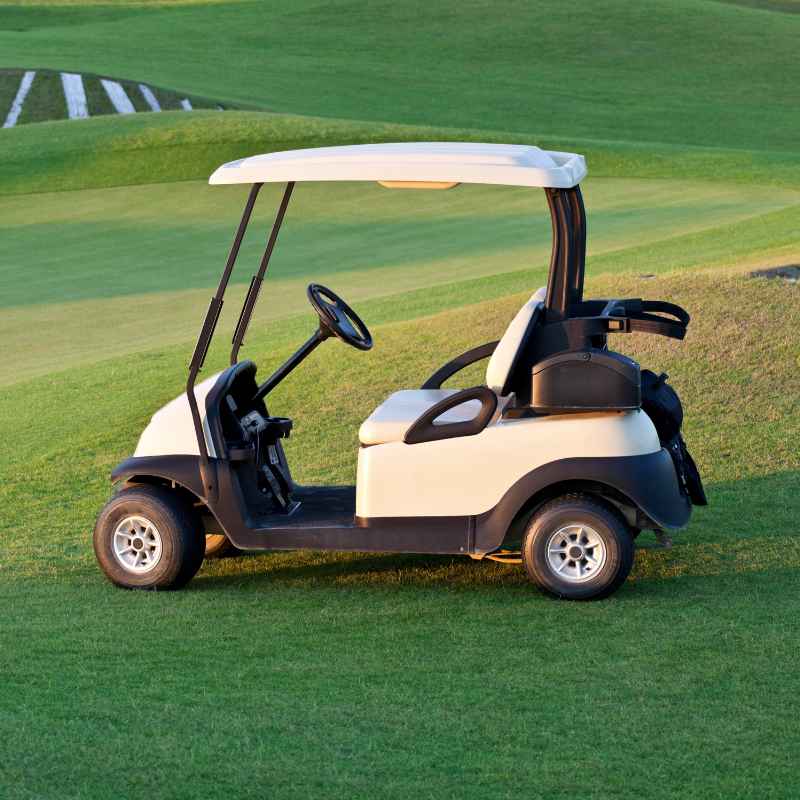
Does Car Insurance Cover Golf Cart Accidents? Find Out
It’s a beautiful day. You’re heading to the golf course, maybe for a friendly game or a serious tournament. You hop into your golf cart, a familiar and usually safe way to get around the links.
But then, something unexpected happens. An accident occurs. Suddenly, you’re wondering, “Does my car insurance cover this?”
This thought can bring a wave of worry. Golf carts are often seen as fun accessories, not vehicles that need serious insurance coverage. But when something goes wrong, the questions about who pays for what can get complicated fast.
We’ll break down this exact situation for you.
We want to help you feel confident about your coverage. This article will explore how your car insurance might apply to golf cart accidents. We’ll cover what’s typically included and what’s not.
You’ll learn about different scenarios and what steps to take if an accident happens.
Generally, standard car insurance policies do not automatically cover golf cart accidents. Coverage may depend on where the golf cart was used, its classification, and specific policy add-ons. It’s crucial to review your policy or speak with your insurer for clarity on golf cart usage.
Understanding Golf Cart Insurance Needs
Golf carts are a common sight on golf courses. They make navigating the large greens easier and more enjoyable. But sometimes, golf carts are used in other places too.
This could be in retirement communities, on private roads, or even in gated neighborhoods. This is where things can get a little tricky.
The main question is about how the law sees these vehicles. Is a golf cart considered a standard motor vehicle? In most cases, no.
This is because they are not built for public roads. They often lack the safety features of cars, like airbags or seatbelts. They also usually travel at lower speeds.
Because of this, your regular car insurance policy, which is designed for cars, trucks, and SUVs, might not extend to golf cart use. It’s like trying to use a bike helmet for a motorcycle; they serve similar purposes but are not interchangeable in terms of safety and legal requirements.
So, why does this matter? If you cause an accident involving a golf cart, or if you are injured in one, you need to know who is responsible for the costs. This includes damage to property, medical bills, and any other related expenses.
Without the right coverage, these costs can be very high.
We’ll look at the different types of golf carts. Some are very basic. Others are more like small cars, sometimes called LSVs (Low-Speed Vehicles).
The type of cart can affect your insurance needs. This distinction is important for understanding your options.

My Golf Cart Mishap: A Time I Learned a Lesson
I remember one summer afternoon. The sun was warm, and the air smelled of freshly cut grass. I was at a friend’s house in a planned community where golf carts were the main way to get around.
My friend let me borrow his cart to run a quick errand to the community store. I’d driven them before, but always on the course.
This time, I was on a paved path that was also used by bicycles and pedestrians. I was cruising along, perhaps a little too fast for the turns. I wasn’t really paying attention to the narrow path ahead.
Suddenly, I swerved to avoid a stroller. The cart tipped over.
I wasn’t seriously hurt, thankfully. Just some scrapes and a bruised ego. But the cart sustained some damage.
My immediate thought was, “Oh no! What do I do?” My friend’s insurance came to mind. But was it his car insurance?
Or was it something else? I felt a knot of panic in my stomach. I’d always assumed that if I was driving a vehicle, my car insurance would have my back.
This moment showed me that it wasn’t that simple.
I had to call my friend and explain. He was understanding, but the realization hit us both: golf cart accidents aren’t always covered by standard auto insurance. It made me appreciate how important it is to understand the specific rules for different types of vehicles and where you use them.
That experience was a wake-up call.
We spent the next hour looking up local rules and his insurance policy. It turned out his community had a special insurance requirement for golf cart owners. It wasn’t his regular car insurance at all.
This is a common oversight for many people. They assume their existing coverage is enough.
Golf Cart Types and Their Impact
Basic Golf Carts:
- Designed for low speeds.
- Primarily for golf courses.
- Often lack safety features like seatbelts or lights.
- Usually not street-legal.
Low-Speed Vehicles (LSVs):
- Also called Neighborhood Electric Vehicles (NEVs).
- Must meet Federal Motor Vehicle Safety Standards (FMVSS).
- Equipped with headlights, taillights, turn signals, mirrors, and seat belts.
- Can be street-legal on roads with speed limits of 35 mph or less.
Custom Golf Carts:
- Can range from basic to highly modified.
- Modifications might change their legal status.
- Street-legal status depends on local laws and specific features.
Car Insurance and Golf Carts: The Standard View
When you think about car insurance, you usually picture protecting yourself and your vehicle on public roads. Your policy has sections for bodily injury liability, property damage liability, collision, comprehensive, and uninsured/underinsured motorist coverage. These are all designed for standard automobiles.
The key here is how your policy defines a “vehicle” or “automobile.” Most standard auto insurance policies define these terms narrowly. They typically refer to four-wheeled motor vehicles registered for road use. Golf carts, especially basic models, often do not meet these criteria.
This means that if you’re driving a golf cart on a golf course and have an accident, your car insurance probably won’t kick in. The same applies if you’re using it in a private community or on paths where it’s not considered a registered vehicle.
Why is this the case? Insurers price risk based on where and how vehicles are used. Public roads have higher risks due to traffic density, speed, and varied driving conditions.
Golf courses and private paths have different risk profiles. Your premium reflects the risks associated with your insured vehicle on public roads.
So, if your car insurance doesn’t cover it, what does? This is where you need to look beyond your standard auto policy. The responsibility often falls on other types of coverage or specific endorsements.
It’s also important to consider the location of the accident. If you’re on a private golf course, the course might have its own liability insurance. However, this insurance is primarily to protect the course, not necessarily to cover you as a golfer if you cause an accident.
Navigating Coverage for Golf Course Use
Golf courses are specific environments. They have their own set of rules and insurance considerations. When you are on a golf course, the situation can be different than on a public street.
Many golf courses require golfers to sign waivers. These waivers often state that golfers assume responsibility for any accidents that occur while using golf carts. This means if you damage the cart, damage the course, or injure someone else, you might be personally liable.
Your car insurance policy is usually not designed to cover liability on private property like a golf course for a vehicle not meant for public roads. So, if you crash into a fancy golf cart shed or injure another golfer, your standard policy won’t likely respond.
Some people think their homeowner’s insurance might help. Homeowner’s insurance typically covers liability on your property. It can also cover damage to your personal property.
However, it usually has exclusions for vehicles that are motorized and used off your property, even on a golf course.
What about the golf cart itself? If you own the golf cart, you might be responsible for its repair or replacement if it’s damaged in an accident you cause. If you rent a cart from the course, the rental agreement will detail your responsibility for any damage or injury.
The course’s insurance policy typically covers the golf carts they own and rent out. But this coverage is usually for the course’s liability. It may not cover your personal liability if you are found to be at fault for an accident that causes damage or injury to others.
This is a good time to think about the cost. Damage to a golf cart can range from a few hundred dollars for minor cosmetic issues to thousands for mechanical repairs or structural damage. Medical bills for injuries can also add up very quickly, especially if someone is seriously hurt.
When Golf Carts Go Off the Course: Community and Street Use
The rules change quite a bit when golf carts are used outside of a golf course. This happens frequently in planned communities, RV parks, retirement villages, and even some towns that allow them on local streets.
If a golf cart is used on public roads, even low-speed ones, it often needs to be classified as a Low-Speed Vehicle (LSV) or a similar designation. For a golf cart to be classified as an LSV, it must meet specific federal safety standards. These include things like headlights, taillights, turn signals, mirrors, seat belts, and a Vehicle Identification Number (VIN).
If your golf cart meets the criteria for an LSV and is registered and insured as required by your state or local laws, then your car insurance might provide coverage. This is because it is now being treated more like a traditional vehicle for road use.
However, this isn’t automatic. You need to ensure your insurance policy explicitly covers the use of LSVs or golf carts in these scenarios. Some policies might require a special endorsement or a separate policy altogether.
Many people don’t realize their standard auto policy has limitations. They might use a golf cart-like vehicle in their neighborhood without checking. Then, if an accident happens, they are surprised to find out they aren’t covered.
Consider this: If you’re driving an LSV on a 30 mph road and get into an accident with another car, your car insurance might cover the damages and injuries to the other party. Your own medical bills might be covered by your health insurance or potentially by your auto policy’s medical payments coverage, depending on the policy wording.
But what if the golf cart is modified? Adding bigger tires, a lift kit, or removing safety features can change its legal classification. If a modified golf cart is no longer considered a street-legal LSV, it might revert to being treated like a basic golf cart, and your car insurance likely won’t cover it.
This highlights the importance of knowing the laws in your area. Different states and municipalities have different rules for golf carts and LSVs. What is legal in one place might not be legal in another.
Exploring Specific Insurance Options for Golf Carts
Since standard car insurance often falls short for golf cart use, what are the alternatives? Fortunately, there are specific insurance solutions available. These are designed to fill the gaps and provide the protection you need.
1. Golf Cart Insurance Policy:
This is a specialized policy designed for golf carts. It works much like a car insurance policy but is tailored for golf cart risks. It can cover:
- Liability: If you cause an accident that injures someone or damages their property.
- Collision: Damage to your own golf cart if it’s in an accident, whether you’re at fault or not.
- Comprehensive: Theft, vandalism, fire, or other damage not related to a collision.
- Medical Payments: Covers medical expenses for you and your passengers, regardless of fault.
These policies are ideal if you own your golf cart and use it regularly, especially if you use it in communities or on roads where it might be street-legal.
2. Adding an Endorsement to Your Auto Policy:
Some insurance companies allow you to add an endorsement or rider to your existing car insurance policy. This endorsement would specifically extend coverage to your golf cart. It’s crucial to discuss this with your insurer.
They will determine if this is an option and what it will cost.
This might be a good choice if you use your golf cart infrequently or only in very specific, limited situations. It can be more cost-effective than a standalone policy.
3. Homeowner’s or Renter’s Insurance (Limited Use):
As mentioned, homeowner’s or renter’s insurance typically has exclusions for motorized vehicles. However, in some very specific circumstances, it might offer some limited liability coverage if the golf cart is used on your property. This is rare and should not be relied upon for general golf cart use off your own land.
4. Community or HOA Insurance:
Some homeowner associations (HOAs) or planned communities might require all residents who own golf carts to carry a specific type of insurance. They may even offer a group policy. Check with your HOA or community management to see if this applies.
When choosing a policy, consider your usage. Do you use it just for the golf course? Do you drive it around your neighborhood?
How often? What is the speed limit where you drive it? The answers to these questions will help you decide the best type of coverage.
What to Do If a Golf Cart Accident Happens
Nobody plans for an accident, but knowing what to do can make a difficult situation much more manageable. If you are involved in a golf cart accident, the steps are similar to any other vehicle accident.
1. Ensure Safety First:
Check yourself and any passengers for injuries. If anyone is hurt, call for emergency medical assistance immediately (911 in the U.S.). Move to a safe location if possible, but do not put yourself at further risk.
2. Call the Authorities (If Necessary):
If there are injuries, significant property damage, or if the accident involves another vehicle (even a golf cart on a road), it’s a good idea to call the police. They can help document the scene and determine fault.
3. Exchange Information:
Gather information from all parties involved. This includes names, addresses, phone numbers, and if applicable, insurance company names and policy numbers. If there are witnesses, get their contact information too.
4. Document the Scene:
Take pictures and videos of the accident scene. Document the damage to all vehicles involved, any injuries, road conditions, and any contributing factors (like poor lighting or signage). This evidence is invaluable for insurance claims.
5. Report the Accident to Your Insurer:
Contact your insurance company as soon as possible. Even if you’re unsure if you have coverage, report the incident. They can guide you on the next steps and explain what your policy does or doesn’t cover.
Be honest and provide all the details accurately.
6. Review Rental Agreements:
If you were renting the golf cart, review the rental agreement. It will outline your responsibilities for damage or accidents. You may need to report the incident to the rental company immediately.
Remember, the key is to act calmly and methodically. The more information you can gather and the sooner you report it, the smoother the claims process will be. This is especially true if you have specific golf cart insurance or an endorsement on your auto policy.
My Own Close Call with a Rented Cart
I recall renting a golf cart for a weekend getaway at a lake resort. It was a place where golf carts were the primary transportation around the property. The rental company had a stack of paperwork, and I, eager to hit the water, signed it all without much thought.
It was a basic model, not street-legal.
On our second day, while navigating a sandy path near the lake, the cart’s tire got stuck in a soft patch. When I tried to accelerate, the cart jolted violently, throwing my passenger forward. Thankfully, they only had a bruised arm and a scare.
But the cart’s front end dipped down, damaging the suspension.
My first instinct was to call my car insurance. Then I remembered the rental agreement. I reread the section on damage and liability.
It was very clear: the renter was responsible for all damages, and they specified a hefty deductible. My car insurance was irrelevant here.
I had to call the rental company right away. They sent someone out to assess the damage. Because I hadn’t taken out their optional damage waiver, I was liable for the repair costs.
It was a few hundred dollars, which felt like a lot for a damaged tire and suspension. It was a lesson learned about reading the fine print, especially when renting vehicles.
This experience reinforced for me that even for seemingly simple vehicles like golf carts, especially when rented, specific terms and conditions apply. My regular car insurance didn’t offer a safety net. I paid for my lack of attention to the rental contract.
It’s a reminder that ‘assumed’ coverage isn’t real coverage.
When It’s Normal vs. When to Worry
Understanding when a golf cart accident situation is considered normal or a cause for concern is important. It helps you manage expectations and take the right actions.
When it’s Normal (and what that might mean):
- Minor Scrapes on a Golf Course: If you lightly bump another golf cart while parking, or scuff the paint on a golf cart you rented, and the damage is cosmetic and minor. The golf course or rental company might have insurance to cover this, or you might pay a small fee as per your rental agreement. Your personal liability isn’t usually involved here.
- Damage to Your Own Rented Cart (with waiver): If you purchased a damage waiver from the rental company and the damage is covered by that waiver, it’s often considered a “normal” part of the rental process. You report it, and the waiver handles the cost.
- Slight Fender Benders on Private Paths: If two golf carts have a very low-speed collision on a private path within a community, and there are no injuries and only minor cosmetic damage, it might be handled directly between the owners or through community rules.
When to Worry (and take action):
- Any Injuries: If anyone, including yourself, another golfer, a pedestrian, or the driver of another vehicle, is injured. Medical costs can skyrocket. This is a serious situation requiring immediate attention and likely insurance involvement.
- Significant Property Damage: If the accident causes substantial damage to the golf cart(s), other vehicles, buildings, or property. This could involve costs in the thousands of dollars.
- Accidents on Public Roads: If the golf cart is being used on a public street, even a low-speed one, and an accident occurs. This is where legal and insurance complexities increase dramatically.
- Hit-and-Run Incidents: If you are involved in an accident and the other party leaves the scene, this is always a cause for concern and requires reporting to authorities.
- Uninsured or Underinsured Parties: If the at-fault party has no insurance or insufficient insurance to cover the damages and injuries. This is where your own uninsured/underinsured motorist coverage might come into play, if applicable.
The key factor is always potential cost and liability. If there’s a risk of high expenses due to injuries or major damage, or if legal regulations are involved (like on public roads), it’s time to worry and ensure you have the correct coverage and report the incident appropriately.
Practical Tips for Golf Cart Safety and Coverage
Accidents can happen, but you can take steps to minimize risk and ensure you’re covered. Here are some practical tips:
- Know Your Cart: Understand the type of golf cart you’re using. Is it a basic model, or is it an LSV? This impacts its legal status and insurance needs.
- Check Your Policy: Review your current auto insurance policy carefully. Look for definitions of covered vehicles and any exclusions related to golf carts or LSVs. If you’re unsure, call your agent.
- Consider Specific Coverage: If you own a golf cart or use one frequently in communities, explore specialized golf cart insurance policies or endorsements for your auto policy.
- Understand Local Laws: Be aware of the laws in your area regarding golf cart usage. Know which roads they are permitted on, speed limits, and any registration or insurance requirements.
- Use Caution on Golf Courses: Always drive golf carts cautiously on the course. Pay attention to other golfers, hazards, and the terrain. Follow the course’s rules for cart operation.
- Read Rental Agreements: If you rent a golf cart, read the entire rental agreement before signing. Pay close attention to clauses about damage, liability, and insurance. Consider purchasing any offered damage waivers if the cost is reasonable and you want added peace of mind.
- Drive Responsibly: Never drive a golf cart under the influence of alcohol or drugs. Operate it at safe speeds and be aware of your surroundings.
- Seatbelts and Passengers: Use seatbelts if they are available. Do not overload the golf cart with more passengers than it is designed to carry.
These tips can help you stay safe and protected, whether you’re on the fairway or navigating your neighborhood.
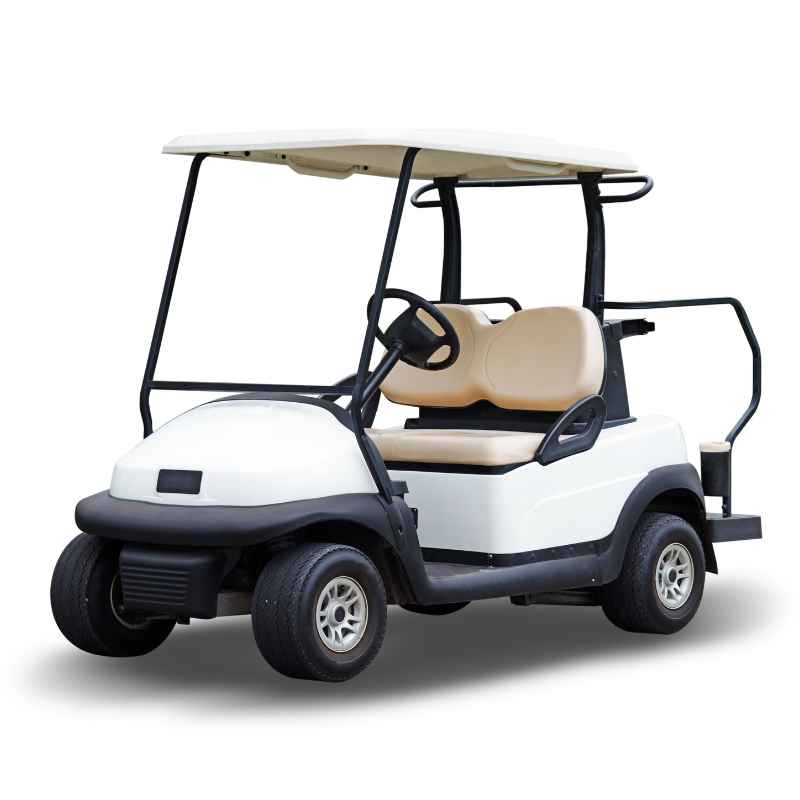
Frequently Asked Questions About Golf Cart Accidents and Insurance
Is a golf cart considered a car by insurance companies?
No, generally a standard golf cart is not considered a car by most insurance companies. Your typical auto insurance policy is designed for registered vehicles used on public roads and may not cover golf carts, especially when used on golf courses or private property.
Does my homeowner’s insurance cover golf cart accidents?
Homeowner’s insurance usually has exclusions for motorized vehicles. While it might offer some limited liability coverage for incidents on your own property, it’s generally not a reliable source of coverage for golf cart accidents that occur off your property or involve significant vehicle damage.
What if I’m injured while riding in a golf cart?
If you are injured as a passenger in a golf cart, your ability to recover costs depends on who was at fault and the insurance coverage available. If the driver was at fault and had specific golf cart insurance or a suitable auto policy, that coverage might apply. Your own health insurance may also cover medical bills.
Can I get car insurance for my golf cart?
Yes, you can get insurance specifically for your golf cart. This can be a standalone policy or sometimes an endorsement added to your existing auto insurance policy. It’s best to speak with an insurance agent to find the right coverage for your needs.
What is a Low-Speed Vehicle (LSV) and how does it relate to golf carts?
A Low-Speed Vehicle (LSV) is a street-legal motorized vehicle that has a top speed between 20 and 25 mph. LSVs must meet federal safety standards, including having lights, seat belts, and mirrors. Some modified golf carts can be classified as LSVs and may be covered by standard auto insurance if properly registered and insured.
Do I need insurance if I only use my golf cart on the golf course?
While not always legally required, it is highly recommended. Accidents can happen on golf courses, and you could be liable for damage to the cart, course property, or injuries to others. A specific golf cart policy or a rental agreement’s damage waiver can protect you from significant out-of-pocket expenses.
Final Thoughts on Golf Cart Safety and Coverage
Navigating the world of golf cart insurance can seem confusing. Your standard car insurance might not offer the protection you expect. This is because golf carts are often not classified as regular vehicles.
They have different uses and safety standards.
Whether you’re a frequent golfer or use a golf cart in your community, understanding your coverage is key. Specialized golf cart insurance or an endorsement on your auto policy can provide the necessary safety net. Always check local laws and read rental agreements carefully.
By being informed and proactive, you can ensure you’re protected and can enjoy your time on and off the fairway with peace of mind.
Products related to this article
Sponsored / affiliate links. As an Amazon Associate I earn from qualifying purchases. I may earn additional commission from eligible campaigns.