How Much Should I Charge for Car Detailing: Pricing Guide
Determining the right price for car detailing is crucial. You want to be fair and competitive.
Setting your rates for car detailing can be tricky. Charge too little, and you risk undervaluing your work. Charge too much, and potential customers might look elsewhere. The right pricing strategy is essential for attracting clients and making a profit.
Factors like location, services offered, and market demand play a role. Understanding these can help you set a price that reflects your expertise and meets customer expectations. In this blog post, we’ll explore how to determine the best price for your car detailing services. You’ll learn about industry standards, cost considerations, and tips for pricing your services competitively. Let’s dive in and find the perfect balance for your business.
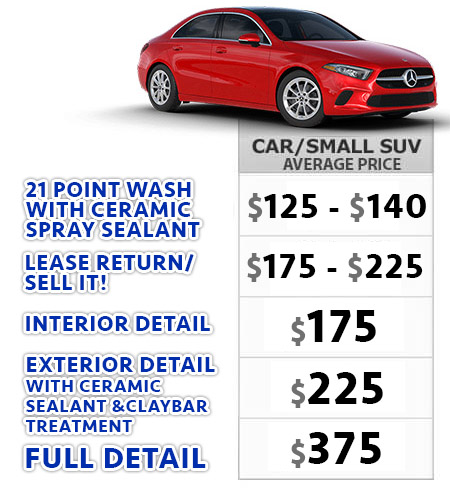
Credit: sandiego-autodetail.com
Pricing Basics
Car detailing prices depend on many things. The size of the car matters. Bigger cars need more work. The condition of the car is important too. Dirty cars take longer to clean. Location can change the price. City prices are often higher. The type of service you offer affects cost. Basic cleaning is cheaper than full detailing. Experience and skill also matter. Experts can charge more. Supplies and tools add to the cost too. Good products are pricier.
Typical car detailing prices range from $50 to $300. Basic services cost less. Full detailing costs more. Small cars are cheaper than large cars. Most people pay around $150 for good service. Luxury cars may cost more. Prices can be higher in big cities. Always check local rates. Compare with other services to find fair prices.
Service Types
Basic packages include simple tasks like washing and vacuuming. These tasks keep the car clean and neat. Premium packages offer more detailed work. They can include waxing, engine cleaning, and stain removal. Premium services take more time. They often cost more due to extra care. Choosing between basic and premium depends on your needs. Consider the car’s condition and your budget. Basic is good for regular upkeep. Premium is for special occasions or deep cleaning.
Add-on services can make your car look great. These include headlight cleaning, paint protection, and interior shampooing. They help maintain your car’s value. Add-ons are optional but useful for specific needs. Each service has its own price. Some people like to customize their packages. This way, they pay only for what they need. Add-ons can be a good choice if you want extra shine and care.
Material Costs
Cleaning products are essential for car detailing. These include soap, wax, and polish. Each bottle can cost between $5 to $20. You need many products for different parts of the car. For instance, there are special products for tires and windows. Buying in bulk can save money. Consider both quality and price when choosing. Good products make cars shine more. They also last longer.
Detailing needs various tools. You might need a vacuum cleaner, brushes, and cloths. Some tools are expensive, like a polishing machine. Others are cheaper, like microfiber towels. Prices range from $10 to several hundred dollars. It’s smart to invest in durable tools. They last longer and work better. Quality tools can make your job easier and faster. Always keep them clean and in good condition.
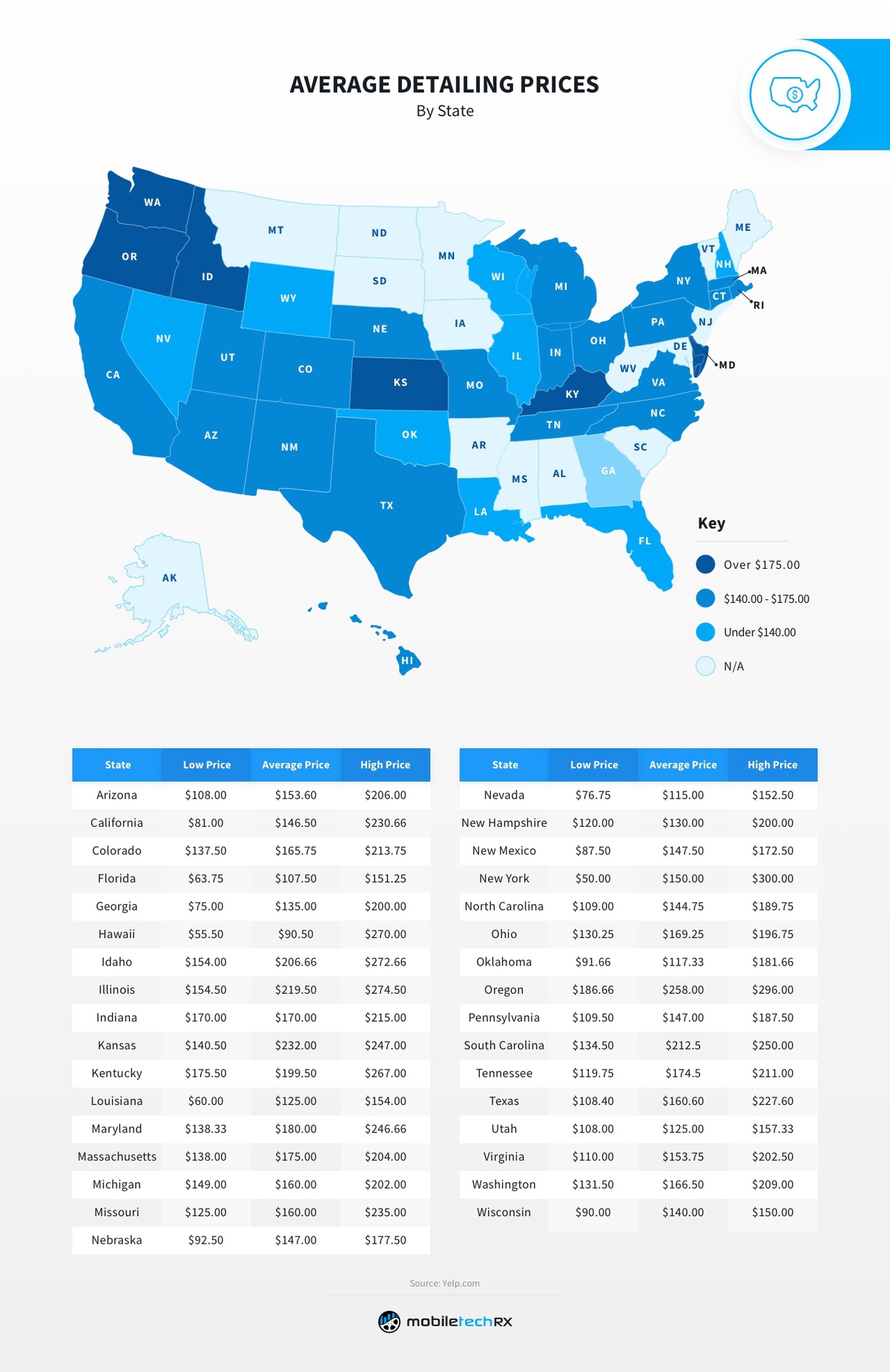
Credit: www.mobiletechrx.com
Labor Expenses
Detailing a car takes time. Some cars need more attention. Busy cars might take hours. Plan your time well. Make sure you charge for every hour. Time is valuable in car detailing.
Detailing needs skill. Experts can do it better. People pay for experience. If you are skilled, charge more. Customers love quality work. Show them your expertise.
Location Influence
Urban areas can have more cars. People often have busy lives. They need quick services. This means higher demand. Prices can be higher in cities. There are more options, but also more competition. Rural areas are different. Fewer people, fewer cars. Demand is lower. Prices might be less than cities. People may travel far for services. Knowing your area is important. It helps set the right price.
Different regions can have unique needs. Some places have more dust or rain. This affects car detailing needs. In dry areas, dust can be a big problem. This might mean more cleaning jobs. Wet areas can have more mud. This can also mean more work. Prices may vary with these needs. Always consider local weather. It helps in pricing your services right.
Competitive Analysis
Determining car detailing prices involves studying competitors’ rates. Analyze local market trends and service quality to set competitive fees. Consider customer preferences and unique selling points to attract more business effectively.
Benchmarking Competitors
Research what other car detailers charge. Look at their websites. Check their prices and services. Note the differences. Some may offer extra services. Others might have special deals. Keep a list of these prices. Find the average rate in your area. This will help you set your price.
Differentiating Your Services
Think about what makes your service special. Do you use better products? Or do you offer a unique service? Highlight these points. Explain why they matter. This can help justify a higher price. Clear communication is key. Show why customers should choose you.
Customer Perception
Value vs. Price matters in car detailing. Customers look for quality work. They want their cars to shine. A fair price makes them happy. High prices may scare them away. Low prices may make them worry. They might think cheap means bad quality. Balance is key. Show them your skills. Explain why your work is special. Share customer stories. Happy customers bring more business.
Building Trust and Reputation is important. Trust grows with good service. Treat every car with care. Listen to what customers want. Be honest about prices. Never add hidden costs. Answer their questions clearly. A good reputation means more clients. People talk about good service. They tell friends and family. Positive reviews attract new customers. Keep promises and be polite. Always aim for customer satisfaction.
Pricing Strategy
Offering discounts can attract more customers. People love a good deal. Use promotions during holiday seasons. This can increase your sales. Consider a special price for first-time customers. Loyalty programs work well too. Give discounts for repeat visits. This can keep customers coming back. Ensure promotions are limited in time. This creates urgency.
Prices can change based on demand. Busy days can have higher prices. Slow days can have discounts. This helps balance your schedule. Consider the location of your service. City prices may be higher than rural ones. Adjust your prices based on competition. Check what others charge in your area. Keep your prices competitive but fair.
Frequently Asked Questions
How Much Should You Charge For A Full Car Detail?
Car detailing typically costs between $150 to $300. Prices vary based on vehicle size and service complexity. Basic packages are cheaper, while premium services with waxing and upholstery cleaning cost more. Always compare local prices and services for the best value.
Quality work ensures your car looks pristine and maintains its value.
What To Charge As A Beginner Detailer?
Beginner detailers should charge between $50 and $150 per vehicle. Pricing depends on location, service complexity, and competition. Consider offering packages to attract more clients.
How Much Do Car Detailers Make Per Car?
Car detailers typically earn between $50 to $150 per car. Earnings vary based on location, services provided, and experience. High-end detailing services can command higher prices.
What Does A Full Detail On A Car Include?
A full car detail includes interior vacuuming, upholstery cleaning, exterior wash, waxing, polishing, and engine bay cleaning. It covers tire and rim detailing, window cleaning, and minor scratch removal to enhance the car’s appearance and protect its surfaces. This service ensures a thorough rejuvenation of both interior and exterior.
Conclusion
Setting the right price for car detailing can be tricky. Consider your skills and experience first. Research local competitors for pricing ideas. Value your time and effort properly. Factor in material costs and overheads. Offering different packages might attract more customers.
Always stay flexible with your pricing. Customers appreciate transparency and quality. Adjust prices based on demand and season. Keep your pricing fair and competitive. Aim to provide excellent service every time. Your reputation grows with consistent quality. Happy customers lead to referrals and repeat business.
Use these tips to find a price that works for you and your clients.