How Long It Takes To Charge A Toyota Electric Car
Charging a Toyota electric car varies greatly. It depends on the battery size, the charger’s power, and even the outside temperature. Most daily charging happens overnight at home. Faster charging is available at public stations for quick top-ups. Understanding these differences helps you plan your driving.
What Affects Toyota EV Charging Time?
Several things play a big role in how fast your Toyota EV gets a full charge. It’s not just one simple answer. Think of it like filling a water bottle.
A small bottle fills up faster than a big one. The speed of the water flow also matters. EVs are similar.
The main factors are:
- Battery Size: Toyota EVs have different battery pack sizes. A bigger battery holds more energy. It needs more time to fill up.
- Charger Level: This is like the water hose’s size. There are different levels of charging power. Level 1 is slow. Level 2 is faster. Level 3 (DC Fast Charging) is the fastest.
- Car’s Charging Speed: The car itself has limits on how fast it can accept a charge. Some cars can take more power than others.
- Outside Temperature: Very cold or very hot weather can slow down charging. Batteries like to be at a moderate temperature for best performance.
- Battery’s Current Charge Level: Charging is often fastest when the battery is nearly empty. It slows down a lot as it gets close to full. This protects the battery.
Understanding the Different Charging Levels
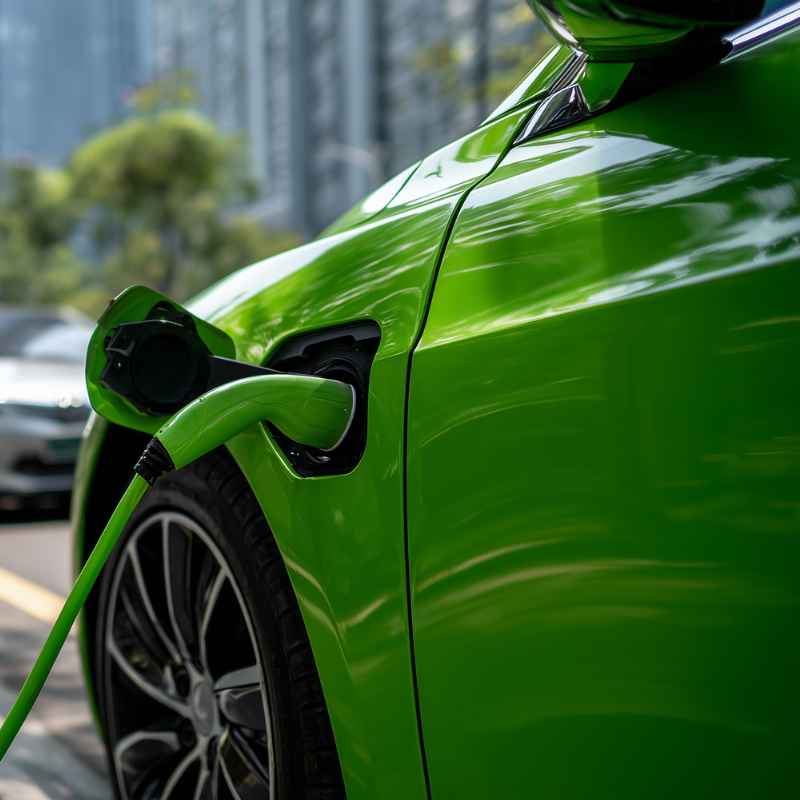
Toyota, like other EV makers, uses standard charging levels. These levels tell you how much power you’re getting. And that tells you how fast you’ll charge.
Level 1 Charging: The Slow and Steady Approach
Level 1 charging uses a standard 120-volt household outlet. This is the same kind of outlet you plug in your toaster or lamp. It’s the most basic way to charge.
You can often just plug it into a regular garage outlet.
Pros:
- No special equipment needed.
- Can charge anywhere with a standard outlet.
Cons:
- Very slow.
- Only adds a few miles of range per hour.
- Not ideal for daily driving if you use your car a lot.
For a Toyota bZ4X with its 71.4 kWh battery, Level 1 charging might only add about 2 to 5 miles of range per hour. This means a full charge could take 2 to 3 days if you started from empty! Most people don’t use Level 1 for their main charging.
It’s more for when you’re parked for a very long time or need a small boost.
Level 2 Charging: The Home Charging Sweet Spot
Level 2 charging is what most EV owners use at home. It uses a 240-volt outlet. This is similar to what an electric dryer or oven uses.
You’ll need to have a special charging station installed, often called an EVSE (Electric Vehicle Supply Equipment). This is a one-time installation cost, but it pays off in convenience.
Pros:
- Much faster than Level 1.
- Can fully charge most EVs overnight.
- Convenient for daily use.
Cons:
- Requires installation of a charging station.
- Costs more upfront than Level 1.
With Level 2 charging, the charging speed is much higher. For a Toyota bZ4X, it can add around 25 to 30 miles of range per hour. This means you can fully charge the car overnight.
If you plug in your car at 6 PM and need it by 7 AM, you have 13 hours. That’s plenty of time to get a full charge.
Level 2 Charging Station Power
Amperage Matters: Level 2 stations come in different amperages, like 16A, 32A, or 40A. Higher amperage means more power and faster charging. A 32-amp station is common for home use and provides a good balance of speed and cost.
Level 3 Charging (DC Fast Charging): The Quickest Way
Level 3 charging, also known as DC Fast Charging (DCFC), is found at public charging stations. These are the big, fast chargers you see in parking lots or along highways. They bypass the car’s onboard charger and send direct current (DC) power straight to the battery.
This is the quickest way to add a significant amount of range.
Pros:
- Extremely fast.
- Can add hundreds of miles of range in under an hour.
- Great for long road trips.
Cons:
- Most expensive charging option.
- Not available everywhere.
- Using DC fast charging too often can be harder on the battery long-term compared to slower charging.
For the Toyota bZ4X, DC Fast Charging can charge the battery from 10% to 80% in about 30 to 40 minutes. This is a huge difference compared to Level 1 or Level 2. It’s perfect for when you’re on a road trip and need to stop for a short break to get enough range to reach your destination.
DC Fast Charging Explained
kW Rating: DC fast chargers are rated in kilowatts (kW). Common ratings are 50kW, 150kW, or even 350kW. The higher the kW, the faster the charging speed.
However, the car’s own charging system will limit the speed it can accept.
Toyota bZ4X Charging Time Estimates
Let’s look at some specific numbers for the Toyota bZ4X. It has a 71.4 kWh battery. This is a good, medium-sized battery for an electric SUV.
Charging from Empty to Full (0%-100%)
It’s rare to charge from exactly 0% to 100%. Most people plug in when their battery is around 20% to 50% and charge to 80% or 90%. Charging the last 10% to 20% takes much longer.
Here are estimates for a full 0%-100% charge:
- Level 1 (120V, ~1.9 kW): About 35-45 hours. This is why Level 1 isn’t practical for most daily charging needs.
- Level 2 (240V, ~6.6 kW): About 9-11 hours. This is perfect for overnight charging. You can plug it in after dinner and it’ll be fully charged by morning.
- Level 3 (DC Fast Charging): While DC fast chargers are built for speed, charging from 0% to 100% using DCFC is not recommended or usually possible. These chargers are designed for rapid charging of the bulk of the battery, typically from 10% to 80%. Charging to 100% would take significantly longer and is not the intended use case for maximum efficiency.
Charging to 80% (More Realistic Scenario)
Most EV owners charge to about 80% for daily driving. This is because the charging speed slows down dramatically after 80%. Charging to 80% is much faster and better for the battery’s long-term health.
- Level 1 (120V, ~1.9 kW): About 25-35 hours. Still very slow.
- Level 2 (240V, ~6.6 kW): About 7-9 hours. This is easily achievable overnight.
- DC Fast Charging (e.g., 150 kW charger): About 30-40 minutes to go from 10% to 80%. This is ideal for road trips.
So, for your everyday needs, charging at home with a Level 2 charger will get you ready for the day while you sleep. For longer journeys, a quick stop at a DC fast charger is the way to go.
Charging Speeds in Practice
Real-World vs. Estimates: These times are estimates. Your actual charging speed might vary slightly.
It depends on the specific charger, your car’s battery health, and the temperature. Don’t expect it to be exactly the same every single time.
My Own Charging Experience with an EV
I remember when I first got my electric car. I was coming from a gas car, and the idea of charging felt daunting. I pictured myself waiting for hours in public.
My first few weeks were a learning curve. I worried about finding chargers and how long it would take.
One evening, I was visiting a friend across town. I hadn’t charged my car that day, and the battery was around 40%. I realized I’d need to charge it before heading home to make sure I had enough.
I found a Level 2 charger at a grocery store. I plugged in and went inside to grab a few things. When I came back about 45 minutes later, my car had added nearly 150 miles of range!
I was amazed. I only needed about 60 miles for my trip home, so I unplugged. It was so much faster and easier than I expected.
That grocery store charger was about 7 kW, and it worked like a charm.
Later, I decided to take a longer road trip. I was a bit nervous about range anxiety. I mapped out my route, noting the DC fast chargers along the way.
My first stop was at a 150 kW charger. I pulled up, plugged in, and my car’s screen showed an estimated charging time of about 35 minutes to get me to 80%. I grabbed a coffee and a snack.
In that short time, I went from needing a charge to having plenty of range to reach my next stop. It felt completely seamless. That experience really changed my perspective on EV charging.
It’s not a hassle; it’s just a different way of “fueling up.”
Where You’ll Charge Your Toyota EV
Most of your charging will likely happen in a few key places. Understanding these helps you plan your routine.
Charging at Home
This is the most common and convenient place to charge. Most people have a Level 2 charger installed in their garage or driveway.
- Why it’s best: You wake up every morning with a “full tank.” No more trips to the gas station.
- Setup: You’ll need a 240-volt outlet and a charging station. An electrician can install this for you.
- Cost: The installation has an upfront cost, but electricity is usually cheaper than gas. Plus, many utility companies offer EV charging plans that save you money.
Imagine coming home from work, plugging in your car, and not having to think about it again until morning. That’s the reality for most EV owners with home charging.
Charging at Work
Many workplaces are starting to offer EV charging for employees. This is a great perk!
- Benefits: You can charge while you work, adding range without any effort. Some employers offer free charging, which is a huge bonus.
- Type of Chargers: Usually, these are Level 2 chargers.
- Planning: Check if your employer offers charging and how it works.
I know people who start their workday with a nearly full battery just by parking in their usual spot. It makes commuting so much more relaxed.
Public Charging Stations
These are stations you find out and about in parking lots, at shopping centers, along highways, and in public garages.
- Level 2 Public Chargers: These are good for topping up while you shop or run errands. They might add 20-25 miles of range per hour.
- DC Fast Chargers: These are for quick power boosts on longer trips. They can add 100-200 miles of range in about 20-30 minutes.
- Apps and Networks: You’ll often use apps from companies like Electrify America, ChargePoint, or EVgo to find and pay for charging.
It’s always a good idea to have a few charging apps on your phone. This way, you’re ready no matter where you are.
Finding Chargers on the Go
Navigation Integration: Most EVs have built-in navigation systems that show charging stations. Apps like PlugShare, ChargePoint, and the car’s own system are super helpful.
Check Availability: Some apps let you see if a charger is in use or broken before you drive there.
When is Charging Time “Too Long”?
What feels like “too long” is really about your needs and expectations. For most daily driving, charging overnight with Level 2 is perfectly fine. You won’t even notice it.
- Daily Driving: If you drive less than 50 miles a day, Level 2 charging overnight will always be enough. You’ll wake up with a full battery every morning.
- Long Road Trips: Here, “too long” might mean a stop that interrupts your travel plans too much. DC Fast Charging is designed to keep these stops short, typically 20-40 minutes. If you have to wait for a charger or the charging speed is slow, that can feel like too long.
- Level 1 Charging for Daily Use: If you rely solely on Level 1 charging and drive more than 20-30 miles daily, it will likely feel too slow. You might not have enough charge for your commute.
The key is matching the charging method to your driving habits. For most Americans, a Level 2 home charger covers 95% of their charging needs.
Factors That Can Slow Down Charging
Sometimes, charging doesn’t go as fast as you’d hope. Here’s why:
- Battery Temperature: Very cold weather makes batteries less efficient. They might not accept as much power. Your car’s battery management system will warm it up, but this takes time. Similarly, very hot weather can also slow charging to protect the battery.
- Charger Issues: Public chargers can sometimes have problems. They might be old, have a loose connection, or be set to a lower power output than advertised.
- Car’s Battery Health: Like any battery, an EV battery degrades over time. An older battery might not charge quite as fast as a brand-new one.
- Grid Load: In some cases, especially during peak electricity hours, the power supply to a charger might be limited.
- Charging to 100%: As mentioned, the charging speed slows down dramatically in the last 10-20% of the battery’s capacity. This is a deliberate feature to protect the battery.
Battery Health and Charging
Slow Charging is Good: Generally, slower charging (Level 2) is better for the long-term health of your EV battery than frequent DC fast charging. It generates less heat.
Temperature Management: Modern EVs have sophisticated systems to manage battery temperature during charging. This helps optimize speed and protect the battery, but extreme temperatures can still have an impact.
Tips for Efficient Toyota EV Charging
To make the most of your EV charging experience, here are some tips:
- Install a Level 2 Charger at Home: This is the single best thing you can do for convenience and speed.
- Charge Overnight: Make it a habit to plug in your car every night.
- Use Public DC Fast Chargers Wisely: Save these for road trips or when you need a quick boost. Don’t use them for your daily commute if you have Level 2 at home.
- Understand Your Car’s Range: Know how many miles you typically drive in a day. This helps you know how much charge you actually need.
- Use Charging Apps: Familiarize yourself with apps that show charging station locations, availability, and pricing.
- Pre-condition Your Battery: Some EVs allow you to set a departure time. The car can then warm or cool the battery to the optimal temperature before charging starts, leading to faster charging.
- Check Your Electricity Rates: If your utility offers special off-peak EV charging rates, take advantage of them. You can often save a lot of money by charging in the middle of the night.
These simple steps can make charging feel effortless and cost-effective.
Frequently Asked Questions About Toyota EV Charging
How long does it take to charge a Toyota bZ4X at home?
Charging a Toyota bZ4X at home with a Level 2 charger typically takes about 9 to 11 hours for a full 0-100% charge. For a more realistic 10-80% charge, it takes around 7 to 9 hours, which is easily done overnight.
Can I charge a Toyota electric car using a regular wall outlet?
Yes, you can charge a Toyota electric car using a regular 120-volt household outlet (Level 1 charging). However, this method is very slow, adding only about 2 to 5 miles of range per hour. It’s best for occasional use or when you have a lot of time.
What is the fastest way to charge a Toyota electric car?
The fastest way to charge a Toyota electric car is by using a DC Fast Charger (Level 3). These public chargers can add a significant amount of range, typically charging from 10% to 80% in about 30 to 40 minutes for a Toyota bZ4X.
How many miles can I add per hour when charging a Toyota EV?
With Level 1 charging, you add about 2-5 miles per hour. With Level 2 charging, you can add about 25-30 miles per hour. DC Fast Charging adds hundreds of miles in a short time, but the speed varies greatly depending on the charger’s power and the car’s acceptance rate.
Does cold weather affect charging time for Toyota EVs?
Yes, very cold weather can slow down charging times for Toyota EVs. The battery needs to reach an optimal temperature for efficient charging, and this can take extra time in cold conditions.
Is it bad for the battery to use DC fast charging often?
While DC fast charging is convenient, using it very frequently can put more stress on the battery compared to slower Level 2 charging. For daily use, Level 2 charging is generally recommended to help preserve long-term battery health.
Charging Your Toyota EV: What It Means for You
Understanding charging times for your Toyota electric car helps you plan your days and trips better. It’s about making the transition to EV ownership smooth and convenient. For most people, home charging covers all their daily needs.
Longer trips are made easy with public fast chargers.
The technology is here, and it’s getting better all the time. You can drive an electric car without worrying about long waits. It’s just a different way to keep your car powered up and ready to go.
Products related to this article
Sponsored / affiliate links. As an Amazon Associate I earn from qualifying purchases. I may earn additional commission from eligible campaigns.