How to Buff Out Paint Scratches on a Car: Easy Guide
You’ve parked your car carefully, but somehow, there it is—a scratch on the paint. It’s frustrating, right?
You might be wondering how to fix it without spending a fortune at the auto shop. You’re in luck! This guide will show you simple, effective ways to buff out those annoying paint scratches yourself. Imagine the satisfaction of seeing your car’s surface gleam like new again.
By understanding the right techniques and materials, you can make those scratches disappear, saving time and money. Ready to transform your car’s appearance? Let’s dive in and find out how you can restore its flawless finish effortlessly.
Credit: www.youtube.com
Types Of Car Paint Scratches
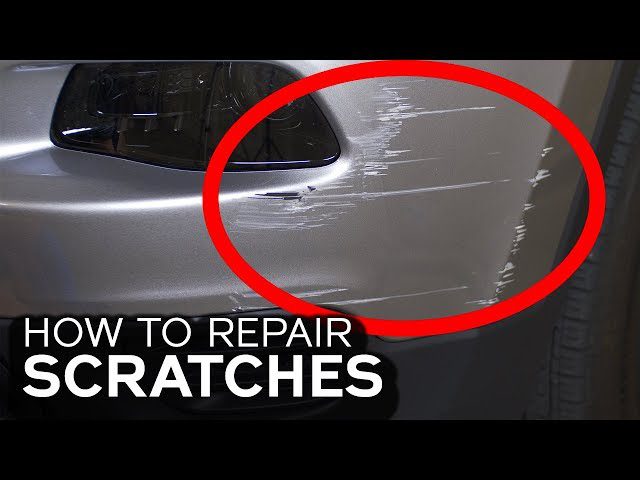
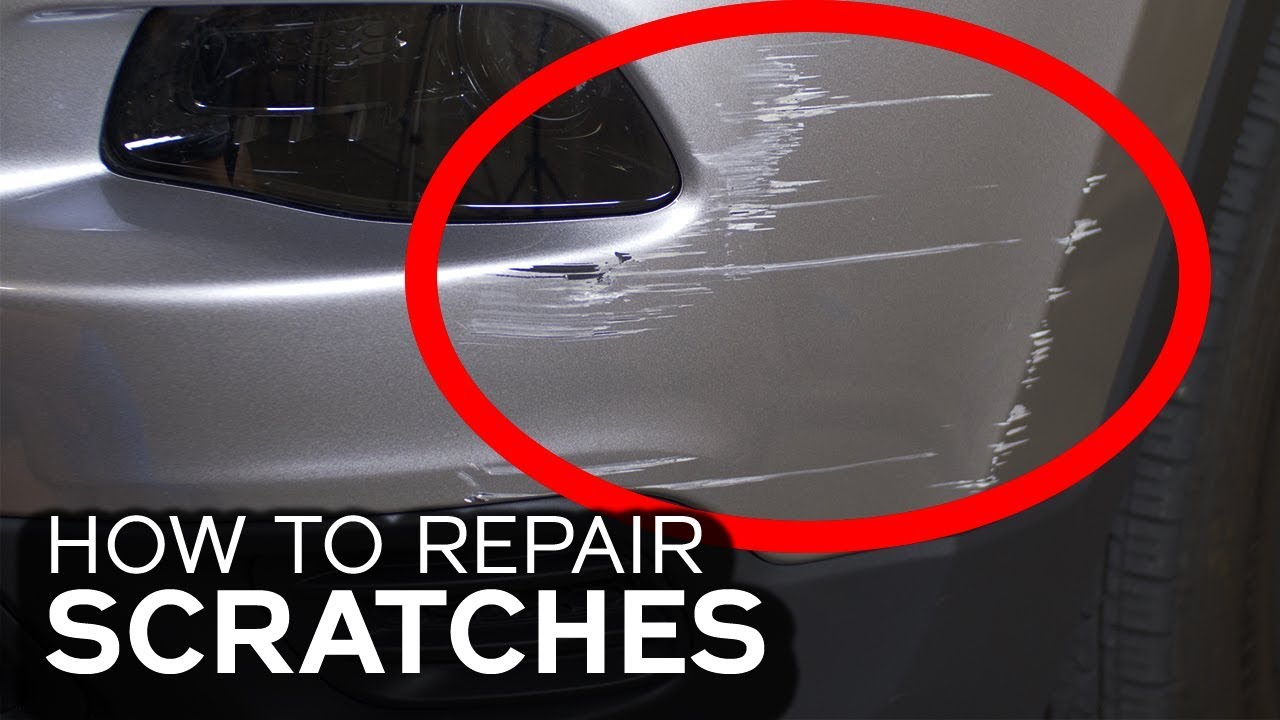
Surface scratches are very shallow. They only affect the top layer of paint. These scratches are often caused by branches or small debris. They are not deep and can be fixed easily. Use a scratch remover or buffing compound. Apply it gently to the scratched area. Use a soft cloth to rub it in circles. This helps to hide the scratch. Make sure to clean the area first. This avoids further damage. Surface scratches are the easiest to fix.
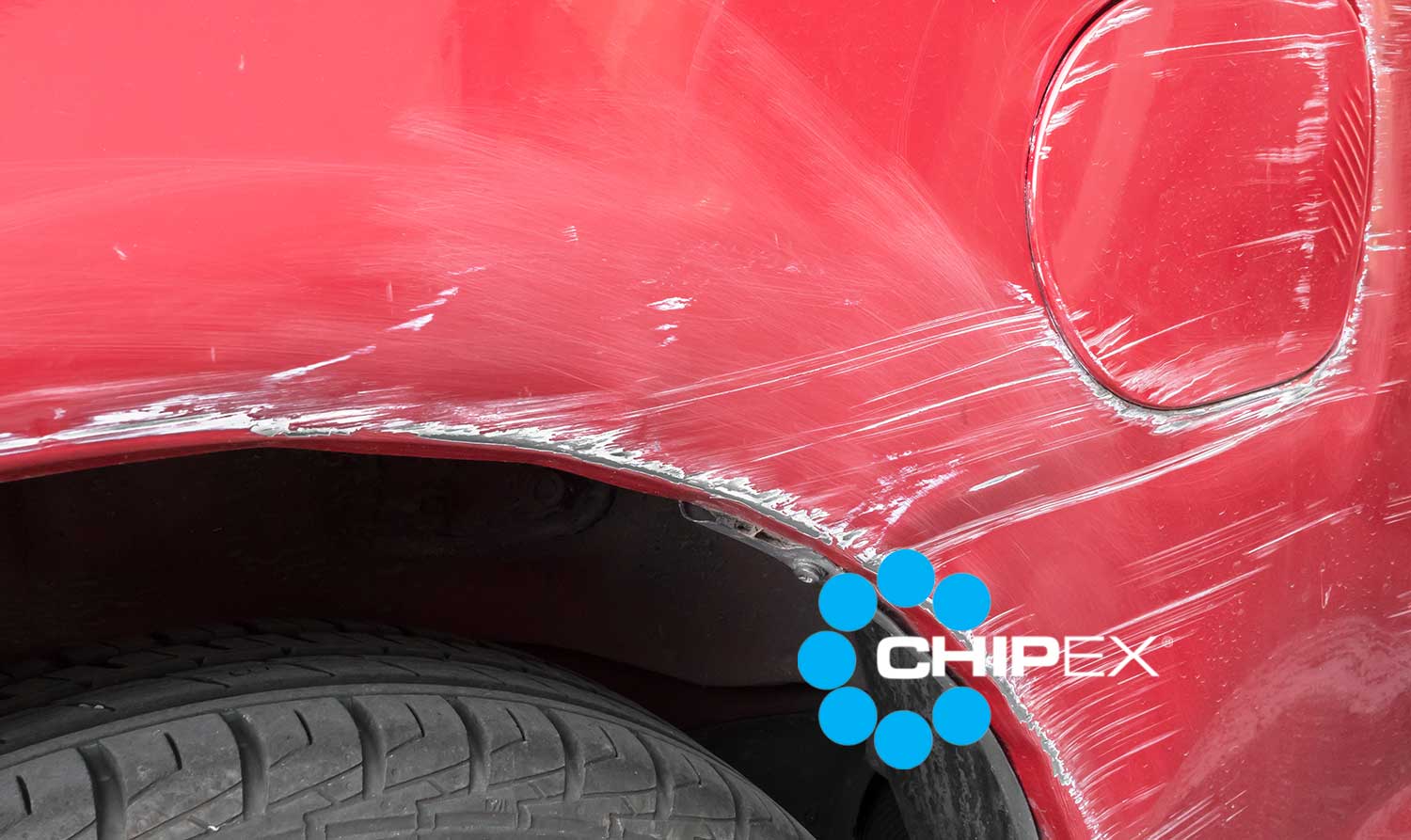
Deep scratches reach below the paint layer. They may expose the metal or primer. These scratches are hard to fix. They need more effort and tools. You might need sandpaper and touch-up paint. Use sandpaper to smooth the edges. Apply touch-up paint carefully. You may need a clear coat to seal it. Deep scratches often need professional help. They can cause rust if not fixed. Act quickly to prevent more damage.
Credit: chipex.com
Necessary Tools And Materials
Scratch repair kits help fix small car scratches. They include tools like sandpaper, polish, and clear coat. Follow the instructions carefully. These kits are easy to use. They are helpful for small scratches.
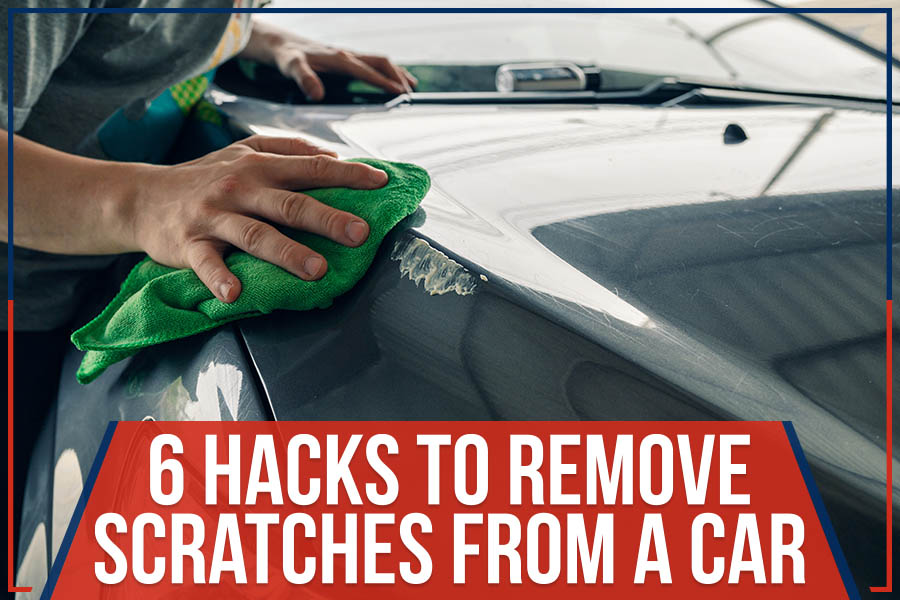
Microfiber cloths are very soft. They do not scratch the paint. Always use a clean cloth. It helps in removing dirt and dust. These cloths are perfect for buffing. They make the car shine.
Polishing compounds remove scratches. They make the surface smooth. Apply with a soft cloth. Rub in a circular motion. Polishing compounds help in restoring shine. They work best on light scratches.
Preparing The Car Surface
Start by cleaning the scratched area. Use a soft sponge and mild soap. Dirt can scratch the paint more. Rinse the area with water. Clean until no dirt is left. This helps in seeing the scratch better.
Dry the area with a clean cloth. Water spots can affect the buffing. Make sure the area is fully dry. Check under light for any water left. Drying is important before fixing the scratch.
Buffing Out Surface Scratches
Start with a clean, dry cloth. Apply a small amount of scratch remover. Use a circular motion on the scratch. Apply gentle pressure. The remover will fill the scratch. It will make it less visible. Repeat if needed. Make sure the scratch is less noticeable.
Use a clean, soft cloth for polishing. A gentle polish works best. Move the cloth in circles. This makes the surface smooth. Polishing helps to blend the area. It makes the car look shiny. A little polish goes a long way. Your car will look much better.
Handling Deep Scratches
Dealing with deep scratches on a car requires careful buffing to restore its shine. Clean the area first, then use a polishing compound with a soft cloth. Gently rub in small circles until the scratch fades.
Using Sandpaper
Deep scratches need special care. Start with sandpaper. Choose a fine grit. Gently rub the scratch. This smooths the area. Be careful. Do not rub too hard. You might make it worse. Check your work often. Stop when the scratch is less visible.
Applying Touch-up Paint
After sanding, use touch-up paint. Shake the paint bottle well. Apply a small amount. Use a brush or pen. Cover the scratch with paint. Let it dry. This may take a few hours. Check the color match. It should blend with the car paint. Repeat if needed. Keep layers thin for a natural look.
Finishing Touches
Restore your car’s shine by gently buffing out paint scratches. Start with a clean, dry surface. Use a microfiber cloth and a scratch remover product. Apply in small circular motions. Polish until the scratch fades. Finish with a wax to protect the paint.
Simple steps for a flawless look.
Waxing The Surface
Waxing makes your car shine. It also protects the paint. First, choose a good car wax. It can be liquid or paste. Apply a small amount of wax on a clean cloth. Rub the cloth in small circles on the car. Make sure you cover all the areas. Let the wax dry for a few minutes. The surface should look cloudy. Then, take a clean, dry cloth. Buff the wax off using circular motions. This will reveal a shiny surface.
Ensuring A Smooth Finish
A smooth finish is important. Check for any leftover wax. Use a soft cloth to remove it. Feel the surface with your hand. It should feel smooth and even. Look at the car under sunlight. This helps you see any missed spots. Repeat the process if needed. A smooth finish shows that the job is done well.
Preventing Future Scratches
Use a car cover to keep your car safe. This helps keep dirt away. Park in a garage if you can. It protects from weather and bumps. Avoid parking too close to other cars. Doors and bags can cause scratches. Consider using a paint protection film. It’s a clear layer that guards your car’s paint.
Wash your car often. Dirt and grime can scratch paint. Use a soft cloth to clean. Hard brushes can hurt the paint. Apply a good wax every few months. Wax makes a shiny shield for your car. Check your car for scratches often. Fix them quickly to stop more damage.
Credit: www.feldmanchevyoflansing.com
Frequently Asked Questions
How Can I Remove Scratches From Car Paint?
To remove scratches, clean the area first. Use a scratch remover or compound with a microfiber cloth. Gently buff in circular motions. Rinse and dry the surface. For deeper scratches, consider professional repair for optimal results. Regular maintenance prevents further damage.
What Tools Do I Need To Buff Scratches?
You need a microfiber cloth, scratch remover, and a buffing pad. A dual-action polisher can also help. Ensure you have a clean, dry workspace. This setup helps achieve the best results. Always follow product instructions for safety.
How Long Does It Take To Buff Scratches?
Buffing scratches takes about 30 minutes to an hour. This depends on scratch depth and area size. Preparation and careful application can improve results. Allocate time for cleaning and drying. For best results, avoid rushing the process.
Can I Use Toothpaste To Buff Scratches?
Yes, toothpaste can buff minor scratches. Use non-gel toothpaste with a soft cloth. Gently rub in circular motions. Rinse and dry the area afterward. Toothpaste acts as a mild abrasive. It’s a temporary fix for light scratches only.
Conclusion
Buffing out car paint scratches isn’t hard. Anyone can do it. With simple steps, your car looks new again. Remember, patience is key. Small actions lead to big results. Regular maintenance prevents future scratches. Keep tools handy for quick fixes.
Enjoy the satisfaction of a smooth finish. Your car deserves care and attention. Show it some love. Drive with pride, knowing scratches are gone. A little effort goes a long way. Protect your investment. Happy driving!