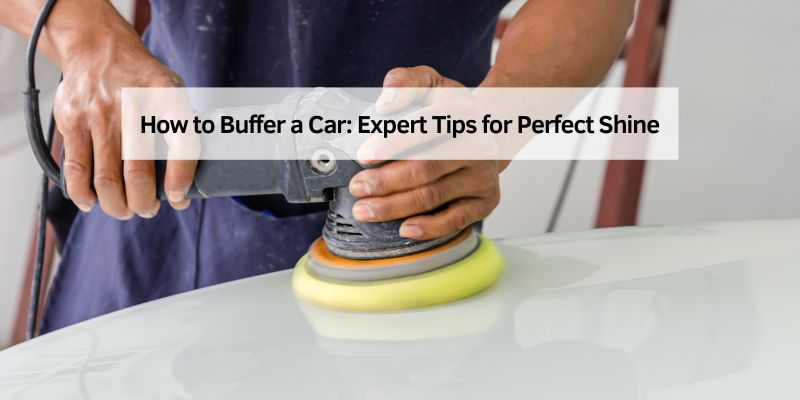
How to Buffer a Car: Expert Tips for Perfect Shine
Buffering a car gives it a smooth, shiny finish. It removes scratches and imperfections.
Knowing how to buffer your car can save you time and money. It also keeps your car looking new. Many people think buffering is hard. It’s not. With the right tools and steps, anyone can do it. Buffering a car involves using a buffer machine and special pads.
The buffer evens out the car’s paint. This makes the car look better. It also protects the paint from damage. You don’t need to be an expert. Just follow some simple steps. In this blog, we will guide you through the process. You will learn how to buffer a car like a pro. Get ready to make your car shine!
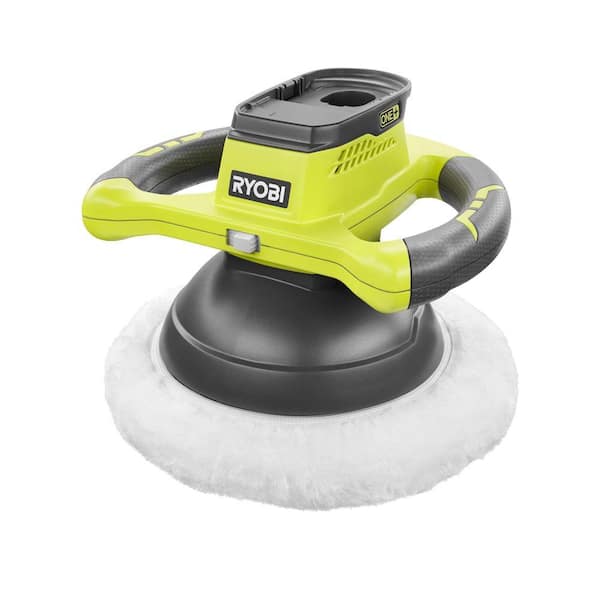
Credit: www.homedepot.com
Preparation Steps
First, get all the tools you need. You need a car buffer, buffer pads, and polishing compound. A clean cloth is also useful. Make sure everything is clean and ready. Keep tools in a safe place.
Pick a good spot to work. Make sure the area is clean and spacious. Avoid direct sunlight. Shaded areas are best for this task. Ensure there is enough space around the car. This helps to move freely.
Understanding Car Paint
Car paint finishes come in three main types: gloss, matte, and metallic. Gloss finishes are very shiny and smooth. They reflect light well. Matte finishes are not shiny. They have a flat look. Metallic finishes have tiny metal flakes in them. This makes them sparkle in the sun. Each type of finish gives a different look to the car. Choosing the right finish is important for style and protection.
Cars can have many paint issues. Scratches are common and can make a car look old. Swirl marks happen from washing with rough cloths. They are tiny, circular scratches. Oxidation is when paint loses its shine. It happens from too much sun. Chipping occurs when small pieces of paint break off. This can be from rocks or debris hitting the car. Fixing these issues helps keep the car looking nice.
Selecting The Right Buffer
Different buffers work for different jobs. Electric buffers are very common. They use power to work fast. Manual buffers need your hand power. They are good for small jobs. Dual-action buffers are special. They move in two ways. This makes them safe for paint. Rotary buffers spin in one direction. They are strong but need care.
Pads come in many materials. Foam pads are soft and gentle. They are good for polishing. Wool pads are rougher. They help remove big scratches. Microfiber pads are in between. They clean and polish at the same time. Always check the car’s paint. Choose a pad that matches the job.
Credit: www.torquedetail.com
Buffering Techniques
Use steady pressure when buffering a car. Too much pressure can damage the paint. Gentle pressure helps to avoid scratches. Pressure should be even across the surface. Circular motions work best for this task.
Keep a consistent speed while buffering. Slow movements ensure better results. Fast movements might miss spots. Speed should match the surface area. Watch for streaks as you go. Adjust speed as needed.
Using Compound And Polish
Compounds help to remove scratches and oxidation from car paint. They act like sandpaper, smoothing out rough spots. This makes the car’s surface ready for polish. Use a small amount on a soft cloth. Rub gently in a circular motion. Check the surface often to see the progress. Do not press too hard. This could damage the paint. Compounds are important for a smooth finish. They make the car look new again.
Polish makes the car shine and look glossy. Choose a polish that matches your car’s paint. Some are for light colors; others for dark. Use a soft cloth to apply. Polish fills in small scratches. It reflects light to make the car shine. Always follow the instructions on the bottle. Too much polish can be hard to remove. Use it sparingly for the best results.
Safety Precautions
Wearing protective gear is very important. Always use gloves to keep your hands safe. Protect your eyes with safety goggles. Dust can hurt your eyes. Wear a mask to avoid breathing in harmful particles. These items keep you safe while working.
Never rush the job. Rushing can lead to errors. Use the buffer at the correct speed. Fast speeds can damage the car. Keep the buffer moving evenly. Stopping can cause marks. Check the buffer pad regularly. Dirty pads can scratch the surface. Always follow instructions carefully.
Finishing Touches
Achieving a glossy car finish requires careful buffing. First, wash and dry the car thoroughly. Next, apply a suitable compound using a clean buffer pad. Buff in circular motions, ensuring even coverage. Finish by wiping the surface with a microfiber cloth for a sleek shine.
Waxing The Car
Waxing makes the car shine bright. It protects the paint from dirt. Use a soft cloth for application. Spread wax evenly over the car’s surface. Wait a few minutes for the wax to dry. Buff the wax with a clean towel. This gives the car a glossy look. Car wax also guards against small scratches. Apply wax at least twice a year for best results.
Final Inspection
Check the car from top to bottom. Look for spots you might have missed. Make sure every part shines. Inspect mirrors and windows. Ensure they are clean and clear. Check tires for dirt and grime. Make sure the wax covers all areas. This helps in keeping the car in great shape. A good inspection means a well-protected car.
Maintaining The Shine
Cars need regular cleaning. Dirt and grime dull the paint. Use mild soap and water. Avoid harsh chemicals. Rinse thoroughly. Dry with a soft cloth. This prevents water spots.
Clean the car every week. Keep it looking new. Pay attention to details. Don’t forget the wheels. Clean them too. They collect dirt fast.
Protective coatings are like shields. They keep the paint safe. Apply wax every few months. Wax adds a shiny layer. It also repels water. This helps in rain.
Consider using ceramic coatings. They last longer. They protect better. Coatings are easy to apply. Follow the instructions. Get help if needed. Your car will stay shiny and new.
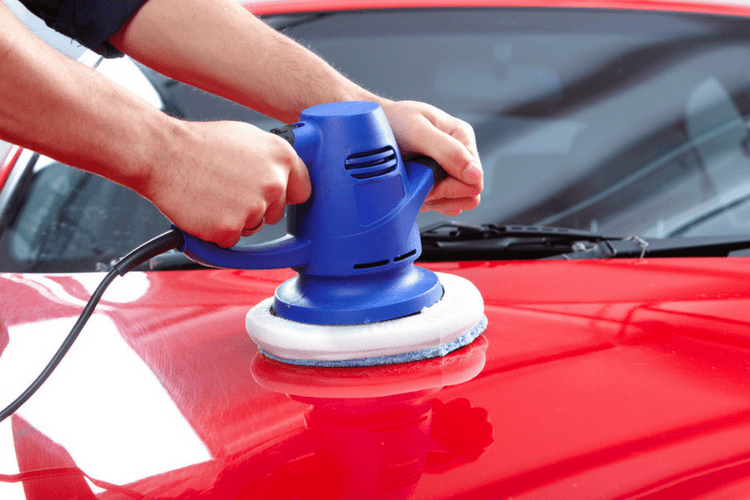
Credit: www.goldeagle.com
Frequently Asked Questions
How Do You Buffer Your Car?
To buffer your car, wash and dry it thoroughly. Apply a small amount of polish to a buffer pad. Use circular motions to buff the car, maintaining even pressure. Work in sections for best results. Finish by wiping with a clean microfiber cloth for a glossy shine.
Is Buffing Good For The Car?
Buffing is beneficial for a car. It removes surface imperfections, enhances shine, and protects the paint. Regular buffing maintains the car’s appearance and can increase its resale value. Use quality products and tools for best results. Avoid over-buffing to prevent damage to the car’s paint.
Do You Buff A Car Wet Or Dry?
Buff a car when it’s dry for optimal results. Dry surfaces ensure the compound adheres properly. This prevents streaks and enhances shine. Use a clean, soft pad for best outcomes. Always follow product instructions for specific guidelines.
What’s The Difference Between A Buffer And A Polisher?
A buffer smooths surfaces by removing scratches and imperfections. A polisher enhances shine by applying wax or polish. Buffers focus on surface leveling, while polishers focus on surface gloss. Both tools improve finish quality but serve distinct purposes in detailing.
Conclusion
Buffing a car boosts its shine and protects the paint. Follow simple steps for great results. Clean the car thoroughly first. Use a quality buffer pad. Apply polish evenly. Work in small sections for best coverage. Keep the buffer moving to avoid damage.
Finish by wiping the car with a clean cloth. Patience makes a big difference. Regular buffing keeps the car looking new. Enjoy the fresh, gleaming appearance. It’s worth the effort to see your car shine. Your car deserves this care and attention.
Try it today for a rewarding experience.