Plastic Tools for Painting a Car: Spreaders, Cloths and Brushes
The best plastic tools for painting a car are flexible body filler spreaders, a tack cloth, and micro-tip touch-up applicators. Spreaders lay down filler and glazing putty without gouging the panel, a tack cloth lifts dust and lint right before the coat goes on, and a micro applicator puts fresh paint on a chip without touching the surrounding clear coat. None of these three costs more than $15, and skipping any one of them is one of the fastest ways to trap grit under a fresh coat of paint.
Frienda Body Filler Spreaders Plastic Tools
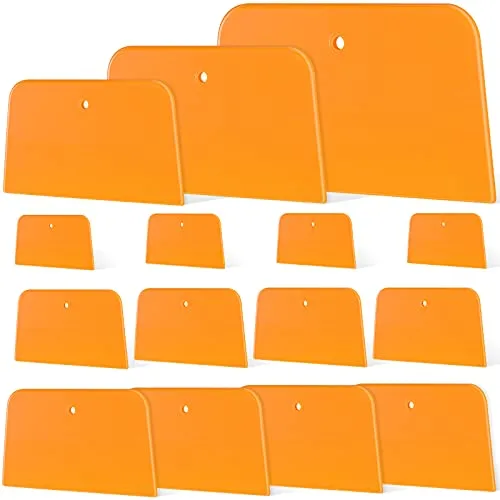
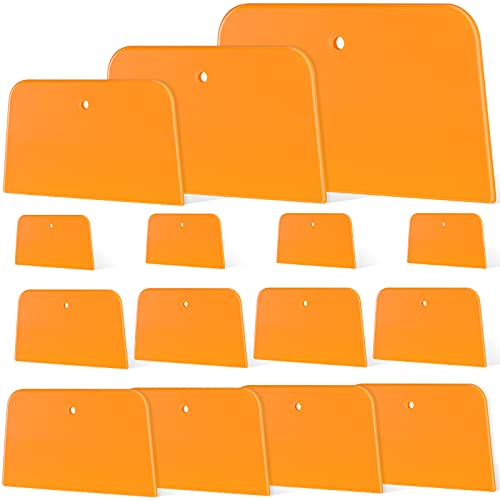
The Frienda Body Filler Spreaders are a 15-piece set in three widths, built for anyone who works with body filler, glazing putty, and seam caulk before a paint job. A spreader that flexes with the panel matters more than it sounds: a rigid metal blade digs into curves and leaves ridges the sandpaper has to chase later, while a thin plastic one bows across a fender or door skin and comes away almost flat.
Pros:
- Durable plastic construction ensures long-lasting use.
- Comes in 15 pieces with 3 different sizes for versatility.
- Lightweight design for ease of handling.
- Affordable option for both professionals and DIYers.
Cons:
- May not be suitable for heavy-duty industrial applications.
- Plastic material might not offer the same rigidity as metal tools.
The three widths cover most of a typical repair: the small ones work into tight door-edge and fender-lip areas, while the largest spans a full quarter-panel in fewer passes, which matters because every extra pass adds air and pinholes to cured filler. Once the filler kicks, the cured residue pops off the plastic in one piece, so a single spreader gets reused through an entire job instead of ending up in the trash after one swipe.
The tradeoff is rigidity. These will not stand in for a metal spreader on a hard, flat panel where you want zero flex, and they are not meant for spreading anything thicker than automotive-grade filler. For the putty-and-glaze work most home repairs actually involve, that flex is the feature, not the flaw.
To buy this product, click here.
Tcp Global Pure Blue Superior Tack Cloth
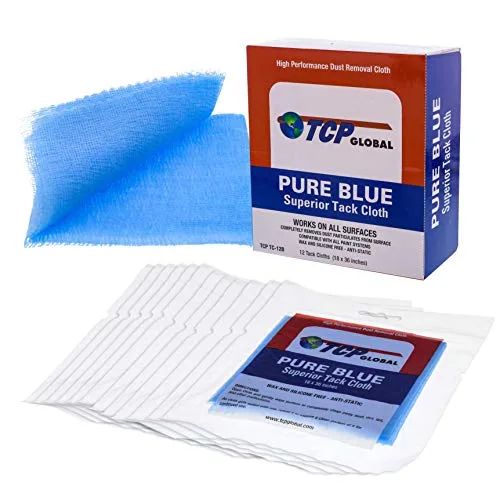
The TCP Global Pure Blue Superior Tack Cloth is a 12-pack of resin-impregnated cheesecloth made to lift dust off a panel in the last minute before you spray. Sanding always leaves a fine film behind even after a wipe-down and a blow-off with compressed air, and that residual dust is exactly what shows up as tiny bumps under clear coat once it dries.
Pros:
- Effective at removing dust, dirt, and lint.
- Large dimensions for coverage over wide areas.
- Reusable and durable for multiple applications.
- Versatile for both automotive and woodworking projects.
Cons:
- May leave residue if not used properly.
- Limited color options.
Each cloth in the pack unfolds to a wide 18-by-36-inch sheet, so one piece can cover a full door or hood panel without refolding to a clean section every few square feet. The tack resin is what makes it different from a plain rag: it grabs dust on contact instead of just pushing it around, and it works on bare metal, primer, and existing paint alike, which is why the same box gets used for both automotive panels and wood surfaces before staining.
The one thing to watch is pressure. Wipe too hard or work a warm panel and the resin itself can transfer a faint tackiness onto the surface, which is the residue most one-star reviews complain about. A light, one-direction pass right before spraying, not a scrubbing motion, is what the manufacturer actually recommends and what avoids that problem.
To buy this product, click here.
Touch Up Paint Brushes For Automotive Paint Chip Repair Disposable Micro Applicators
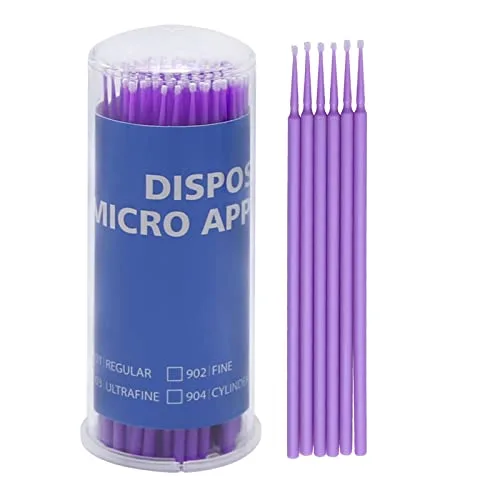
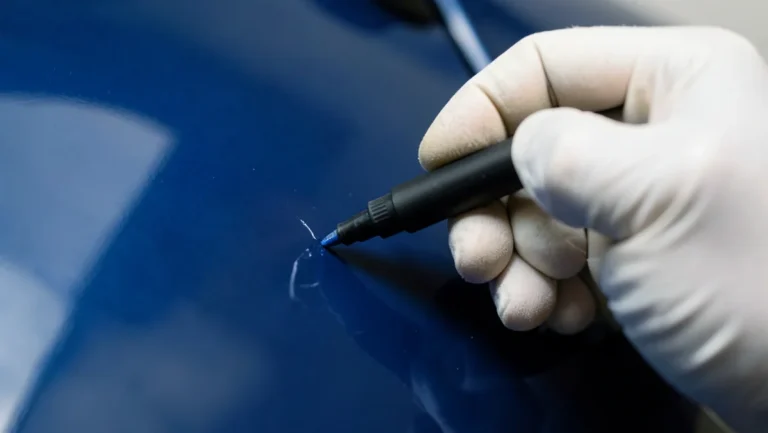
This pack of 100 disposable micro applicators has a 1.5mm foam tip, small enough to fill a single rock chip or stone chip without the paint bleeding onto the clear coat around it. That precision is the whole point: a bottle brush or a toothpick either loads too much paint at once or applies it unevenly, and either mistake leaves a raised or lopsided touch-up that stands out worse than the chip did.
Pros:
- Precision application for small areas
- Disposable and hygienic
- Comes in a pack of 100 for repeated use
Cons:
- May not be suitable for large paint repairs
- Single-use might not appeal to environmentally conscious users
Because each applicator is thrown away after one use, there is never leftover dried paint on the tip contaminating the next chip you fix, and the purple tip makes it easy to see exactly how much paint is loaded before it touches the car. With 100 in a pack, a bottle of touch-up paint that would otherwise dry out and go to waste after two or three uses instead gets used down to the last chip on the car.
The limit is scale. These applicators are built for chips and scratches measured in millimeters, not for a full panel or bumper repair, where a spray can or a proper spray gun is the right tool instead.
To buy this product, click here.
How to Use These Plastic Tools Together in the Right Order
- Sand the damaged area and any body filler down to a smooth, feathered edge, then vacuum or blow off the loose dust with compressed air.
- Spread body filler or glazing putty with a plastic spreader, working from the center of the low spot outward so the filler bows over the repair instead of trapping air underneath.
- Let the filler cure, sand it flush with the surrounding panel, and repeat the primer-and-sand cycle until the repair disappears under a straightedge.
- Wipe the entire panel with a tack cloth in one direction, right before you spray, to lift the last of the sanding dust that a rag or air gun leaves behind.
- Spray the base coat and clear coat, then use a micro applicator only for pinhole chips that survive the repaint or that show up later from road debris.
The prep work matters more than the paint itself. If the panel is not sanded flat and free of dust before the tack cloth pass, no amount of careful spraying afterward will hide it — see our guide on how to sand and prime a car for the full grit sequence, or our step-by-step bumper repaint guide if the repair is on a plastic bumper cover rather than a steel panel.
Frequently Asked Questions
What Are Body Filler Spreaders Used For?
Body filler spreaders apply and level putty, glazing compound, and seam caulk over a repaired panel before priming. A flexible plastic spreader bows to match the panel’s curve instead of digging in like a rigid metal blade, and it comes in multiple widths so a small door-edge repair and a full quarter-panel job each get the right tool. Cured filler pops cleanly off the plastic, so one spreader gets reused for the entire job.
How Do Tack Cloths Enhance Painting Results?
A tack cloth is a resin-treated cheesecloth wipe used in the last minute before spraying, and it grabs the fine dust that sanding leaves behind even after a wipe-down or a blast of compressed air. Skipping this step is one of the most common causes of tiny bumps and specks showing up under a fresh clear coat. A single light pass in one direction, rather than a scrubbing motion, gets the surface ready without leaving tacky residue behind.
Why Use Touch-up Paint Brushes For Repairs?
A micro-tip touch-up applicator puts paint precisely into a single rock chip or scratch without spreading onto the surrounding clear coat, which is something a standard brush or a toothpick cannot do consistently. Because each applicator is disposable, there is no dried, contaminated tip carrying old paint into the next repair. This keeps small chip repairs from turning into a visible blob that draws more attention than the original chip did.
Are Disposable Micro Applicators Cost-effective?
Yes. A pack of 100 applicators costs about eight dollars, which works out to roughly eight cents per repair, and buying a bottle of matched touch-up paint that would otherwise dry out after two or three uses gets used down to the last drop instead. There is no cleaning or maintenance involved, since each tip is thrown away after one chip.
Can Plastic Tools Improve Painting Efficiency?
Yes. Flexible plastic spreaders, tack cloths, and micro applicators each solve a different failure point in a paint job — uneven filler, trapped dust, and sloppy chip touch-ups — and none of them require the cleaning or maintenance that a metal spreader or a reusable brush would. Used in the right order, they cut down on redo work from dust nibs and bad filler lines, which is where most of the time in a DIY paint job actually goes.
Conclusion
Three plastic tools cover most of what a DIY car paint job needs before the color goes on. The Frienda spreaders apply and level body filler without gouging the panel, the TCP Global tack cloth pulls the last of the sanding dust off the surface right before spraying, and the disposable micro applicators fix small chips without spreading paint onto the surrounding clear coat.
Used in that order — spread and sand the filler, tack-cloth the panel, spray, then touch up any chips that remain — these three tools cost less than a single can of decent spray paint and prevent the two most common amateur mistakes: trapped dust under the clear coat and sloppy chip repairs that stand out more than the original damage.
Products related to this article
Sponsored / affiliate links. As an Amazon Associate I earn from qualifying purchases. I may earn additional commission from eligible campaigns.