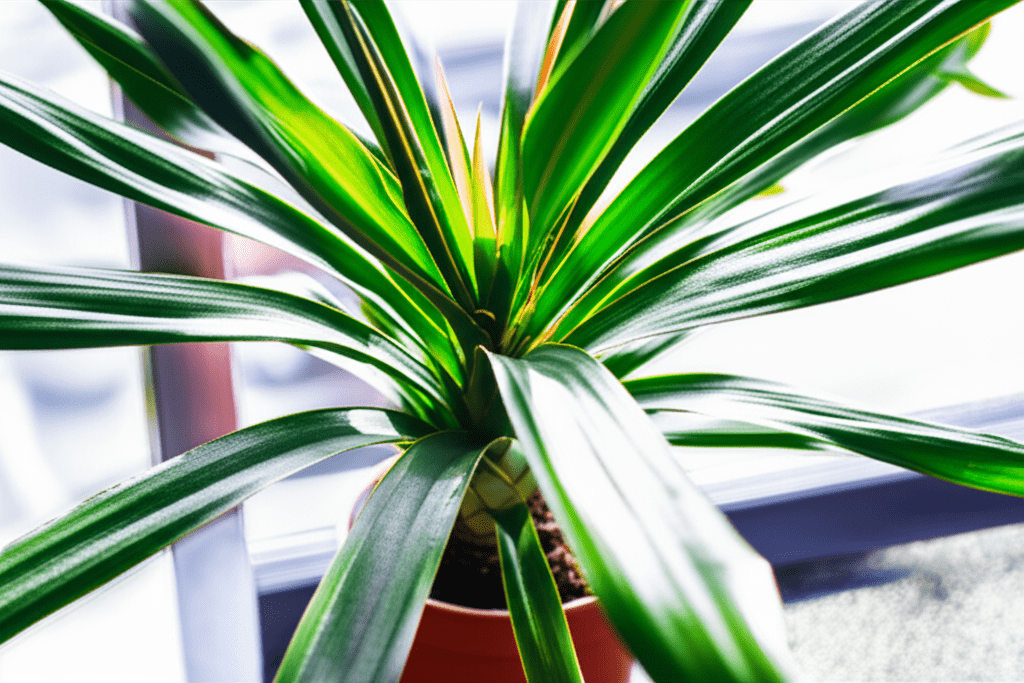
How to Care for a Sun Star Plant: Proven Success
Caring for a Sun Star plant (Orbea variegata) is simple! Provide bright, indirect light, water sparingly only when the soil is dry, and use well-draining soil. These low-maintenance succulents are perfect for beginners seeking vibrant, star-shaped blooms with minimal fuss.
How to Care for a Sun Star Plant: Proven Success for Beginners
Many plant lovers are drawn to the unique beauty of the Sun Star plant, also known scientifically as Orbea variegata. Its fascinating, star-shaped flowers, often with speckled patterns, can instantly add a touch of the exotic to any home or garden. However, if you’re new to succulents or this specific plant, you might wonder, “How do I keep this beauty thriving?” It’s a common question, and the good news is that caring for a Sun Star plant is surprisingly straightforward. With just a few key practices, you can ensure your plant flourishes and rewards you with its distinctive blooms. This guide will walk you through everything you need to know, breaking down each step into easy-to-understand advice.
We’ll cover the best conditions for light, watering, soil, and even how to encourage those beautiful flowers. You’ll gain the confidence to provide exactly what your Sun Star plant needs to look its best. Get ready to transform your plant care routine and enjoy the rewards for years to come!
Understanding Your Sun Star Plant (Orbea variegata)
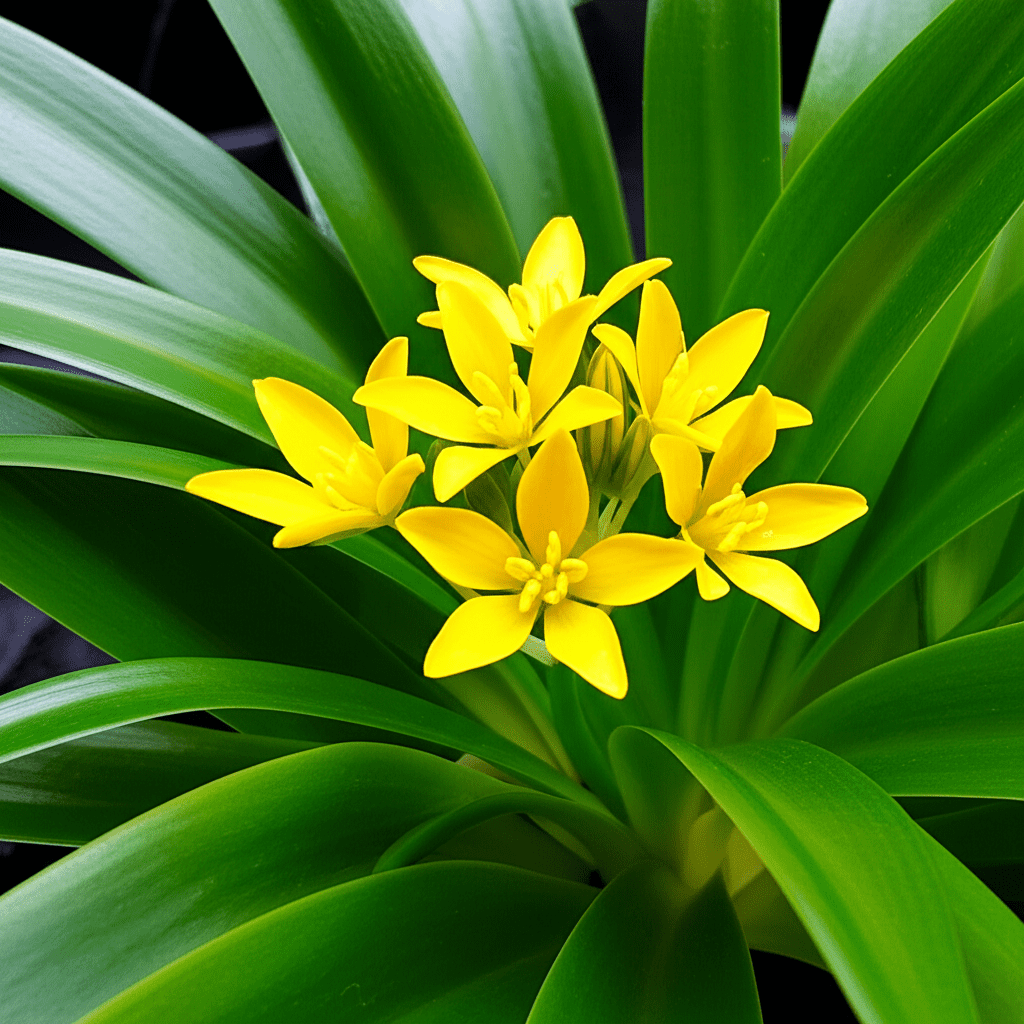
The Sun Star plant is a member of the Apocynaceae family, which includes many popular succulents and flowering plants. Originally from South Africa, it’s adapted to survive in arid conditions. This means it naturally prefers environments with plenty of light and doesn’t need constant watering, which is why it’s such a forgiving plant for beginners.
Its succulent stems store water, allowing it to go for periods without moisture. The most striking feature, of course, is its unique star-shaped flower. These flowers can vary in color from creamy yellow to greenish-brown, often adorned with intricate patterns that can resemble a starfish or, well, a sun star!
It’s important to recognize that its unique appearance is a sign of its hardiness. Unlike many leafy houseplants that might droop or show distress easily, the Sun Star plant has a robust structure designed for survival. Understanding this fundamental characteristic helps us appreciate why its care involves less frequent attention compared to more delicate plants. We want to mimic its natural habitat as closely as possible within our homes to ensure its health and happiness.
Essential Elements for Sun Star Plant Care
To ensure your Sun Star plant, Orbea variegata, thrives, focus on mimicking its native South African environment. This means providing the right balance of light, water, and soil. Getting these basics right is the key to success and will prevent most common issues. We’ll break down each of these crucial elements so you can feel confident in your plant-parenting skills.
1. Light Requirements
Sun Star plants absolutely love light. In their natural habitat, they grow in sunny, open areas. When growing them indoors, aim for the brightest spot you have. This usually means a south-facing or west-facing window. However, there’s a bit of a trick: while they need bright light, direct, scorching sunlight, especially during the hottest part of the afternoon in summer, can sometimes scorch their stems. This can lead to brown or reddish patches.
The ideal scenario is bright, indirect sunlight for most of the day, with perhaps a few hours of gentle morning sun. If you notice your plant’s stems are becoming pale or stretched out (a condition called etiolation), it’s not getting enough light. Conversely, if you see brown, crispy spots, it might be getting too much intense direct sun. Finding that sweet spot is crucial.
- Ideal Location: South-facing or west-facing windows.
- Light Quality: Bright, indirect light is best.
- Signs of Too Little Light: Stretched stems, pale color.
- Signs of Too Much Intense Light: Brown, burnt-looking spots on stems.
For a balanced approach, consider placing your Sun Star plant near a window where it receives good light but is slightly shielded from the harshest midday sun by sheer curtains or another taller plant. This provides consistent brightness without the risk of sunburn.
2. Watering Essentials
This is often where beginners get nervous with succulents, but Sun Star plants are quite forgiving. Because they store water in their stems, they much prefer to be slightly underwatered than overwatered. Overwatering is the quickest way to kill a Sun Star plant, leading to root rot, a serious fungal problem. The golden rule is to water only when the soil has completely dried out.
How can you tell? Stick your finger about an inch or two into the soil. If it feels dry, it’s time to water. If it feels moist, wait a few more days and check again. When you do water, water thoroughly. This means giving the plant enough water so that it drains out of the bottom of the pot. This ensures that all the roots get a chance to absorb moisture.
Watering Schedule – A General Guideline (Adjust based on your environment!):
| Season | Frequency (Approximate) | How to Check |
|---|---|---|
| Spring | Every 2-3 weeks | Soil completely dry to the touch 1-2 inches down. |
| Summer | Every 2-4 weeks | Soil completely dry to the touch 1-2 inches down. May need slightly more if in a very hot location. |
| Autumn | Every 3-4 weeks | Soil completely dry to the touch 1-2 inches down. Reduce watering as temperatures cool. |
| Winter | Monthly or even less | Soil completely dry to the touch 1-2 inches down. Plant is dormant, needs very little water. |
A good practice is to lift the pot. When it’s newly watered, it will feel heavier. As the soil dries out, it will become noticeably lighter. This physical cue can be a great indicator without even needing to touch the soil.
3. Soil and Potting Mix
The type of soil you use is critical for succulents like the Sun Star plant. They need a soil mix that drains very well. Standard potting soil often holds too much moisture, which can lead to root rot. The best approach is to use a specialized cactus or succulent potting mix, or to create your own by amending regular potting soil.
To make your own, a good ratio is 2 parts potting soil, 1 part perlite, and 1 part coarse sand or pumice. Perlite and sand/pumice are important for aeration and drainage, preventing water from pooling around the roots.
Key Soil Components for Drainage:
- Perlite: Small, white volcanic rocks that improve aeration and drainage.
- Pumice: Similar to perlite, it adds grit and allows water to flow through easily.
- Coarse Sand: Horticultural sand (not fine play sand) adds weight and improves drainage.
- Coco Coir or Peat Moss: Provides some organic material but should be balanced with gritty materials.
When it comes to pots, drainage is also key. Always use pots with drainage holes at the bottom. Terracotta pots are an excellent choice for succulents because they are porous, allowing excess moisture to evaporate through the sides of the pot, further reducing the risk of overwatering. For more information on soil mixtures and their importance, resources from university extension offices or horticultural societies often provide excellent, science-backed advice on soil science and plant needs.
4. Temperature Preferences
Sun Star plants are quite adaptable when it comes to temperature, as long as they are protected from frost. They are comfortable in average room temperatures that most people enjoy. During the growing season (spring and summer), they thrive in temperatures between 65-80°F (18-27°C).
In the cooler months, they can tolerate slightly lower temperatures, ideally between 50-60°F (10-15°C). This slight temperature drop can actually encourage blooming. However, it’s vital to keep them away from cold drafts, such as those from leaky windows or doors, and definitely protect them from freezing temperatures. If you live in a region with mild winters and no frost, you can grow your Sun Star plant outdoors in a well-draining spot, but be prepared to bring it inside if temperatures drop below 40°F (4°C).
5. Fertilizing
These plants are not heavy feeders. Over-fertilizing can actually be detrimental, leading to weak, leggy growth. A light feeding is usually only necessary during the active growing season, which is typically spring and summer. You can use a balanced liquid fertilizer diluted to half or even quarter strength.
Alternatively, a fertilizer specifically formulated for cacti and succulents is a great option. Apply it about once a month during spring and summer. Stop fertilizing in autumn and winter when the plant’s growth naturally slows down.
Fertilizer Tips:
- Use a diluted liquid fertilizer (half or quarter strength) or a succulent-specific formula.
- Fertilize only during the active growing season: spring and summer.
- Water the plant before fertilizing to avoid shocking the roots.
- Do not fertilize during dormancy (fall and winter).
Remember, more is not better when it comes to fertilizer for Sun Star plants. A little goes a long way.
Encouraging Blooms
One of the most rewarding aspects of caring for a Sun Star plant is its unique flowers. While they can bloom sporadically, there are a few things you can do to increase your chances of seeing those star-like blossoms.
Firstly, adequate light is paramount. Without enough bright light, the plant simply won’t have the energy to produce flowers. Ensure it’s getting at least 6-8 hours of bright, indirect light daily.
Secondly, a slight drop in temperature during the fall and winter months can act as a trigger for flowering. If you can provide a cooler spot for your plant during this dormant period, it might reward you with blooms when spring arrives. Avoid overwatering during this cooler, resting phase.
Finally, ensuring the plant is generally healthy—well-drained soil, appropriate watering, and good light—lays the foundation for it to put its energy into producing flowers. Healthy plants are happy plants, and happy plants tend to bloom!
Common Problems and How to Solve Them
Even with the best intentions, you might encounter a few issues. Fortunately, most problems with Sun Star plants are preventable or easily fixable with prompt action.
1. Root Rot
Symptoms: Yellowing leaves, mushy stems, wilting even when the soil is wet, a foul smell from the soil.
Cause: Overwatering and poorly draining soil.
Solution: This is the most serious issue. If you suspect root rot, gently remove the plant from its pot. Trim away any brown, mushy, or visibly rotten roots with a clean knife or scissors. Allow any cut surfaces to dry and callus over for a day or two. Repot the plant in fresh, well-draining succulent mix in a pot with drainage holes. Water very sparingly until you see signs of new growth, indicating the roots are recovering.
2. Stunted or Slow Growth
Symptoms: Plant isn’t growing, or growth is very slow.
Cause: Either not enough light, not enough water, or the plant is simply dormant (especially in winter).
Solution: First, assess your light conditions. Move the plant to a brighter location if necessary. If the soil is consistently dry and the plant is still not growing, try watering a bit more frequently (but still only when dry). Ensure you are using appropriate soil. Also, remember that growth naturally slows in cooler months; patience is key!
3. Pests
Symptoms: Small white cottony masses (mealybugs), sticky residue on stems or leaves (aphids, scale), webbing (spider mites).
Cause: Pests are common on many houseplants and can affect succulents too.
Solution: For minor infestations, you can often dab the pests with a cotton swab dipped in rubbing alcohol (isopropyl alcohol). For more widespread issues, use insecticidal soap or neem oil. Ensure you follow the product instructions carefully and treat the plant in a well-ventilated area, away from direct sunlight.
Pest Control Table:
| Common Pest | Appearance | Treatment |
|---|---|---|
| Mealybugs | White, cottony masses, often in leaf axils. | Rubbing alcohol on a cotton swab, insecticidal soap, neem oil. |
| Spider Mites | Tiny, often red or brown, cause fine webbing. | Increase humidity, insecticidal soap, neem oil. Wipe leaves with a damp cloth. |
| Aphids | Small, green or black, clustered on new growth. | Blast off with water, insecticidal soap, neem oil. |
| Scale | Small, brown, immobile bumps on stems. | Scrape off manually with fingernail or blunt knife, rubbing alcohol, horticultural oil. |
Propagation: Growing More Sun Stars
Sun Star plants are relatively easy to propagate, which is a great way to share your beautiful plants or replace older specimens. The most common method is by stem cuttings.
How to Propagate by Cuttings:
- Take a Cutting: Using a clean, sharp knife or pruning shears, cut a healthy stem segment that is about 3-6 inches long. Make the cut just above a leaf node (where leaves meet the stem).
- Let it Callus: This is a crucial step for succulents. Place the cutting in a dry, shaded spot for a few days to a week. A callus will form over the cut end, preventing rot when you plant it.
- Plant the Cutting: Once callused, you can plant the cutting in a pot filled with well-draining succulent mix. You can dip the callused end in rooting hormone if you wish, but it’s often not necessary for this plant.
- Provide Basic Care: Place the pot in bright, indirect light. Water very sparingly, only when the soil is dry. Don’t mist the cuttings; this can encourage rot.
- Rooting: Roots typically develop within a few weeks to a couple of months. You’ll know it has rooted when you see new growth or feel slight resistance when gently tugging on the cutting.
Another method, though less common for beginners, is propagation from seed, which can be a slower process. Stem cuttings are generally the most reliable and quickest way to get new Sun Star plants.
Frequently Asked Questions (FAQ)
Q1: How often should I water my Sun Star plant?
A1: Water only when the soil is completely dry, typically every 2-4 weeks during the growing season (spring/summer) and much less frequently in fall/winter. Always check the soil moisture with your finger before watering.
Q2: Can my Sun Star plant be in direct sunlight?
A2: Bright, indirect sunlight is best. While they like light, intense, direct sun, especially during the hottest part of the day, can scorch their stems.
Q3: What kind of soil should I use for a Sun Star plant?
A3: Use a well-draining cactus or succulent potting mix. You can also make your own by combining potting soil with perlite and coarse sand (2:1:1 ratio).
Q4: Why are the stems of my Sun Star plant turning brown and crispy?
A4: This is usually a sign of sunburn from too much intense direct sunlight. Try moving the plant to a location with bright, indirect light or providing some afternoon shade.
Q5: Will my Sun Star plant bloom in winter?
A5: Sun Star plants typically bloom during their active growing season, which is spring and summer. Cooler temperatures in fall and winter can encourage flowering as they transition out of dormancy.
Q6: My Sun Star plant is wilting, but the soil is wet. What’s wrong?
A6: This sounds like root rot, often caused by overwatering. Remove the plant from the pot, check for mushy, rotten roots, trim them, and repot in fresh, dry, well-draining soil. Water very sparingly until it shows signs of recovery.