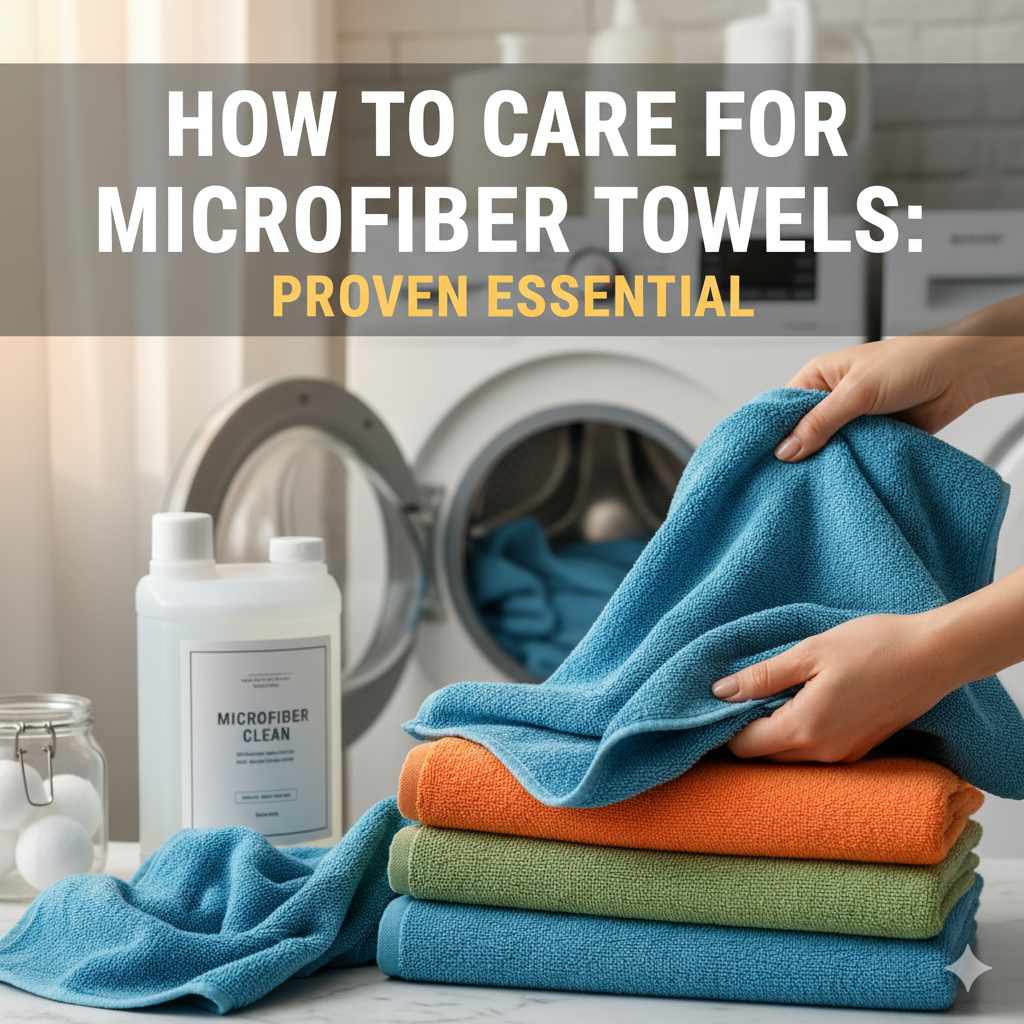
How to Care for Microfiber Towels: Proven Essential
Properly caring for microfiber towels extends their life and maintains their incredible absorbency and cleaning power. Wash them separately from other fabrics using mild detergent, avoid fabric softener, and air dry or tumble dry on low heat to keep them fluffy and effective for all your cleaning needs.
Hey there, car enthusiasts! Ever notice how your trusty microfiber towels aren’t quite as plush or absorbent as they used to be? It’s a common frustration. These amazing cloths are fantastic for washing, drying, and detailing our cars, but if not cared for correctly, they can quickly lose their magic. Don’t worry, though! Keeping your microfiber towels in top shape is simpler than you might think. We’ll walk through easy, step-by-step methods to ensure your towels stay soft, effective, and ready for any detailing job. Let’s get them back to their best!
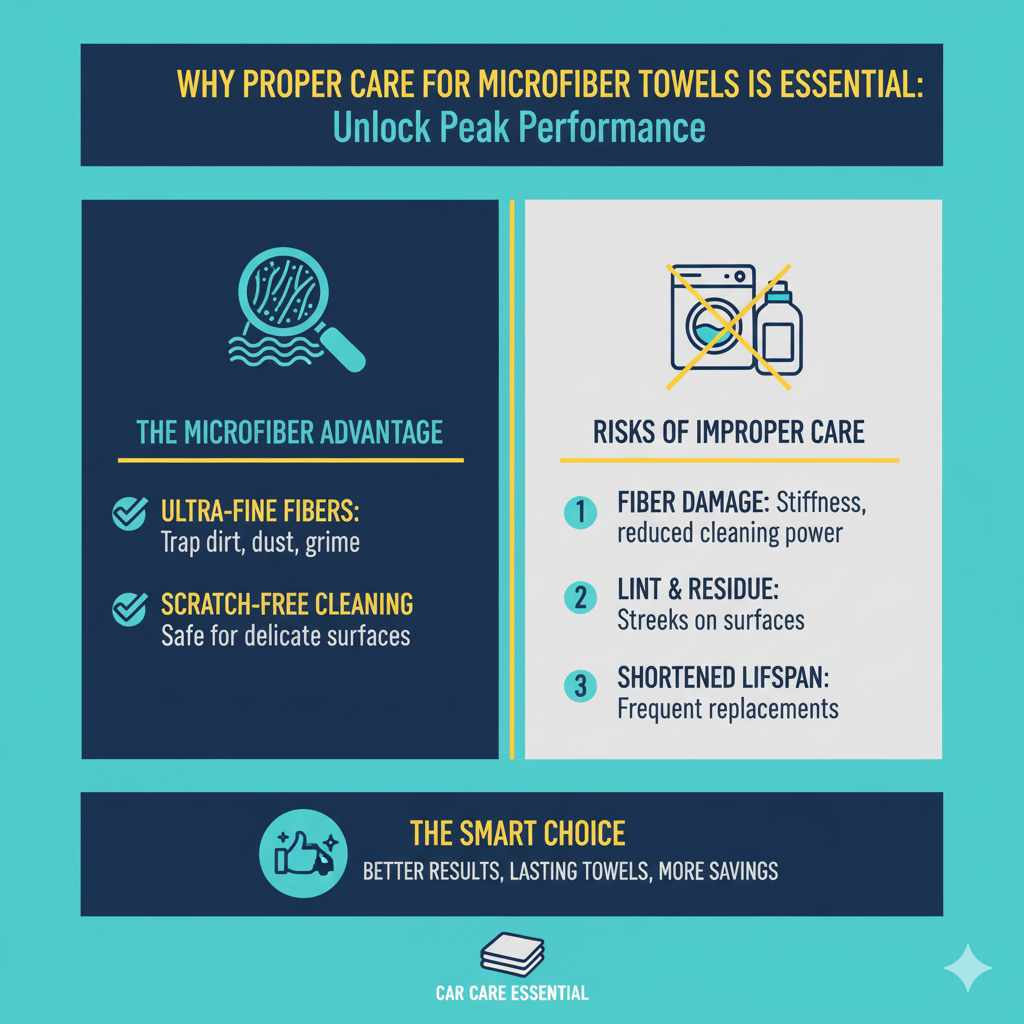
Why Proper Care for Microfiber Towels is Essential
Microfiber towels are a game-changer for car care. Their tiny fibers are designed to trap dirt, dust, and grime effectively, polishing and cleaning surfaces without scratching. This makes them a favorite for everyone from professional detailers to weekend warriors. However, the very structure that makes them so effective also makes them sensitive to improper care. Things like fabric softener, high heat, and washing with other fabrics can damage these delicate fibers, reducing their cleaning ability and leaving them stiff or clumpy.
Think of your microfiber towels like tiny, hardworking superheroes. They need the right conditions to perform at their peak! When you take good care of them, you’re not just keeping them soft; you’re preserving their ability to pick up contaminants and leave your car’s finish spotless. This translates to better results for your car and saves you money in the long run because you won’t have to replace them as often. This guide is all about giving you the confidence to treat your towels right.
Understanding How Microfiber Works
Before we dive into care, let’s quickly touch on why microfiber is so special. Microfiber is a synthetic material, typically made from a blend of polyester and polyamide. What makes it unique are the incredibly fine fibers, much finer than a human hair. These fibers are split during manufacturing to create a star-like shape with many more surface areas than conventional fibers.
These tiny fibers have a positive electrical charge, which helps them attract and hold negatively charged dust and dirt particles like a magnet. They are also incredibly absorbent, capable of holding up to seven times their weight in water. The split fibers create a larger surface area that can wick away moisture and dirt more effectively than traditional cotton or terry cloth. This is why they’re so good at absorbing spills, drying your car, and buffing out waxes or polishes without leaving lint behind.
The Enemies of Microfiber: What to Avoid
Just as you’d protect delicate electronics, you need to protect your microfiber towels from certain things that can ruin them. Understanding these “no-nos” is the first step to great care:
- Fabric Softeners: These are the #1 enemy of microfiber. Fabric softeners coat the fibers, filling in the spaces that make them absorbent and attract dirt. This makes your towels less effective and causes them to become greasy or slick.
- Bleach: Chlorine bleach can break down the synthetic fibers in microfiber, weakening them and reducing their lifespan. It can also cause discoloration.
- High Heat: Excessive heat from a washing machine or dryer can melt or damage the fine fibers, making them rough, clumpy, and less absorbent.
- Washing with Lint-Producing Fabrics: Cotton towels, t-shirts, and other linty items can transfer fibers onto your microfibers. These transferred fibers are incredibly difficult to remove and will diminish your microfiber’s cleaning power.
- Rough Surfaces: Avoid rubbing your microfiber towels on rough surfaces like concrete or unfinished wood, as this can snag and tear the delicate fibers.
The Essential Guide: How to Care for Microfiber Towels
Now that you know what to avoid, let’s get into the practical steps for keeping your microfiber towels in pristine condition. Follow these simple instructions, and you’ll be impressed with how long they last and how well they perform.
Step 1: Pre-Wash Inspection and Sorting
Before tossing any towels into the wash, take a quick look. Are there any heavy grease stains or very abrasive dirt that might be hard to get out? You might want to pre-treat these. The most crucial part of this step is sorting. Microfiber should always be washed separately from other laundry. Group your microfiber towels by their intended use:
- Detailing/Polishing Towels: These are usually the softest and have a higher pile.
- Washing/Drying Towels: These are often more robust and absorbent.
- Wheel/Engine Bay Towels: These are often dedicated to the dirtiest jobs and should never be used on paintwork.
Washing them by task ensures that grit from wheel cleaning doesn’t transfer to your paint-safe towels, for example. This simple sorting act is key to maintaining their effectiveness and preventing cross-contamination.
Step 2: Washing Your Microfiber Towels
This is where the magic happens, and it’s surprisingly simple. The goal is to clean the fibers without damaging them.
Machine Washing:
- Load Size: Don’t overstuff your washing machine. Give the towels plenty of room to move freely so they get thoroughly cleaned.
- Water Temperature: Use warm water. It helps to dissolve dirt and grime more effectively than cold water, but it’s not so hot that it risks damaging the fibers. Avoid hot water settings.
- Detergent: Use a high-quality, liquid detergent specifically designed for microfiber or a mild, low-suds option. Avoid powdered detergents, as they can leave residue. Look for detergents free of bleach, fabric softeners, and dyes. A good option is a dedicated microfiber wash product, often found at auto detailing supply stores. You can find excellent recommendations from reputable sources like Chemical Guys’ Microfiber Care Guide.
- Amount of Detergent: Use only a small amount. Too much detergent can be difficult to rinse out completely and can leave a residue that reduces absorbency. Follow the detergent manufacturer’s instructions carefully, and err on the side of using less.
- Detergent Boosters (Optional): For tougher jobs, adding about 1/2 cup of white vinegar to the rinse cycle can help strip away residues and restore absorbency without harming the fibers. Baking soda can also be added to the wash cycle (about 1/2 cup) to help boost cleaning power.
Hand Washing:
If you only have a few towels or prefer to hand wash, it’s just as effective. Use a clean wash basin or bucket. Fill it with warm water, add a small amount of your chosen detergent, and submerge the towels. Gently agitate them with your hands, focusing on any soiled areas. Rinse thoroughly until no soap suds remain.
Step 3: Rinsing Thoroughly
This step is non-negotiable. You must ensure all detergent is rinsed out of the microfiber. Incomplete rinsing is a common reason for reduced absorbency and a greasy feel. Run your washing machine through an extra rinse cycle if possible. For hand washing, rinse the towels multiple times until the water runs clear and you can no longer feel any slipperiness from the detergent.
The vinegar trick mentioned earlier is especially useful here. Adding a bit of white vinegar to the final rinse cycle acts as a natural fabric softener (without coating the fibers!) and helps to neutralize any detergent residue, ensuring your towels remain soft and absorbent. You can add about 1/2 cup of white vinegar directly into the fabric softener compartment or during the final rinse cycle.
Step 4: Drying Your Microfiber Towels
Drying is another critical stage. The goal is to dry them without damaging the fibers or causing them to become stiff.
Tumble Drying:
- Low Heat Setting: Always use the lowest heat setting available on your dryer. High heat can melt or snag the delicate microfiber strands, making them less soft and effective.
- Avoid Dryer Sheets: Never use dryer sheets! Just like fabric softener, they leave a residue that degrades microfiber performance.
- Remove Promptly: Take the towels out of the dryer as soon as the cycle is finished. Letting them sit in a hot dryer will cause wrinkles and could potentially scorch them.
- Add Dryer Balls (Optional): Wool dryer balls can help speed up drying time and make the towels softer without using chemicals.
Air Drying:
Air drying is the gentlest method and is perfect for maintaining the longevity of your microfiber towels. Simply hang them on a clothesline or a drying rack in a well-ventilated area. Avoid direct, harsh sunlight, which can degrade synthetic fibers over time. Ensure they are completely dry before storing them to prevent mildew.
Step 5: Storage and Maintenance
Once clean and dry, store your microfiber towels properly. Keep them in a clean, dry place, free from dust and chemicals. Storing them folded or rolled in a dedicated bin or on a shelf is ideal. If you have different types of towels (e.g., paint towels vs. wheel towels), keep them separated even during storage to avoid accidental cross-contamination. Labeling bins or shelves can be a great way to stay organized, especially if you have a large collection.
Troubleshooting Common Microfiber Towel Issues
Sometimes, despite our best efforts, towels might misbehave. Here’s how to tackle common problems:
- Towels are Stiff or Rough: This is usually a sign of fabric softener or detergent residue. Try re-washing the towels using a dedicated microfiber wash and the vinegar rinse method. You might need to do this a couple of times.
- Towels Aren’t Absorbent: Residue from detergents, fabric softeners, or even waxes and polishes can block the absorbency. Again, a thorough re-wash with a good microfiber cleaner and vinegar rinse is your best bet.
- Towels Have Grease Stains: For tough grease, you can try a specialized degreaser designed for fabrics or a stronger dedicated microfiber cleaner. Pre-treating the spot before washing is often more effective than hoping the regular wash cycle will handle it.
- Towels Have Lint: If your towels are picking up lint from other items, ensure you’re washing microfibers separately and consider cleaning your lint trap in the dryer. If lint is embedded, it can be very difficult to remove. Sometimes, a lint roller or a stiff brush can help, but it’s often a sign that they were washed with the wrong items.
Comparing Microfiber Towel Care Methods
Choosing the right approach can make a big difference. Here’s a quick look at common methods:
| Method | Pros | Cons | Best For |
|---|---|---|---|
| Machine Wash (Warm water, mild detergent) | Convenient, effective for larger loads. | Risk of damage if wrong settings/detergents are used. | Regular cleaning of most microfiber types. |
| Hand Wash (Warm water, mild detergent) | Gentle, excellent control over rinsing, great for delicate towels. | Time-consuming, less practical for many towels. | High-end detailing towels, small batches. |
| Air Dry | Safest, preserves fiber integrity, no shrinkage. | Takes longer, requires space, potential for stiffness if mineral-rich water issues exist. | All microfiber types, especially those needing maximum longevity. |
| Tumble Dry (Low Heat, No Fabric Softener) | Faster, can help fluff towels. | Risk of fiber damage if heat is too high. | Most microfiber types needing quick drying. |
Why Using a Dedicated Microfiber Cleaner Matters
While regular laundry detergent might seem like a good idea, it’s often not the best choice for microfiber. Standard detergents might contain brighteners, moisturizers, or other additives that leave a residue on the super-fine microfiber strands. This residue can clog the microscopic spaces in the fibers, reducing their ability to absorb water and trap dirt. Dedicated microfiber cleaners are specifically formulated to rinse cleanly, break down automotive grime, and restore the towel’s natural properties.
You can find effective microfiber wash products from trusted automotive brands like Griot’s Garage, Adam’s Polishes, and McKee’s 37. These are designed to work with the unique structure of microfiber to ensure optimal cleaning and longevity. For instance, Griot’s Garage Fabric Cleaner is a popular choice among detailing professionals for its ability to tackle automotive contaminants effectively.
The Role of White Vinegar in Microfiber Care
White vinegar is a fantastic, inexpensive tool for microfiber towel care. It’s acidic, which helps to break down alkaline residues left behind by detergents. Unlike commercial fabric softeners, vinegar doesn’t coat the fibers, so it doesn’t impede their absorbency or cleaning power. Instead, it helps to lift and rinse away the leftover soap and grime, leaving the fibers feeling softer and the towel more absorbent. It also acts as a natural deodorizer, helping to eliminate any lingering smells from used towels.
Adding 1/2 cup to 1 cup of white vinegar to the rinse cycle of your washing machine is a simple yet highly effective way to boost your microfiber cleaning routine. It’s a small step that makes a noticeable difference in the feel and performance of your towels. Some people even use it as a soak for heavily soiled towels before a wash.
How Often Should You Wash Microfiber Towels?
The frequency of washing depends on their use. For general drying or wiping down a recently cleaned car, you might get away with using a towel multiple times before washing, provided it hasn’t picked up excessive dirt. However, if you use a towel to dry a very dirty car or for any task that involves significant grime (like cleaning wheels or the engine bay), it should be washed immediately after use.
As a general rule:
- Paint safe detailing towels should be washed after every couple of uses or when they start to feel less effective.
- Washing/drying towels can often be used several times before washing, but watch for signs of diminished absorbency or excessive dirt.
- Wheels/engine bay towels are best washed after every single use to prevent transferring harsh contaminants.
It’s always better to err on the side of washing them more often than less to maintain their performance and prevent damage from accumulated dirt. Overloading your washing machine means towels won’t get clean, so wash in smaller, manageable loads.
Frequently Asked Questions About Microfiber Towel Care
Q1: Can I wash my microfiber towels with my regular clothes?
No, it’s strongly recommended not to wash microfiber towels with other fabrics, especially cotton. Cotton and other natural fibers shed lint that adheres to microfiber, drastically reducing its effectiveness. Always wash microfibers separately.
Q2: Should I use fabric softener on my microfiber towels?
Absolutely not. Fabric softener coats the microfiber strands, filling the tiny spaces that make them absorbent and cause them to attract dirt. This makes your towels less effective and can leave them feeling greasy or slick.
Q3: How do I remove wax or polish residue from my microfiber towels?
Wax and polish residue can be stubborn. Try washing the towels with a dedicated microfiber cleaner and a tablespoon of Goo Gone or a similar citrus-based degreaser in the wash cycle. Follow up with a thorough rinse using white vinegar. You might need to repeat this process for heavily caked-on residue.
Q4: Why do my microfiber towels feel rough after washing?
Roughness is often a sign of residue buildup or damage to the fibers. This can be from using fabric softener, harsh detergents, or drying on high heat. Re-washing with a good microfiber cleaner and a vinegar rinse, and then air drying or tumble drying on low, should help restore softness.
Q5: Can I use bleach on my microfiber towels?
It’s best to avoid bleach. Chlorine bleach can break down the synthetic fibers of microfiber, weakening them and reducing their lifespan. If you need to disinfect, consider using a specific towel disinfectant or a vinegar treatment, which is gentler.
Q6: How important is it to sort microfiber towels by task?
It’s very important, especially if you are serious about maintaining your car’s finish. Washing aggressive-use towels (like those for wheels or engines) with delicate paint-safe towels can transfer abrasive particles. Keeping them separate ensures that your paint-safe towels remain free of contaminants that could cause scratches.