How to Get Stains Out of Car Seats (Fabric & Leather)
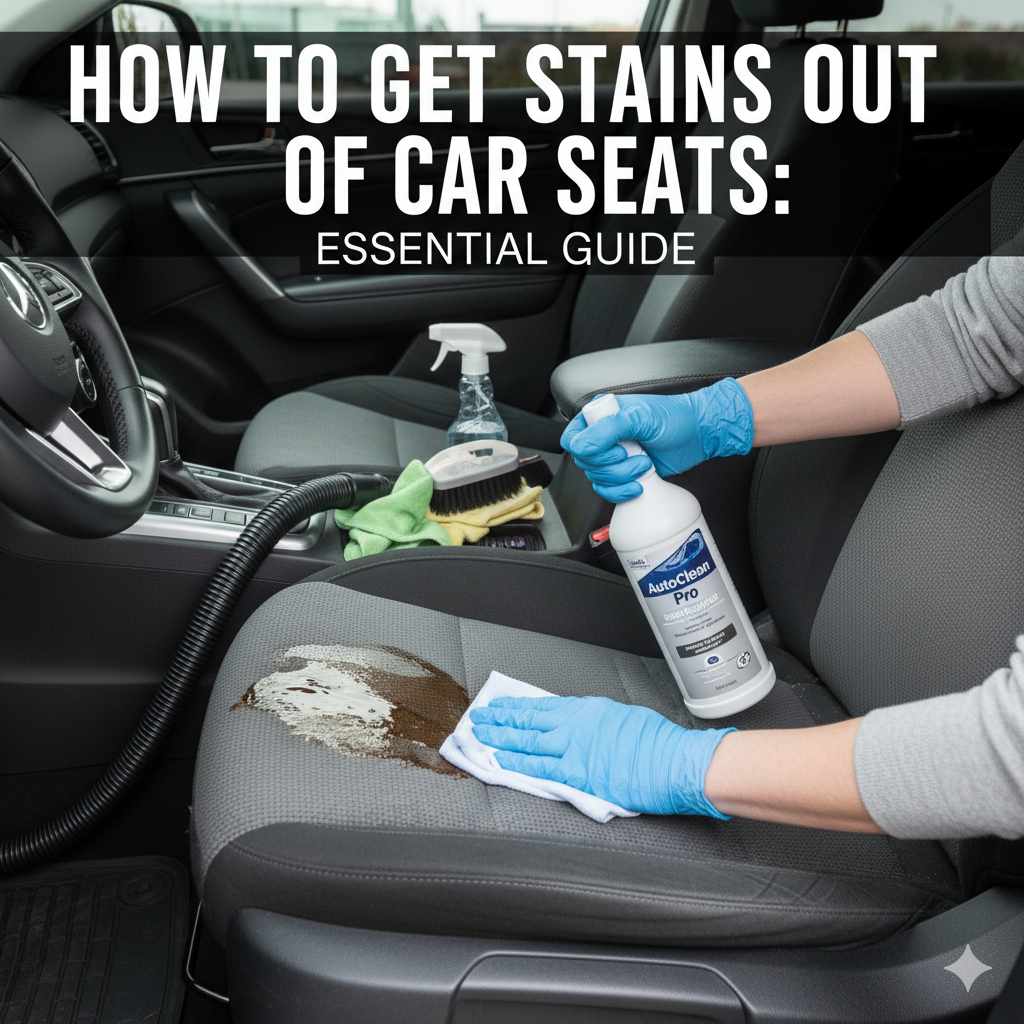
A coffee spill or a muddy cleat print on a car seat feels like a bigger disaster than it is — until the wrong cleaner turns it into a permanent stain. Fabric, leather, and vinyl each react differently to moisture and cleaning products, and treating them the same way is the quickest way to make things worse. This guide walks through how to get stains out of car seats material by material, plus a deep-clean routine for set-in spots and the stain types drivers usually struggle with most.
Quick Answer
Remove fabric car seat stains by blotting with a 1:1 white vinegar and water solution, or a mild dish soap and water mix. Leather requires a pH-neutral leather cleaner — never dish soap or vinegar, which strip natural oils. For set-in stains, use baking soda paste (2:1 ratio) left for 30 minutes before scrubbing.
Why Car Seat Stains Happen (And Why You Can Beat Them)
Our Pick
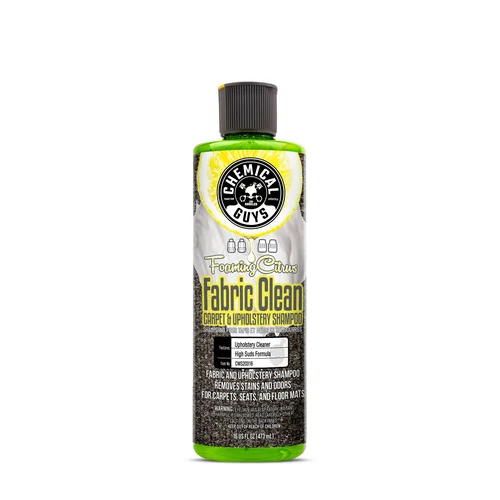 |
Chemical Guys Foaming Citrus Fabric Cleaner Kit Oxygen-infused foam penetrates deep into fabric fibers to lift stains and odors without harsh scrubbing — safe for cloth and fabric car seats.
|
Life in a car isn’t always neat and tidy. Between morning coffees, snacks on the go, pet adventures, and the occasional leak, stains are an almost inevitable part of owning a vehicle. The good news is that with the right approach, most car seat stains can be significantly lightened or completely removed — it just takes knowing which cleaner works on your seat material.
Understanding Your Car Seat Material: The First Step to Stain Removal
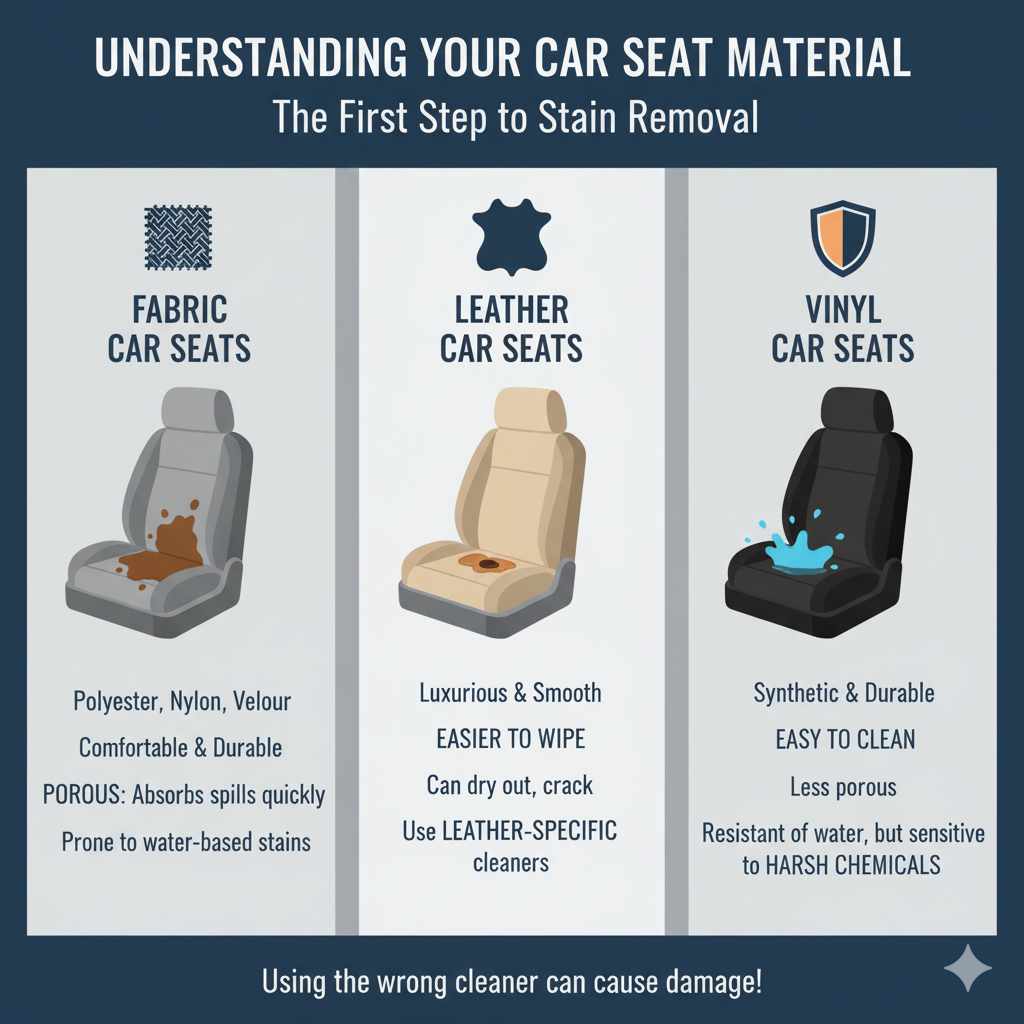
Before you grab any cleaning product, it’s important to know what your car seats are made of. Different materials require different cleaning methods and products to avoid damage. Using the wrong cleaner on the wrong material can sometimes make a stain worse or even damage the seat itself.
Fabric Car Seats
Fabric car seats are upholstery made from polyester, nylon, or velour that is porous and absorbs spills quickly into the fibers. Most cars use fabric upholstery because it is comfortable and durable, but stains set faster on fabric than on leather or vinyl. Always treat fabric stains immediately and avoid over-wetting, which can cause mold or mildew in the foam underneath.
Leather Car Seats
Leather seats offer a touch of luxury and are generally easier to wipe clean of surface spills. However, they can be prone to drying out, cracking, or absorbing oily stains if not treated properly. It’s crucial to use cleaners specifically designed for leather — never use vinegar, dish soap, or ammonia-based products, which strip the leather’s natural oils and accelerate cracking.
Vinyl Car Seats
Vinyl is a synthetic material that’s very durable and easy to clean, making it a common choice for many vehicles. It’s less porous than fabric and generally resistant to water-based stains. However, it can be susceptible to damage from harsh chemicals or excessive heat.
Essential Tools and Supplies You’ll Need
Gathering the right supplies before you start will make the entire process smoother and more effective. You probably have many of these items already in your home!
- Microfiber cloths (several — great for gentle cleaning and drying)
- Spray bottles
- Small, soft-bristled brush (an old toothbrush works well for stubborn spots)
- Vacuum cleaner with crevice attachment
- Clean water (distilled water preferred for water-stain removal)
- Paper towels
- Optional: Small bucket
DIY Cleaning Solutions for Common Fabric Seat Stains
For fabric seats, you can create effective cleaning solutions using common household items. Always test any cleaner on an inconspicuous area first — a good spot is the underside of a seat or along a seam — to ensure it doesn’t discolor or damage the fabric.
The All-Purpose Fabric Cleaner (Vinegar & Water)
This is a fantastic, gentle cleaner for many everyday stains like dirt, mud, or light food spills. White vinegar is a natural deodorizer and mild disinfectant.
What You Need:
- 1 part white vinegar
- 1 part cool water
- Spray bottle
- Microfiber cloths
How to Use:
- Mix the white vinegar and water in the spray bottle.
- Lightly spray the stained area. Don’t oversaturate the fabric, as too much moisture can lead to mold or mildew.
- Let it sit for about 5–10 minutes.
- Gently blot the stain with a clean microfiber cloth. Work from the outside of the stain inward to prevent spreading.
- Rinse the area by blotting with a cloth dampened with plain water.
- Allow the seat to air dry completely. A fan speeds up drying.
Tackling Grease and Oil Stains (Baking Soda)
Grease and oil can be tricky, but baking soda is a fantastic absorbent that can lift these types of stains right out.
What You Need:
- Baking soda
- Vacuum cleaner
- Soft brush
- Mild dish soap (optional, for tougher stains)
- Water
How to Use:
- Sprinkle a generous amount of baking soda directly onto the fresh grease or oil stain.
- Let it sit for at least 30 minutes — the baking soda absorbs the greasy residue.
- Vacuum it up thoroughly.
- If a stain remains, make a paste of baking soda and a little water. Apply, let dry, then vacuum.
- For very stubborn grease stains, mix a drop of mild dish soap with a cup of cool water. Blot the stain, then rinse by blotting with a water-dampened cloth. Let dry.
Dealing with Coffee, Soda, or Other Food Stains
These common culprits often leave colorful marks. A mild soap solution is usually effective.
What You Need:
- A few drops of mild dish soap (like Dawn) or laundry detergent
- Cool water
- Spray bottle or small bowl
- Microfiber cloths
How to Use:
- Mix about 1 teaspoon of mild dish soap with 1 cup of cool water.
- Lightly dampen a microfiber cloth with the solution (don’t soak).
- Gently dab the stain, working from the outside edges towards the center.
- Continue dabbing until the stain begins to lift. Use a clean section of cloth as the stain transfers.
- Rinse the area by blotting with a separate cloth dampened with clean water to remove soap residue.
- Blot dry and let the seat air dry completely.
Removing Ink Stains
Ink can be one of the toughest stains. For fabric, rubbing alcohol can work, but requires care.
What You Need:
- Rubbing alcohol (isopropyl alcohol)
- Cotton swabs or balls
- Microfiber cloth
- Water
How to Use:
- Test first! Apply a tiny bit of rubbing alcohol to a hidden spot to check for color fastness.
- Dampen a cotton swab or ball with rubbing alcohol.
- Gently dab the ink stain. Avoid rubbing, as this spreads the ink.
- Switch to a clean swab as soon as one becomes saturated with ink.
- Continue dabbing until no more ink transfers.
- Rinse by blotting with a cloth dampened with water. Blot dry and air dry.
How to Get Water Stains Out of Car Seats
Water stains on fabric seats appear as light rings or tide marks left when moisture dries and concentrates minerals on the surface. To remove them, lightly dampen the entire seat panel — not just the ring — with distilled water, then blot dry with a microfiber cloth. This re-wets and redistributes the mineral residue evenly so no ring remains. For stubborn water marks, a 1:1 white vinegar and distilled water solution applied with a damp cloth and blotted dry removes mineral deposits without harming fabric fibers.
How to Remove Old or Set-In Stains from Car Seats
Old stains that have dried and bonded to fabric fibers require rehydration before treatment. Apply a paste of 2 parts baking soda to 1 part water directly to the stain, let it sit for 30 minutes, then scrub gently with a soft-bristled brush in circular motions before vacuuming. For protein-based set-in stains — blood, milk, sweat — use an enzyme-based upholstery cleaner, which breaks down organic compounds that general soap cannot lift. Avoid hot water on old stains: heat permanently bonds proteins to fabric fibers.
Cleaning and Conditioning Leather Car Seats
Leather requires a gentler touch and specialized products to keep it looking its best and prevent cracking. Harsh chemicals — including vinegar, dish soap, and ammonia — damage the leather’s finish and strip its natural oils.
Basic Leather Seat Cleaning
For everyday dirt and grime, a dedicated leather cleaner is best. Here’s a DIY option for light cleaning:
What You Need:
- Mild, pH-neutral cleaner (diluted gentle soap or saddle soap) or a commercial leather cleaner
- Distilled water
- Two microfiber cloths
- Spray bottle (optional)
How to Use:
- If using a commercial cleaner, follow the product’s instructions.
- For DIY: Mix about 1 tablespoon of mild liquid soap (gentle hand soap, not dish soap) with 1 quart of distilled water.
- Dampen one microfiber cloth with the cleaning solution. Wring it out so it’s not dripping wet.
- Gently wipe down the leather seats, section by section.
- Use the second clean, damp microfiber cloth to wipe away soap residue.
- Buff dry with a dry microfiber cloth.
Leather Seat Conditioning
Cleaning leather can strip some of its natural oils. Conditioning replenishes these oils, keeping the leather supple and protected — especially important in dry or hot climates.
What You Need:
- A good quality leather conditioner
- Clean, soft microfiber cloths
How to Use:
- Ensure leather seats are clean and dry.
- Apply a small amount of leather conditioner to a clean microfiber cloth.
- Work the conditioner into the leather using circular motions. Apply evenly across the entire seat surface.
- Let the conditioner penetrate for 10–20 minutes (check product label).
- Buff off excess conditioner with a clean, dry microfiber cloth, leaving a smooth, non-greasy finish.
Dealing with Tough Leather Stains (Ink, Dye Transfer)
Tougher stains on leather, like ink or color transfer from clothing (dark denim is a common culprit), can be more challenging. Use a dedicated leather stain remover — start with the gentlest method and escalate if needed.
What You Need:
- Specialized leather cleaner or degreaser
- Leather conditioner
- Soft cloths
- Cotton swabs (for precision)
How to Use:
- Always test first! Use a product specifically designed for leather — a dedicated leather degreaser or ink remover.
- Apply a small amount of the cleaner to a cotton swab or cloth.
- Gently dab the stain. For ink, dabbing works better than rubbing. Work from the outside in.
- Allow the product to lift the stain as directed.
- Wipe away residue with a clean damp cloth, then dry.
- Once dry, apply a leather conditioner to rehydrate and protect the spot.
Special Considerations: Vinyl Car Seats
Vinyl seats are generally easy to maintain. Most common spills wipe away with a damp cloth. For tougher grime or sticky residues:
- Use a mixture of mild soap and water.
- Wipe clean with a damp cloth, then dry with a soft towel.
- Avoid abrasive cleaners or harsh solvents, which dull or damage the vinyl finish over time.
Step-by-Step Guide for Deep Cleaning Car Seats
When your car seats need more than spot treatment, a deep clean refreshes the entire interior. This process removes general grime, odors, and light widespread staining.
Step 1: Vacuum Thoroughly
Start by removing all loose debris. Use your vacuum cleaner with the crevice tool to get into seams, between cushions, and under seats. This prevents dirt from being ground further into the fabric during cleaning.
Step 2: Pre-Treat Stains
Before a general cleaning, address prominent stains using the methods described earlier for your specific seat material. This gives spot treatments time to work while you prepare for the main clean.
Step 3: Prepare Your Cleaning Solution
For fabric seats, a solution of 1 part white vinegar to 1 part water works well. For leather, use a pH-neutral leather cleaner or a very mild soap mixture as described above.
Step 4: Clean Section by Section
Work on small sections at a time. Dampen a microfiber cloth with your chosen solution (don’t soak). Gently wipe or blot the area. For fabric, avoid harsh scrubbing. For leather, use gentle circular motions.
Step 5: Rinse (Fabric Seats Only)
After cleaning a section of fabric seats, use a separate clean cloth dampened with plain water to wipe away cleaning solution residue. This prevents the cleaner from attracting more dirt later.
Step 6: Dry Thoroughly
For fabric seats, blot with a clean dry microfiber towel to remove as much moisture as possible. Allow seats to air dry completely with doors and windows open to promote airflow. A fan speeds up drying. For leather, a final buff with a dry cloth is sufficient.
Step 7: Condition Leather Seats (If Applicable)
If you have leather seats, apply leather conditioner after cleaning and drying, following the steps mentioned earlier.
Dealing with Odors in Car Seats
Sometimes the issue isn’t just visible stains but lingering odors from spills, pets, or smoke. Here are the most effective approaches:
- Baking Soda: Sprinkle a generous layer over fabric seats, let sit for several hours or overnight, then vacuum thoroughly. A natural odor absorbent that won’t harm fabric.
- Vinegar Spray: The diluted vinegar and water solution neutralizes odors. The vinegar smell dissipates as it dries, taking other odors with it.
- Activated Charcoal Bags: Place in your car for ongoing odor control — naturally absorbs smells without perfumes or chemicals.
- Enzyme-Based Odor Eliminators: Break down the organic source of the smell rather than masking it — the most effective option for pet odors or vomit.
What NOT to Do When Removing Stains
- Harsh Chemicals: Avoid bleach, ammonia, or strong solvents on fabric seats — they damage fibers and colors. For leather, avoid all household cleaners not specifically made for leather.
- Excessive Water: Soaking fabric seats leads to mildew, mold, and foam damage. Use cleaning solutions sparingly and blot dry immediately.
- Abrasive Scrubbing: Vigorous scrubbing frays fabric and scratches leather or vinyl. Gentle blotting and dabbing are more effective and safer.
- Hot Water: Do not use hot or warm water — it sets stains, particularly protein stains like blood and milk, by bonding them permanently to fibers.
- Unknown Products: Always test any cleaning product in an inconspicuous area first.
When to Call a Professional
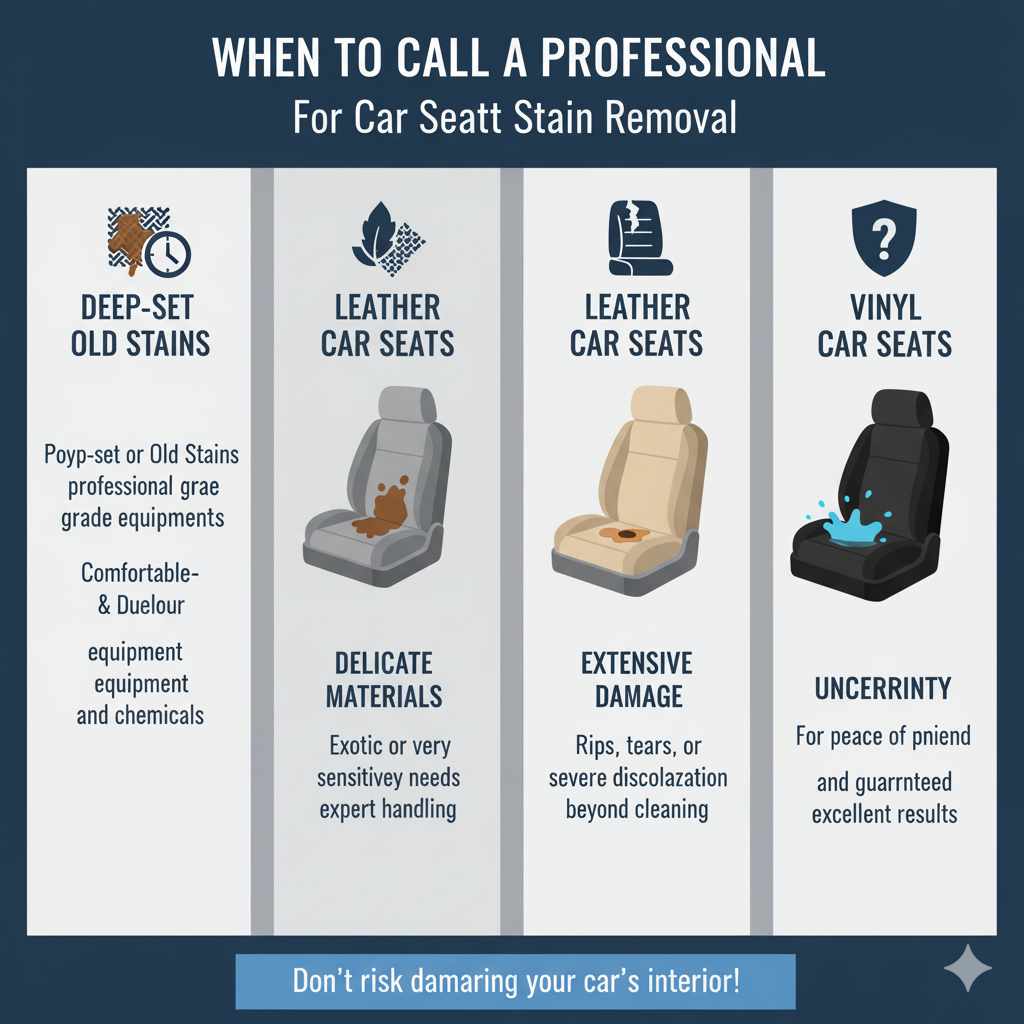
- Deep-Set or Old Stains: Some very old or deeply ingrained stains require professional-grade equipment and chemicals.
- Delicate Materials: Exotic or sensitive upholstery materials benefit from a professional detailer’s expertise.
- Extensive Damage: If the seat material is ripped, torn, or extensively discolored beyond what cleaning can fix.
- Uncertainty: If you’re concerned about damaging your seats, a professional detailer provides reliable results on car upholstery.
Frequently Asked Questions (FAQ)
How often should I clean my car seats?
For fabric seats, a quick vacuum once a week and spot cleaning as needed is ideal. A deeper clean can be done every 3–6 months. Leather seats benefit from cleaning and conditioning every 3–6 months, or more often in harsh climates.
Can I use baby wipes to clean car seats?
Baby wipes can work for very light, fresh spills on vinyl or leather, but they often contain chemicals not ideal for long-term use on car upholstery. Products designed for the specific material produce better results without the risk of residue buildup.
My dog tracked mud all over my fabric seats. What’s the best way to clean it?
Let the mud dry completely first. Once dry, vacuum up as much as possible. Then use your all-purpose fabric cleaner (vinegar and water) or a mild dish soap solution to blot out the remaining stains. Never clean wet mud — you’ll push it deeper into the fabric.
Will a steam cleaner work on car seats?
Yes — steam cleaners are very effective for deep cleaning and sanitizing fabric car seats. Steam at around 245°F penetrates deep into fabric to remove embedded dirt, stains, and odors without chemical cleaners. Use carefully and follow the manufacturer’s instructions to avoid over-wetting.
How do I prevent stains on my car seats in the future?
Using fabric protectant spray on cloth seats, or a quality leather protectant on leather, creates a barrier that repels liquids and makes stains easier to clean. Address spills immediately — fresh stains are almost always easier to remove than dried ones.
Can I use dish soap on leather car seats?
No — regular dish soap is too harsh for leather and strips its natural oils. This leads to drying and cracking over time. Use a dedicated leather cleaner or a very mild, pH-neutral soap at most.
How do you get old set-in stains out of car seats?
Rehydrate the stain first — apply a paste of 2 parts baking soda to 1 part water, let it sit for 30 minutes, then scrub gently with a soft brush and vacuum. For protein-based stains like blood or milk, use an enzyme-based upholstery cleaner, which breaks down organic compounds that soap cannot remove. Avoid hot water, as heat permanently sets protein stains into fabric fibers.
Does baking soda remove stains from car seats?
Yes — baking soda removes grease, oil, and odor-causing stains from fabric car seats. Apply it dry to absorb fresh grease (leave 30 minutes, then vacuum), or mix 2 parts baking soda with 1 part water to form a paste for set-in stains. Baking soda is safe for all fabric upholstery and will not bleach or damage fibers at normal use concentrations.
How do you get water stains out of car seats?
Water stains appear as rings when moisture dries and leaves mineral deposits on fabric. Dampen the entire seat panel with distilled water — not just the ring — then blot dry with a microfiber cloth to redistribute mineral residue evenly. For stubborn marks, apply a 1:1 white vinegar and distilled water solution, blot dry, and allow to air dry fully with the car doors open.
Conclusion
Keeping your car seats clean doesn’t have to be difficult. By identifying your seat material first — fabric, leather, or vinyl — and matching the right cleaner to each, you can tackle most common stains with basic household supplies. Treat spills immediately, avoid hot water on protein stains, and never use dish soap or vinegar on leather. With routine care and the methods above, your car’s interior stays fresh for the long haul.
Products related to this article
Sponsored / affiliate links. As an Amazon Associate I earn from qualifying purchases. I may earn additional commission from eligible campaigns.