How to Get a Dent Out of a Car With Hot Water (Plastic vs. Metal)
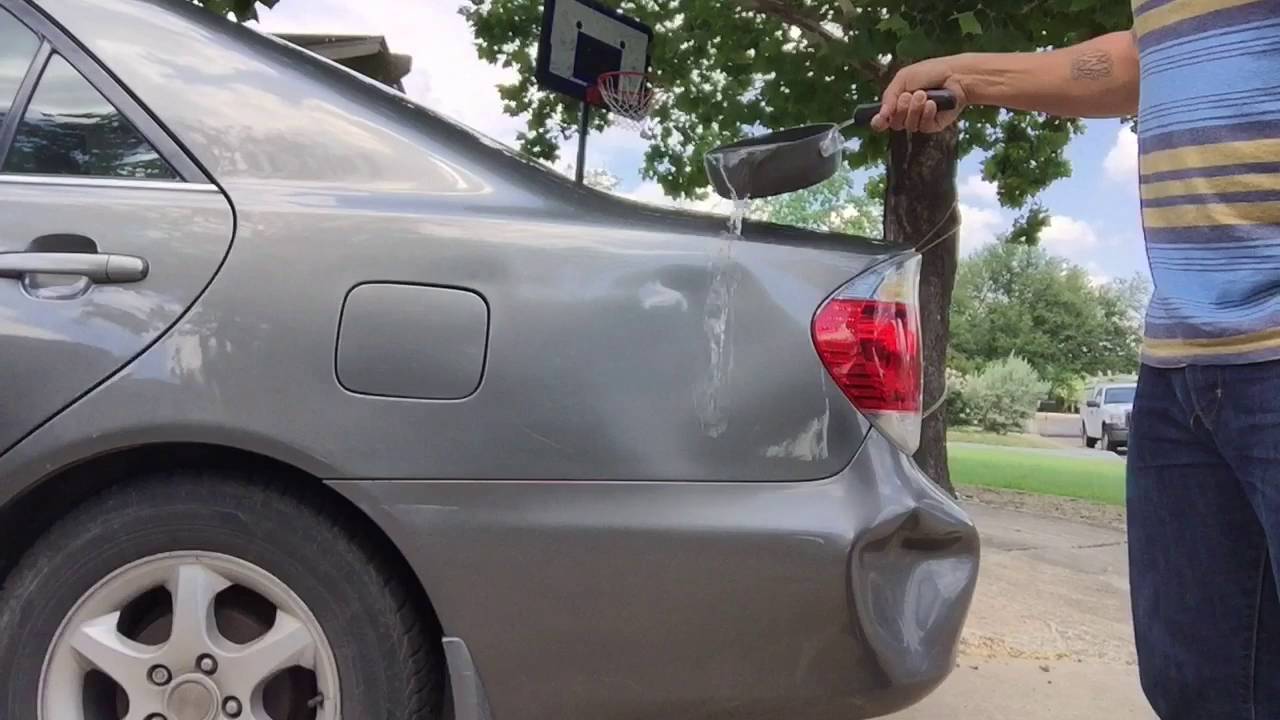
Hot water pops dents out of flexible plastic bumpers because near-boiling water (200–212°F) softens the thermoplastic enough to spring back toward its factory shape — but the same trick barely works on rigid steel panels, which don’t soften until temperatures a kettle can’t reach. Pour water that’s actually boiling too fast and you risk cracking the clear coat. This guide covers the correct technique for plastic, why metal needs a different approach, and safer alternatives.
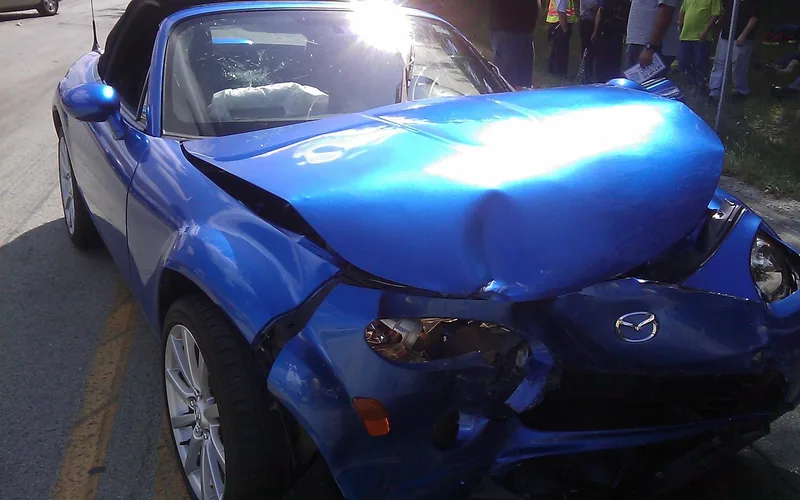
Does Hot Water Actually Work on Car Dents? The Physics Explained
Thermoplastic olefin (TPO) is the material most modern bumper covers are made from, and it is engineered to flex rather than crack on impact. When TPO is heated to roughly 200–212°F, its molecular structure loosens just enough to let the material relax back toward the shape it was originally molded in — sometimes called the plastic’s “memory.” That is the entire mechanism behind the hot water trick: it is thermal softening of flexible plastic, not melting, and not any kind of magic.
Steel body panels do not share that property. Structural steel does not begin to soften until it reaches temperatures in the hundreds of degrees Fahrenheit — far beyond anything a pot of boiling water or an electric kettle can produce. Pouring hot water on a steel dent will not soften the metal. What can move a shallow steel dent is a different mechanism entirely: rapid thermal expansion followed by sudden contraction, which is why the classic dent-repair combo for metal is heat (a heat gun or hair dryer) followed immediately by a blast of compressed air or cold water, not hot water alone.
Aluminum panels sit in between: aluminum expands at roughly twice the rate of steel for the same temperature change, so the heat-then-rapid-cool technique tends to work somewhat better on aluminum hoods and doors than on steel ones — but it is still the expansion-contraction method, not the plastic-softening method, doing the work.
Safety note: a car’s clear coat absorbs heat quickly and can crack or peel if it is heated unevenly and then hit with cold water or air too abruptly. That thermal shock risk is the real reason to pour slowly, work in small sections, and never jump straight from boiling water to a cold rinse on the same painted spot.
Tools and Materials You’ll Need
- A large pot or electric kettle for heating water
- A cooking or infrared thermometer (optional but useful for hitting 200–212°F without guessing)
- Heat-resistant gloves to protect your hands from steam and splashes
- Safety goggles
- A rubber plunger (a sink plunger, not a toilet plunger, works best on curved bumper surfaces)
- A clean, dry towel or microfiber cloth
- A paintless dent repair (PDR) glue-pull kit as a backup if the water-and-plunger method only gets the dent partway out

Best Dent Repair Kit Pick
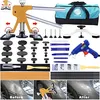
GLISTON 45pcs Paintless Dent Repair Tool Kit
A glue-pull kit that finishes the job when hot water and a plunger only get a dent partway out — works on both plastic bumpers and metal panels.
- Best for: dents the hot water method softened but couldn’t fully pop, on either plastic or metal
- Why we picked it: bridge puller and golden lifter tabs adapt to curved bumpers and flat door panels alike
- Main drawback: glue tabs need a full cure time before pulling, so it’s slower than the water-and-plunger method alone
Compare more dent repair options
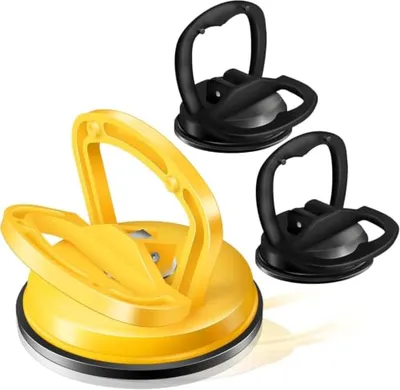 Option 1 HORFUTY Car Dent Puller 3 Pack Dent Puller Powerful Car Dent Removal Kit Suction Cup Dent Puller for
|
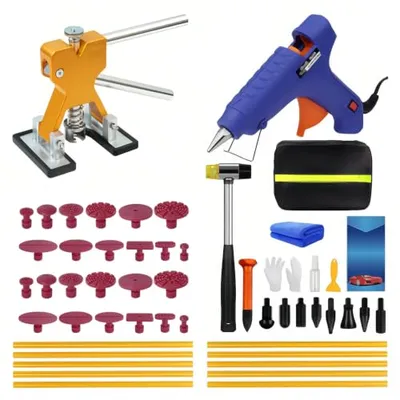 Option 2 DIQDI 49PCS Dent Puller Kit, Paintless Dent Repair Kit for Small Dents
|
 Option 3 97PCS Dent Puller Kit with Slide Hammer
|
As an Amazon Associate we earn from qualifying purchases.
Step-by-Step: The Hot Water Method for Plastic Bumpers
This method is built for flexible plastic bumper covers, not structural steel panels. Follow these steps in order.
- Clean the area: wash the dented section with soap and water and dry it completely so you can see the dent clearly and the heat transfers evenly.
- Heat the water to 200–212°F: bring a full pot or kettle to a near-boil. A thermometer removes the guesswork, but visible steam without a rolling boil is a good visual cue.
- Test on a small area first: pour a small amount on an inconspicuous spot and check that the paint doesn’t blister or peel before treating the whole dent.
- Pour slowly and evenly: hold the pot close to the dent and pour steadily over the whole area rather than dumping it in one spot, which spreads the heat and reduces thermal shock risk.
- Push from behind while the plastic is hot: if you can reach behind the bumper, push the dent out by hand while the plastic is still warm and pliable.
- Or use a plunger on the outside: wet the plunger and the panel, center it over the dent, and push and pull to create suction while the plastic is still soft.
- Hold the shape while it cools: keep pressure on for about 60 seconds as the plastic cools. This is what locks the “memory” back into the factory shape — releasing too early lets it sink back in.
- Dry and inspect: wipe the area dry and check the repair from several angles in good light. Repeat the process if the dent hasn’t fully released.
Why This Doesn’t Work the Same Way on Metal Panels (and What to Do Instead)
If you pour hot water on a steel door, fender, or roof dent expecting the same softening effect, you’ll be disappointed — steel simply doesn’t respond to boiling-water temperatures. What actually moves a shallow metal dent is heat followed by rapid cooling, which exploits the difference in expansion rate between the panel’s outer surface and the metal underneath. A heat gun or hair dryer heats the area, then a blast of compressed air (or, more cautiously, cold water) cools it fast enough that the sudden contraction can pop a shallow dent back toward flat.
| Panel Type | Does Hot Water Alone Work? | Best Technique |
|---|---|---|
| Flexible plastic bumper (TPO) | Yes — thermal softening | Hot water (200–212°F) + push or plunger, hold while cooling |
| Steel body panel | Barely — steel doesn’t soften at this temperature | Heat gun/hair dryer, then rapid cool with compressed air, or a PDR glue-pull kit |
| Aluminum panel | Somewhat better than steel | Same heat-then-rapid-cool method — aluminum’s faster expansion rate helps |
Common Mistakes That Ruin the Hot Water Method
- Using water that’s actually at a rolling boil and pouring it in one spot — this concentrates heat and raises the risk of clear coat damage. Steady steam is enough; you don’t need a violent boil.
- Skipping the small-area paint test — older or already-damaged clear coat can blister at lower temperatures than expected.
- Trying the method on a steel panel and assuming it failed because you did it wrong — it’s the wrong technique for that material, not a mistake in execution.
- Releasing pressure too soon — the plastic needs to cool while held in place, or it can partially sink back toward the dent.
- Ignoring cracked or torn plastic — heat can’t fix a crack; that needs a plastic welder or bumper repair kit instead.
When a Different Method Fits Better
The hot water method is just one tool, and it’s not the right one for every dent. For a dent in a car door where you need multiple DIY options side by side, see our full breakdown in How to Fix a Dent in a Car Door: 5 DIY Methods That Actually Work. If you’re specifically working on a bumper and want a direct comparison of boiling water against three other bumper-specific techniques, see How to Pop a Dent Out of a Car Bumper: 4 DIY Methods That Work. And for a hood dent, which is almost always steel rather than plastic, our complete guide at How to Get Dents Out of a Car Hood covers the full range of options including professional paintless dent repair. If the paint itself is chipped or cracked rather than just dented, see How to Fix Rock Chips on Car Paint before applying any heat.
Frequently Asked Questions
Does Hot Water Get Dents Out Of Cars?
Yes, but mainly on flexible plastic bumper covers. Near-boiling water softens the plastic enough to push or suction the dent back into shape. It has much less effect on rigid steel body panels.
Can Boiling Water Damage Car Paint?
Yes, if it’s poured too fast or concentrated in one spot. The sudden temperature change can cause the clear coat to blister, peel, or crack over time. Pouring slowly over a wider area and avoiding a rapid cold rinse right after reduces that risk.
How To Pop Out A Car Dent?
For plastic bumpers, pour hot water over the dent, then push from behind or use a plunger while the plastic is warm. For metal panels, apply heat with a hair dryer or heat gun, then cool it rapidly with compressed air or cold water to trigger contraction.
Can You Get A Dent Out Of A Car With A Plunger?
Yes, on shallow dents in plastic bumpers or flexible sheet metal. Wet the plunger and the dent area, center the plunger over the dent, and push and pull to create suction. It works best combined with the hot water method on plastic.
Does Hot Water Work On Metal Car Dents?
Not well. Steel doesn’t soften at boiling-water temperatures, so pouring hot water on a metal dent does little on its own. Metal responds better to a heat-then-rapid-cool technique, or a paintless dent repair (PDR) glue-pull kit for more stubborn dents.
What Temperature Should The Water Be For The Hot Water Dent Method?
Around 200 to 212°F — hot enough to see steady steam, without necessarily needing a hard rolling boil. A cooking or infrared thermometer takes the guesswork out, and testing on a small area first confirms the paint can handle it.
Conclusion
Hot water is a genuinely effective, budget-friendly fix — but only for flexible plastic bumper dents, where near-boiling water softens the material’s molecular memory enough to push or suction it back into shape. For steel or aluminum panels, reach for the heat-then-rapid-cool technique or a PDR kit instead, and always test a small area before treating the whole dent.
Products related to this article
Sponsored / affiliate links. As an Amazon Associate I earn from qualifying purchases. I may earn additional commission from eligible campaigns.