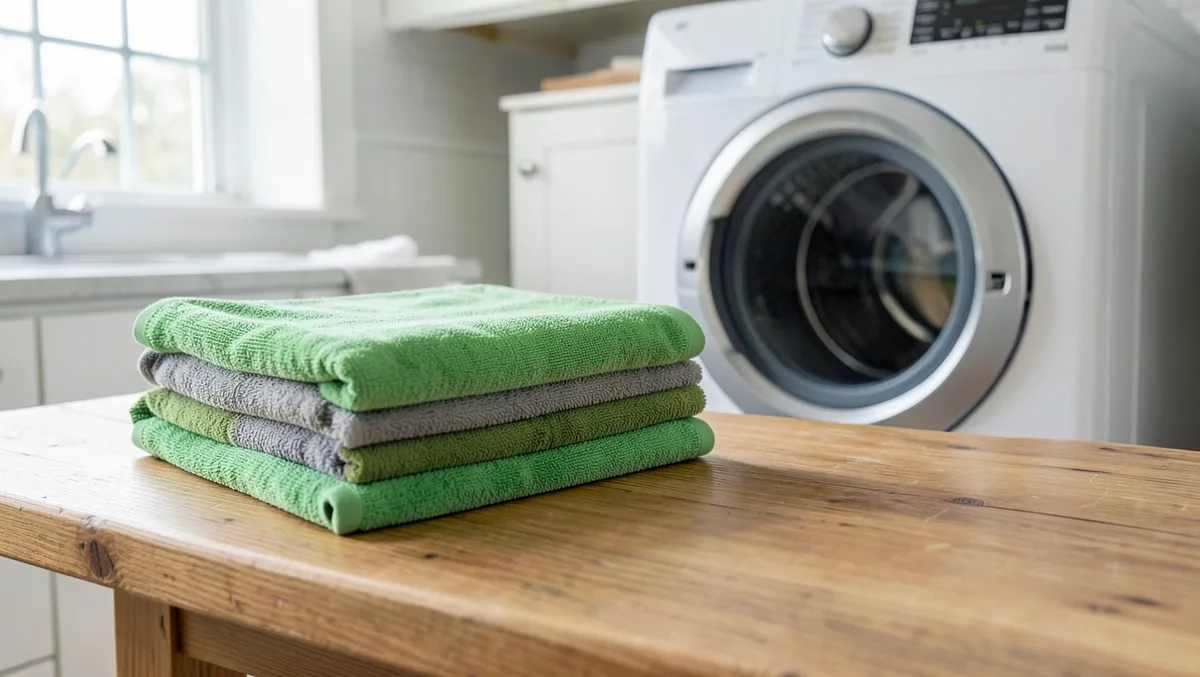
How to Wash Microfiber Car Towels (Without Ruining Them)
Wash microfiber car towels separately, in cold or warm water below 105°F, with a small amount of mild liquid detergent and no fabric softener. That combination is what keeps the thousands of tiny fiber loops open so the towel can keep grabbing dirt and grease instead of just smearing it around.
Toss the same towels in with a load of cotton bath towels on a hot cycle with regular detergent, and you’ll notice the difference within a few washes: they go stiff, stop absorbing water, and start leaving lint streaks on your paint instead of picking dirt up. The fix isn’t complicated, but it does mean treating these towels differently from the rest of your laundry.
What You’ll Need to Wash Microfiber Car Towels Correctly
BEST DETERGENT FOR MICROFIBER TOWELS
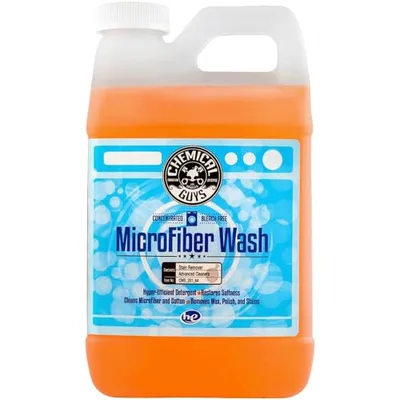 |
Chemical Guys Microfiber & Towel Wash Detergent, 64 oz – $21.19 A pH-balanced, bleach-free formula made specifically for microfiber, so you skip the guesswork of picking a random laundry detergent off the shelf.
|
You don’t need a special washing machine, just a few adjustments to how you normally run a load. Pull together a mild, dye-free liquid detergent (a dedicated microfiber wash like the one above, or a gentle option such as Woolite), a lint-free storage bin to keep dirty towels separated by soil level, and access to a gentle or delicate cycle on your washer. Skip anything labeled “with fabric softener” or “scent boost” — both leave a coating on the fibers that blocks them from gripping dirt.
Step-by-Step: Washing Microfiber Towels in a Machine
- Sort towels by how they were used. Keep towels that touched wheels, tires, or heavy grease separate from the ones used on paint or glass — grit from a wheel towel can scratch a finishing towel in the same load.
- Pre-soak heavily soiled towels for 10-15 minutes in cool water with a splash of detergent to loosen dried polish, wax, or bug residue before they go in the machine.
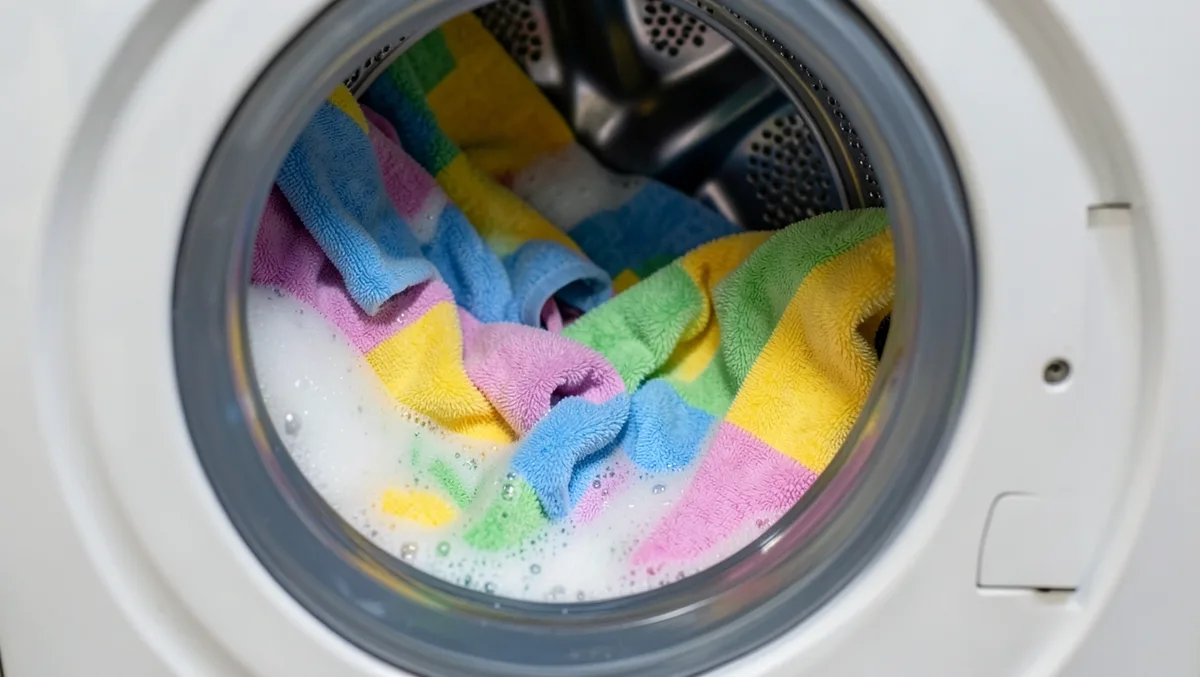
- Load the washer no more than half full. Microfiber needs room to move through the water; a packed drum just pins dirt against the fibers instead of rinsing it away.
- Set the machine to a gentle or delicate cycle with cold or warm water, kept under 105°F. Anything hotter starts to soften the polyester enough that fibers melt together and mat down.
- Add a small amount of mild, bleach-free liquid detergent. Skip powder detergent (it can leave undissolved granules trapped in the weave) and skip fabric softener entirely.
- Run an extra rinse cycle if your machine has one. Leftover detergent residue is one of the most common reasons towels come out stiff or start streaking on glass.
Hand-Washing Heavily Soiled Towels
For a single towel that’s caked in wax or dried mud, hand-washing works better than a full machine load. Fill a basin with lukewarm water and a few drops of the same mild detergent, then work the fabric gently between your fingers instead of scrubbing or twisting it. Rinse under clear running water until no more suds appear, and press the water out by squeezing rather than wringing — twisting a wet microfiber towel stretches and distorts the fiber loops permanently.
How to Dry Microfiber Towels Without Damaging Them
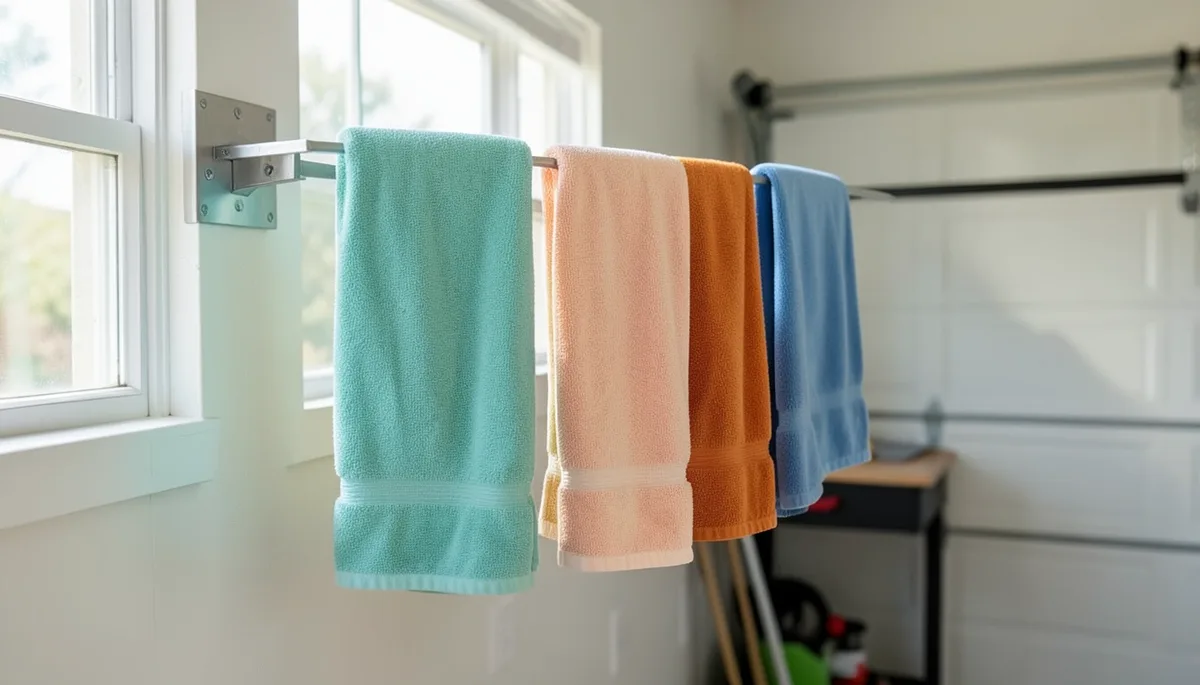
Air drying is the safest option and costs nothing extra: hang towels on a rack or line where air can move through them, and keep them out of direct sun for long stretches, since UV exposure can make synthetic fibers brittle over time. If you’d rather use a dryer, set it to low heat, ideally at or below 140°F, and clean the lint trap first so cotton lint from a previous load doesn’t transfer onto the microfiber. Pull the towels out as soon as the cycle ends rather than letting them sit in a warm drum, and never add a dryer sheet — it works the same way as fabric softener and coats the fibers.
How to Get Rid of a Musty Smell in Microfiber Towels
Microfiber picks up a sour or musty smell faster than cotton because the same tightly split fibers that trap dirt also trap moisture and bacteria if the towel sits damp for too long. If your towels already smell after a normal wash, run them through an extra cycle with about a tablespoon of white vinegar added to the water instead of detergent — vinegar breaks down the bacterial buildup that plain detergent leaves behind, then rinse and dry as usual. Going forward, never leave a wet towel balled up in a hamper or car trunk; hang it to dry within a few hours of use and the smell won’t come back.
Storing Clean Microfiber Towels
Fold dry towels on a flat surface, then stack them by use so a wheel towel never ends up next to a glass or paint towel by accident. Store the stack in a closed bin or drawer away from dust, and keep it separate from household linens — a stray cotton towel or dish rag in the same drawer can shed lint right back onto a clean microfiber towel before it’s even used again.
Common Mistakes That Ruin Microfiber Towels
- Washing with cotton towels. Cotton sheds lint that microfiber’s split fibers grab onto and never fully release.
- Using fabric softener or dryer sheets. Both leave a waxy coating that blocks the fiber loops from gripping dirt or absorbing water.
- Overloading the washer. A packed drum stops water and detergent from reaching every towel evenly.
- Washing at high heat. Hot water and high dryer heat soften the polyester enough to melt and fuse the fibers together.
- Letting a used towel sit wet. Damp, balled-up towels develop bacteria and a musty smell far faster than towels hung to dry right after use.
Frequently Asked Questions
Can you wash microfiber car towels in a washing machine?
Yes. Wash them separately from cotton items on a gentle or delicate cycle, using cold or warm water and a mild, bleach-free liquid detergent. Skip fabric softener, and run an extra rinse cycle if your machine offers one.
What temperature should you wash microfiber towels at?
Keep the water below 105°F. Cold water is fine for lightly used towels, while warm water (still under that threshold) helps loosen dirt on more heavily soiled ones. Hot water softens the polyester fibers enough that they start to melt and mat together.
Why do microfiber towels smell after washing?
A lingering musty smell usually means bacteria built up while the towel sat damp, or that leftover detergent residue is trapped in the fibers. Running a load with a tablespoon of white vinegar instead of detergent breaks down the odor-causing buildup, and hanging towels to dry right after use prevents it from coming back.
Can you put microfiber towels in the dryer?
Yes, on a low-heat setting at or below 140°F. Clean the lint trap first so cotton lint from a prior load doesn’t transfer onto the towels, pull them out as soon as the cycle ends, and never add a dryer sheet.
Why can’t you wash microfiber towels with regular towels?
Cotton towels and clothing shed lint that microfiber’s split fibers grab onto and hold, which is exactly the opposite of what you want from a towel meant to leave surfaces streak-free. Washing microfiber in its own load keeps that lint out entirely.
How often should you wash microfiber car towels?
Wash them after every use. A towel that’s already picked up dirt, wax, or grease will just grind that residue back into your paint the next time you reach for it, so a quick rinse or full wash between uses keeps every towel working as intended.
Conclusion
Keeping microfiber car towels working well comes down to a handful of habits: wash them alone under 105°F, use a mild detergent with no softener, dry them on low heat or air dry, and store them by use so they never pick up lint or grit before their next job. If a towel is already frayed, stiff, or leaving streaks no matter how carefully you wash it, it’s likely past saving — our guide to the best microfiber towels for cars covers GSM and weave picks worth replacing it with. And once your towels are clean, they’re just one part of a full interior refresh — see our DIY car interior detailing guide for the rest of the routine.
Products related to this article
Sponsored / affiliate links. As an Amazon Associate I earn from qualifying purchases. I may earn additional commission from eligible campaigns.