How to Clean a Car AC Filter Step by Step for a Cool Ride
Cleaning your car’s AC filter sounds tricky, right? Many people find it a little intimidating at first. But don’t worry, it’s a common task, and it’s something anyone can do. Learning How to Clean a Car AC Filter Step by Step can save you money and keep your car’s air fresh. This guide will break down the process into simple actions. We’ll show you how to do it without any headaches. Let’s get started and make sure your car’s AC is running well!
The Importance of a Clean Car AC System
Your car’s air conditioning system is more important than it seems. It keeps you cool in summer and helps defog your windows in winter. A dirty AC system, specifically the filter, can cause several problems. These issues impact the air quality inside your car and the efficiency of the AC. Dust, pollen, and other pollutants accumulate in the filter over time. This buildup restricts airflow, which makes your AC work harder and use more energy. It can also lead to unpleasant odors and even make you sick.
Why Cleaning Matters for Air Quality
The air you breathe in your car comes through the AC system. If the filter is dirty, it can’t remove all the harmful particles like dust, pollen, and mold spores. These tiny particles can trigger allergies, cause respiratory issues, or just make your car smell bad. A clean filter ensures the air inside your car is fresher and healthier. Regular cleaning prevents these problems and helps you enjoy a more pleasant driving experience. Clean AC system will also improve the air quality for passengers, especially those with allergies or asthma.
- Improved Air Quality: A clean filter removes dust, pollen, and other pollutants, leading to healthier air. This is especially important for people with allergies.
- Reduced Odors: Dirty filters often trap moisture and create a breeding ground for mold and mildew. Cleaning the filter eliminates these odors, making your car smell fresher.
- Health Benefits: By removing allergens and irritants, a clean filter can help prevent allergic reactions and respiratory problems. This is a significant advantage for overall health.
- Preventive Maintenance: Regular cleaning helps prevent the buildup of contaminants that can damage the AC system over time. This preventive measure saves you from expensive repairs.
How AC Filters Affect AC Efficiency
A clogged AC filter makes your car’s AC work harder to push air through the system. This extra work strains the AC components, which results in the system using more fuel to operate. This reduces the overall efficiency of your AC unit. Over time, this can lead to a decrease in cooling performance and increase your energy consumption. Keeping the filter clean helps maintain the efficiency of your AC, saving you money on fuel and potential repair costs. Plus, your car will cool down faster, providing you with better comfort during hot weather.
- Reduced Airflow: A dirty filter restricts the flow of air, forcing the AC to work harder to cool the car. This impacts the cooling process.
- Increased Energy Consumption: The harder the AC works, the more energy it consumes. This means higher fuel consumption.
- Decreased Cooling Performance: With reduced airflow, the AC may not cool the car as effectively. This can make driving in hot weather uncomfortable.
- Potential for System Damage: A constantly strained AC system may lead to wear and tear on the components, resulting in costly repairs.
Signs Your Car AC Filter Needs Cleaning
Several indicators tell you it’s time to clean your car’s AC filter. Decreased airflow is a common sign. If you notice the air from your vents is weak, the filter might be blocked. Another sign is a musty or unpleasant smell coming from the vents. This could be due to mold or mildew growth in the filter. Also, if your AC doesn’t cool the car as effectively as it used to, it could be another warning sign. Cleaning the filter regularly will address these issues and maintain the performance of your AC system.
- Reduced Airflow: If the air from your vents is weak or restricted, the filter is likely clogged.
- Unpleasant Odors: A musty or moldy smell indicates a dirty filter, which could affect air quality.
- Poor Cooling Performance: If your AC is not cooling the car as effectively as it used to, a clogged filter might be the cause.
- Increased Noise: Whistling or other unusual noises from the vents can indicate a blocked filter.

Step-by-Step Guide: How to Clean a Car AC Filter
Cleaning your car AC filter isn’t difficult if you know the steps. This section provides a straightforward guide. We’ll break down the process into easy-to-follow actions. Following these steps helps you to clean the filter safely and effectively. You’ll ensure your AC system runs smoothly and keeps the air in your car fresh. Let’s get started and learn how to maintain your car’s AC for a comfortable ride.
Gathering Your Supplies
Before beginning, you’ll need a few items. First, you’ll want to have the filter itself. Check your car’s manual to find out what type it is and where it’s located. Then, have the following: a new filter (in case yours is too dirty to clean), a vacuum cleaner with a brush attachment, and a small brush or a soft cloth. Ensure you are in a well-ventilated area to do this. A flashlight can also be useful to see into tight spaces. Having these supplies prepared will make the cleaning process easier and more efficient.
- New AC Filter: Essential to replace a heavily soiled filter. You can buy the correct type by checking your car’s manual.
- Vacuum Cleaner: A vacuum with a brush attachment is needed to remove loose dirt and dust from the filter.
- Soft Brush or Cloth: This is useful to gently remove any remaining debris.
- Flashlight: A flashlight can help to inspect the filter location.
Locating the AC Filter
The location of your car’s AC filter varies depending on the vehicle model. It’s typically found in one of three places: behind the glove compartment, under the dashboard on the passenger side, or in the engine compartment. Consulting your car’s manual is the best way to determine its exact location. Once you find it, gently remove any covers or panels that block access to the filter. Knowing where your filter is will make the cleaning or replacement process faster.
- Check Your Car’s Manual: This will guide you to the specific location of the filter.
- Glove Compartment Area: Filters are frequently found here, usually behind the glove box.
- Under the Dashboard: Some filters are accessed from beneath the dashboard on the passenger side.
- Engine Compartment: Certain vehicles have the filter in the engine bay, so check there too.
Removing and Inspecting the Filter
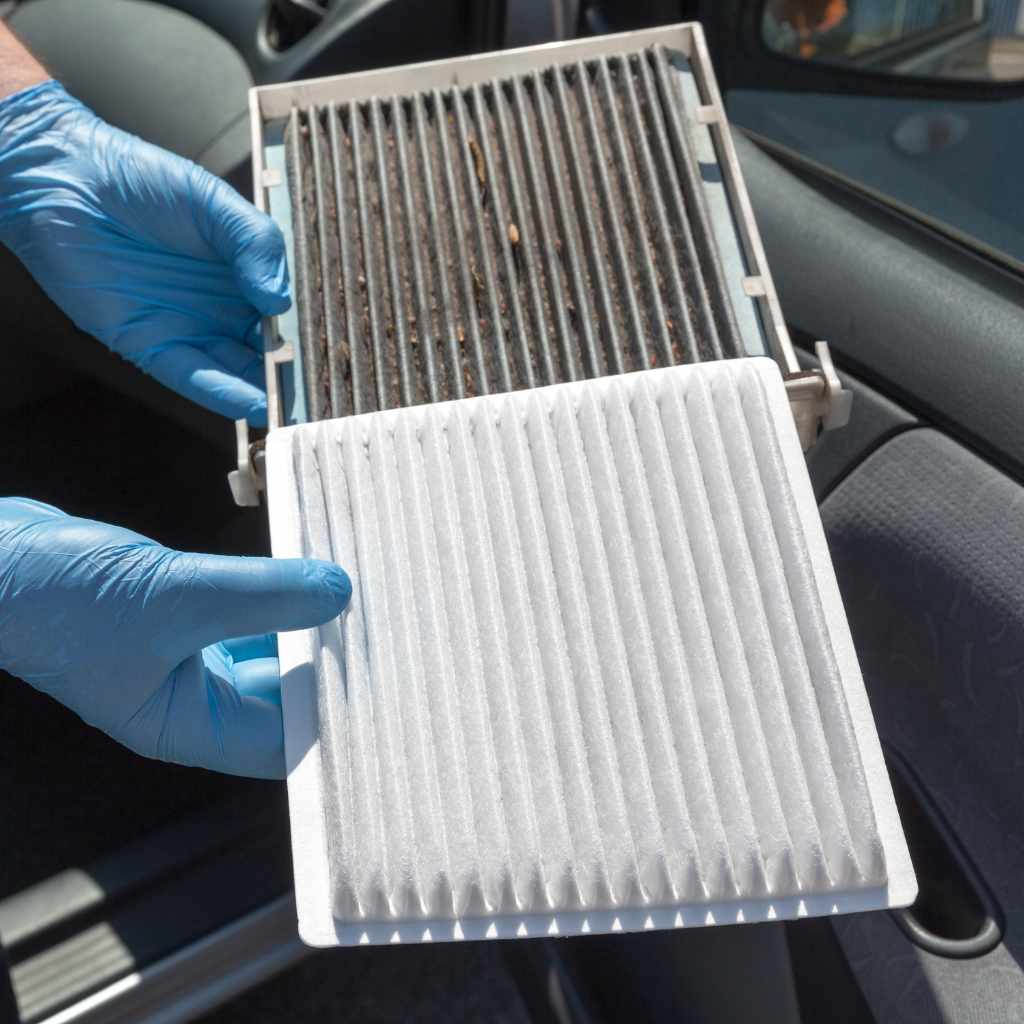
Once you’ve located the filter, the next step is to carefully remove it. The filter usually sits in a housing or compartment that’s easily opened. Carefully release any clips, tabs, or screws that hold the filter in place. Then, slowly take the filter out. Once removed, inspect it to see how dirty it is. If the filter is only slightly dusty, you can clean it. If it’s very dirty or shows signs of damage, you might need to replace it. A good look at the filter will help you decide the best course of action.
- Careful Removal: Gently remove any clips, tabs, or screws that hold the filter in place.
- Visual Inspection: Check the filter to see how dirty it is, paying attention to its overall condition.
- Assess the Condition: Determine if the filter can be cleaned or if it needs to be replaced based on its cleanliness and condition.
Cleaning or Replacing the AC Filter
If your AC filter is only slightly dirty, cleaning it is an option. Use your vacuum cleaner with a brush attachment to gently remove any loose dirt and debris. Work carefully to avoid damaging the filter. You can also use a soft brush or cloth to help remove any remaining dust. However, if the filter is heavily soiled or damaged,
- Vacuuming: Using a vacuum cleaner with a brush attachment, gently remove loose dirt and debris from the filter.
- Brush or Cloth: Use a soft brush or cloth to remove any remaining dust, ensuring the filter is as clean as possible.
- Filter
- Proper Installation: When replacing the filter, ensure it is properly inserted and secured in its housing.
Reinstalling and Testing Your AC System
After cleaning or replacing the filter, reinstall it. Put the filter back into its housing and secure it with any clips, tabs, or screws you removed earlier. Close any panels or covers you opened to access the filter. Turn on your car’s AC and let it run for a few minutes. Check the airflow from your vents to ensure it’s strong. Also, make sure the air is cool and there are no strange noises or odors. Testing your AC system will ensure that the filter change was successful and your AC is working correctly.
- Secure Installation: Place the filter back into its housing and secure it with any clips, tabs, or screws.
- Close Access Panels: Ensure that all panels and covers are securely closed.
- AC Operation: Turn on your car’s AC. Let it run for a few minutes to evaluate its performance.
- Airflow and Cooling: Check the airflow from the vents, ensuring it is strong and that the air is cool.
Common Problems and Troubleshooting
Even after cleaning or replacing your AC filter, you may encounter a few issues. Understanding these problems and how to solve them can save you time and energy. This part will cover the common issues people face and explain how to troubleshoot them. These tips will help you manage your AC system effectively.
Airflow Issues After Cleaning
If you notice airflow issues after cleaning your AC filter, there could be a few reasons. One possible cause is that the filter wasn’t installed correctly, blocking airflow. Make sure the filter is securely in its housing. Another common problem is that the filter might still be dirty. While cleaning improves things, it’s not always a perfect solution. You might have to
- Incorrect Installation: Ensure the filter is correctly installed and fits snugly.
- Filter Condition: If the filter was already heavily soiled, cleaning may not be sufficient, and a replacement might be needed.
- System Blockages: The AC system may be blocked somewhere else, such as the evaporator core or vents.
Strange Odors Persisting After Cleaning
Sometimes, bad smells persist after you’ve cleaned the AC filter. This could be because the smell is coming from other areas of the system. Mold or mildew might be growing in the AC vents or the evaporator core. These areas often trap moisture and could have mold or mildew. To address this, you may have to use a special AC system cleaner. These cleaners help to remove mold, mildew, and bacteria that could be causing odors. The cleaner goes through the vents or the evaporator core. By solving these types of issues, you can improve air quality.
- System Cleaning: Use an AC system cleaner to address mold or mildew in the vents and evaporator core.
- Professional Inspection: If the problem persists, you might require a professional inspection to identify and fix the source of the odors.
- Cabin Air Quality: Inspect the air ducts for debris that might have been carried by the airflow.
AC Not Cooling After Cleaning
If your AC isn’t cooling well even after cleaning the filter, several other problems could be causing this. There could be a refrigerant leak. Refrigerant is the fluid that makes your AC cool. If it’s leaking, your AC won’t work correctly. Another common issue is a faulty compressor. The compressor is the heart of your AC system, compressing the refrigerant. It can fail over time. A professional inspection of your AC system is often necessary to pinpoint these types of issues. Professionals can check for leaks, test the compressor, and diagnose the problem correctly.
- Refrigerant Issues: Ensure your system has the correct refrigerant level and that there are no leaks.
- Compressor Problems: A faulty compressor can hinder the AC’s cooling ability.
- Professional Inspection: Schedule an inspection with a qualified technician to diagnose and repair cooling problems.
Advanced Tips and Tricks
Once you’ve mastered the basics of how to clean a car AC filter, there are a few advanced tips. These techniques can help you maintain the efficiency of your AC. These additional steps go beyond the basic cleaning process. They offer ways to optimize your system. Taking a few extra steps can make a difference in your car’s AC performance and longevity.
Using Specialized Cleaners
Besides cleaning the filter, specialized AC cleaners can provide extra benefits. These cleaners help remove any buildup of mold, mildew, and other contaminants. They go through the AC vents and evaporator core. By using these cleaners, you can get rid of odors and improve air quality. It’s also recommended to use them if you often drive in polluted areas, such as cities. Following the directions on the cleaner is important to ensure effective and safe use. Using them regularly keeps your AC system clean and efficient.
- Remove Contaminants: These cleaners remove mold, mildew, and other contaminants from the AC system.
- Improve Air Quality: Using these cleaners can reduce odors and improve the overall air quality in your car.
- Regular Application: It is beneficial to use these cleaners on a regular basis.
Understanding Filter Types
Not all AC filters are the same. Knowing the different types of filters can help you choose the best one for your car. There are basic filters that just filter out dust and pollen. Some filters have activated carbon, which helps remove odors and pollutants. Certain high-efficiency filters can capture very small particles. When selecting a
- Basic Filters: Remove dust, pollen, and other larger particles.
- Activated Carbon Filters: These are effective at removing odors and pollutants.
- High-Efficiency Filters: These capture very small particles.
- Filter Replacement: Consider the air quality in your driving environment when choosing a replacement.
Preventative Maintenance Practices
Maintaining your car’s AC isn’t just about cleaning or changing the filter. Regular, easy maintenance can also help. One helpful idea is to run your AC for a few minutes each month. This action helps to keep the parts lubricated and in good condition, even during the cold season. Another preventive step is to regularly check the AC system for leaks. A leak means that refrigerant is escaping. If you spot a leak or any unusual noise, have the AC system checked by a professional. Regular actions such as these can significantly extend the life of your AC and ensure top performance.
- Regular AC Use: Run your AC for a few minutes each month to keep the components lubricated.
- Leak Inspection: Check the AC system regularly for any signs of refrigerant leaks.
- Professional Checkups: Schedule professional inspections if you notice any unusual noises or system issues.
Maintenance Schedule and Frequency
Knowing when to clean or replace your car’s AC filter is vital for maintaining good air quality. Creating a maintenance schedule will help keep your AC system in good shape. This section explains how often you should clean or replace the filter. Understanding these schedules will help keep your car’s AC system running smoothly.
Recommended Cleaning Frequency
As a general rule, cleaning your car’s AC filter every three to six months is good practice. The actual frequency can vary depending on your driving habits and environment. If you frequently drive in dusty areas, cleaning more often will be needed. If your car is parked outdoors often, you might need to clean the filter more frequently. Always be attentive to the air quality inside your car. If you notice reduced airflow, odd smells, or poor cooling, it’s time to check the filter. The best approach is to clean the filter regularly, depending on your driving circumstances.
- Standard Recommendation: Cleaning every three to six months is good for most drivers.
- High-Dust Environments: If you frequently drive in dusty areas, clean more frequently.
- Outdoor Parking: Cars parked outside often need more frequent filter maintenance.
- Performance Observation: Pay attention to airflow, odors, and cooling performance, and adjust cleaning accordingly.
When to Replace the Filter
While cleaning is beneficial, there are times when replacing your AC filter is the only solution. The recommendation is to
- Annual Replacement: Replacing the filter every year is a good standard practice.
- Mileage Guide: Aim to replace the filter every 12,000 to 15,000 miles.
- Filter Condition: Replace the filter if it is heavily soiled or damaged.
- System Performance: Replacement is required if you face persistent AC problems.
Factors Affecting Filter Lifespan
A few different factors affect how long your car’s AC filter lasts. The environment you drive in is a significant factor. Driving on dusty roads, in areas with lots of construction, or in heavily polluted locations will shorten the filter’s lifespan. Your driving habits play a role, too. If you regularly use your AC, your filter will accumulate more dirt and debris, which will make it dirty faster. Also, the quality of the filter matters; higher quality filters might last longer. Consider these factors to determine the best schedule to clean or replace your filter.
- Driving Environment: Dusty roads, construction zones, and polluted areas decrease filter lifespan.
- AC Usage: Frequent use of your AC accelerates filter dirt accumulation.
- Filter Quality: Higher-quality filters can offer a longer lifespan.
- Regular Inspection: Checking the filter’s condition regularly is also beneficial.
How to Clean a Car AC Filter: Different Car Models
The steps on How to Clean a Car AC Filter Step by Step might be slightly different based on your car model. This section focuses on different vehicle types. It offers specifics about the AC filter’s location and the cleaning processes for different car makes and models. The location of the AC filter is often different, so knowing where to look in your specific vehicle is helpful. These details will make it easier to ensure that your car’s AC functions well.
Cleaning for Standard Vehicles
In standard vehicles, the AC filter is often behind the glove compartment. Open the glove compartment, and you might see a small panel or door. This is where the filter is usually located. The process involves removing any screws or clips holding the panel in place. The filter will then slide out. After you’ve removed the filter, you can clean it or replace it. After you’re done, reinstall the filter. The specific approach can be a bit different, but these are general guidelines. Checking your car’s manual is always the best approach.
- Glove Compartment Access: The filter is frequently located behind the glove compartment.
- Panel Removal: Remove any screws or clips holding the access panel in place.
- Filter Removal: Gently remove the filter, taking note of its orientation.
- Cleaning or Replacement: Clean or replace the filter.
Cleaning for Trucks and SUVs
In trucks and SUVs, the filter’s location can vary. Check the glove compartment area, but it could also be under the dashboard on the passenger side. Some trucks and SUVs may have the filter in the engine compartment. Consult your owner’s manual to find the exact location. The cleaning process is very similar to standard vehicles, involving removal, cleaning or replacement, and reinstallation. Because of the size of the vehicles, you might have to spend a bit more time on the process, but the same basic steps apply. Ensure you inspect all access points.
- Location Variations: Can be found in the glove compartment, under the dashboard, or in the engine compartment.
- Manual Consultation: Refer to your owner’s manual to determine the filter’s location.
- Similar Process: The cleaning process follows the same basic steps.
- Space Considerations: Trucks and SUVs may require a bit more room to perform maintenance tasks.
Cleaning for Hybrid and Electric Vehicles
Hybrid and electric vehicles sometimes have different AC systems and filter locations. Some models have the filter in the same location as gas-powered cars, like behind the glove compartment. However, other models might have it in a unique spot, such as under the hood or in a different part of the cabin. Your vehicle’s manual is the best source of details. Always use caution when working around high-voltage components in electric vehicles. The cleaning process is generally the same. These cars have a filter that needs cleaning or replacement, similar to how it works in other types of vehicles.
- Location Variations: The filter location can vary depending on the model.
- Manual Guidance: Refer to your vehicle’s owner’s manual for specific instructions.
- Safety First: If working with a hybrid or electric vehicle, always use safety precautions.
- Cleaning Process: The cleaning or replacement process is largely similar.

Frequently Asked Questions
Question: How often should I clean my car AC filter?
Answer: It’s generally a good idea to clean your car AC filter every three to six months, though this can vary. If you drive in dusty areas, you might need to clean it more often. If your AC’s performance decreases or there are strange odors, check and clean the filter.
Question: What tools do I need to clean the AC filter?
Answer: You’ll typically need a few things to clean your AC filter: a new filter (just in case), a vacuum cleaner with a brush attachment, and a soft brush or cloth. A flashlight can be useful for seeing the filter’s location.
Question: Where is the AC filter located in my car?
Answer: The location of the AC filter differs by vehicle, but it’s often behind the glove compartment, under the dashboard on the passenger side, or in the engine compartment. Check your car’s manual for its exact location.
Question: Can I just wash the AC filter with water?
Answer: Most car AC filters are not designed to be washed with water. Washing can damage the filter and reduce its effectiveness. Instead, use a vacuum cleaner with a brush attachment or replace the filter.
Question: What if the AC filter is really dirty, but I don’t have a replacement?
Answer: If your AC filter is very dirty and you don’t have a replacement, cleaning it carefully is still better than leaving it dirty. Use a vacuum cleaner and soft brush to get rid of debris, but consider ordering a new one as soon as you can.
Final Thoughts
Knowing How to Clean a Car AC Filter Step by Step gives you control over your car’s air quality and comfort. It’s a simple process you can easily do at home. Regular cleaning not only helps improve the air you breathe but also keeps your AC system operating efficiently. By following the tips in this guide, you can enjoy a fresher, cooler driving experience and save money on potential repairs. Make AC filter maintenance a regular part of your car care routine. By maintaining it, your car will run better. It is easy to take care of, but has a lot of advantages for you!