How to Clean Air Vents in Your Car: A Complete Guide to Fresh, Clean Air
Hey there, fellow car enthusiast! If you’ve ever noticed a musty smell wafting through your car’s air vents or seen dust particles flying out when you crank up the AC, you’re not alone. I’ve been there, scratching my head, wondering why my car smells like an old attic. Cleaning your car’s air vents is one of those tasks that often gets overlooked but makes a world of difference.
It’s not just about keeping things tidy—it’s about breathing fresh, clean air while you cruise down the road. Over the years, I’ve tackled this job myself, experimenting with different methods to get those vents sparkling clean. In this guide, I’m sharing everything I’ve learned about how to clean air vents in a car. Whether you’re a DIY newbie or a seasoned car owner, I’ve got you covered with practical tips, step-by-step instructions, and a few tricks I’ve picked up along the way. Let’s dive in and get your car’s air vents fresh and clean!
Why Cleaning Your Car’s Air Vents Matters
Let me tell you a quick story. A few summers ago, I was driving with the AC on full blast, and I noticed this weird, stale smell every time I turned it on. At first, I thought it was just my imagination, but then I saw tiny dust specks shooting out of the vents. Gross, right? That’s when I realized those vents needed some serious TLC.
Air vents are like the lungs of your car’s climate system. They circulate air to keep you cool in the summer and warm in the winter. But over time, dust, dirt, pet hair, and even mold can build up inside. This not only makes your car smell bad but can also affect your health, especially if you have allergies or asthma. Dirty vents can also reduce the efficiency of your heating and cooling system, making your car work harder than it needs to. By cleaning your vents regularly, you’re ensuring better air quality, improving your car’s performance, and avoiding costly repairs down the road. Trust me, it’s worth the effort.
Tools and Supplies You’ll Need
Before we get started, let’s gather the tools and supplies. I like to keep things simple, so you won’t need anything fancy. Most of these items are probably lying around your house or garage. Here’s what I use when I clean my car’s air vents:
| Item | Purpose |
|---|---|
| Soft-bristled brush | Gently removes dust and debris from vent slats. |
| Microfiber cloths | Wipes surfaces clean without scratching. |
| Compressed air can | Blows out dust from hard-to-reach areas. |
| Vacuum cleaner with hose | Sucks up loose dirt and debris. |
| All-purpose cleaner (diluted) | Cleans sticky residue or grime from vent surfaces. |
| Cotton swabs | Gets into tiny crevices for detailed cleaning. |
| Foam paintbrush (1-2 inches) | Perfect for reaching deep into vents without damaging them. |
| Disinfectant spray | Kills bacteria and eliminates odors. |
| Screwdriver (optional) | Removes vent covers if needed (check your car’s manual first). |
| Bowl of warm, soapy water | For soaking and cleaning removable parts. |
Pro tip: Always use a mild, car-safe cleaner to avoid damaging your vents. I once made the mistake of using a harsh chemical cleaner, and it left a weird residue that took ages to get rid of. Stick to gentle products, and you’ll be fine.
Step-by-Step Guide to Cleaning Your Car’s Air Vents
Now, let’s get to the fun part—actually cleaning those vents! I’ve broken this down into easy steps so you can follow along without feeling overwhelmed. I’ve done this dozens of times, and this method works like a charm every time.
Step 1: Turn Off the Car and Open the Windows
Safety first! Before you start poking around in your car’s vents, turn off the engine and make sure the air conditioning or heater is off. I also like to open all the windows to let fresh air circulate while I work. This helps prevent inhaling any dust or cleaner fumes. Plus, it’s just nice to have a breeze while you’re scrubbing away.
Step 2: Remove Loose Debris with a Vacuum
Grab your vacuum cleaner with a hose attachment. I use a small shop vac because it’s powerful but not too bulky. Gently run the hose over the vent slats to suck up any loose dust or debris. Be careful not to press too hard—you don’t want to damage the vents. If your vacuum has a brush attachment, even better! It helps loosen stubborn dirt while vacuuming. I usually spend a minute or two on each vent to make sure I get as much surface dust as possible.
Step 3: Use Compressed Air for Hard-to-Reach Spots
This is where the magic happens. A can of compressed air is your best friend for blasting out dust from deep inside the vents. Hold the can about 6 inches away from the vent and use short bursts to blow out debris. I like to angle the nozzle slightly to hit different parts of the vent. You’ll be amazed at how much dust comes flying out! Just make sure to do this in a well-ventilated area, and don’t shake the can too much—it can release liquid instead of air. I learned that the hard way when I accidentally sprayed my dashboard with cold propellant. Oops!
Step 4: Brush Away Stubborn Dust
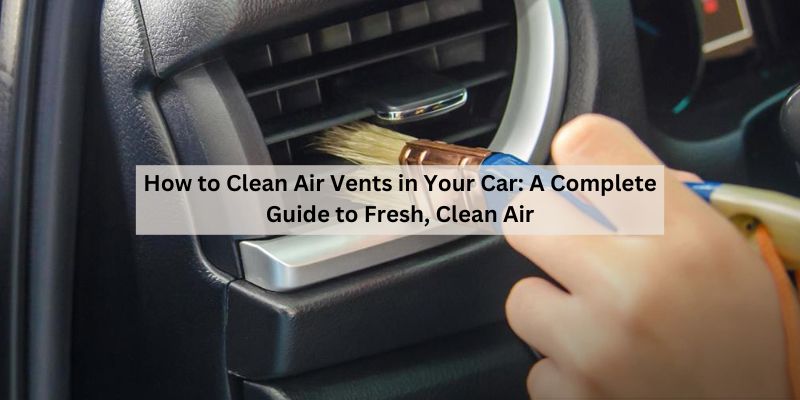
Next, grab your soft-bristled brush or foam paintbrush. I prefer a foam brush because it’s super gentle and can squeeze into tight spaces. Lightly brush the vent slats to dislodge any dust or dirt that’s still clinging on. If you’re dealing with really narrow vents, a cotton swab works wonders. I usually dip the swab in a bit of warm, soapy water to tackle sticky spots. Take your time here—those slats can be tricky, but a little patience goes a long way.
Step 5: Wipe Down with a Microfiber Cloth
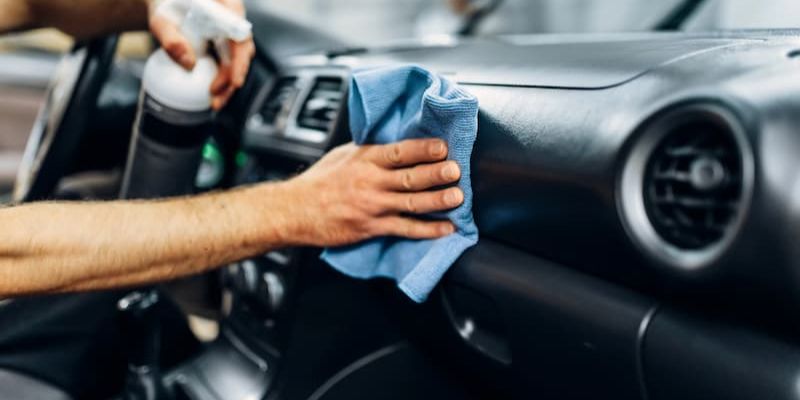
Now it’s time to make those vents shine. Dampen a microfiber cloth with a diluted all-purpose cleaner or warm, soapy water. Wipe down the visible parts of the vents to remove any remaining grime. I like to fold the cloth into a small square so I can get into the corners. If your vents have adjustable slats, move them up and down to clean all sides. Be gentle to avoid bending or breaking anything. After wiping, use a dry microfiber cloth to buff away any streaks.
Step 6: Disinfect for a Fresh Scent
To get rid of any lingering odors, I use a car-safe disinfectant spray. Look for one that’s designed for automotive use to avoid damaging your interior. Lightly mist the spray into the vents, being careful not to soak them. I usually let the spray sit for a minute before running the air conditioning on low to circulate it. This step is a game-changer if your car smells musty or like last week’s fast food. Trust me, your nose will thank you.
Step 7: Clean the Cabin Air Filter
Here’s something I learned the hard way: cleaning the vents won’t do much if your cabin air filter is clogged. This filter traps dust and allergens before they enter your car’s ventilation system. Most cars have a cabin air filter behind the glovebox or under the hood—check your owner’s manual to find it. If it’s dirty, vacuum it gently or replace it altogether. I replace mine every 12-15 months, depending on how much I drive. A fresh filter makes a huge difference in air quality and airflow.
Step 8: Test the System
Once everything’s clean, it’s time to test your work. Start the car and turn on the air conditioning or heater. Run it on different settings to make sure air is flowing smoothly and smells fresh. If you still notice a weird odor or weak airflow, you might need to dig a little deeper (more on that later). But if everything’s working well, give yourself a pat on the back—you just made your car a healthier place to be!
Deep Cleaning for Stubborn Odors
Sometimes, a basic cleaning isn’t enough. I had a car once that smelled like mildew no matter how much I cleaned the vents. That’s when I realized I needed to go deeper. If you’re dealing with persistent odors or suspect mold, here’s what I do:
- Check the Evaporator Coil: The evaporator coil in your AC system can collect moisture and grow mold. You can buy an evaporator cleaner from an auto parts store. Follow the instructions carefully—usually, you spray it into the system through the vents or an access point under the hood. I did this last year, and it completely eliminated the musty smell in my car.
- Use an Odor Eliminator: There are products designed specifically to neutralize car odors. I like to use a fogger-style odor eliminator that you set off inside the car with the AC running. It’s a bit like fumigating your house, but for your car. Just make sure to follow the instructions and ventilate the car afterward.
- Inspect for Leaks: If mold keeps coming back, you might have a leak letting water into your car’s ventilation system. Check under the dashboard or near the windshield for signs of water damage. I once found a clogged drain tube in my car that was causing moisture to build up. Fixing it was a pain, but it solved the problem.
How Often Should You Clean Your Car’s Air Vents?
I get this question a lot: how often do you need to do this? It depends on where you live and how you use your car. If you’re in a dusty area or have pets, you’ll need to clean the vents more often—maybe every 3-6 months. For most people, twice a year is enough to keep things fresh. I like to do a quick clean in the spring and a deeper clean in the fall, right before I start using the heater. Regular maintenance, like replacing the cabin air filter, also helps keep your vents cleaner for longer.
Common Mistakes to Avoid
I’ve made my fair share of mistakes while cleaning air vents, so let me save you some trouble. Here are a few things to watch out for:
- Using Too Much Cleaner: Over-saturating the vents can lead to water damage or a lingering chemical smell. Use a damp cloth, not a soaking wet one.
- Skipping the Cabin Air Filter: If you clean the vents but ignore the filter, you’re only doing half the job. Always check the filter.
- Using Harsh Brushes: A stiff brush can scratch or bend the vent slats. Stick to soft-bristled or foam brushes.
- Not Ventilating: Cleaning in a closed car can make you dizzy from fumes. Keep those windows open!
Benefits of Clean Air Vents
After cleaning my car’s vents, I always notice a difference. The air smells fresher, the AC works better, and I don’t sneeze every time I turn it on. Clean vents also help your car’s HVAC system run more efficiently, which can save you money on fuel and repairs. Plus, it’s just satisfying to know you’re breathing cleaner air. If you’ve got kids or passengers with allergies, this is a must-do task.
When to Call a Professional
Most of the time, cleaning your car’s air vents is a DIY job. But if you’re dealing with persistent mold, strange noises, or weak airflow even after cleaning, it might be time to call in the pros. A mechanic or auto detailer can inspect your HVAC system for deeper issues, like a clogged evaporator or damaged ducts. I had to do this once when my AC stopped blowing cold air, and it turned out to be a blocked condenser. It wasn’t cheap, but it saved my system from bigger problems.
Keeping Your Vents Clean Between Deep Cleanings
To keep your vents in tip-top shape, I’ve got a few tricks I use between cleanings. First, I try not to eat in the car—crumbs can get sucked into the vents and cause odors. I also run the fan on high for a few minutes every week to blow out any loose dust. Keeping the cabin air filter fresh is a big help, too. And if you park under trees or in dusty areas, consider using a car cover to reduce how much debris gets into your system.
Conclusion: Enjoy a Fresher, Cleaner Ride
Cleaning your car’s air vents might not be the most glamorous task, but it’s one of those small efforts that pay off big time. After years of tinkering with my own cars, I can tell you there’s nothing like the feeling of turning on the AC and breathing in crisp, clean air. By following the steps I’ve shared, you can keep your vents free of dust, mold, and odors, making every drive more comfortable and enjoyable. Plus, you’re taking care of your car’s health, which means fewer headaches (and repair bills) down the road. So grab your supplies, roll up your sleeves, and give your car the TLC it deserves. You’ll be amazed at the difference it makes. Happy driving, and here’s to fresh air on every journey!
FAQs
How do I know if my car’s air vents need cleaning?
If you notice a musty smell, weak airflow, or dust coming out when you turn on the AC or heater, it’s time to clean your vents. I also check for visible dust on the vent slats as a clue.
Can I use household cleaners to clean my car’s vents?
Stick to mild, car-safe cleaners or diluted all-purpose cleaners. Harsh household chemicals can damage your car’s interior or leave a residue. I learned this after using a strong cleaner that made my vents smell worse!
How long does it take to clean car air vents?
A basic cleaning takes about 30-45 minutes, depending on how dirty the vents are. If you’re doing a deep clean with the cabin air filter, budget an hour or so.
Can dirty air vents make me sick?
Yes, especially if there’s mold or allergens trapped inside. Dirty vents can irritate allergies or asthma. I noticed fewer sneezes after cleaning my vents regularly.
Do I need to remove the vents to clean them?
Usually, no. You can clean most vents with a brush, compressed air, and a cloth. But if you’re comfortable and your car’s manual allows it, removing vent covers can help with a deeper clean.
What’s the best way to get rid of a musty smell in my car’s vents?
Try a disinfectant spray or an odor eliminator designed for cars. Also, check the cabin air filter and evaporator coil for mold. I had to use an evaporator cleaner once to fix a stubborn smell.
How much does it cost to have a professional clean my car’s air vents?
It varies, but expect $50-$150 for a professional detailing that includes vent cleaning. For deeper HVAC issues, costs can go higher. I always try DIY first to save money.