Car Stolen Insurance Coverage: What You’ll Actually Get Paid
You park your car, walk into the store, and come out to an empty spot. Your stomach drops. You call the police, file a report, and then the real question hits: is my car stolen insurance coverage going to pay for this? The answer isn’t a simple yes or no. It depends on the policy you bought months ago and never read.
Most drivers assume they are covered. Some are. Many are not. This guide walks through the entire financial recovery process, from the moment you file the claim to the day the check arrives. You’ll learn what your policy actually covers, how the payout is calculated, and what hidden costs might still hit your wallet after the dust settles.

Tevlaphee
Tevlaphee Steering Wheel Lock Anti-Theft Car Device…
- DOUBLE PROTECTION DESIGN&EASY TO USE:The steering wheel lock adopts the humanized design of four locking hooks and twin bars, whic…
- HIGHLY VISUAL DETERRENT AND SAFE:The bright color of the car lock is a fine choice for maximum visibility both day and night,which…
- A+ GRADE ANTI-THEFT LOCK:Car wheel lock is made of top-grade steel, featuring a high-strength solid locking beam that makes it dif…
A physical deterrent while you sort out your coverage is worth considering. The Tevlaphee steering wheel lock uses twin bars and four locking hooks to make a car visibly harder to steal. It won’t affect your insurance claim, but it might stop you from needing one in the first place.
Does Car Insurance Cover Theft?
Car insurance covers theft, but only if you carry the right type of coverage. Theft is not included in a basic liability policy. Liability pays for damage you cause to other people and their property. It does nothing for your own vehicle.
To get car stolen insurance coverage, you need comprehensive coverage. This is an optional add-on in most states. It protects against non-collision events: theft, fire, vandalism, hail, and animal strikes. If your car is stolen and you have comprehensive, you are covered. If you only have liability, you are out of luck and out of a car.
What Type of Insurance Covers a Stolen Car?
Comprehensive Coverage Explained
Comprehensive coverage is the only standard policy that pays for a stolen vehicle. It sits alongside collision coverage under what insurers call “full coverage.” Collision pays for crash damage. Comprehensive pays for everything else.
You choose a deductible when you buy comprehensive. This is the amount you pay out of pocket before the insurer pays. Common deductibles range from $250 to $1,000. A higher deductible lowers your premium, but it also means less money in your pocket after a theft claim. If your car is worth $8,000 and you have a $1,000 deductible, you get a $7,000 check.
What If You Only Have Liability?
If you carry only liability insurance, a stolen car is a total loss with zero reimbursement. You will need to replace the vehicle entirely out of pocket. This is a harsh lesson many drivers learn the hard way.
Some states require uninsured motorist property damage coverage, which can occasionally apply in theft situations. But this is rare and usually limited to specific scenarios. Do not count on it. Check your policy declarations page to see exactly what you have.
What Is Covered and What Is Not?
Personal Items vs. Car Parts
Your comprehensive policy covers the vehicle itself. It does not cover the laptop, sunglasses, or gym bag you left in the trunk. Personal belongings fall under your renters or homeowners insurance, not your auto policy.
Car parts are a different story. If thieves strip your car for parts, comprehensive covers the damage. This includes stolen catalytic converters, wheels, and airbags. The claim works like any other comprehensive loss. You pay your deductible, and the insurer covers the repair or replacement cost, minus depreciation.
Aftermarket Upgrades and Modifications
Standard comprehensive coverage does not pay for aftermarket upgrades. That custom sound system, lift kit, or set of expensive rims is not covered unless you specifically added them to your policy. Most insurers offer an “accessory coverage” endorsement for this purpose.
If you did not add this endorsement, you will only receive the base value of the car. A $3,000 stereo system adds nothing to your payout. This catches a lot of car enthusiasts off guard after a theft.
How Much Will You Get for a Stolen Car?
Actual Cash Value vs. Replacement Cost
Auto insurance pays actual cash value (ACV), not replacement cost. ACV is the market value of your car right before it was stolen, adjusted for depreciation. A 2026 sedan with 60,000 miles is worth less than what you paid for it in 2026. The insurer calculates this using third-party valuation tools like Kelley Blue Book or NADA Guides.
Depreciation hits hardest in the first few years. A car loses roughly 20% of its value in year one and another 10-15% in year two. If you bought a car for $30,000 three years ago, its ACV might be closer to $18,000 today. That is the number your insurer uses for the payout.
Dealing with a Loan or Lease (Gap Insurance)
If you still owe money on the car, the payout goes to the lender first. The lender is listed as the loss payee on your policy. You receive whatever is left after the loan is paid off. If the ACV is less than your loan balance, you owe the difference. This is called being upside down on the loan.
Gap insurance covers this difference. It pays the gap between the ACV and what you still owe. If your car is worth $18,000 and you owe $22,000, gap insurance covers the $4,000 shortfall. Most dealerships offer gap insurance at purchase, and some lenders require it for leases. Without it, you are on the hook for the remaining loan balance on a car you no longer have.
Leased vehicles work similarly. The leasing company owns the car and is the primary payee. You are responsible for the lease agreement’s early termination fees if the car is not recovered. Gap insurance is almost always built into lease agreements, but verify your specific contract.
What to Do Immediately After Your Car Is Stolen
Filing the Police Report and Insurance Claim
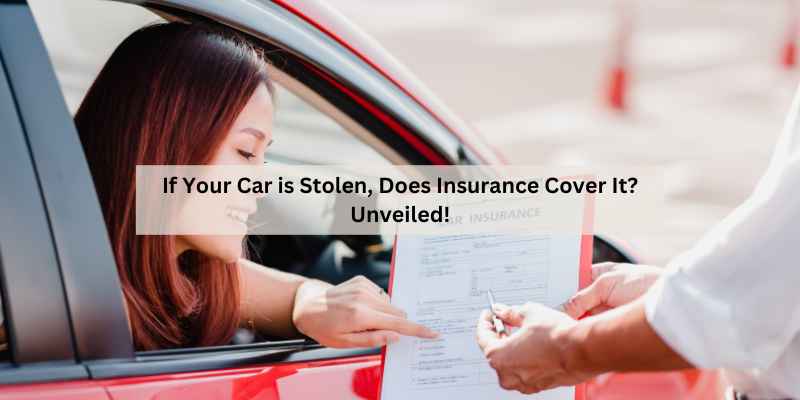
The first call is to the police. You need a police report before any insurance company will process a theft claim. The report includes your VIN, license plate number, and a case number. This document is the foundation of your entire claim.
Next, call your insurance company. Most insurers have a 24-hour claims hotline. They will ask for the police report number, your policy number, and details about the vehicle. Be honest about what happened. If you left the keys in the car or left it running, tell them. This can affect coverage in some cases, and lying is fraud.
The Claims Timeline and Rental Car Coverage
There is a mandatory waiting period before an insurer pays a theft claim. Most companies make you wait 30 days. This gives the police time to find the car. If the car is recovered during this period, the claim changes from a total loss to a damage claim.
Rental car reimbursement is an optional coverage that pays for a rental while your car is unavailable. It is not automatic. If you have it, the coverage has daily and total caps. Common limits are $30 to $50 per day, up to a maximum of $900 to $1,500 total. The clock starts the day you file the claim and stops when the insurer pays or your car is recovered.
Read your policy to confirm your specific limits. Many drivers assume a rental is covered during a theft, only to find out they did not purchase the endorsement. The daily cap rarely covers the full cost of a comparable rental vehicle, so expect to pay some out of pocket.
What Happens If Your Car Is Recovered?
Roughly 60% of stolen vehicles are recovered, but not all of them are drivable. Police often find cars stripped, crashed, or used in other crimes. If your car is recovered, the insurance claim shifts from a theft claim to a damage claim.
Damage Claims and Diminished Value
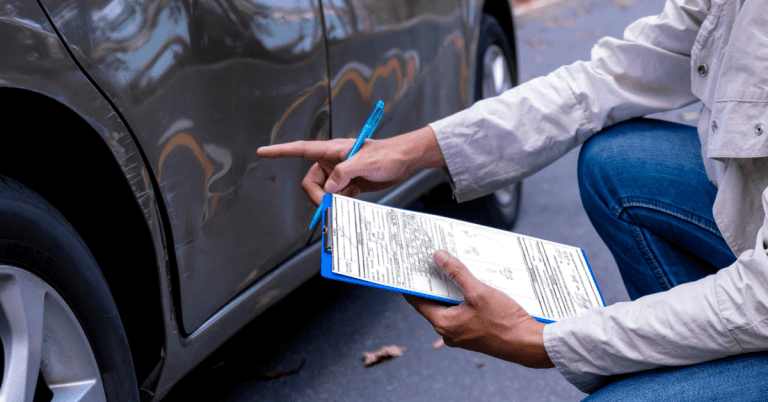
If the car is recovered with damage, your comprehensive coverage pays for repairs, minus your deductible. The insurer will inspect the vehicle and write an estimate. If repair costs exceed a certain percentage of the car’s value, usually around 70-80%, the car is declared a total loss. You then go through the same ACV payout process as a non-recovered theft.
If the car is repaired and returned to you, it now has a salvage or theft history on its title. This is where diminished value comes in. A car with a theft recovery history is worth less on the market, even after perfect repairs. You can file a diminished value claim with your insurer to recover this loss.
Diminished value claims are not automatic. You must request one, and the insurer will likely require an appraisal. The payout is often contested. A car worth $15,000 before the theft might lose $2,000 to $3,000 in resale value due to the theft history. Getting that money requires persistence and documentation.
How to Prevent Car Theft in 2026
Prevention is cheaper than any deductible. Modern vehicles have immobilizers and alarms, but thieves have adapted. Relay attacks can amplify key fob signals to start cars from outside your home. A simple Faraday pouch for your keys blocks this attack.
GPS trackers like AirTags are cheap and effective. Hidden in a discreet location, they let you track your car in real time. Some insurers offer a small discount for installed anti-theft devices. Ask your agent about it. The discount is usually modest, around 5-10%, but it adds up over time.
A visible steering wheel lock remains one of the most effective deterrents. Thieves look for easy targets. A car with a bright yellow lock across the wheel requires extra time and tools to steal. Most thieves will move on to an easier car. The Tevlaphee anti-theft device is adjustable to fit most sedans, SUVs, and trucks, and it comes with three keys. It’s not a replacement for comprehensive coverage, but it reduces the odds you ever need to file a theft claim.
Frequently Asked Questions
Does insurance cover a stolen car with keys in it?
Yes, comprehensive coverage pays for a stolen car even if you left the keys inside. However, the insurer may deny the claim if they can prove fraud or gross negligence. Leaving keys in the car is not typically grounds for denial, but it can complicate the investigation.
What if my car is stolen while running?
Comprehensive coverage still applies. A running car is covered under the same theft provisions. The main issue is proving the theft actually happened. The insurer will investigate, but a running car does not automatically void your policy.
How long does it take to get paid after a car theft?
Most insurers pay within 30 to 45 days after the claim is filed, assuming the car is not recovered. The waiting period is designed to allow time for recovery. Delays happen if the police report is incomplete or if the insurer questions the claim’s validity.
Does my insurance go up after a theft claim?
Comprehensive claims can raise your premium, but not as much as at-fault accident claims. The increase depends on your insurer and your claims history. Some companies offer accident forgiveness, but it rarely applies to comprehensive claims.
Does a steering wheel lock lower my insurance premium?
Some insurers offer a small discount for anti-theft devices, but a steering wheel lock alone may not qualify. Most discounts require an active alarm or GPS tracking system. Ask your agent what devices qualify for a discount before buying.
What to Do With This Information
- Check your policy declarations page today. Confirm you have comprehensive coverage and know your deductible.
- Call your agent and ask about rental reimbursement and gap insurance. Add them if you do not have them.
- Document all aftermarket upgrades with receipts and photos. Ask about accessory coverage endorsement.
- Keep your VIN and insurance policy number stored in your phone. You will need both immediately after a theft.
- If your car is recovered damaged, file a diminished value claim with your insurer. Do not assume it is automatic.
- Invest in a visible deterrent like a steering wheel lock and a hidden GPS tracker. Both are cheap compared to a deductible.
- Understand that actual cash value is what you get, not replacement cost. Depreciation is the biggest factor in your payout.
For more details on how comprehensive compares to other coverage types, read this full coverage comparison. If you are wondering about coverage when driving a borrowed car, this guide on driving other cars clarifies the rules.
Products related to this article
Sponsored / affiliate links. As an Amazon Associate I earn from qualifying purchases. I may earn additional commission from eligible campaigns.
 4G GPS Tracker Car Anti-Theft Long Battery Life 20000mAh Real Time GPS Tracking Device Magnet No Geographic Restriction Car Tracker with Alerts, Geo Fence, History Playback TK905C
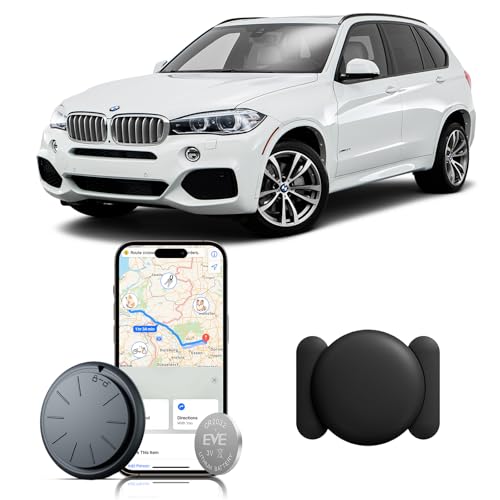 ZFSJTAG Car GPS Tracking Device for Vehicles, 1PCS Real Time GPS Tracker for Car, Work with Find My (iOS Only),Hidden Mini GPS Tracker,No Monthly Fee (Black Tracker, Black Magnetic Case)