How to Clean Electrical Connectors on a Car: Expert Tips
Imagine cruising down the highway with your favorite tunes playing, only to experience a sudden jolt of engine sputtering or flickering lights. Annoying, right?
Often, the culprit behind these pesky issues lies in something seemingly insignificant: dirty electrical connectors. You may not realize it, but keeping these connectors clean is crucial for your car’s performance and reliability. In this guide, you’ll discover simple yet effective steps to clean electrical connectors on your car, ensuring a smooth, trouble-free ride.
You’ll feel empowered to tackle this task on your own, saving both time and money. Dive in, and let’s ensure your vehicle performs at its best!
Tools Needed
Cleaning electrical connectors requires some basic tools. A small brush helps remove dirt. Contact cleaner is important to clean and protect connectors. You need a soft cloth to wipe surfaces. Safety goggles protect your eyes from debris. A screwdriver helps you open parts if needed. Use rubber gloves to keep your hands safe. A multimeter checks electrical connections after cleaning. These tools help you clean connectors safely and effectively.
Credit: www.reddit.com
Safety Precautions
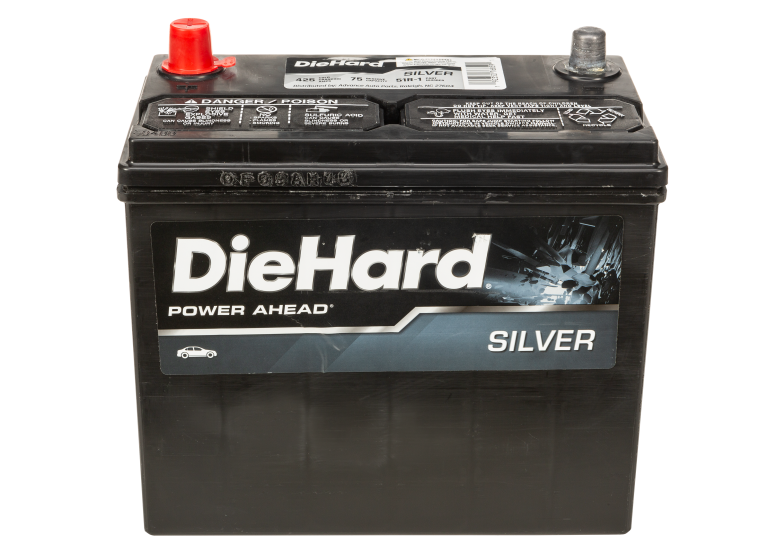
Working with car connectors can be dangerous. Always start by turning off the car. Remove the car key from the ignition. This step is very important. Next, disconnect the battery. Use a wrench to remove the battery cables. Wear gloves to protect your hands. Safety glasses keep your eyes safe. Avoid metal tools near connectors. They can cause sparks. Make sure the area is well-lit. Poor lighting can cause mistakes. Always work in a dry place. Water and electricity don’t mix. Keep a fire extinguisher nearby. It’s a good safety measure. Remember, safety first!
Identifying Electrical Connectors
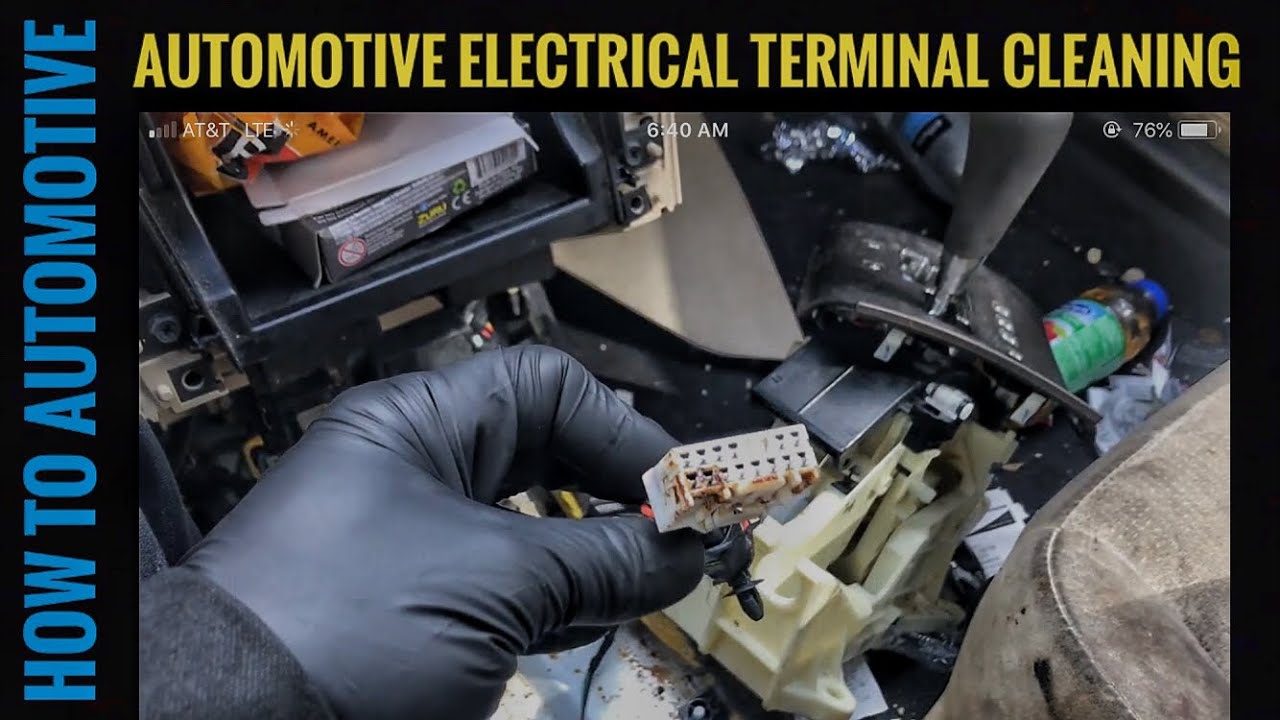
Electrical connectors are small parts on a car. They link wires to devices. You can spot them near the engine. They might be near the battery too. Color codes often help to identify them. Shapes and sizes vary. Some are round, others are flat. Plastic covers keep them safe. Labels might be on the wires. Look for pins inside. They are metal and shiny. Corrosion can make them dull. Clean connectors work better. Dirty ones can cause trouble. Safety is important when checking them. Wear gloves to protect your hands. Use a flashlight to see better. Make sure the car is off before touching anything. This keeps you safe. Remember, connectors need care.
Credit: www.youtube.com
Disconnecting Connectors
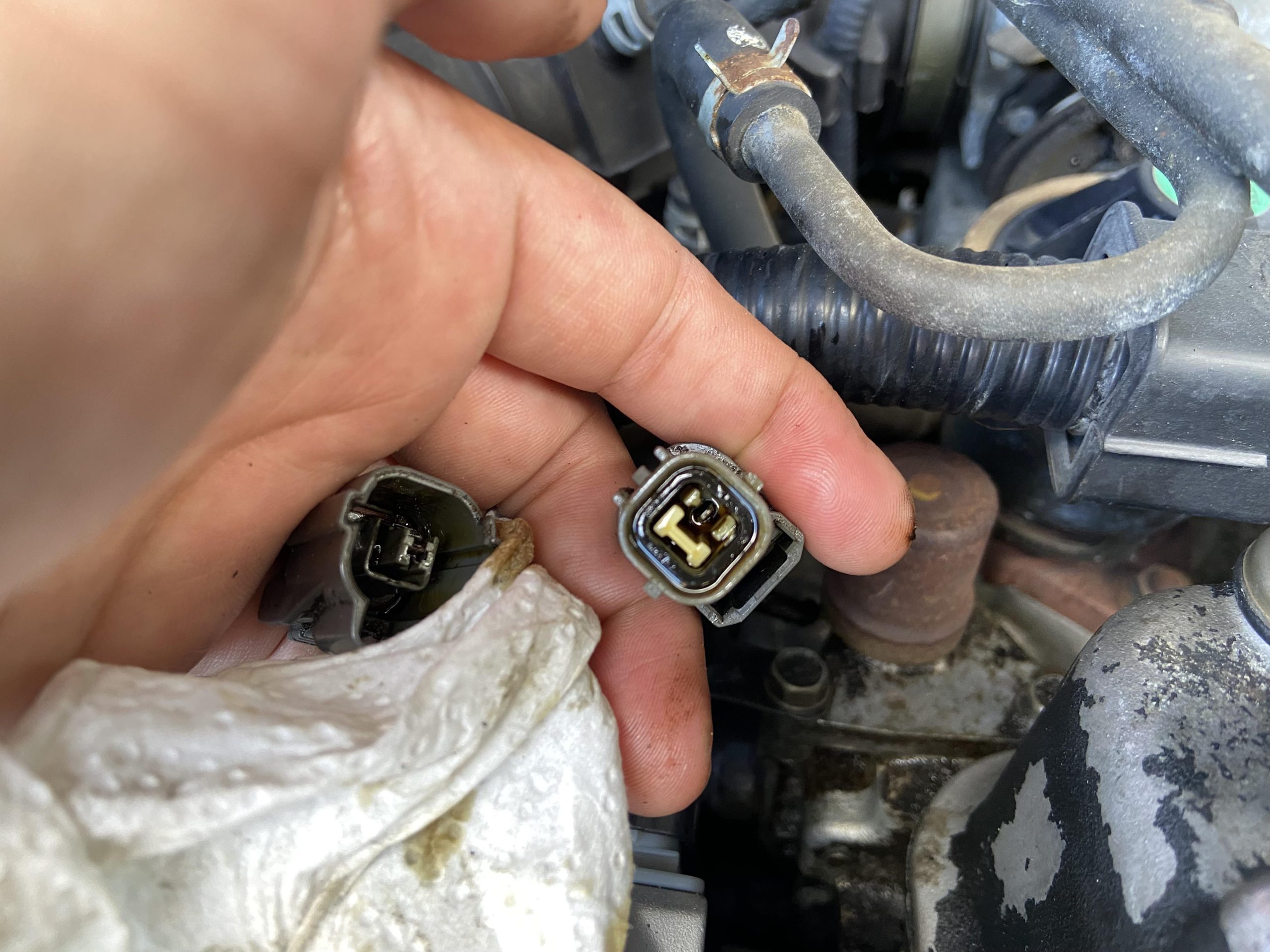
First, make sure the car is turned off. Safety is important. Look for the connectors under the hood. Find the specific connector you want to clean. Use a small screwdriver to gentlyunhook the clips. Pull the connector straight out. Do not twist or bend. Twisting can damage wires. Keep fingers away from metal parts. Metal can be sharp. Place the connector on a clean surface. Ensure no dirt or water is nearby. Dirt can cause issues later. Water is not good for connectors.
Check the connector for rust. Rust is bad for connections. If rust is present, clean it carefully. Use a soft brush for cleaning. Brushes help remove dirt. Avoid harsh chemicals. Chemicals can damage plastic parts. Make sure to keep the area dry. Dry areas prevent more rust. Always handle connectors gently. Gentle handling prevents damage.
Cleaning Solutions
Commercial cleaning products can help clean car connectors. Contact cleaner sprays are popular. They remove dirt and grime. Electrical connector cleaners are also useful. They protect connectors from corrosion. Ensure the product is safe for plastics and metals. Read labels carefully before using.
DIY methods are easy and cheap. Vinegar and baking soda can clean connectors well. Mix them to make a paste. Apply the paste to connectors. Scrub gently with a toothbrush. Rinse with water and dry. Alcohol wipes are another option. They clean and dry quickly. Use a small brush for tight spots.
Cleaning Process
Gently disconnect electrical connectors to avoid damage. Use a small brush to remove dirt and grime. Apply electrical contact cleaner to eliminate corrosion and ensure a strong connection. Let them dry completely before reconnecting for optimal performance.
Brushing Technique
Use a small brush. Gently clean the connectors. Remove dirt and grime. Ensure the brush is clean. A soft bristle brush works best. Avoid using metal brushes. They can damage the connectors. Brush in small circles. This removes dirt effectively. Inspect connectors closely. Repeat if dirt remains.
Soaking Method
Prepare a cleaning solution. Mix water and vinegar. Submerge connectors in the solution. Let them soak for 15 minutes. Remove and rinse with clean water. Dry with a soft cloth. Ensure no moisture is left. Moisture can cause rust. Check for remaining dirt. Repeat soaking if needed.
Using Compressed Air
Compressed air blows away dirt. Hold the nozzle close to connectors. Use short bursts of air. Avoid prolonged air blasts. Check connectors after blowing. Ensure all dirt is removed. Use air on dry connectors. Wet connectors can cause problems. Inspect for any remaining debris.
Drying Connectors
Air drying is a safe option for connectors. Avoid using cloths that can leave lint. Compressed air helps remove moisture quickly. This method is fast and effective. Ensure all water is out before reconnecting.
Hair dryers work too, but use on low heat. High heat can damage connectors. Hold the dryer at a safe distance. This prevents overheating. Patience is key for thorough drying.
Sunlight is a natural drying method. Place connectors in a sunny spot. This is both eco-friendly and cost-free. It might take a little longer, but it’s safe.
Always check connectors after drying. Look for any leftover moisture. Moisture can cause problems later. Make sure they are completely dry before use.

Credit: www.youtube.com
Inspecting For Damage
Check connectors for cracks or breaks. Look for rust or corrosion. These can stop signals from flowing. Use a flashlight to see better in dark spots. Make sure wires are not loose. Loose wires can cause problems. Feel the connectors with your fingers. They should be tight and secure.
If you spot damage, fix it soon. Fixing can be easy. Sometimes, just tightening screws helps. You may need new parts. Visit a store or a mechanic. They can help find the right parts.
Good inspection keeps connectors working well. Safety is important. Wear gloves and glasses for protection. Keep away from wet areas. Electricity and water do not mix.
Reconnecting Connectors
Make sure all connectors are clean and dry. Align the connectors carefully before joining them. Press the connectors together until you hear a click. This sound means they are connected. Check that no wires are loose. Secure the connectors with a clip or tie if needed. A tight connection ensures everything works well.
Sometimes you may see dirt or dust. Clean it with a soft cloth. Avoid using water near connectors. Water can cause problems. Use a special spray for cleaning if needed. Always follow safety tips when working with connectors.
Preventive Maintenance
Regular checks of electrical connectors can prevent problems. Dirt and moisture can cause issues. It’s important to keep them clean. Inspect them often for any signs of wear. Look for corrosion or loose connections. These can affect performance. Cleaning them helps the car run smoothly. Use a soft brush to remove dirt. Always be gentle.
Regular Checks
Check connectors at least once a month. Pay attention to signs of damage. Catching problems early can save money. Use a flashlight to see better in dark areas. Good lighting helps spot issues. Ensure connectors are tight and secure. Loose connections can cause trouble.
Protective Measures
Protect connectors with covers when possible. Covers keep dirt and water away. Use sprays to prevent corrosion. These sprays form a protective layer. Consider using dielectric grease. It helps seal and protect connections. Grease stops moisture from entering. Proper protection keeps connectors working well.
Frequently Asked Questions
How Often Should You Clean Car Electrical Connectors?
Cleaning frequency depends on driving conditions. For dusty or humid environments, clean connectors every 6 months. Regular maintenance prevents corrosion and ensures optimal performance. Always inspect connectors during routine vehicle checks. This proactive approach helps in identifying issues early and maintaining efficient electrical system functioning.
What Tools Are Needed To Clean Connectors?
To clean connectors, use a contact cleaner, a soft brush, and lint-free cloths. These tools help remove dirt and corrosion effectively. Ensure safety by disconnecting the battery before cleaning. Proper tools ensure a thorough and safe cleaning process.
Can Dirty Connectors Affect Car Performance?
Yes, dirty connectors can disrupt electrical signals, leading to performance issues. Corrosion or dirt buildup may cause intermittent connections. This impacts engine performance, lighting, and other electrical components. Regular cleaning ensures reliable connections and optimal vehicle performance.
Is It Safe To Use Water On Connectors?
No, using water on connectors is not safe. Water can cause short circuits and corrosion. Use a dedicated electrical contact cleaner instead. It effectively removes dirt and corrosion without causing damage. Ensuring connectors are dry prevents electrical issues and maintains system reliability.
Conclusion
Regular maintenance keeps your car’s connectors clean and efficient. Cleaning prevents corrosion and ensures smooth electrical flow. Use the right tools and follow the steps carefully. Consistent care saves you from costly repairs. It also extends your vehicle’s lifespan. Remember, safety first.
Disconnect the battery before starting any work. Consult your car’s manual for specific guidance. Stay patient and thorough in your cleaning process. Keeping connectors clean boosts your car’s performance. You can enjoy a reliable and well-functioning vehicle. Happy driving!