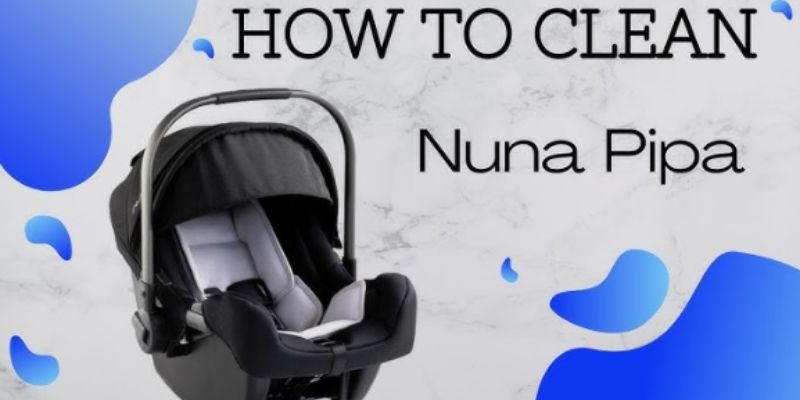
How to Clean a Nuna Car Seat
Hey there! If you’re a parent like me, you know how messy kids can get, especially in their car seats. Spilled juice, smashed crackers, and the occasional diaper blowout—my Nuna car seat has seen it all. When I first got my Nuna PIPA for my daughter, I was nervous about cleaning it. It’s not just any seat; it’s a lifesaving piece of gear, and I wanted to make sure I cleaned it right without damaging it. Over the years, I’ve learned the ins and outs of keeping my Nuna car seat spotless, from tackling stubborn stains to reassembling it properly.
So, let’s sit down and chat about how to clean a Nuna car seat, step by step. I’ll share my personal tips and tricks to make the process easy, safe, and stress-free, whether you have a Nuna PIPA, RAVA, or another model. Ready to make that car seat sparkle? Let’s dive in!
Why Cleaning Your Nuna Car Seat Matters
A clean car seat isn’t just about looks—it’s about safety and comfort. My daughter spends hours in her Nuna PIPA, and I want her to be cozy and safe. Dirt, crumbs, and spills can harbor bacteria, which isn’t great for a baby’s sensitive skin. Plus, grime can get into the harness and buckles, making them less effective. I learned this the hard way when a sticky juice spill made my harness straps feel stiff.
Regular cleaning also extends the life of your car seat. Nuna car seats, like the PIPA or RAVA, are an investment, often costing $300-$500. Keeping them clean prevents wear and tear, so you can use them for multiple kids or resell them later. I’ve cleaned my PIPA a dozen times, and it still looks brand new, which makes me feel like I’m getting my money’s worth.
Gathering Your Cleaning Supplies
Before you start, grab the right tools. I keep a small cleaning kit in my garage for car seat emergencies. You’ll need a few simple items to clean your Nuna car seat safely:
- A microfiber cloth or soft sponge for wiping down hard surfaces.
- Mild detergent, like Baby Dreft or Molly’s Suds. I use Molly’s Suds because it’s gentle and safe for my baby.
- A small brush, like a toothbrush, for scrubbing tight spots.
- A vacuum with a brush attachment to suck up crumbs.
- A bucket of cold water for hand washing.
- A towel or drying rack for air-drying fabrics.
I also keep my Nuna car seat manual handy. It’s like a treasure map for cleaning, with specific instructions for your model. If you’ve lost yours, like I did once, you can download it from Nuna’s website. Trust me, it’s a lifesaver.
Preparing to Clean Your Nuna Car Seat
Before you dive into cleaning, you need to prep the car seat. I made the mistake of skipping this step once and ended up struggling with the cover. Here’s how I do it now:
Step 1: Remove the Car Seat from the Vehicle
Take the car seat out of your car to make cleaning easier. For my Nuna PIPA, I press the gray buttons on the base to release it. If it’s attached to a stroller, like my Nuna MIXX, I press the two gray buttons and lift it off. I put my foot on the stroller frame to keep it steady while lifting. This gives you plenty of space to work and prevents water from getting in your car.
Step 2: Shake Off Loose Debris
Take the car seat outside and give it a good shake. I was amazed at how many crumbs flew out the first time I did this. Use a vacuum with a brush attachment to get into crevices. I focus on the harness slots and buckle areas, where snacks love to hide.
Step 3: Check the Manual
Every Nuna model is a bit different. My PIPA has plastic tabs holding the cover, while the RAVA has a different setup. The manual tells you which parts are machine-washable and how to remove them. I keep a digital copy on my phone for quick reference.

Removing the Car Seat Cover and Straps
Taking off the cover and straps can feel like solving a puzzle, but it’s not as hard as it seems. I was nervous the first time, worried I’d break something, but practice makes it easier.
Removing the Cover
For my Nuna PIPA, I start by locating the plastic tabs that hold the cover in place. They’re usually around the edges of the seat. I gently pull them down to detach the cover, then lift it off. For the RAVA, I recline the seat to the rear-facing position and tuck the cover into the retaining channel. The manual has diagrams that make this clear. If you’re struggling, check Nuna’s YouTube channel—they have videos for models like the PIPA and RAVA.
Detaching the Harness Straps
Unbuckle and loosen the harness straps first. For my PIPA, I undo the snaps on the shoulder straps and slide the crotch buckle cover through the slot. Be careful not to force anything—I lost a plastic tab once because I pulled too hard. Don’t remove the harness completely; Nuna says to clean it in place to maintain safety.
Removing the Infant Insert
If your car seat has an infant insert, like the one in my PIPA, it’s easy to remove. The head support has a Velcro strap, and the lower insert slides out through the crotch buckle. I wash these separately to keep them extra clean for my baby.
Cleaning the Fabric Components
Now that the cover and inserts are off, it’s time to wash them. Nuna’s fabrics are designed to be easy to clean, but you have to follow the rules to avoid damage.
Machine Washing the Cover
I love that Nuna’s covers, like those on the PIPA and RAVA, are machine-washable. I use a delicate cycle with cold water and a mild detergent like Molly’s Suds. I put the cover in a pillowcase to protect it from snagging. Never use bleach or harsh chemicals—they can weaken the fabric and irritate your baby’s skin. I learned this after using a strong detergent once, and the cover felt rough afterward.
Hand Washing for Stubborn Stains
For tough stains, like the time my daughter spilled grape juice, I spot-clean first. I mix a little mild detergent with cold water and use a soft sponge to gently scrub the stain. A toothbrush works great for small spots. I rinse thoroughly to remove any soap residue. This method saved my PIPA’s cover from a permanent purple mark.
Air-Drying the Fabrics
Nuna says to air-dry all fabrics, and I stick to this rule. I hang the cover and inserts on a drying rack or over a chair in a well-ventilated area. It takes about a day to dry, so I plan ahead and pick a sunny day. Never put Nuna fabrics in the dryer—heat can shrink or damage them. I made this mistake with a different car seat brand, and the cover never fit right again.
Cleaning the Hard Surfaces and Harness
The plastic, metal, and vinyl parts of the Nuna car seat need special care. I’ve found that cleaning these properly keeps the seat looking new and functioning safely.
Wiping Down the Shell
I use a damp microfiber cloth or sponge with a tiny bit of mild soap to clean the plastic shell. For my PIPA, I focus on the areas around the harness slots and base, where dirt collects. I wipe down the metal parts, like the LATCH connectors, too. Be gentle—harsh scrubbing can scratch the surface. I rinse the cloth frequently to avoid spreading dirt.
Cleaning the Harness and Buckles
The harness straps and buckles can’t go in the washer, which I found out after trying to clean them wrong the first time. Instead, I use a damp cloth with mild soap and water to wipe them down. For sticky spots, like when my son got applesauce on the straps, I use a toothbrush to scrub gently. I never soak the buckles or use harsh cleaners, as they can damage the mechanism. After cleaning, I let them air-dry completely before reassembling.
Reassembling Your Nuna Car Seat
Putting the car seat back together can feel daunting, but it’s like reverse-engineering a puzzle. I always keep my manual nearby to make sure I get it right.
Reattaching the Cover
For my PIPA, I slide the cover back over the seat, tucking it into the plastic tabs. For the RAVA, I tuck the cover into the retaining channel and snap it into place. I make sure the cover fits snugly with no loose fabric—it’s important for safety. Nuna’s YouTube videos are super helpful if you get stuck.
Reinstalling the Harness
Thread the harness straps back through their slots, following the manual’s instructions. I double-check that the straps aren’t twisted, as this can reduce their effectiveness. I snap the shoulder straps and crotch buckle cover back into place, ensuring everything is secure.
Checking the Fit
Before putting the car seat back in the car, I test the harness by buckling it and pulling gently. It should feel tight with no slack. I also check that the cover doesn’t interfere with the harness or buckles. This step gives me peace of mind that my daughter is safe.
Installing the Car Seat Back in Your Vehicle
Once your Nuna car seat is clean, it’s time to put it back in the car. I’ve done this enough times to have a routine.
Using the LATCH System
For my PIPA, I use the LATCH system to secure the base. I attach the lower anchors to the car’s LATCH points and pull them tight. The indicators on the base turn green when it’s secure. I always grasp the base near the seat belt path to check for movement—it shouldn’t budge more than an inch.
Using the Vehicle Seat Belt
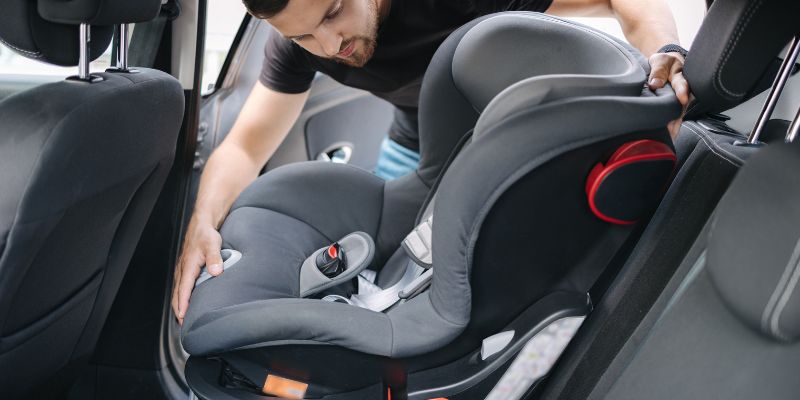
If you’re using the seat belt, thread it through the belt path on the car seat or base. For my RAVA, I recline it to position 1, thread the belt, and buckle it tightly. I check the manual to ensure the belt is routed correctly. A secure installation is key to keeping your child safe.
Tips for Regular Maintenance
To avoid deep cleaning too often, I do regular upkeep on my Nuna car seat. Here’s what works for me:
- Spot Clean Spills Immediately: I keep baby wipes in the car for quick cleanups. They’re gentle and safe for the fabric.
- Vacuum Weekly: I run a vacuum over the seat once a week to catch crumbs before they pile up.
- Check the Harness: I inspect the straps monthly for stickiness or wear. A quick wipe keeps them smooth.
- Store the Manual: I keep a digital copy of the manual on my phone and a physical copy in my glovebox. It’s saved me when I forgot how to reassemble the seat.
Common Mistakes to Avoid
I’ve made a few cleaning mistakes over the years, so let me save you some trouble:
- Using Harsh Chemicals: Bleach or strong detergents can damage the fabric and irritate your baby’s skin. Stick to mild soaps.
- Machine-Drying Fabrics: Heat can shrink or warp the cover. I learned this with a different brand and had to buy a new cover.
- Soaking the Harness: Water can weaken the buckles. I only wipe them with a damp cloth.
- Ignoring the Manual: Every Nuna model is different. I tried cleaning my RAVA like my PIPA once, and it was a mess until I checked the manual.
When to Clean Your Nuna Car Seat
How often should you clean your car seat? It depends on your kid’s messiness. I do a deep clean every 6 months or after a big spill, like when my son had a diaper blowout. For regular upkeep, I spot-clean weekly and vacuum monthly. If you notice stains, odors, or sticky straps, it’s time to clean. Acting fast prevents stains from setting, like the time I waited too long to clean a milk spill, and it took forever to get the smell out.
Handling Tough Stains and Odors
Tough stains happen, and I’ve dealt with my share. For food or juice stains, I use a mix of equal parts white vinegar and water. I dampen a cloth and gently blot the stain, then rinse with clean water. For odors, I sprinkle baking soda on the fabric, let it sit for an hour, and vacuum it up. This worked wonders when my car seat started smelling like sour milk. Always air-dry afterward to keep odors at bay.
Why Nuna Car Seats Are Easy to Clean
Nuna designs their car seats with parents in mind. The fabrics are removable and machine-washable, which is a game-changer. My PIPA’s cover comes off in minutes, and the materials are GREENGUARD Gold certified, meaning they’re free of harmful chemicals. I love that Nuna includes clear labels and manuals, making cleaning less intimidating. Compared to other brands I’ve tried, Nuna’s design makes maintenance a breeze.
When to Seek Professional Help
If you’re overwhelmed or worried about damaging your car seat, consider professional cleaning. Some baby stores, like West Coast Kids, offer cleaning services. I took my RAVA to a local shop once when a stain wouldn’t budge, and they cleaned it for $30. If you notice frayed straps or damaged parts, contact Nuna for a replacement. They’re great about providing remedy kits, like for the recent RAVA recall.
My Personal Experience with Cleaning Nuna Car Seats
When I got my Nuna PIPA, I was terrified of cleaning it wrong. The first time my daughter spilled juice, I panicked and scrubbed too hard, nearly damaging the cover. After reading the manual and watching Nuna’s YouTube videos, I got the hang of it. Now, cleaning my PIPA and RAVA is second nature. I deep-clean twice a year and spot-clean as needed. My seats still look great, and I feel good knowing my kids are riding in a clean, safe environment.

Conclusion
Cleaning your Nuna car seat might seem like a big task, but trust me, it’s doable and worth it. From my own adventures with spills and messes, I’ve learned that a little effort keeps your car seat safe, comfy, and looking brand new. By gathering the right supplies, following the manual, and using gentle cleaning methods, you can tackle everything from crumbs to tough stains.
Regular maintenance, like vacuuming and spot-cleaning, saves you from frequent deep cleans. Whether you have a Nuna PIPA, RAVA, or another model, these steps will keep your car seat in top shape for your little one. So, grab that sponge, roll up your sleeves, and give your Nuna car seat the TLC it deserves. Your kids will thank you, and you’ll feel like a pro!
FAQs
How often should I clean my Nuna car seat?
Deep-clean every 6 months or after big spills. Spot-clean weekly and vacuum monthly to keep it fresh.
Can I machine-wash the Nuna car seat cover?
Yes, use a delicate cycle with cold water and mild detergent. Always air-dry to avoid damage.
What should I use to clean the harness straps?
Wipe them with a damp cloth and mild soap. Don’t soak or remove them, as it can affect safety.
How do I remove tough stains from my Nuna car seat?
Use a mix of white vinegar and water or mild detergent. Gently scrub with a toothbrush and rinse thoroughly.
Can I use bleach on my Nuna car seat?
No, bleach can damage the fabric and irritate your baby’s skin. Stick to mild detergents like Baby Dreft or Molly’s Suds.
What do I do if I lose my Nuna car seat manual?
Download it from Nuna’s website. They have manuals for all models, like the PIPA, RAVA, and EXEC.