What Are Cross Bars On A Car And Do You Need Them?
It’s a common question. You see cars with these metal bars sticking out from the roof. What are they for?
Do you really need them? It can feel a bit confusing when you’re just trying to figure out how to carry more stuff. Maybe you’re planning a road trip.
Or perhaps you need to haul some gear for a hobby. The thought of adding something to your car’s roof might seem like a big step. We’ll break it all down for you.
You’ll learn exactly what cross bars are. We’ll also help you decide if they are right for your car and your needs.
What Are Cross Bars and How Do They Work?
Cross bars are simple. They are strong bars that go across your car’s roof. They connect to the side rails or directly to the car’s body.
Think of them as the foundation for carrying things on your roof. Without them, you can’t attach most roof racks or carriers. They help spread the weight evenly.
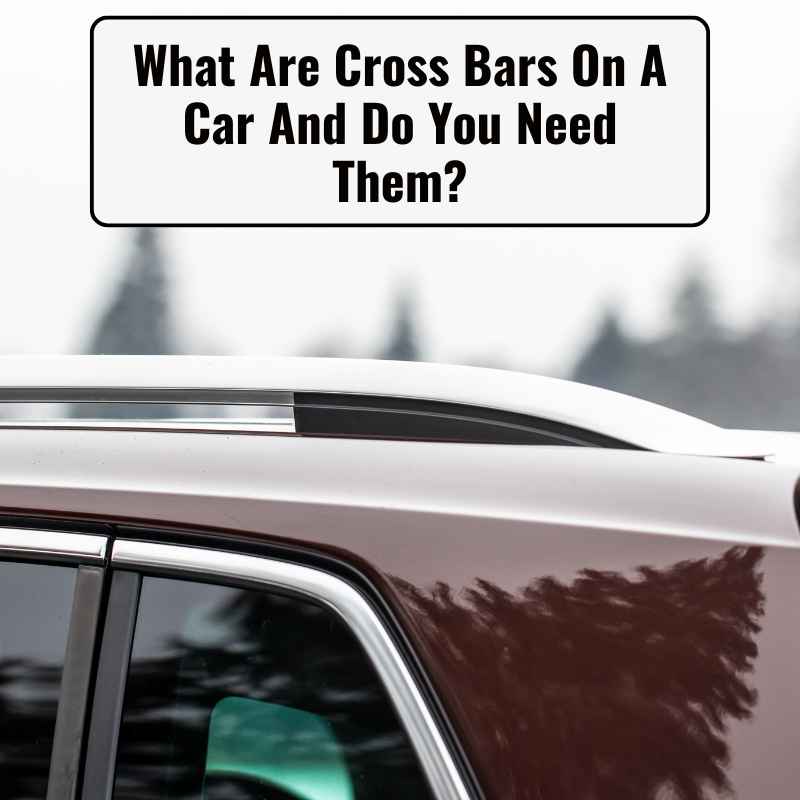
They also give you a secure place to strap down your gear. Your car might already have side rails on the roof. These run from front to back.
Cross bars attach to these side rails. Or, if your car doesn’t have side rails, cross bars can attach using special feet. These feet grip the edges of your car’s doors.
This creates a sturdy mounting point. The bars themselves are usually made of strong metal, like aluminum or steel.
The magic happens when you attach something to these cross bars. This could be a cargo box. It could be a bike rack.
Or maybe a kayak carrier. The cross bars hold these items up. They keep them safe and secure while you drive.
They are key for anyone who needs extra storage space. They let you move bulky items outside your car. This saves space inside your vehicle.
It makes for a more comfortable ride for everyone.
My Own Cross Bar Journey: A Story of Outdoor Adventures
I remember the first time I really felt the need for cross bars. It was a few years back. My partner and I decided on a last-minute camping trip.
We had our tent, sleeping bags, and cooler. But then we realized we also wanted to bring our paddleboards. My car’s trunk was already full. (If you are planning the cooking side of a trip like that, see our car camping kitchen setup guide.)
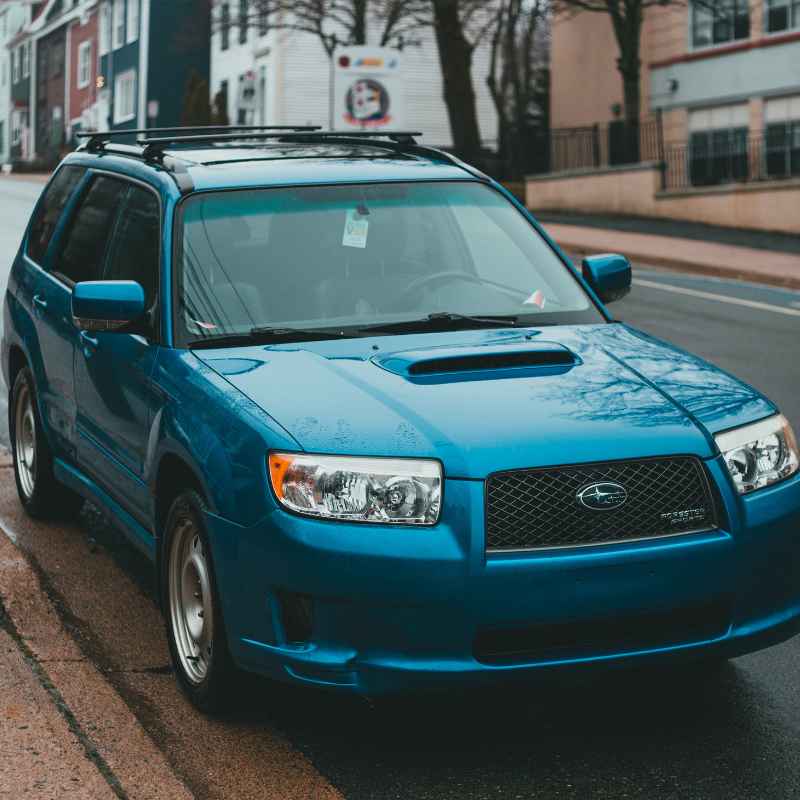
The back seat was packed too. We stood there, looking at all our gear, and then up at the empty roof of my SUV. My car had the raised side rails already on it.
I knew I needed something more. I had seen other cars with racks. I finally understood what those bars were.
They were the missing link. Without them, my paddleboards would just be sitting on the roof, not attached to anything. That would be dangerous.
I felt a little worried. Driving with unsecured gear is a big no-no. It’s unsafe for you and others on the road.
I decided to research cross bars. I learned there were different types. Some clamped onto the doors.
Others fit into the existing side rails. Mine had side rails. That made it simpler.
I found a set of cross bars that fit my SUV’s rails. I remember getting them in the mail. They looked pretty straightforward.
The instructions were clear. I installed them myself in about 30 minutes. It felt like a small victory.
When we loaded the paddleboards onto the new cross bars, it was a game changer. They felt solid. We strapped them down tight.
Driving to the campsite felt so much better. I wasn’t worried about anything flying off. It was the start of many more adventures.
It proved to me that the right equipment makes a huge difference.
Quick Scan: What to Look For in Cross Bars
Material: Usually aluminum or steel. Aluminum is lighter. Steel is often stronger but heavier.
Mounting Type: Fits your car’s roof. Does it use side rails? Or does it clamp to door frames?
Weight Capacity: How much weight can they safely hold? Check your car’s manual too.
Locking System: Some come with locks to prevent theft.
Aerodynamics: Some designs are quieter and reduce wind noise.
Understanding Different Types of Cross Bars
Not all cross bars are the same. They are designed to fit different cars and needs. The most common type is for cars with factory-installed side rails.
These are the rails that run along the length of your car’s roof. The cross bars simply clip or bolt onto these. They are usually very secure.
This is a popular choice for SUVs and wagons. Many people find them easy to install. They offer a good balance of strength and ease of use.
Another type is for cars without side rails. These use what are called “fit kits” or “foot packs.” The cross bars attach to these feet. The feet then grip the edges of your car’s doors.
They create a strong clamp around the door frame. This is a very safe way to mount racks. But it’s important to get the right fit kit for your specific car model.
The shape of your car’s roof and door frame matters a lot. These systems are often used on sedans and coupes. They let you add cargo-carrying ability to cars that don’t have roof rails from the factory.
It’s amazing how versatile these systems can be.
There are also different shapes of cross bars. You’ll see round bars. These are often the most affordable.
Then there are square bars. They are also strong. Wingbars or aero bars are shaped more like an airplane wing.
These are designed to be quieter. They reduce wind resistance. This can improve your car’s fuel economy a little.
It also makes for a more pleasant driving experience. Less whistling sound can make a big difference on long trips. Each type has its pros and cons.
The best one for you depends on your car and what you plan to carry.
Contrast: Cross Bar Styles
Myth: All roof racks are the same and just clip on anywhere.
Reality: Cross bars are the base. They attach specifically to your car.
Different cars need different types of cross bars and mounting systems.
Normal: Cross bars that fit snugly and make a little wind noise.
Concerning: Cross bars that seem loose or make a lot of loud, whistling noise at low speeds.
Why Do You Need Cross Bars? The Core Benefits
So, why go through the trouble of getting cross bars? The biggest reason is simple: more space. Your car’s interior has limits.
If you love outdoor activities, you probably have gear that doesn’t fit easily inside. Think skis, kayaks, bikes, or camping equipment. Cross bars open up a whole new world of storage.
They let you carry these large items safely on your roof. This is a huge relief. It means you don’t have to leave your favorite hobby gear behind.
Another big benefit is comfort. When your gear is inside your car, it takes up passenger space. Kids can’t spread out.
You can’t relax your arm on the console. Groceries get squished. Pets have less room to move.
By moving bulky items to the roof, you free up your interior. This makes for a much more enjoyable ride for everyone. Longer road trips become less cramped.
Daily errands feel less like Tetris. Everyone can sit back and enjoy the journey.
Safety is also a key factor. Properly mounted gear on cross bars is secure. It won’t shift around while you’re driving.
This is important for your safety and the safety of other drivers. Loose items can be a hazard. They could fall off.
They could distract you. Using cross bars with a proper roof rack system gives you peace of mind. You know your cargo is tied down.
It’s not going anywhere. This allows you to focus on the road ahead.
Finally, cross bars can increase your car’s value or utility. For many people, a car is an investment. Adding accessories like cross bars and a roof rack can make it more versatile.
It can make it more suitable for their lifestyle. If you plan to sell your car later, a good roof rack system can be an attractive feature. It shows the car has been used for active pursuits.
It signals that it’s ready for more adventures.
Stacked Micro-Sections: Cargo Carrying Power
Expanded Storage: Carry bulky items like bikes, kayaks, skis, and camping gear.
Interior Comfort: Free up passenger and cargo space inside your car — see our related guide, Tahoe vs Suburban Cargo Space: 72.6 vs 121.7 Cubic Feet.
Enhanced Safety: Securely transport gear, reducing interior clutter and distractions.
Versatility: Adapt your car for outdoor adventures and hauling needs.
Do You Need Cross Bars? Real-World Scenarios
Let’s talk about when you might actually need cross bars. The answer really depends on your lifestyle. Are you someone who loves weekend getaways?
Do you go camping, hiking, or fishing often? If so, cross bars could be a great investment. Imagine trying to fit a large tent, sleeping bags, and a cooler for a family of four inside a sedan.
It’s nearly impossible. With cross bars, you can put a rooftop cargo box on top. This box can hold most of your camping gear.
Your car’s interior then becomes just for passengers.
What about sports enthusiasts? Cyclists often need to carry bikes. While some bikes can fit inside a car, many can’t.
A bike rack that mounts onto cross bars is a common solution. Kayakers and canoeists face similar challenges. These items are long and awkward.
They are not meant to be carried inside a car. Cross bars provide the secure platform needed for specialized kayak or canoe carriers — including a double kayak rack if you are hauling two boats at once. Skiers and snowboarders also benefit.
Ski racks attach to cross bars, keeping wet gear out of the car. This keeps your interior dry and clean.
Even if you don’t do extreme sports, cross bars can be useful. Maybe you’re helping a friend move. You need to transport a large piece of furniture that doesn’t fit in your car.
Or perhaps you’re picking up lumber from the hardware store. While not ideal for very heavy or sharp items without proper padding and tie-downs, cross bars can assist in certain situations. They offer that extra carrying capacity when you need it most.
It’s about having options. It’s about making your car work better for you.
Consider your typical travel habits. Do you often take road trips with the family? Do you find yourself wishing for more space for luggage?
A cargo box on cross bars can be a lifesaver. It can almost double your available storage. This means you can pack more comfortably.
You don’t have to worry about fitting everything in. It makes the whole travel experience less stressful. The decision comes down to how often you encounter space limitations.
Card Grid: Lifestyle Triggers for Cross Bars
Weekend Warrior
Camping, hiking, or fishing trips often require bulky gear.
Cycling Fanatic
Need to transport bikes safely and efficiently.
Water Sports Lover
Kayaks, canoes, or paddleboards need specialized carriers.
Ski & Snowboard Season
Transporting long, awkward ski equipment.
Family Road Trips
Need extra luggage space for longer journeys.
DIY Projects
Hauling lumber or other materials that don’t fit inside.
When You Might NOT Need Cross Bars
It’s also important to know when cross bars might be overkill. If you almost never carry anything beyond groceries or a small gym bag, you probably don’t need them. Your car’s trunk and back seat are likely enough for your daily needs.
Adding cross bars and a roof rack system is an expense. It also adds a little wind noise. It can slightly affect your car’s fuel efficiency.
For someone who doesn’t need the extra capacity, these drawbacks might not be worth it.
Cars that are very small might not be the best candidates for heavy-duty roof racks. While you can get cross bars for almost any car, the weight capacity of your vehicle’s roof structure itself is a limit. If you drive a very small compact car, adding a heavy cargo box filled with gear might put too much strain on the roof.
Always check your car’s owner’s manual. It will tell you the maximum weight your roof can safely support. This includes the weight of the cross bars themselves, any attached carriers, and the cargo inside.
Another reason you might not need them is if you prefer internal storage solutions. There are many clever ways to organize your car’s interior. Things like cargo organizers, seat-back pockets, and roof console bags can help.
For light packers or those who travel alone, these might be sufficient. They don’t alter your car’s external profile or affect aerodynamics. If you value a quiet, efficient ride and don’t haul much, stick with internal solutions.
Finally, if you only need to carry large items very rarely, it might be more cost-effective to rent a utility trailer or use a friend’s larger vehicle for those specific occasions. Buying a full roof rack system can be a significant investment. If it sits unused most of the year, it’s not the best use of your money.
Evaluate how often you truly hit a wall with your car’s storage capacity. This honest assessment will help you decide if cross bars are truly necessary.
Quick Scan Table: When Are Cross Bars a Good Idea?
| Situation | Cross Bars Needed? |
|---|---|
| Regularly hauling sports gear (bikes, skis, kayaks) | Yes |
| Frequent long-distance family road trips with lots of luggage | Yes |
| Need to carry bulky items only once or twice a year | Maybe, consider rental |
| Primarily use car for commuting and daily errands | No |
| Limited need for extra space, prefer internal organizers | No |
Choosing the Right Cross Bars for Your Vehicle
Selecting the correct cross bars involves a few key steps. First, you need to know what type of roof your car has. Does it have factory-installed side rails?
Are these raised rails that stand off from the roof? Or are they flush rails that lie flat against the roof? Some cars have mounting points with covers.
Others have nothing at all. Your car’s owner’s manual is the best place to start. It will describe your roof type.
Once you know your roof type, you can look for cross bar systems designed for it. For factory side rails, you’ll find bars that clamp directly onto them. For cars without rails, you’ll need a system with specific feet and fit kits.
Many brands offer online tools. You enter your car’s make, model, and year. The tool then shows you compatible cross bar systems.
This takes a lot of the guesswork out of it. Always double-check the compatibility before you buy.
Consider the weight capacity. Your car’s manual will state its roof load limit. The cross bars and any attachments must not exceed this.
Also, look at the weight capacity of the cross bars themselves. Higher capacity bars are generally more robust. They are designed for heavier loads.
Think about the material and shape. Aluminum bars are lighter and resist rust well. Steel bars are often stronger but heavier and can rust if not coated properly.
Aero bars are quieter and more fuel-efficient but tend to be more expensive. For most everyday users, a good set of aluminum aero bars offers a great balance.
Security is another factor. Many cross bar systems come with locks for the feet. This prevents someone from easily stealing your cross bars.
If you plan to leave them on your car all the time, locks are a good idea. Finally, read reviews. See what other people with similar cars say about specific brands and models.
User experiences can highlight potential issues or great benefits.
Observational Flow: Finding Your Perfect Cross Bars
Step 1: Identify Your Car’s Roof Type (e.g., Raised side rails, flush rails, no rails, fixed mounting points).
Step 2: Use Online Fit Guides (Manufacturer websites or retailer tools are excellent resources).
Step 3: Check Weight Capacity (Compare car’s roof limit vs. cross bar system limit).
Step 4: Choose Material & Shape (Aluminum vs. Steel, Round vs. Square vs.
Aero bars).
Step 5: Consider Security Features (Look for integrated locks).
Step 6: Read Reviews & Compare Brands (Real-world user feedback is invaluable).
Installation and Best Practices
Installing cross bars is often a DIY job. Most systems come with clear instructions. For cars with side rails, it usually involves loosening a clamp, positioning the bar, and then tightening it.
Make sure to tighten them evenly. Do not overtighten, as this can damage your car’s rails. The key is a snug fit.
Some systems have torque specifications. It’s a good idea to follow these.
If you have a system that clamps to your door frames, it requires more care. You’ll need to install the correct fit kit first. Then attach the feet to the bars.
Position the whole assembly on your car’s roof. You’ll often need to measure the distance from the edge of the door to the bar. This ensures proper placement.
Some systems have rubber padding to protect your car’s paint. Always ensure this padding is correctly positioned.
Once installed, give the cross bars a good shake. They should feel solid and stable. There should be no significant movement.
If anything feels loose, recheck the installation. Tighten connections as needed. Always refer to the manufacturer’s instructions.
They know their product best.
When you start using your cross bars, remember to check them periodically. Before a long trip, give them a quick inspection. Ensure they are still tight.
Also, be mindful of the weight you are loading. Do not exceed the stated weight limits. Distribute the weight as evenly as possible.
Use proper tie-down straps. Learn how to secure different types of gear. For instance, bicycles need to be strapped down securely by their frames and wheels.
Driving with a loaded roof rack changes your car’s handling. It raises your car’s center of gravity. This means you need to take corners more slowly.
You’ll also need to brake earlier. Be aware of overhead clearances. Many parking garages and drive-thrus have height restrictions.
A loaded roof rack can easily be taller than you think. Always measure your car’s total height when loaded. This is crucial for avoiding costly mistakes.
It’s a small adjustment but makes a big difference in safety.
Split Insight Panel: Installation Tips
Pre-Installation Check: Ensure all parts are present and undamaged. Clean your car’s roof area.
Follow Instructions Exactly: Each system is different. Do not guess.
Use a Partner: Installation is easier and safer with a second person.
Torque Settings: If provided, use a torque wrench for accurate tightening.
Test Fit: Give the bars a firm shake to ensure they are secure before loading.
Regular Checks: Re-tighten after initial use and periodically thereafter.
What This Means For You: Normal vs. Concerning Signs
Understanding what’s normal and what’s not with cross bars is key. You should expect some noise. Especially at highway speeds, some wind noise is common.
It might sound like a low hum or a whistle. This is especially true for older or more basic bar designs. Aero bars are quieter but not silent.
A small amount of flex is also normal. When you press down on the bars, they might give a little. This is especially true if they are loaded.
However, if the bars move excessively when you shake them, or if they feel loose, that’s a problem. This indicates they are not installed correctly or are not suitable for your car. It’s a sign you need to re-check the installation or consult the manufacturer.
Concerning signs include loud, persistent whistling or flapping sounds. This can mean the bars are not seated properly or are causing excessive drag. It could also indicate a loose connection.
Another concerning sign is any visible damage. If the bars are bent, cracked, or if the coating is peeling off significantly, they might not be safe to use.
If you notice your car handling differently than usual, beyond the expected changes with a higher center of gravity, pay attention. Excessive swaying or instability at normal speeds is not normal. This could be a sign that the load is too heavy or not distributed correctly.
Always prioritize safety. If something feels off, it’s best to stop and investigate.
What does this mean for you? It means you should trust your instincts. If your new cross bars feel solid and secure, and the noise level is manageable, you are likely good to go.
If you have doubts, seek professional advice. Many automotive accessory shops can inspect your installation. They can also help with fitting if you’re unsure.
It’s better to be safe than sorry when it comes to your car and its cargo.
Quick Fixes and Tips for Using Cross Bars
While cross bars themselves don’t typically need “fixing” if installed correctly, there are tips for using them well. If you have excessive wind noise, ensure your bars are seated as snugly as possible. Sometimes, adjusting their position slightly can help.
For aero bars, make sure they are oriented correctly; they often have a specific leading edge.
If your bars are causing paint damage, it’s usually due to inadequate padding where the feet meet the car’s body. Some systems offer replacement or thicker padding. Always ensure the rubber pads are clean and free of debris before installation.
A common issue is rust on steel bars. If you notice this, you can try to clean it up and apply a rust-inhibiting paint. However, for severe rust, it might be time to consider replacement.
Aluminum bars won’t rust, but they can corrode. This usually looks like a white, powdery residue. It doesn’t typically affect their strength.
A great tip for securing gear is to use high-quality straps. Ratchet straps are good for very secure loads, but they can overtighten and damage your gear or bars. Cam buckle straps are often preferred for delicate items.
Always use straps with sufficient breaking strength for your load. Learn to tie a proper hitch knot to secure the ends of your straps.
Consider adding a wind fairing. This is a curved piece of plastic or metal that mounts to the front of your cross bars. It helps deflect wind over your cargo.
This can significantly reduce wind noise and improve aerodynamics. It’s an optional accessory but can make a big difference for comfort.
Finally, always store your cross bars properly when not in use. If they are detachable, store them in a safe place, like a garage or shed. This protects them from the elements and prevents theft.
If you leave them on year-round, inspect them regularly for wear and tear.

Frequently Asked Questions About Car Cross Bars
Can I leave cross bars on my car all the time?
Yes, you can leave most cross bars on your car all the time. However, they can increase wind noise and slightly reduce fuel economy. If they are not in use, some people prefer to remove them.
If you leave them on, make sure they are securely installed. Also, be aware of your car’s total height, especially for parking garages.
How much weight can cross bars hold?
The weight capacity varies greatly by brand and model. It also depends on your car’s roof load limit. Many common cross bar systems can hold between 100 to 200 pounds (about 45 to 90 kg).
Always check the specific product specifications and your car’s owner’s manual. Never exceed the lowest weight limit of either.
Will cross bars damage my car’s paint?
Reputable cross bar systems are designed with protective padding where they contact your car’s paint. If installed correctly, they should not cause damage. However, issues can arise if debris gets trapped between the pad and the paint.
Or if the bars are not tightened properly. Always ensure the rubber feet are clean and making good contact.
Are aerodynamic cross bars worth the extra cost?
For many people, yes. Aerodynamic bars, often called aero bars or wingbars, are shaped to reduce wind noise and drag. This leads to a quieter ride and can offer a small improvement in fuel efficiency.
If you do a lot of highway driving or long trips, the increased comfort might be well worth the higher price.
What’s the difference between cross bars and a roof rack?
Cross bars are the foundation. They are the horizontal bars that span across your car’s roof. A roof rack system often includes cross bars, plus side rails and mounting feet.
Specialized carriers (like bike racks or cargo boxes) then attach to these cross bars. So, cross bars are a key part of a roof rack system.
Can I install cross bars myself?
For most vehicles, yes. Installing cross bars is a common DIY task. Most systems come with detailed instructions and necessary tools.
If your car has factory side rails, it’s usually very straightforward. Systems that clamp to door frames require a bit more precision. If you’re unsure, it’s always a good idea to have them installed by a professional at an auto accessory shop.
Conclusion
So, there you have it. Cross bars are a vital component for anyone needing extra cargo space. They transform your car’s roof into a versatile hauling platform.
Whether you’re an outdoor adventurer or just need more room for family trips, they offer a practical solution. By understanding your car’s roof type and your specific needs, you can choose the right system. Proper installation and safe usage will ensure you can carry your gear with confidence for many journeys to come.
Sponsored / affiliate links. As an Amazon Associate I earn from qualifying purchases. I may earn additional commission from eligible campaigns.
Products related to this article