What Percentage Does A Car Battery Need To Start A Car?
It’s a moment many of us have faced. You’re in a hurry, you turn the key, and… nothing. Or maybe just a sad little click.
It’s frustrating, isn’t it? You just want to get going, but your car has other plans. This usually points to a battery issue.
We rely so much on our cars, and when they don’t work, it throws off our whole day. Let’s talk about what’s actually going on with your car battery and what percentage it needs to get you moving. We’ll make this super clear so you know exactly what’s up.
The minimum percentage a car battery needs to reliably start a car is generally around 70% state of charge (SOC), but this can vary. A healthy battery should typically show a voltage of 12.4 volts or higher when fully charged. Factors like battery age, temperature, and the car’s electrical demands play a big role.
Understanding Your Car Battery’s Health
Think of your car battery like a tiny power plant for your vehicle. It’s what gives your car that initial jolt to start the engine. It also powers all your car’s electronics when the engine isn’t running, like the radio or the interior lights.
But batteries don’t last forever. They have a lifespan, and their ability to hold a charge and deliver power decreases over time. This is why knowing what percentage your battery is at, especially when trying to start, is important.
Car batteries are rated by Cold Cranking Amps (CCA). This is a measure of how much power they can deliver in cold weather to start the engine. A higher CCA means a stronger battery, especially in the cold.
But CCA isn’t the same as percentage of charge. Percentage of charge, often called State of Charge (SOC), tells you how much energy the battery currently holds compared to its maximum capacity.
Most car batteries are lead-acid batteries. They have cells that hold a liquid electrolyte. This electrolyte and lead plates work together to create electricity.
Over time, these plates can degrade, and the electrolyte can lose its effectiveness. This is a natural part of the battery’s life. You can’t stop it, but you can manage it.
Why Percentage Matters for Starting
When you turn the key, your starter motor needs a big, quick burst of power. This is called cranking. Your battery has to supply this power.
If the battery isn’t charged enough, it won’t have enough power to turn the engine over. It’s like trying to push a heavy door; you need a good amount of force. A weak battery just doesn’t have that force.
So, what percentage is enough? While a battery might show a decent voltage on a multimeter, it might not have enough “oomph” to crank the starter motor. This is where the nuance comes in.
A battery reading 70% SOC might be enough in warm weather, but in cold weather, that same 70% might not cut it. Cold temperatures make the battery’s internal resistance higher, meaning it struggles to push out the same amount of power.
Many experts agree that a battery should ideally be at 80% SOC or higher for reliable starting, especially if you want to ensure it can handle extra strain like lights or the radio being on. Below 50% SOC, you’re really pushing your luck, and you’ll likely experience slow cranking or no start at all.
Battery Voltage vs. State of Charge (SOC)
Note: These are approximate values for a lead-acid battery at room temperature. Voltage can fluctuate.
- 12.6V+: 100% Charged
- 12.4V: 75% Charged
- 12.2V: 50% Charged
- 12.0V: 25% Charged
- Below 11.8V: Discharged (0%)
Why it matters: Lower voltage often means a lower state of charge. But remember, a battery’s ability to deliver amps is key for starting.
My Own Battery Scare
I remember one particularly chilly December morning. I had a very early flight to catch, and I was already running late. I jumped into my car, put the key in, and turned it.
Instead of the familiar rumble of the engine, I heard a weak, pathetic whirring sound. Then, just a faint click. My heart sank.
I knew what that meant. My car battery was dead. I had been so busy with work deadlines that I had completely ignored the subtle signs my car had been giving me for weeks.
The headlights seemed a bit dim at night, and sometimes the radio would cut out for a second.
Panic set in. I looked at my watch. Time was ticking away.
I tried turning the key again, maybe hoping for a miracle. Nope. Just that horrible click.
I could feel the sweat on my forehead, even though it was freezing outside. I pictured myself missing my flight and all the hassle that would follow. That day taught me a valuable lesson: don’t ignore your car’s hints.
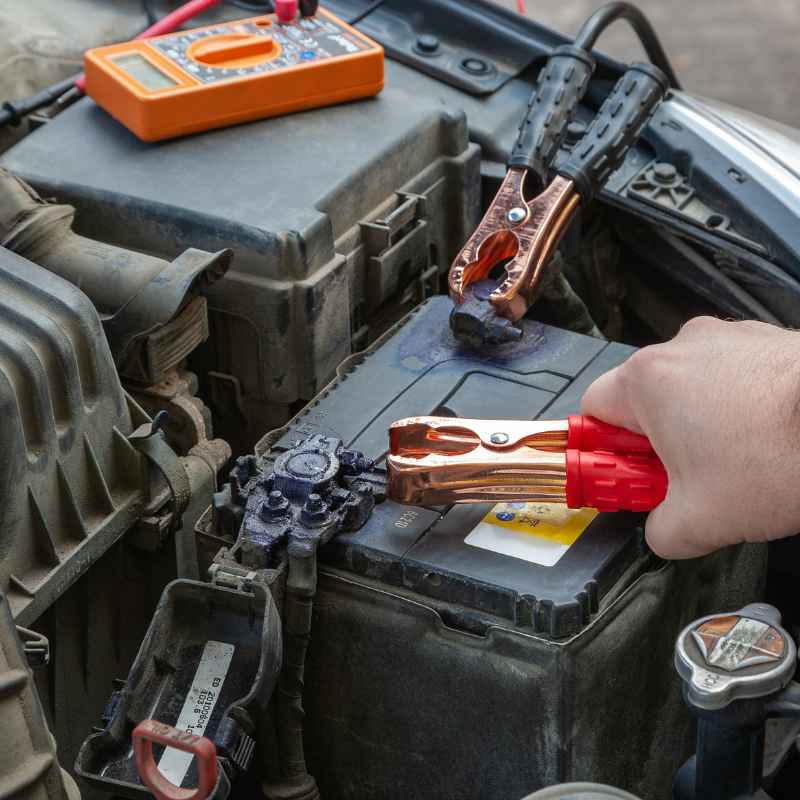
A few minutes of checking could have saved me a lot of stress and money. I ended up having to call a friend with jumper cables, and even then, my car sputtered for a good minute before it caught properly. It was a stark reminder that a car battery isn’t just a part; it’s the heart of your car’s electrical system.
What Affects Your Battery’s Starting Power?
Several things can affect how much power your battery has and how well it can start your car. It’s not just about age; it’s about how you use your car and the conditions it’s in. Let’s break down the main culprits.
1. Temperature
This is a big one. Extreme heat and extreme cold are tough on batteries. In the summer, high temperatures can cause the battery’s internal components to break down faster.
In the winter, cold temperatures make the battery’s electrolyte thicker. This increases its internal resistance. Think of it like trying to stir thick honey versus thin syrup.
The thicker it is, the harder it is to move, and the less efficient it becomes. This means a battery that works fine in 70-degree weather might struggle significantly in 20-degree weather, even if its state of charge is similar.
2. Battery Age
Car batteries don’t live forever. Most last between 3 to 5 years. As a battery ages, the lead plates inside can corrode and sulfate.
This reduces the surface area available for chemical reactions. It also means the battery can’t hold as much of a charge. An older battery might be able to start your car on a good day, but it won’t have the reserve power for tough conditions or for starting multiple times in a row.
You might find yourself needing more frequent jump starts as it gets older.
3. Driving Habits
How you drive your car matters. Short trips are actually bad for your battery. When you only drive for 5 or 10 minutes, the alternator (the part that recharges the battery while the engine is running) doesn’t have enough time to fully replenish the power the battery used to start the car.
Over time, this leads to a chronically undercharged battery. Batteries prefer longer drives where the alternator has a chance to do its job properly. So, that quick run to the store might be hurting your battery more than you think.
4. Electrical Load
What are you running in your car? If you leave your headlights on, the interior lights on, the radio blasting, or have extra accessories like phone chargers or dash cams plugged in while the engine is off, you’re draining your battery. When you then try to start the car, the battery has to overcome not just the needs of the starter motor but also any remaining drain.
This is why a battery might start your car fine one day, but fail the next if you forgot to turn something off.
Quick Scan: Is My Battery Weak?
Look for these signs:
- Slow engine crank: The engine turns over slowly, like it’s struggling.
- Clicking sound: You turn the key, and hear a rapid clicking noise, but the engine doesn’t turn.
- Dim lights: Headlights, interior lights, or dashboard lights seem dimmer than usual.
- Electrical issues: Power windows move slower, the radio cuts out, or other electronics act strangely.
- Warning light: Your car’s dashboard may show a battery warning light.
Action: If you see these, get your battery checked soon!
When is a Battery “Good Enough” to Start?
This is the million-dollar question, and the answer is rarely a simple number. For a healthy battery in ideal conditions, 50% SOC might still be enough to start. However, that’s not a safe bet, and it won’t last.
You want a battery that has plenty of power to spare. Think of it like having a reserve tank of fuel. You don’t want to be running on fumes.
The 70% figure often comes up because it represents a point where the battery still has a significant amount of energy. It’s enough to provide the necessary cranking amps for most vehicles under normal conditions. But here’s the catch: your battery’s ability to deliver those cranking amps is also affected by its internal health, not just its charge level.
An older battery might have 70% SOC, but its ability to deliver power might be reduced, making it less reliable.
Many automotive professionals will tell you that if a battery consistently dips below 75% SOC, it’s starting to show its age or may have a problem. For everyday reliability, you want your battery to be at 80% or higher. This gives you confidence that it can handle the demands of starting your engine, even if it’s a bit cold outside or you have some accessories running.
It’s also important to consider the type of battery. Some batteries are designed for deep cycling (like in RVs or boats), while car batteries are designed for short, powerful bursts of energy. The metrics might be different if you’re looking at something other than a standard passenger car battery.
Testing Your Battery’s Health
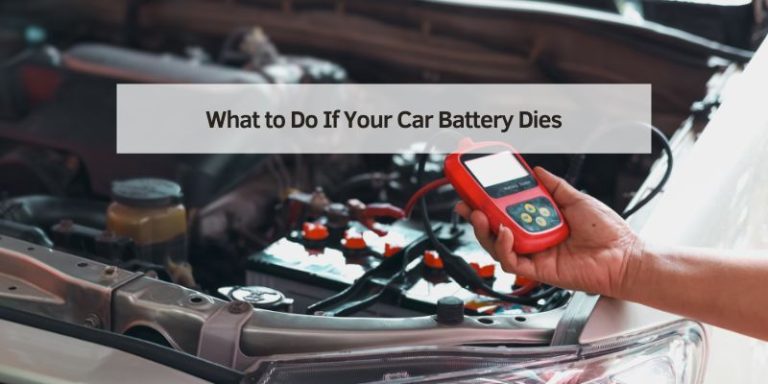
How can you actually know if your battery is good? There are a few ways. The easiest is to look at the voltage with a multimeter.
But for a real test of its starting power, you need to test its Cold Cranking Amps (CCA) capability. Many auto parts stores offer this service for free. They have specialized battery testers that put a load on the battery and measure its performance.
This is far more accurate than just checking voltage.
A common test is the “load test.” The tester simulates the load of starting the engine. It measures how much the battery’s voltage drops under this simulated load. If the voltage drops too low, the battery is considered weak.
This test is crucial because it directly checks the battery’s ability to perform its primary job: starting the car.
Another thing to check is the battery’s age. Most batteries have a manufacturing date code printed on them. It’s usually a sticker or stamped into the plastic.
This code can tell you when the battery was made. If it’s over 3 or 4 years old, it’s a good idea to start thinking about replacing it, especially if you live in an area with extreme temperatures.
Battery Age Code Explained (Example)
Common Format: A 1, B 2, C 3, etc.
- A = January, B = February, C = March. L = December
- The number indicates the year (e.g., 1 = 2021, 2 = 2022, 3 = 2023)
Example: C3
This would mean the battery was manufactured in March of 2023.
Where to find it: Usually on a sticker on the top or side of the battery case.
What If My Battery is Always Low?
If you find yourself constantly needing to jump-start your car or if your battery percentage always seems low, there are a few possible reasons. First, as we mentioned, it could be your driving habits. If you only take very short trips, you might need to make a point of taking your car for a longer drive (30 minutes or more) at least once a week to allow the alternator to recharge the battery fully.
Consider using a battery tender if your car sits for long periods.
Second, there might be a parasitic drain. This means something in your car is drawing power even when the engine is off. This could be a faulty component, a light that isn’t turning off completely, or a malfunctioning electronic module.
Diagnosing parasitic drain can be tricky and often requires a mechanic with specialized tools. They can measure the current draw when the car is off to find the source.
Third, your alternator might not be charging the battery properly. The alternator is responsible for recharging the battery while the engine is running. If it’s failing, it won’t send enough power back to the battery.
A mechanic can test your alternator’s output. Symptoms of a bad alternator include dimming headlights, a battery warning light, or the car dying while you’re driving.
Signs Your Battery Needs Replacing Soon
Even a battery that’s only a few years old can fail. Here are some clear signs that it’s time to think about a replacement:
- Frequent jump starts: If you need a jump start more than once or twice, it’s a strong indicator the battery can no longer hold a charge.
- Slow cranking: The engine takes noticeably longer to turn over than it used to.
- Corrosion on terminals: While some corrosion can be cleaned, excessive buildup on the battery terminals might mean the battery is leaking or venting, which is a bad sign.
- Swollen or warped battery case: This is a dangerous sign. Extreme heat or overcharging can cause the battery case to swell or crack. This battery needs immediate replacement.
- The age factor: If your battery is four years old or more, it’s living on borrowed time. It’s wise to test it regularly or consider proactive replacement, especially before a harsh winter.
Battery Maintenance Tips
Keep it Clean: Ensure battery terminals are free of corrosion. A wire brush can help clean them. You can also use a battery terminal protector spray.
Check Connections: Make sure the cables are securely fastened to the terminals.
Avoid Deep Discharges: Try not to let your battery drain completely. Turn off lights and accessories when the engine is off.
Regular Testing: Get your battery tested annually, especially if it’s over three years old.
What This Means for Your Car’s Starting Power
So, what’s the takeaway? Your car battery doesn’t need to be at 100% to start your car. However, it needs to be in good health and have a sufficient charge.
A battery around 70% SOC is generally considered the minimum for starting, but this is a borderline figure.
For reliable starts, especially in varied weather conditions, aiming for a battery at 80% SOC or higher is a much safer bet. Anything consistently below 50% means you’re likely to have trouble starting your car very soon. It’s like trying to run a marathon on very little sleep; you might get through it, but you’ll be struggling, and your performance will be poor.
Understanding battery health goes beyond just the percentage. Factors like age, temperature, and your driving habits all play a role. If you notice slow cranking, dim lights, or clicking sounds, it’s time to get your battery checked.
Ignoring these signs can lead to being stranded, which is never a good experience.
Quick Fixes and Tips for Battery Worries
If you’re concerned about your battery, here are a few things you can do:
- Check your voltage: A simple multimeter can give you a quick idea of your battery’s state of charge. If it’s below 12.4V, it’s not fully charged.
- Get a professional test: Visit an auto parts store or mechanic for a free battery load test. This is the most accurate way to know its health.
- Clean the terminals: If you see corrosion, clean it off with a wire brush and a baking soda/water paste.
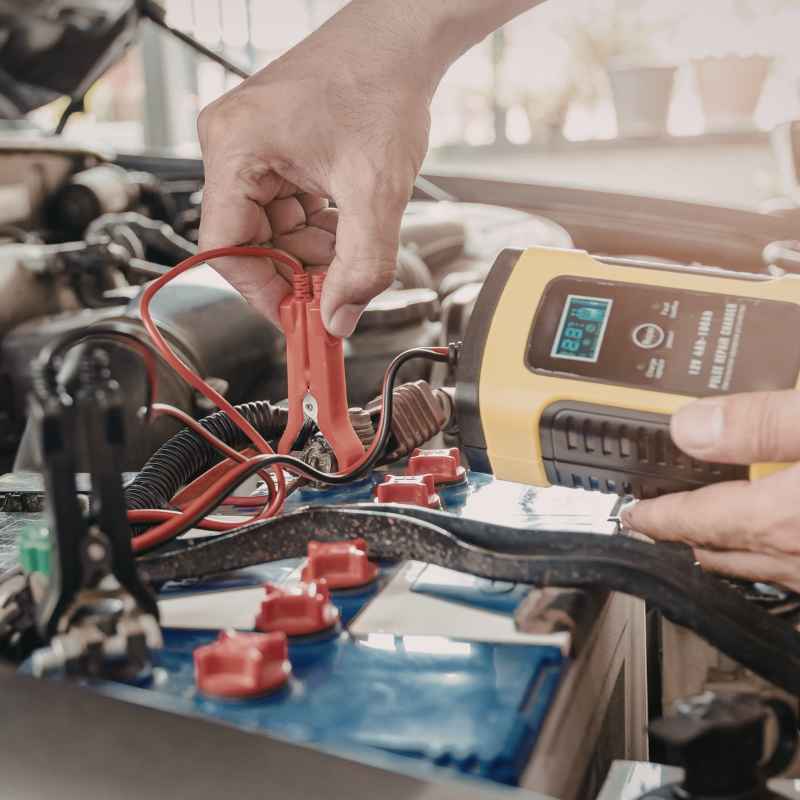
- Consider a battery tender: If your car sits for long periods, a battery tender can maintain its charge without overcharging.
- Drive longer: Make time for longer drives to ensure your alternator can fully recharge the battery.
Frequently Asked Questions About Car Batteries
What voltage should my car battery read?
A fully charged car battery should read about 12.6 volts or higher when the engine is off. If it reads below 12.4 volts, it’s not fully charged. If it consistently reads below 12 volts, it might be in need of charging or replacement.
Can I start my car with a 50% charged battery?
You might be able to start your car with a 50% charged battery, especially in warm weather. However, it’s not ideal. The battery might crank slowly, and it won’t have much reserve power.
It’s a sign that your battery is getting weak or needs charging.
How often should I replace my car battery?
Most car batteries last between 3 to 5 years. However, this can vary based on climate, driving habits, and battery quality. It’s a good idea to have your battery tested annually after it reaches 3 years old.
What does a clicking sound mean when I try to start my car?
A clicking sound usually means the battery doesn’t have enough power to engage the starter motor. The clicking is the starter solenoid trying to engage. It needs more power from the battery to turn the engine over.
Can extreme cold damage my car battery?
Yes, extreme cold can significantly reduce a battery’s performance and lifespan. It makes the electrolyte thicker, increasing resistance and making it harder for the battery to deliver power. It can also cause a weak battery to freeze and be permanently damaged.
How long does it take for my alternator to charge my battery?
A typical car alternator can recharge a significantly depleted battery over the course of about 30-60 minutes of driving at highway speeds. Shorter trips won’t fully recharge it, which is why short trips can lead to battery issues over time.
Final Thoughts
Your car battery is vital, and knowing its health can save you a lot of trouble. While 70% charge is often cited as a minimum, it’s best to aim for higher percentages for reliable starts. Pay attention to your car’s signs, maintain your battery, and get it tested regularly.
Keeping your battery in good shape ensures you can get where you need to go without unexpected delays.
Products related to this article
Sponsored / affiliate links. As an Amazon Associate I earn from qualifying purchases. I may earn additional commission from eligible campaigns.