How to Find Loads for Cargo Vans Fast: Proven Steps
Find cargo van loads by targeting expedite brokers and narrow lanes, then book only freight that clears your minimum rate, fits your van’s cube and weight limits, and matches a repeatable corridor. Skip that, and you burn deadhead miles, take weak freight, and lose time to slow-paying brokers. This guide shows how to build a cargo-van load-finding routine, vet brokers fast, and keep lanes consistent.
What counts as a cargo van load?
Cargo van vs. sprinter van vs. box truck
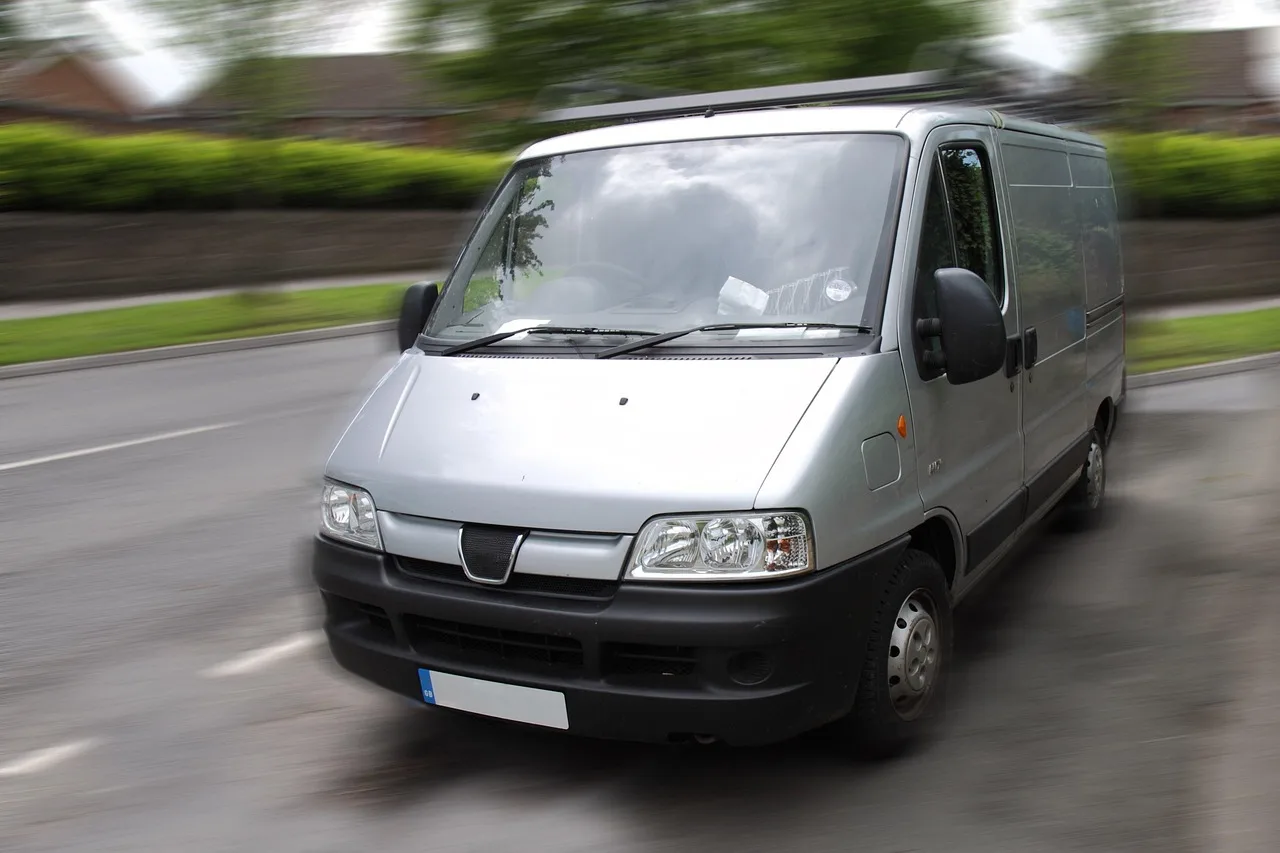
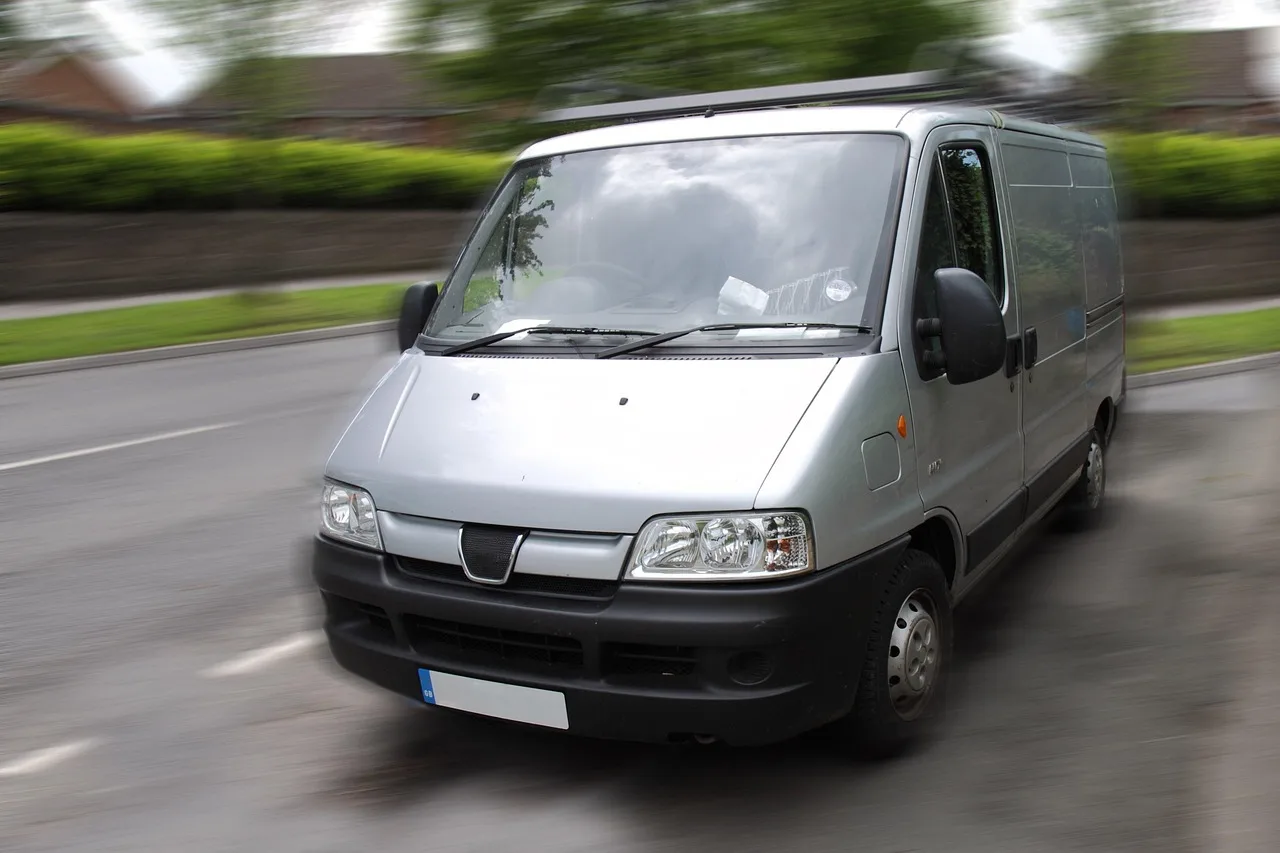
Cargo van freight is different from sprinter van or box truck freight. A cargo van usually has less cargo volume and lower practical weight capacity than a sprinter or box truck, so the load mix changes fast. The key limit is not only what fits inside, but what stays within the vehicle’s GVWR, or Gross Vehicle Weight Rating.
That difference matters at the sourcing stage. A van load board search that ignores equipment type can surface freight that fits a larger unit but not a cargo van. The right search is narrower: cargo van, then sprinter if the freight is light but tall, then box truck only if your authority, insurance, and equipment actually match the shipment.
Freight types that fit cargo volume and GVWR
Most cargo van work sits in smaller, time-sensitive freight. That includes parts, samples, medical items, documents, and boxed goods that do not need trailer space. The load should fit the van’s cube and weight rating with margin left over. If the broker cannot state pallet count, weight, and dimensions, treat the posting as unfinished.
A common first-timer mistake is booking by price alone and finding out the freight is too bulky after the pickup address is already sent. Say your van is rated for a certain GVWR and the freight is dense machine parts in stacked crates. A cheap linehaul can become an overweight problem once fuel, tolls, and re-handling are added.
Why expedite freight matters for first loads
Expedite freight is time-sensitive freight that moves fast and books fast. For a new cargo van carrier, that matters because expedite boards often carry the best fit for small equipment and quick dispatch. Expedite Load Board targets cargo vans, sprinter vans, and box trucks; it covers the United States and Canada, offers live load updates, is mobile friendly, and promotes a live preview of latest loads.
That does not mean every expedite posting is good freight. It means the lane tends to reward quick responses, clean paperwork, and clear equipment matches. First loads often come from carriers who can answer a call, confirm availability, and send documents without delay.
How do you find cargo van loads fast?

Use load boards with van filters and lane searches, set alerts for origin, destination, and deadhead radius, and respond only to freight that matches your deadhead limit and target rate per mile. Fast booking comes from narrow search rules, not random refreshing. The best results usually come from search discipline, broker readiness, and a repeat lane you can move on short notice.
Use load boards with van filters and lane searches
Load boards are online platforms for shippers and brokers. They matter because they let you search by origin, destination, deadhead miles, rate per mile, weight, and in some cases by van or sprinter filtering. For cargo van work, those filters separate usable freight from a screen full of semi-truck freight you cannot haul.
Set a corridor first. Then search only that corridor, not the entire map. A tighter search cuts noise and makes your call list much shorter. If a board allows filters for weight and vehicle type, use them every time before you start calling.
Set alerts for origin, destination, and deadhead radius
Load alerts help you book faster because they notify you when new freight matches a saved lane. Build alerts around origin city, destination city, and a deadhead radius that fits your profit target. If a load requires too much empty driving to reach pickup, the posted rate can look better than it is.
Suppose you want work within a fairly tight pickup radius and along a single metro-to-metro lane. Set the alert before the day starts, then check new postings at fixed times. That keeps you from chasing every load and lets you compare offers against the same standard.
Respond fast when freight is time-sensitive
Expedite freight disappears quickly. If you wait an hour, another carrier may already be loaded. Keep your MC number, DOT number, and insurance proof ready before you begin calling. Fast response only works when dispatch can verify authority and coverage in one exchange.
Which load boards work best for cargo vans?
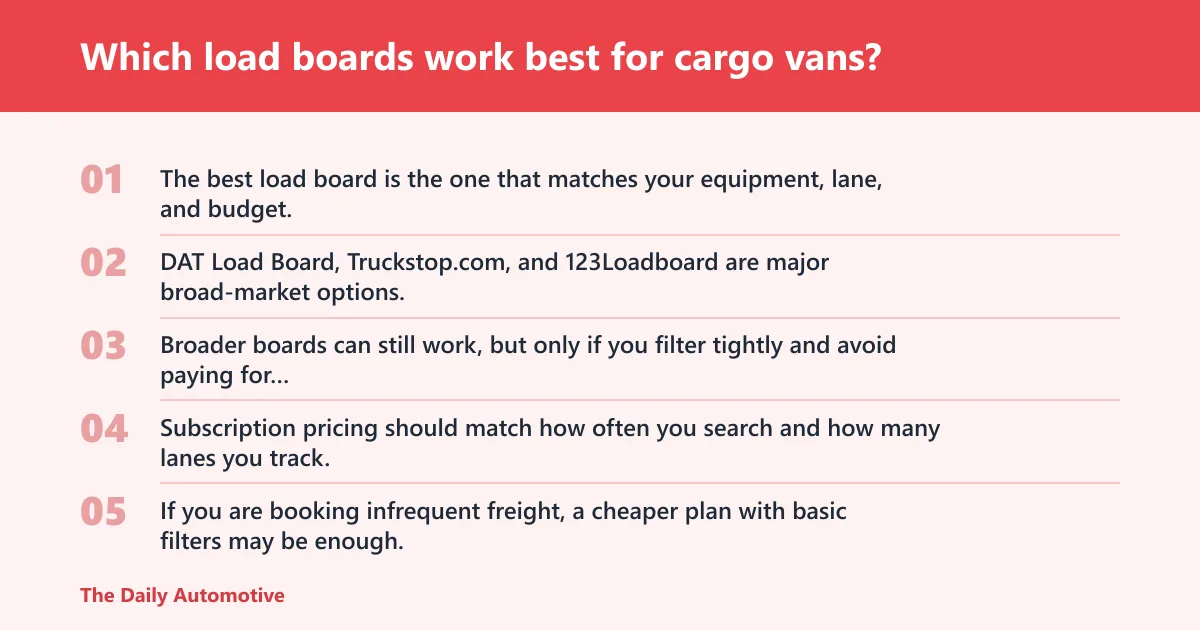
The best load board is the one that matches your equipment, lane, and budget. DAT Load Board, Truckstop.com, and 123Loadboard are major broad-market options, while Expedite Load Board is built around cargo vans, sprinter vans, and box trucks. Broader boards can still work, but only if you filter tightly and avoid paying for features you will not use.
What to look for in subscription pricing
Subscription pricing should match how often you search and how many lanes you track. If you are booking infrequent freight, a cheaper plan with basic filters may be enough. If you run multiple daily searches, pay attention to alert limits, saved-search tools, and how much access is blocked behind higher tiers.
Check three things before you pay: van-specific filtering, lane alerts, and search fields for deadhead miles and rate per mile. If a board hides those tools, it will slow you down. A low price can still be expensive if you spend hours filtering bad matches by hand.
How to compare van-specific search tools
| Platform type | Best use for cargo vans | Search features to confirm | Fit for expedite work |
|---|---|---|---|
| Expedite-focused board | Quick small-freight booking | Van/sprinter/box truck filters, live updates, alerts | High |
| Broad load board | Mixed freight and lane testing | Origin, destination, deadhead miles, rate per mile, weight | Medium |
| Digital freight network | Carrier-matched freight and app-based dispatch | Instant match, document upload, payment terms | Medium to high |
Convoy is a digital freight network, and Uber Freight matches carriers with loads. Those platforms can be useful when your paperwork is ready and your response time is quick. They are not a substitute for lane discipline, but they can add another booking channel.
When broader freight boards are still worth checking
Broader boards matter when your target lane is thin or when a broker posts a small shipment inside a larger network. That said, cargo van carriers should treat broad boards as filtered inventory, not a browsing habit. Start with expedite-heavy sources, then check broader platforms for repeatable lanes and direct broker contacts.
How do you know if a load is worth taking?
A load is worth taking when rate per mile clears your minimum, deadhead miles stay within plan, and the paperwork is ready before dispatch. Time-sensitive freight should still be judged as business freight, not urgency alone. Use the same score every time so emotion does not replace math.
Rate per mile as the first screen
Rate per mile is the main profitability metric because it lets you compare different loads on one scale. Divide the linehaul by loaded miles, then compare that number with your operating costs and target. If the posted rate cannot clear your minimum on the loaded miles alone, the offer is already weak.
Do not stop at linehaul. A short load with strong rate per mile can still fail if the pickup is far away or if detention risk is high. The rate has to survive the real route, not just the posted route.
Deadhead miles as the profit check
Deadhead miles are unloaded miles, and they can erase a good posted rate. Use them as the second screen after rate per mile. If pickup requires a long empty run, the load may still work, but only if the total corridor keeps your weekly average in range.
Picture a load with a moderate paid distance that still requires a long empty reposition to reach pickup. The posted linehaul may look fine, but the full trip includes nearly as many unpaid miles as paid miles. That is a lane problem, not a pricing problem.
Load urgency and paperwork readiness before you call
Urgency matters because fast freight usually goes to carriers who can book now. Paperwork readiness matters because brokers often will not release a load until authority and insurance are verified. If the load is hot but your documents are missing, someone else will likely get the call.
What do brokers want before they book a cargo van?
Brokers may ask for your MC number, DOT number, and insurance proof before they release a load. They may also ask for contact details, equipment type, and payment setup. Brokers care about pay history because carriers that pay or submit clean paperwork on time are easier to work with again.
MC number and DOT number basics
The MC number is a carrier credential that brokers often request before booking. The DOT number is the carrier identification used for compliance checks, and it is often requested as well. If you are new, expect brokers to confirm both before they discuss pickup details.
Have those numbers in a single file with your company name matching your documents. Mismatched names slow the process and can kill a fast load. Clean setup saves more time than aggressive calling.
Insurance proof and other common paperwork
Insurance proof is one of the most common documents brokers ask for before booking. They may also want a certificate that confirms coverage, along with W-9, carrier packet, and payment terms. If a broker asks for standard paperwork and you need hours to produce it, you are not ready for expedite work.
Why payment history matters when choosing brokers
Freight brokers are middlemen between shippers and carriers. Good ones add administrative support, steady communication, and better repeat freight. Bad ones create invoice problems, slow pay, or vague pickup instructions. Pay history matters because a broker who pays cleanly and answers fast is easier to build around.
Ask how they pay, when they pay, and what documents they need after delivery. A clear answer is a good sign. A sloppy answer is a warning that the back office will be just as messy as the load posting.
How do you build repeat freight beyond load boards?
Repeat freight comes from freight brokers, direct shippers, and referral networks. Load boards can start the pipeline, but steady cargo van work usually comes from relationships and follow-up. If you only chase public postings, you stay exposed to the same crowded bids every day.
Freight brokers as repeat-booking partners
Freight brokers can become repeat-booking partners when you answer quickly, document cleanly, and deliver without surprises. That repeat work is especially useful in expedite freight, where brokers need carriers who can move now. Keep a short list of brokers who post freight that matches your van and your lane.
Direct outreach to local businesses
Direct outreach works best when you target businesses that ship small, time-sensitive freight on a regular schedule. Manufacturers, auto parts distributors, medical suppliers, and local print shops often need quick delivery options. Ask about recurring routes, emergency coverage, and same-day dispatch before you pitch price.
Referral networks that keep freight moving
A referral network is a source of repeat business and a direct outreach channel. Drivers, dispatchers, mechanics, warehouse staff, and small shippers all know who ships frequently. If you stay organized and answer quickly, those contacts can send work long after the first load is done.
Use this cargo van load scoring checklist
Score every load on six points before you call. Use a 0-to-5 scale for each item, then total the score out to whatever maximum your six-item setup allows. A load should clear your threshold at about 22 or higher, with no single category below roughly 3. That simple rule keeps urgency from overriding the basics.
The six-point numeric rubric
- Lane fit: Does the load fit your target corridor and reduce empty repositioning?
- Deadhead miles: Is pickup close enough to protect your margin?
- Rate per mile target: Does the posted rate beat your minimum after loaded miles only?
- Broker payment risk: Does the broker have clean pay history and clear payment terms?
- Load urgency: Is the freight hot enough to book now, but not so rushed that details are missing?
- Paperwork readiness: Are MC, DOT, and insurance proof ready without delay?
Sample pass/fail threshold
Use this simple filter: scores in the low 20s to around 30 points can be treated as a pass, the high teens to low 20s as conditional, and anything below that as a no. A load can still fail if paperwork is missing, if the broker will not confirm payment terms, or if the freight pushes the van too close to GVWR. Scoring is a gate, not a guarantee.
How to apply the score in a daily workflow
Start the day by updating alerts, checking the highest-priority lane, and scoring only loads that fit the van. Call the best three first. If none pass the score, move to broker follow-up or direct outreach instead of stretching the numbers.
That rhythm prevents wasted hours. It also helps you learn which corridor, broker, and commodity type repeat well for your equipment. Over time, the system gets narrower, and that is a good thing.
Frequently asked questions
How do I find loads for a cargo van fast?
Use load boards with van filters, save corridor-based searches, and set alerts for origin, destination, and deadhead radius. Fast booking comes from narrow lane discipline and ready paperwork, not from browsing every posting. Expedite freight is the fastest path to first loads because carriers can move quickly when the match is right.
What load boards work best for cargo vans?
Expedite Load Board is built for cargo vans, sprinter vans, and box trucks, while DAT Load Board, Truckstop.com, and 123Loadboard are broad options worth filtering carefully. Choose the board that gives you van-specific searches, live alerts, and a clear way to compare deadhead miles and rate per mile.
Do I need MC and DOT numbers to book cargo van loads?
Yes, brokers often request both before they release a load. The MC number is the carrier credential, and the DOT number is the carrier identification used for compliance checks. Keep them ready with insurance proof so a broker can verify you without waiting on paperwork.
How can I avoid deadhead miles when booking van freight?
Use a fixed pickup radius, search lanes you can repeat, and reject loads that require too much empty repositioning. Deadhead miles are unloaded miles, so they cut into margin fast. A load only works when the total route, not just the posted linehaul, keeps your numbers in range.
What kind of loads can a cargo van legally haul?
A cargo van can haul small freight that fits its cargo volume and stays within GVWR and weight capacity. That usually includes boxes, parts, samples, documents, and other time-sensitive freight. If dimensions, weight, or securement requirements push past the van’s limits, the load is not a fit.
Should I work with freight brokers or go direct to shippers?
Do both, but start with brokers if you need speed and repeatable expedite freight. Brokers can supply administrative support and steady bookings, while direct shippers can build stronger long-term lanes. Direct outreach takes longer at first, but it can reduce dependence on public load boards.
Products related to this article
Sponsored / affiliate links. As an Amazon Associate I earn from qualifying purchases. I may earn additional commission from eligible campaigns.