How to Fix: Essential Car Oil Fix
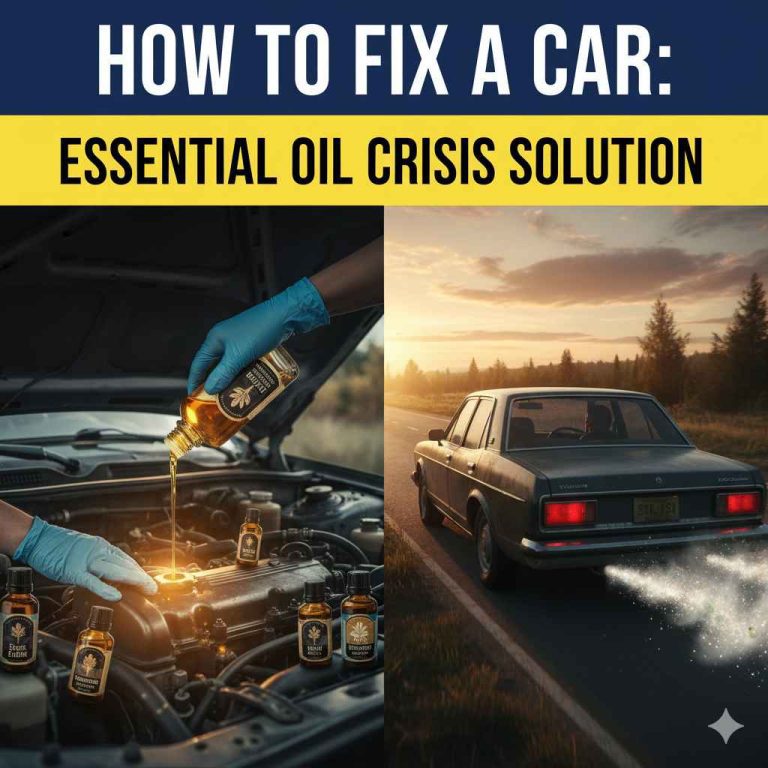
If your car ran out of oil, the best “fix” is addressing the low oil level immediately to prevent severe engine damage. This involves adding the correct type and amount of oil and investigating why it was low in the first place to avoid future, costly repairs.
It’s a moment that can send a shiver down any driver’s spine: the oil pressure warning light flashes on your dashboard, or perhaps you notice a strange engine noise. For many, the thought of “my car ran out of oil” is a daunting one. Will it cost a fortune to fix? Is my engine ruined? Take a deep breath. I’m Md Meraj, and I’m here to guide you through this. While running out of oil is serious, understanding the causes and knowing the right steps can save your engine and your wallet. Let’s demystify this common car concern and get you back on the road with confidence.
Understanding Why Your Car Needs Oil
Think of your car’s engine as a complex machine with many moving metal parts. Just like your joints need lubrication to move smoothly, your engine needs oil to function. Engine oil does a few crucial jobs:
- Lubrication: It creates a protective film between moving parts, reducing friction and wear. This is the most vital job.
- Cooling: Oil absorbs heat from engine components and carries it away, helping to keep the engine from overheating.
- Cleaning: As it circulates, oil picks up dirt, debris, and carbon deposits, keeping the engine internally clean.
- Sealing: Oil helps create a seal between the piston rings and cylinder walls, ensuring efficient combustion.
- Corrosion Protection: It forms a barrier that prevents rust and corrosion on internal metal surfaces.
Without enough oil, these functions break down rapidly. Friction increases dramatically, leading to overheating and severe internal damage to critical components like pistons, bearings, and the crankshaft. This is why the “essential car oil fix” is about prevention and immediate, correct action when a low oil situation arises.
Recognizing the Signs of Low Oil
Fortunately, your car often gives you warnings before a catastrophic failure. The most common signs that your car is running low on oil include:
- The Oil Pressure Warning Light: This is the most critical indicator. It looks like an old-fashioned oil can with a drip coming out. If this light comes on, pull over to a safe location as soon as possible and turn off the engine.
- Strange Noises: Low oil can cause a knocking or ticking sound due to increased friction and metal-on-metal contact.
- Burning Oil Smell: If oil is leaking onto hot engine parts, you might smell it.
- Exhaust Smoke: Blue smoke from the exhaust can indicate that oil is burning inside the engine.
- Low Oil Level on the Dipstick: This is the most direct way to check. We’ll cover how to do this safely next.
Catching these signs early is key. It’s the difference between a simple top-up and an expensive engine rebuild.
How to Check Your Car’s Oil Level Safely
Before you can “fix” a low oil situation, you need to confirm the level. Checking your oil is a basic maintenance task that every car owner should know how to do. Here’s how:
Gather Your Supplies
- A clean cloth or paper towel.
- Your car’s owner’s manual (to confirm the correct oil type).
Step-by-Step Oil Level Check
- Park on a Level Surface: This is crucial for an accurate reading. If your car is parked on a slope, the oil will pool to one side, giving a false low or high reading.
- Let the Engine Cool: It’s best to check your oil when the engine is cool or has been off for at least 10-15 minutes. Hot oil is dangerous and can give an inaccurate reading as it expands when warm.
- Locate the Oil Dipstick: The dipstick is usually a brightly colored (often yellow or orange) loop or handle sticking out of the engine. Your owner’s manual will show you its exact location if you can’t find it.
- Pull Out the Dipstick: Gently pull the dipstick all the way out.
- Wipe It Clean: Use your cloth or paper towel to wipe the entire metal end of the dipstick clean.
- Reinsert the Dipstick Fully: Push the dipstick all the way back into its tube until it seats properly.
- Pull It Out Again: Carefully pull the dipstick out once more.
- Read the Oil Level: Look at the very end of the dipstick. You’ll see markings, usually two dots, lines, or holes, labeled “Min” (or “Add”) and “Max” (or “Full”). The oil level should be somewhere between these two marks.
If the oil level is at or below the “Min” mark, your car is low on oil and needs immediate attention.
The Essential “Fix”: Adding Oil
If your dipstick confirms your car is low on oil, the immediate “fix” is to add the correct type and amount of engine oil. This is not a permanent solution to an oil leak, but it’s the vital first step to prevent immediate engine damage.
Choosing the Right Oil
This is the most important part after confirming you’re low. Using the wrong type of oil can be as harmful as having no oil at all. Your car’s owner’s manual is your best friend here. It will specify:
- Viscosity Grade: This looks like “5W-30” or “10W-40.” The first number is for cold weather performance, and the second is for operating temperature.
- Oil Specification/Certification: This might be an API service category (e.g., SN, SP) or an OEM (Original Equipment Manufacturer) specification.
If you don’t have your manual, a quick online search for “[Your Car Year Make Model] oil type” can help, or you can visit an auto parts store and ask for assistance. They can look up your vehicle’s requirements.
For a temporary top-up, you’ll likely need a quart or two of oil. You can buy this at any auto parts store, gas station, or even many supermarkets.
How to Add Engine Oil
- Locate the Oil Filler Cap: This is usually a large cap on top of the engine, often with an oil can symbol on it. It will say “Engine Oil” or something similar.
- Remove the Cap: Unscrew and remove the oil filler cap.
- Insert a Funnel: Place a clean funnel into the oil filler opening. This prevents spills.
- Add Oil Slowly: Pour in about half a quart (about half a liter) of the correct oil. Don’t just dump the whole bottle in at once.
- Wait and Re-check: Replace the oil filler cap. Wait a few minutes for the oil to settle into the oil pan. Then, repeat the dipstick check process described earlier (steps 4-8 under “How to Check Your Car’s Oil Level Safely”).
- Add More if Needed: If the oil level is still below the “Max” mark, add another half quart, wait for it to settle, and check again. Continue this process until the oil level is between the “Min” and “Max” marks. Do NOT overfill.
- Tighten the Cap: Once the oil level is correct, securely tighten the oil filler cap.
A Word on Overfilling: While running out of oil is bad, overfilling can also cause serious engine damage. Too much oil can cause the crankshaft to churn the oil into a foam, reducing its lubrication properties. It can also increase oil pressure, leading to leaks and damaging seals.
Why Is My Car Running Out of Oil? Investigate the Cause
Simply adding oil is a temporary fix. To truly “fix” the problem and prevent it from happening again, you must understand why your car is losing oil. The two main reasons are burning oil or leaking oil.
1. Burning Oil (Internal Consumption)
This happens when oil gets into the combustion chamber and is burned along with the fuel. Common causes include:
- Worn Piston Rings: These rings seal the gap between the piston and cylinder wall. If they wear out, oil can slip past into the combustion chamber. This often leads to blue smoke from the exhaust, especially under acceleration.
- Worn Valve Seals: These seals prevent oil from seeping down the valve stems into the combustion chamber. When they harden or crack, oil can pass through.
- PCV (Positive Crankcase Ventilation) System Issues: A clogged PCV valve can lead to excessive crankcase pressure, forcing oil past seals and into the combustion chamber.
If your car is burning oil, you’ll likely notice blue smoke from the exhaust, a distinctive burning oil smell, and oil consumption even without an external leak. This often requires more complex repairs, potentially involving engine internals.
2. Leaking Oil (External Loss)
This is when oil escapes from the engine’s lubrication system through seals, gaskets, or other components. Signs include oil spots under your car, a burning smell, and a dirty, oily residue on engine parts. Common leak points are:
- Oil Pan Gasket: The seal between the oil pan (where oil collects) and the engine block can deteriorate over time.
- Oil Filter: A loose or damaged oil filter, or a faulty anti-drainback valve within it, can cause leaks.
- Drain Plug: The plug at the bottom of the oil pan can become loose or have a damaged washer, leading to drips.
- Valve Cover Gasket: This seals the top of the engine. It can dry out and crack.
- Crankshaft Seals and Camshaft Seals: These seals at the ends of the engine’s rotating shafts can fail.
- Oil Cooler Lines: If your car has an oil cooler, its lines can corrode or develop cracks.
Identifying a Leak: The best way to find an external leak is to look underneath your car for fresh oil spots. You can also often see oily residue on the engine block or specific components if you look carefully (with the engine off and cool!). Sometimes, a mechanic may perform a “smoke test” where they introduce non-toxic smoke into the crankcase to pinpoint the exact source of a leak.
What to Do If You Think You Ran Out of Oil Completely
If your oil pressure light stayed on for more than a few seconds, or if you continued to drive after noticing severe symptoms like knocking or significant loss of power, the damage could be severe. Here’s what you should do:
- Stop Driving IMMEDIATELY: This is the most critical step. Turn off the engine as soon as it is safe to do so. Continuing to run an engine with no oil is like running your body without blood – it’s catastrophic.
- Do Not Try to Restart It: Unless you have confirmed there is sufficient oil and the issue was just a temporarily low level that has been corrected, do not attempt to start the engine.
- Check Oil Level: If you can safely do so, check the oil level. If it’s completely dry, you’ve found your immediate problem.
- Add the Correct Oil: Add a few quarts of the correct oil to at least reach the minimum level indicated on the dipstick.
-
Assess the Situation: If you added oil and tried to start the car, listen carefully.
- If the engine starts smoothly and the oil light goes out, you may have gotten lucky, and the damage might be minimal. However, it’s still highly recommended to have a mechanic inspect it to check for any subtle internal damage.
- If the engine makes loud knocking, grinding, or other severe noises, or if the oil light remains on, the engine has likely sustained significant damage. Do not continue to run it.
- Call for a Tow: If you suspect significant damage or if the engine won’t start/runs poorly, don’t risk further damage. Call for a tow truck to take your car to a qualified mechanic.
In cases where an engine has run completely dry for a prolonged period, major repairs such as replacing bearings, pistons, or even the entire engine may be necessary. This highlights why the “how to fix a car that ran out of oil” question is really about prevention and immediate careful action.
Preventing the Problem: Regular Maintenance is Key
The best “fix” for any car problem is to prevent it from happening in the first place. Regular maintenance is your best defense against unexpected oil-related emergencies. Here’s how to stay on top of it:
1. Regular Oil Changes
Engine oil degrades over time and with use. It loses its lubricating properties, gets contaminated, and becomes less effective. Follow your car manufacturer’s recommended oil change intervals. These are usually found in your owner’s manual and can range from 3,000 to 10,000 miles (or more for synthetic oils) depending on your vehicle and driving conditions.
Edmunds.com offers a comprehensive guide to oil change intervals, noting that driving habits significantly impact oil life.
2. Check Your Oil Regularly
Don’t wait for a warning light. Make it a habit to check your oil level at least once a month, and especially before any long road trips. It takes less than five minutes and can prevent major issues.
3. Inspect for Leaks
When you check your oil, take a moment to look under your car for any fresh oil spots. Also, glance at the engine bay for any visible signs of oil leaks, especially around gaskets and seals.
4. Address Warning Lights Promptly
Never ignore the oil pressure warning light. If it comes on, stop driving immediately and investigate. Even a few minutes of driving with low oil pressure can cause expensive damage.
5. Listen to Your Car
Pay attention to any new or unusual sounds coming from your engine. A persistent ticking or knocking sound could be an early warning sign of lubrication issues.
Cost of Repairs
The cost to “fix” a car that ran out of oil can vary dramatically:
| Scenario | Approximate Cost | Explanation |
|---|---|---|
| Adding Oil (Temporary Fix) | $10 – $20 | Cost of a quart or two of oil. |
| Oil Change (Routine Maintenance) | $50 – $100 ( Conventional) $75 – $150 (Synthetic) |
Includes oil and filter. |
| Minor Oil Leak Repair (e.g., Drain Plug Washer, Oil Filter Seal) | $100 – $300 | Parts and labor. |
| Moderate Oil Leak Repair (e.g., Valve Cover Gasket, Oil Pan Gasket) | $300 – $800 | Can involve more labor to access the parts. |
| Major Internal Engine Damage (from running out of oil) | $2,000 – $7,000+ | Could involve bearing replacement, piston repair, or full engine replacement. |
As you can see, being proactive with maintenance and addressing small issues promptly is far more cost-effective than waiting for a major failure. For more insights on repair costs, see resources like RepairPal’s estimator.
Frequently Asked Questions (FAQ)
Q1: How long can a car run without oil?
A: A modern car engine will likely suffer severe internal damage within a matter of seconds to a few minutes of running with critically low or no oil. The oil pressure warning light is a critical signal to stop the engine immediately.
Q2: Is it bad to drive with the oil light on?
A: Yes, it is very bad. The oil light indicates critically low oil pressure. Driving with the oil light on means the engine is not being properly lubricated, and severe, irreversible damage can occur very quickly.
Q3: Can I just add any type of oil to my car?
A: No. You must use the specific viscosity grade and type of oil recommended by your car’s manufacturer, as stated in your owner’s manual. Using the wrong oil can cause damage.