How Much to Repaint a Car Hood? (2026 Cost Breakdown)
Repainting a car hood typically costs $150 to $1,600 at a body shop, but basecoat/clearcoat paint and color-matched blending into the fenders cost more than a single-stage job on the original color. Skipping prep on rust or peeling clear coat can make even a $1,000 paint job fail within a year. This guide covers what drives the price, single-stage vs. basecoat/clearcoat, DIY vs. professional, and removing PPF or vinyl before a repaint.
[Insert your Affiliate Disclosure reusable block here]
Quick Answer
A professional car hood repaint costs $150-$500 for a budget job on original color with minimal prep, $500-$1,000 for a mid-range basecoat/clearcoat job, and $1,000-$1,600+ for premium paint, color blending into the fenders, or extensive rust/dent repair. DIY supplies run $70-$300 but carry a real risk of a peeling, uneven finish.
Why Repaint Your Car Hood?
I remember the first time I noticed a big scratch on my car’s hood. It was like a punch to the gut—my car didn’t look the same anymore. The hood is the first thing people see, so it’s no wonder we want it to look sharp. Repainting your hood can fix a lot of issues. Scratches, chips, dents, or even peeling clear coat can make your car look older than it is. A fresh paint job can restore that showroom shine, boost your car’s resale value, and make you feel proud to drive it again.
But it’s not just about looks. Repainting can protect your hood from rust and further damage, especially if the paint is chipped or the metal is exposed. Plus, if you’re customizing your car, a new color or finish on the hood can give it a unique vibe. I once saw a friend repaint their hood a sleek matte black, and it transformed the whole car. Whatever your reason, understanding the costs and process is key to getting it done right.
Factors That Affect the Cost of Repainting a Car Hood
When I started looking into repainting my car’s hood, I was shocked at how much prices varied. One shop quoted me $400, while another wanted $1,200 for what seemed like the same job. After digging deeper, I realized there are several factors that drive the cost. Let’s break them down so you know what to expect.
Type of Paint
The type of paint you choose makes a big difference. I learned this the hard way when I picked a basic paint for a quick fix, only to see it fade in a couple of years. Here are the main types of paint used for car hoods:
- Acrylic Paint: This is the budget-friendly option. It’s easy to apply, dries fast, and gives a glossy finish. But it’s not the most durable, so you’ll need to maintain it regularly. It’s great if you’re on a tight budget, but don’t expect it to last forever.
- Enamel Paint: This is a step up. It’s tougher, resists chipping, and holds up well in bad weather. It takes longer to dry, but the smooth, polished look is worth it. I’d recommend this for most people looking for a balance of cost and quality.
- Urethane Paint: This is the premium choice. It’s super durable, resists UV rays, and keeps its shine for years. It’s pricier, but if you want a long-lasting finish, this is the way to go. I ended up choosing urethane for my car, and it still looks great after three years.
The paint itself can cost anywhere from $20 to $500 for 1-2 quarts, depending on the type and brand. Urethane is on the high end, while acrylic is cheaper.
Single-Stage vs. Basecoat/Clearcoat: Which Paint System Costs More?
Single-stage paint is a paint system where the color and gloss come from one sprayed layer, with no separate clear topcoat. It’s the cheaper, faster option, but most factory finishes on cars built since the late 1980s use basecoat/clearcoat instead — a color-only base layer sealed under 2-4 coats of clear. Matching a basecoat/clearcoat factory finish requires the same two-stage system, which is why it almost always costs more than single-stage.
| System | Typical Cost | Best For |
|---|---|---|
| Single-stage | $100-$300 (materials + basic labor) | Work trucks, older cars, budget touch-ups, non-metallic colors |
| Basecoat/clearcoat | $300-$800+ (materials + labor) | Matching most factory finishes made since the late 1980s, metallic and pearlescent colors |
| Show-quality basecoat/clearcoat | $1,000-$2,000+ | Wet-sanded, hand-polished finishes on luxury or show cars |
If a shop quotes you a suspiciously low price for a metallic or pearlescent color, ask directly whether it includes a full clear coat — a single-stage bid on a car that needs basecoat/clearcoat almost never matches the surrounding panels correctly.
Condition of the Hood
The state of your hood is a huge factor. If it’s just got a few scratches, you’re in luck—those are easier and cheaper to fix. But if your hood has dents, rust, or peeling clear coat, the prep work will jack up the cost. I had a small dent on my hood, and the shop had to sand it down and apply filler, which added about $150 to the bill.
Minor scratches might only need sanding and a new coat of paint. But deep scratches, dents, or rust require more labor, like priming, filling, or even replacing rusted metal on the hood before any paint goes on. If the metal panel itself is dented, a shop may recommend popping the dent out first since paint applied over a poorly-filled dent can crack later. The more damage, the more time and materials the shop needs, which means a higher price.
Labor Costs
Labor is where things can get pricey. Most shops charge $50 to $100 per hour, but high-end or specialized shops might charge up to $200 per hour. Repainting a hood typically takes 4-8 hours, depending on the damage and prep work. I found that local shops were more affordable, but their quality varied. One shop did a quick job that started peeling after a year, so I learned to prioritize experience over the cheapest quote.
The technician’s skill level matters too. A seasoned pro will charge more but deliver a flawless finish. If you go with a less experienced painter, you might save money but risk a sloppy job. Always ask about the shop’s process and the painter’s experience before committing.
📊 The national average posted refinish labor rate was $85/hour in June 2026, up 4.9% from $81/hour a year earlier — Source: Autobody News Labor Rate Index, June 2026
Paint Color and Finish
Choosing a color can affect the cost more than you’d think. Sticking with your car’s original color is usually cheaper because it doesn’t require blending with other panels. I went with my car’s factory silver, and it saved me about $200 compared to a custom color. Custom colors, metallic finishes, or pearlescent paints need extra layers and special techniques, which drive up the price.
Blending is another factor. If your hood’s color needs to match the rest of the car, the shop might have to blend the paint into adjacent panels, like the fenders or bumper. This adds time and materials, pushing the cost higher.
Location and Shop Type
Where you live plays a big role. In big cities or high-end areas, shops charge more because of higher overhead costs. I got quotes in my small town that were 30% lower than city prices. The type of shop matters too. A budget shop might charge $300-$500, but a premium auto body shop using top-grade materials could charge $1,000 or more. Dealerships are often the priciest, but they’re great for luxury cars or if you need a perfect color match.
Additional Supplies
Besides paint, you’ll need primers, clear coats, sandpaper, and other supplies. These can add $30 to $375 to the total cost. If you’re going to a shop, these are usually included in the quote. But if you’re doing it yourself, you’ll need to budget for these extras. I tried a DIY touch-up once and spent about $50 on supplies, but the results weren’t great—more on that later.
Does Your Hood Already Have PPF or a Vinyl Wrap? Remove It First
If your hood already has paint protection film (PPF) or a vinyl wrap on it, that has to come off before any paint goes on — and this is a cost most quotes skip until you ask. Professional PPF or wrap removal typically runs $200-$700 for a hood, on top of the repaint itself. It’s worth paying for a careful removal: peeling old film off a hood that had a recent respray (within about 6 months) can lift the fresh paint or clear coat right along with it, since the paint bond isn’t fully cured yet. If your hood’s paint is original factory finish, removal is lower-risk, but a shop should still test a small corner first.
Here’s a quick table to summarize the cost factors:
| Factor | Cost Range | Details |
|---|---|---|
| Type of Paint | $20-$500 (1-2 quarts) | Acrylic ($20-$100), Enamel ($50-$200), Urethane ($100-$500). |
| Single-Stage vs. Basecoat/Clearcoat | $100-$2,000+ | Single-stage is cheaper; basecoat/clearcoat matches most factory finishes made since the late 1980s. |
| Condition of Hood | $0-$500+ | Minor scratches are cheap; dents, rust, or peeling clear coat add costs. |
| Labor Costs | $50-$200/hour | 4-8 hours typical; national refinish average was $85/hour in June 2026. |
| Paint Color/Finish | $0-$300+ | Original color is cheaper; custom or metallic finishes cost more. |
| Location/Shop Type | Varies | Budget shops ($300-$500), premium shops ($1,000+), dealerships (highest). |
| Additional Supplies | $30-$375 | Primers, clear coats, sandpaper, etc., included in shop quotes or DIY costs. |
| PPF/Vinyl Removal | $200-$700 | Required before repainting a wrapped or PPF-covered hood; adds to the total. |
Professional Repaint vs. DIY: What’s the Better Choice?
When I first considered repainting my hood, I thought about doing it myself to save money. I watched a few YouTube videos and bought a DIY paint kit for $70. Big mistake. The finish was uneven, and it started peeling within months. Here’s what I learned about professional vs. DIY repainting.
Professional Repaint
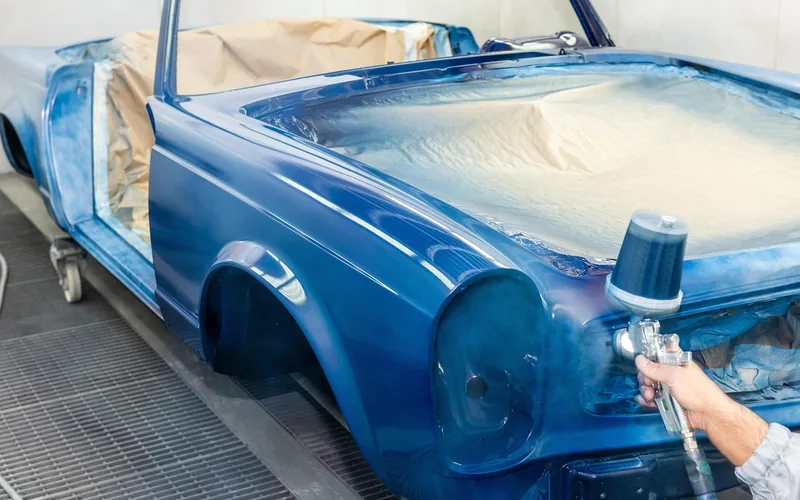
Going to a pro is the way to go if you want a high-quality, long-lasting finish. Professionals have the tools, experience, and controlled environments (like paint booths) to get it right. The cost typically ranges from $300 to $1,000, but it can go over $1,600 for luxury cars or heavy damage. The benefits include:
- Quality: Pros use high-grade paints and techniques for a flawless finish.
- Durability: A professional job can last 5-10 years with proper care.
- Warranty: Many shops offer warranties, so if something goes wrong, you’re covered.
- Time-Saving: You drop off your car and pick it up looking brand new.
The downside? It’s expensive, and you’ll need to shop around to find a reputable place. I always ask to see examples of their work or check online reviews before choosing a shop.
DIY Repaint
A DIY repaint can cost as little as $70-$200 for supplies, but it’s a lot of work and risk. You’ll need paint, primer, sandpaper, masking tape, and tools like a spray gun. Here’s what to consider:
- Cost Savings: You’ll save on labor, but supplies aren’t cheap.
- Learning Curve: Painting is harder than it looks. I messed up my first attempt because I didn’t sand properly.
- Time and Effort: It can take 10-20 hours, especially if you’re new to it.
- Risk of Mistakes: Uneven finishes, overspray, or peeling paint are common if you’re not skilled.
If you’re handy and have a garage with good ventilation, DIY might be worth a try for minor touch-ups. But for a full hood repaint, I’d stick with a pro unless you’re confident in your skills.
“My failed DIY job cost $70 for supplies, but I ended up paying $400 to a pro to fix it — that’s $470 total for a job that would have cost $350-$600 at a mid-range shop the first time.”
Best Hood Touch-Up & Prep Kit Pick
TouchUpDirect Scratch & Chip Putty — Ready-Mixed Body Filler
A ready-to-use filler for sealing small chips and scratches before you decide between a DIY touch-up or a full professional repaint.
- Best for: sealing minor chips before rust sets in, per the Condition of the Hood cost driver above
- Why we picked it: no mixing required, dries fast enough for a same-day minor fix
- Main drawback: only for small chips — not a substitute for sanding out a real dent
Compare more hood prep and repaint supplies
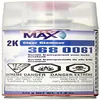 Option 1 SprayMax 2K High Gloss Clearcoat Aerosol
|
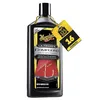 Option 2 Meguiar’s Ultimate Compound
|
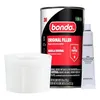 Option 3 Bondo Original Formula Body Filler
|
As an Amazon Associate we earn from qualifying purchases.
Blending: Can You Repaint Just the Hood?
One question I had was whether you can repaint just the hood without it looking out of place. The answer? It depends. If you’re using the car’s original color and the rest of the paint is in good shape, you can often repaint just the hood. But if the rest of the car has faded or you’re using a custom color, blending is crucial.
Blending means painting part of the adjacent panels (like fenders or the bumper) to ensure a seamless color match. This can add $100-$300 to the cost because it requires more paint and labor. I didn’t need blending for my silver car since the factory color matched perfectly, but my friend with a custom red hood had to pay extra for blending to avoid a mismatched look. If the fenders or bumper need work of their own, it’s worth reading up on what it costs to repaint a bumper separately, since blending pricing assumes the adjacent panel is otherwise in good shape.
Why Does Blending Cost Extra for “Just the Hood”?
Paint fades unevenly over years of sun exposure, so a brand-new hood color — even an exact factory-code match — can look slightly off next to sun-faded fenders. Blending fixes this by feathering fresh paint a few inches onto the adjacent panel and buffing the transition until it’s invisible, rather than leaving a hard edge at the hood’s seam. That extra panel work is why a “hood-only” job can end up costing about the same as painting two panels once blending is factored in.
Real-World Cost Examples
To give you a better idea, here are some real-world examples based on my experience and quotes I’ve seen:
- Budget Shop, Minor Scratches: A local shop repainted a Honda Civic hood with acrylic paint for $350. Minimal prep work, no blending.
- Mid-Range Shop, Moderate Damage: My Ford Mustang hood with a dent and scratches cost $600 at a mid-tier shop using enamel paint. Blending wasn’t needed.
- Premium Shop, Luxury Car: A friend’s BMW hood with rust and deep scratches cost $1,200 at a high-end shop using urethane paint and blending.
- DIY Attempt: My failed DIY job cost $70 for supplies, but I ended up paying $400 to a pro to fix it.
These examples show how much prices can vary. Always get multiple quotes and ask for a detailed breakdown of the costs.
Alternatives to Repainting
After my DIY disaster, I looked into alternatives to repainting. Here are a couple of options that might save you money:
- Vinyl Wrap: A vinyl wrap is a film applied over the hood. It costs $200-$500 and can mimic paint finishes like matte or gloss. It’s removable and protects the original paint, but it’s not as durable as paint.
- Paintless Dent Repair: If your hood has dents but the paint is intact, paintless dent repair can fix it for $100-$300. I used this for a small dent, and it saved me from a full repaint.
- Touch-Up Paint: For minor chips, touch-up paint pens cost $10-$30 and can stop small chips from spreading. They’re not perfect but can hide small imperfections.
These options are great if you’re on a budget or don’t need a full repaint. I went with a wrap for a while, and it looked awesome until I could afford a professional paint job.
Tips to Save Money on Repainting Your Car Hood
Repainting a hood can get expensive, but I picked up some tricks to keep costs down:
- Get Multiple Quotes: I got quotes from five shops and saved $200 by choosing a mid-range one with good reviews.
- Stick to the Original Color: This avoids blending and keeps costs lower.
- Fix Small Issues Early: Addressing chips or scratches before they worsen can save you from costly repairs.
- Consider Budget Shops: Just make sure they have good reviews and use decent materials.
- Maintain Your Paint: Regular waxing and parking in a garage can extend the life of your new paint job, saving you from repainting sooner.
Conclusion
Repainting your car hood is a fantastic way to refresh your vehicle’s look, protect it from damage, and even boost its resale value. From my own journey, I’ve learned that the cost can range from $300 to $1,000 for a professional job, depending on factors like paint type, hood condition, and labor rates. While DIY is tempting to save money, it’s risky unless you’re skilled. Alternatives like vinyl wraps or paintless dent repair can be budget-friendly options, but for a lasting, high-quality finish, a professional repaint is hard to beat. By understanding the process and shopping smart, you can get a hood that looks amazing without breaking the bank.
FAQs
How Long Does It Take to Repaint a Car Hood?
It usually takes 1-2 days for a professional shop to repaint a hood. This includes prep work, painting, and drying time. Minor jobs might be done in a day, while extensive repairs could take longer. When I got my hood repainted, the shop had it ready in 24 hours.
Can I Drive My Car Right After Repainting the Hood?
You can usually drive your car once the paint is dry, which takes a few hours. However, the paint needs 30-60 days to fully cure. Avoid washing or waxing during this time to prevent damage. My shop gave me a care sheet with these tips, and it helped keep my paint looking fresh.
Is It Worth Repainting Just the Hood?
Yes, if the rest of your car’s paint is in good condition and you use the original color, repainting just the hood can look seamless. Blending may be needed for custom colors or faded paint, which adds cost. I stuck with my car’s original silver, and it matched perfectly.
How Can I Tell If a Shop Will Do a Good Job?
Check online reviews, ask to see examples of their work, and request a detailed quote. A good shop will explain their process, use quality materials, and offer a warranty. I learned to avoid shops that were vague about their prep work—they often cut corners.
Can I Repaint My Hood a Different Color?
Yes, but it’s more expensive. Custom colors require more paint and often blending with other panels to match. Expect to pay $100-$300 extra. My friend changed their hood to red, and blending cost them an extra $200, but it looked stunning.
Do I Need to Remove PPF or a Vinyl Wrap Before Repainting My Hood?
Yes. Paint protection film or a vinyl wrap must be fully removed before a shop can prep and paint the hood underneath, which typically adds $200-$700 to the job. If the paint under the film was resprayed within the last 6 months, ask the shop to test-remove a small section first — pulling film off a recent respray can lift the new paint along with it.
What’s the Difference Between Single-Stage and Basecoat/Clearcoat Paint?
Single-stage paint has the color and gloss in one sprayed layer and no separate clear coat, making it cheaper and faster to apply. Basecoat/clearcoat uses a color-only base layer sealed under a clear topcoat, which most factory finishes since the late 1980s use — it costs more but is required to correctly match metallic and pearlescent factory colors.
Products related to this article
Sponsored / affiliate links. As an Amazon Associate I earn from qualifying purchases. I may earn additional commission from eligible campaigns.