
How To Fix Gas Gauge On Car
A few years ago, I filled up my old Toyota’s gas tank, only to see the gauge stuck on empty. Talk about panic! I thought I’d be stranded, but I learned how to fix a gas gauge on a car with some simple steps. This article will guide you through fixing your car’s gas gauge, whether you’re a beginner or a car enthusiast. I’ll share easy tips, tools, and mistakes to avoid, all explained like I’m chatting with a young friend.
What Is a Gas Gauge and Why Does It Matter?
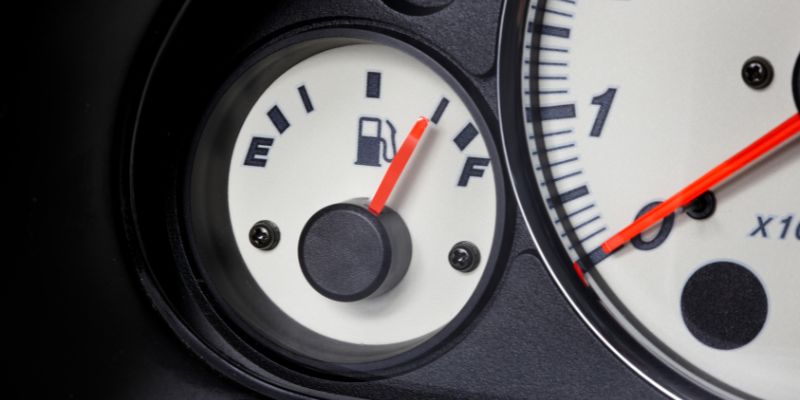
A gas gauge tells you how much fuel is in your car’s tank. It’s like a fuel tracker on your dashboard. If it’s broken, you might run out of gas unexpectedly, which is no fun! The gauge works with a part called the fuel sending unit, a float that measures fuel levels and sends info to the gauge. When it fails, the gauge can show wrong readings, like empty when the tank is full.
Fixing it saves money and keeps you safe. A broken gauge can stress you out, and running out of fuel might damage your car’s fuel pump. Let’s dive into how to fix it!
Common Reasons Your Gas Gauge Stops Working
Before fixing your gauge, you need to know what’s wrong. Here are the top reasons a gas gauge fails, based on my experience and research:
- Bad Fuel Sending Unit: This is the most common issue. The float or resistor in the tank wears out or gets stuck.
- Faulty Wiring: Loose or rusty wires can mess up the signal from the tank to the gauge.
- Blown Fuse: A dead fuse stops the gauge from getting power.
- Broken Gauge: The gauge itself might be faulty, especially in older cars.
- Corrosion or Dirt: Rust or gunk in the tank can block the float.
Each problem has a fix, and I’ll walk you through them step by step.
Tools You’ll Need to Fix Your Gas Gauge
You don’t need a fancy garage to fix a gas gauge. Here’s a simple list of tools I used:
- Multimeter: To test wires and the sending unit (about $20 at AutoZone).
- Screwdriver Set: For removing panels or the gauge cluster.
- Pliers and Wire Brush: To clean corrosion.
- Fuel System Cleaner: A $10 bottle can sometimes fix a sticky float.
- Owner’s Manual: To find your car’s fuse box and self-test steps.
Table 1: Basic Tools for Gas Gauge Repair
| Tool | Cost (Approx.) | Where to Get It |
|---|---|---|
| Multimeter | $20 | AutoZone, Amazon |
| Screwdriver Set | $15 | Home Depot, Walmart |
| Pliers/Wire Brush | $10 | Any hardware store |
| Fuel System Cleaner | $10 | Gas stations, AutoZone |
Caption: These affordable tools make fixing your gas gauge a breeze.
Step-by-Step Guide to Fix Your Gas Gauge
Here’s how I fixed my gas gauge, broken down into easy steps. Always work in a well-ventilated area, away from sparks, since gas fumes can be dangerous.
Step 1: Run the Instrument Cluster Self-Test
Most cars have a self-test for the dashboard gauges. Check your owner’s manual for steps, but it’s usually simple. For my Toyota, I turned the headlights on and off three times, then held the odometer button. The gauge needle should sweep from empty to full. If it doesn’t, the gauge itself might be broken.
Step 2: Check the Fuse
A blown fuse can stop the gauge from working. Find your car’s fuse box (usually under the dashboard or hood) using the owner’s manual. Look for the fuse labeled “gauges” or “instrument cluster.” If it’s blown, replace it with a new one (about $5). Then, test the gauge again.
Step 3: Test the Wiring
Wiring issues are tricky but fixable. Use a multimeter set to 20V DC to check the voltage at the gauge. Pull the instrument cluster out (gently!) and test the wires. You should see about 12 volts. If not, check the ground wire near the fuel tank for rust. Clean it with a wire brush if needed.
Step 4: Inspect the Fuel Sending Unit
The sending unit is often the culprit. It’s in the gas tank, so this step takes more work. You might need to remove the back seat or drop the tank (check your manual). Set your multimeter to ohms, then test the sending unit’s resistance as you move the float. If the resistance doesn’t change, the unit is bad and needs replacing.
Step 5: Try a Fuel System Cleaner
Before replacing parts, try a cheap fix. I poured a bottle of fuel system cleaner into my tank, and it fixed my sticky float! It’s not a miracle, but it’s worth a shot for $10. Drive a few miles and check if the gauge moves.
Step 6: Replace the Gauge or Sending Unit
If nothing works, you may need a new gauge or sending unit. A sending unit costs $50-$200, and a gauge is about $100. I recommend getting an OEM part from a site like RockAuto for quality. If this feels overwhelming, a mechanic can help.
Table 2: Cost Comparison for Parts
| Part | Cost (Approx.) | DIY Difficulty | Where to Buy |
|---|---|---|---|
| Fuse | $5 | Easy | AutoZone, Walmart |
| Sending Unit | $50-$200 | Medium | RockAuto, Amazon |
| Fuel Gauge | $100 | Hard | RockAuto, eBay |
Caption: Compare costs and difficulty to plan your repair.
Benefits and Drawbacks of Fixing Your Gas Gauge
Fixing your gas gauge has big perks. You’ll save money by not running out of gas, which can harm your fuel pump. It also reduces stress—no more guessing your fuel level! The downside? Some repairs, like replacing the sending unit, can be tough and time-consuming. If you’re not comfortable, a mechanic might be worth the cost.
Personal Tips from My Experience
Here are my top tips for fixing a gas gauge:
- Start Simple: Check the fuse and try fuel system cleaner before diving into the tank.
- Stay Safe: Work in a well-ventilated area and avoid sparks near gas.
- Avoid My Mistake: I once ignored a loose ground wire, wasting hours. Always check connections first!
- Use Quality Parts: Cheap aftermarket parts failed me once. Stick with OEM for reliability.
Common Mistakes to Avoid
Don’t make these rookie errors:
- Skipping the Manual: Your car’s manual has specific steps for your model.
- Ignoring Safety: Gas fumes are no joke. Work carefully.
- Rushing the Job: Take your time to avoid breaking delicate parts like the gauge cluster.
Visual Ideas for Better Understanding
To make this easier, imagine these visuals (not included):
- Diagram of a Fuel System: Showing the tank, sending unit, and gauge connection.
- Photo of a Multimeter Test: Highlighting how to check wiring voltage.
- Step-by-Step Chart: A flowchart of the diagnostic process from fuse to sending unit.
These would help beginners see each step clearly.
Frequently Asked Questions
Why Does My Gas Gauge Show Empty When the Tank Is Full?
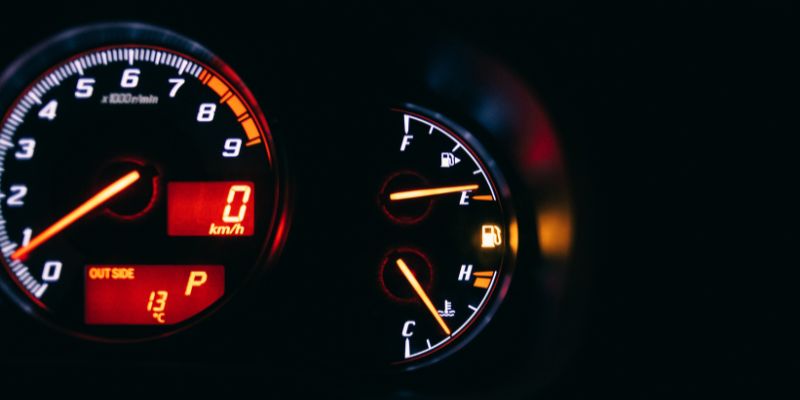
A full tank but an empty gauge usually means a bad fuel sending unit or wiring issue. The float might be stuck, or corrosion could block the signal. Try a fuel system cleaner first, then check wiring with a multimeter.
Can I Drive with a Broken Gas Gauge?
You can, but it’s risky. Track your mileage and tank size to estimate fuel. Check your owner’s manual for your car’s miles-per-gallon and tank capacity. Fill up at 75% of your range to stay safe.
How Much Does It Cost to Fix a Gas Gauge?
Costs range from $5 for a fuse to $200 for a sending unit. DIY saves money, but a mechanic might charge $100-$500 for labor. Compare prices at AutoZone or NAPA.
What If My Gauge Needle Moves Erratically?
Erratic movement often means a sticky float or loose wiring. Try fuel system cleaner to free the float. If that fails, test the wiring or sending unit with a multimeter for resistance changes.
Can a Fuel System Cleaner Really Help?
Yes, sometimes! A $10 cleaner can fix a sticky float caused by gunk. It worked for me once, but it’s not a cure-all. Use it early to avoid bigger repairs.
Is Replacing the Sending Unit Hard?
It’s medium difficulty. You may need to remove the tank or back seat, which takes time. Follow your manual and watch a video on YouTube for your car model.
How Do I Know If the Gauge Itself Is Broken?
Run the self-test in your manual. If the needle doesn’t sweep, the gauge might be faulty. Test voltage with a multimeter. If it’s getting 12 volts but not moving, replace the gauge.
Conclusion
Fixing a gas gauge on a car isn’t as scary as it sounds. Start with simple checks like the fuse or cleaner, then move to wiring or the sending unit. My Toyota’s gauge is now spot-on, and I’ve saved hundreds by doing it myself. Try these steps, and you’ll be cruising worry-free! Share your fix in the comments or ask me for tips. Happy repairing!