How to Fix Heat in a Car: Expert Tips & Solutions
Have you ever found yourself shivering in your car during the winter months, desperately waiting for the heat to kick in? You’re not alone.
The inability to get warm air flowing inside your vehicle can turn even a short drive into a miserable experience. But you don’t have to endure the cold any longer. Understanding how to fix heat in your car can transform your driving experience and bring comfort back to your commute.
Imagine stepping into your car and feeling the immediate warmth envelop you, making every journey cozy and pleasant. You’ll no longer dread those chilly mornings or icy evenings. You’ll discover simple steps and solutions that can quickly restore the heat in your vehicle. Whether you’re dealing with minor issues or more complex problems, we’ll guide you through the process to ensure you can enjoy a warm ride once again. Keep reading to find out how you can make your car a haven of warmth and comfort, no matter the temperature outside.

Credit: universityautoflagstaff.com
Common Car Heating Issues
Heater core problemscan make your car cold. Blocked heater cores stop warm air flow. Rust and dirt are the main culprits. Cleaning or replacing might help.
Thermostat malfunctionsare another issue. A broken thermostat may cause overheating. It can also prevent hot air inside. Check and replace if needed. Thermostats are small but important.
Low coolant levelsaffect heating. Coolant keeps your engine warm. Without enough, heaters won’t work well. Always check coolant levels. Refill when necessary.
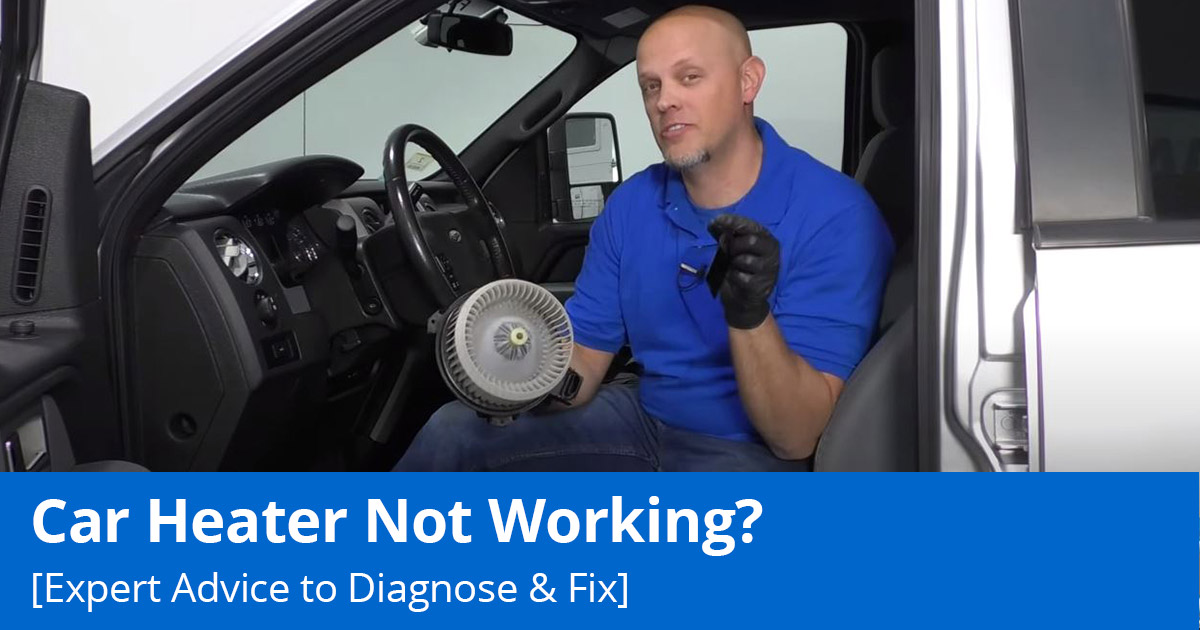
Blower fan failuresstop hot air flow. Fans push warm air into the car. If broken, air won’t move. Listen for strange noises. Replace faulty fans quickly.
Diagnosing Heating Problems
Always keep the coolant at the right level. Low coolant can stop the heater from working. Use a coolant tester to check if the fluid is fresh. If it’s old, change it. Fresh coolant helps the heater work better.
A stuck thermostat can cause no heat. Feel the radiator hose to check. Warm hose means the thermostat works. If it’s cold, the thermostat may be broken. Replace it for better heating.
Clogged heater cores block heat. Check for leaks or blockages. If blocked, flush the core. Ensure the heater core is clean. Clean cores heat better and faster.
The blower fan pushes warm air. If it fails, no air comes out. Listen for the fan when you turn it on. No sound means it needs fixing. Check fuses and replace them if broken.
DIY Heating Fixes
First, locate the thermostat in your car engine. Remove the old one carefully. Ensure the new thermostat fits properly. Tighten the bolts securely. This will help regulate engine heat.
Check the coolant level in the radiator. Open the cap slowly. Pour the coolant into the tank. Ensure it reaches the marked level. Close the cap tightly. This prevents overheating.
Locate the heater core under the dashboard. Use a soft brush to remove dirt. Blow air through it to clear blockages. This will improve air flow and heating. Be gentle to avoid damage.
Find the blower fan near the dashboard. Check for any loose wires. Tighten them if needed. Spin the fan to ensure smooth movement. This helps circulate warm air inside.

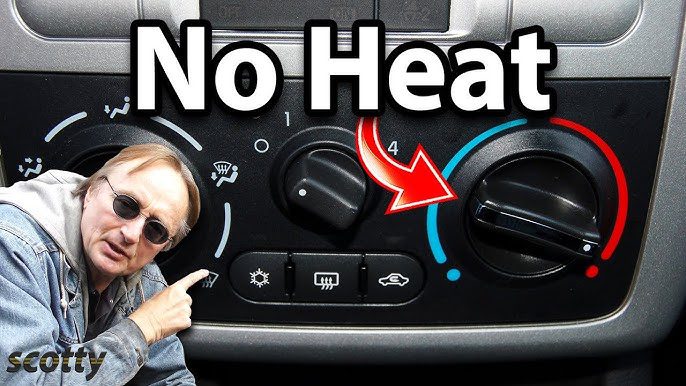
Credit: m.youtube.com
When To Seek Professional Help
The heater core helps warm the car. Leaks can happen in it. The car may get foggy or smell strange. Fixing this can be tricky. A mechanic can help.
The blower fan moves warm air. If it stops, the car stays cold. Strange noises might come from it. Sometimes, it runs but doesn’t blow air. A pro can make it work again.
The car’s electrical system is very important. It helps the heater work. Wires might get loose or break. The switches can stop working. An expert knows how to fix them. They have the right tools. They make sure everything works right.
Preventative Maintenance Tips
Check the coolant levelevery month. Low coolant causes engine heat. Add coolant if it’s low. Use the right type for your car.
Inspect the thermostattwice a year. A broken thermostat leads to overheating. Replace it if it’s stuck or damaged.
Clean the heater coreevery year. Dirt blocks heat flow. Flush it with water to remove dirt. This improves heat in the car.
Service the blower fanregularly. A faulty fan can’t blow hot air well. Check for loose wires or broken blades. Fix them to ensure proper air flow.
Credit: blog.1aauto.com
Frequently Asked Questions
Why Is My Car Heater Not Working?
A car heater may fail due to thermostat issues or coolant problems. Check if the thermostat is stuck or the coolant level is low. Both are common causes for heater malfunctions. Inspecting these components can help determine the problem and find a solution.
How Do I Check My Car’s Thermostat?
To check your car’s thermostat, start with a cold engine. Remove the radiator cap and start the engine. Look for coolant flow. If it doesn’t flow, the thermostat might be stuck. Consider replacing it to ensure proper engine temperature regulation.
Can Low Coolant Cause Heating Issues?
Yes, low coolant can lead to heating issues. Coolant helps transfer heat from the engine to the heater core. Without enough coolant, the heater can’t produce warm air. Regularly check and refill coolant to maintain proper heating performance.
Is A Clogged Heater Core Fixable?
A clogged heater core can be fixed by flushing it. Remove the heater hoses and use a hose to flush water through the core. This helps clear debris and restores heat flow. If flushing doesn’t work, consider replacing the heater core.
Conclusion
Fixing car heat issues can be simple with the right steps. Regular maintenance checks help keep your car’s heating system working well. Always inspect the thermostat and coolant levels first. These are common problem areas. Check the heater core for clogs or leaks.
It can cause poor heating. Ensure air vents are clear for proper airflow. Sometimes, the blower motor might need replacement. Don’t wait too long to address heating problems. Early fixes prevent bigger issues. A warm car ensures comfort and safety in cold weather.
Follow these tips and enjoy a cozy drive.