How to Open a Car Hood With a Broken Latch (Latch vs. Cable)
If the hood release lever moves but the hood stays shut, the failed part is either the cable or the latch itself, and the safe next step is different for each. The two Nissan hood latch recall bulletins we read show how a latch fails: dirt and corrosion bind the pivot, and the latch stops letting go or stops holding. This page helps you tell a latch failure from a cable failure, explains what the makers say about latch care, and sets the limits for when to stop and call a professional.
Identifying A Broken Latch
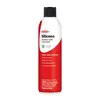 |
Best Latch and Hinge Lube Pick DuPont Silicone Surface Safe Lubricant, 14 oz Aerosol This will not open a hood that is already stuck shut. It is for the maintenance step the maker manuals describe: cleaning and lubricating a hood latch and its hinges once you can reach them.
|
As an Amazon Associate we earn from qualifying purchases. Spec-based pick from the listing, not a hands-on test.
A “broken latch” usually means one of four different faults, and the symptom at the lever is the first clue. If the lever pulls with no resistance and nothing happens at the front of the car, the cable has probably come off or snapped. If the lever has its normal spring and the hood still will not rise, the latch mechanism or its striker is the more likely cause. A hood that lifts a little and then stops is usually held by the secondary latch, which is a separate safety catch released by hand at the front.
The reason to separate these faults is that the safe fix is different. A cable problem is a pulling and routing problem. A latch problem is a corrosion, binding or alignment problem. Forcing a hood in the wrong place can bend the hood skin, crack paint, or damage the cooling parts and wiring behind the grille, so the diagnosis comes first and the force never does.
Is It the Latch Pawl or the Release Cable? How to Tell
The table below turns that decision into a short checklist. It is built from the failure descriptions in the two Nissan campaign bulletins and the Mazda owner’s manual lubrication page that we read, plus basic mechanical reasoning. “Pro” means a mobile mechanic, a repair shop or the maker’s dealer.
| Failure | What you notice | What it likely means | Safe action | Pro? |
|---|---|---|---|---|
| Cable snapped or detached at the handle | Lever moves with almost no resistance, nothing happens at the front | The pull is not reaching the latch | Stop pulling hard; do not drive if the hood is not fully latched | Yes |
| Cable stretched or sticking in its sheath | Lever feels stiff, springs back slowly, or works only some days | Friction or wear in the cable path | Avoid yanking the lever; arrange a cable replacement before it fails fully | Yes |
| Primary latch seized or corroded | Lever has normal resistance, but the hood stays shut | Dirt or rust is binding the latch moving parts | If the hood opens at all, clean and lubricate as your manual says | If it still binds |
| Secondary latch binding | Hood rises a little, then the safety catch will not release or will not hold | Contamination on the secondary lever pivot | Check the lever moves freely; clean and lubricate per the manual | If it does not move freely |
| Striker or hood alignment off | Hood sits uneven or will not click shut after a bump or repair | The striker and latch no longer meet cleanly | Do not slam or press the hood down repeatedly | Yes |
A helper makes the first test simple and safe. With the hood still closed, have one person pull the interior lever while the other listens and watches near the front of the car for any movement or click. A clear click means the cable is working and the problem sits at the latch or the secondary catch. Complete silence points back to the cable. If your car has a second catch, our guide to finding and releasing the secondary hood latch covers where makers put it. For a snapped cable specifically, see opening a car hood with a broken cable.
What the Maker Documents Say About Hood Latch Failure
Most “broken latch” advice online is forum folklore. These are the documents we actually read for this page, and what each one tells you.
| Source | Vehicles | What it says | What it means for you |
|---|---|---|---|
| Nissan campaign bulletin R20A7 (June 2, 2020) | 2013 to 2018 Altima, 1,831,818 vehicles | Build-up from driving with the primary latch disengaged lets corrosive contaminants reach the latch assembly; with poor secondary latch upkeep it can bind and stay open | A latch that is dirty and never maintained can stop doing its job in either direction |
| Nissan campaign bulletin R22A2 (June 24, 2022) | 2013 to 2016 Pathfinder, 282,671 vehicles | Dirt on the secondary release lever pivot can scratch its anti-corrosion coating and bind it; the hood may then open without warning and block the driver’s view | The risk is not only a hood that will not open, but one that will not stay closed |
| Mazda CX-5 owner’s manual, Body Lubrication page | Mazda CX-5 (model year per the manual we opened) | Lubricate body moving points such as hood hinges and locks at each oil change; use a nonfreezing lubricant on locks in cold weather; confirm the secondary latch holds the hood when the primary is released | Routine lubrication and a simple secondary-latch check are part of normal maintenance |
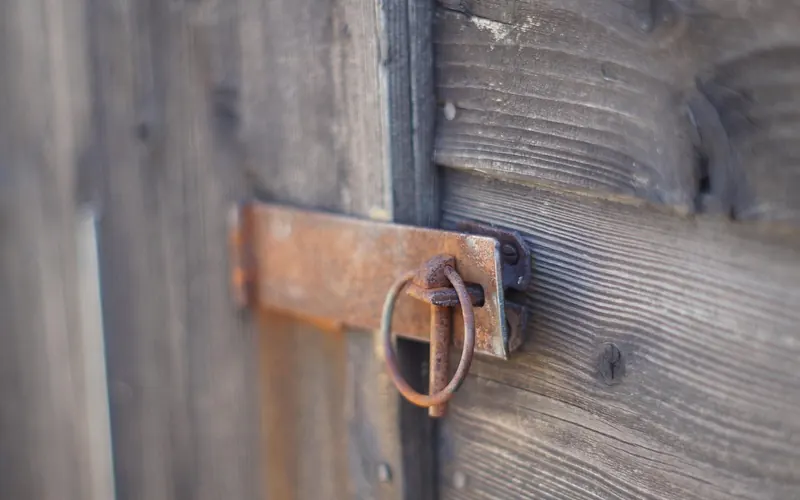
Two points matter here. First, the Nissan bulletins are model-specific, so they do not prove that your car has the same fault. They do show the failure pattern a maker has documented: contamination, then binding, then corrosion. Second, the same bulletins describe the remedy in two steps. The owner inspects the hood lock and secondary latch for sticking and, if both move freely, cleans and lubricates them as the owner’s manual describes. If either does not move freely, the car goes to a dealer, who cleans and conditions the parts or replaces them.
Hood Release Lever Broken or Cable Snapped: Your Real Options
Searchers often want a way to trip the latch through the grille or from underneath. This page does not give those steps. In the owner’s manuals and maker documents we read, none describes a prying, hooking or cutting method for a hood whose latch or cable has failed. Without a maker procedure, we cannot say what sits behind your grille, how much force the latch tolerates, or what a screwdriver or wire might hit, including the radiator, the horn, the hood-ajar switch wiring or the air conditioning condenser.
What the makers do publish is more modest and more useful. Their manuals describe the interior lever, the secondary latch at the front, the support rod, and routine lubrication. If your lever works but the hood only rises a little, that is the secondary catch, and our guide to the secondary latch covers it. If the lever itself is dead, you have two sensible options:
- Mobile mechanic: comes to the car, which matters if the hood is closed and the car is otherwise drivable. They bring the tools and the experience to work on a latch safely.
- Dealer or repair shop: the better route if the car is under a recall or warranty, or if you need the maker’s service procedure for your exact model.
Before you book either, run your VIN through the NHTSA recall lookup, because a documented hood latch recall can mean the repair is free. Use the NHTSA recall lookup with the 17-character VIN from your dashboard or door jamb.
What to Do About an Unlatched Hood
An unlatched hood is a safety problem, not a cosmetic one. The R22A2 bulletin says that when the secondary latch fails to hold, the hood may open without warning and obstruct the driver’s forward view, increasing the risk of a crash. The R20A7 bulletin describes the owner reminder as making sure the hood is fully closed before driving.
Our own rule, which we flag for human review, is simple: if the hood is not clearly latched, do not drive the car. A bungee cord or rope is not a repair, because it can slip, can rub paint, and does not restore the safety catch. Choose a tow or a mobile mechanic instead. If the hood sits fully closed but the latch is suspect, do not test it on the road. Press gently on the front corners of the hood to see whether it feels solid and level, and have the latch checked before the next trip.
Stop and call for help if the hood sits uneven, moves when you press its center, shows daylight at the front edge, or keeps the hood-ajar warning lit after you close it. Do not slam the hood repeatedly to seat it, because that can bend the striker or the hood skin.
Latch Care That Prevents the Next Failure
Prevention is the part the makers actually document. The Mazda manual lubricates hood hinges and locks each time the oil is changed, and uses a nonfreezing lubricant on locks in cold weather. The Nissan bulletins tell owners to inspect the hood lock and secondary latch for sticking and to follow the owner’s manual maintenance steps. The common thread is a short routine, repeated on a schedule, rather than a repair after the latch seizes.
- Open the hood and look first: check the latch, the secondary lever and the striker for dirt, rust or a stuck lever.
- Move the parts by hand: the secondary lever should move freely and spring back. If it sticks, the bulletins tell owners to go to a dealer.
- Clean before you lubricate: wipe away grit so you do not turn it into paste.
- Lubricate with what your manual names: use a nonfreezing lubricant on locks if your manual says so, and keep it off paint and brake or belt parts.
- Test the secondary catch: close the hood fully, release the primary latch, and confirm the secondary latch holds the hood, as the Mazda manual describes.
One more habit is worth adding. The R20A7 bulletin ties part of the Altima problem to driving with the primary latch disengaged, which lets contaminants reach the latch assembly. Always confirm the hood has fully latched after any service or fluid top-up, and never drive while relying on the secondary catch alone. If you disconnect the battery during service, our guide to removing electrical connectors safely explains the order and the safe habits.
How a Latch Replacement Works (and Why It Is a Shop Job)
The bulletins give a useful outline of what a dealer does. For the Pathfinder campaign, the dealer inspects the hood lock and the secondary latch. If they work properly, the dealer cleans and conditions them with lubricant. If either does not function properly, the hood lock assembly and the secondary latch crank are replaced. Those are parts the campaign lists by part number, which shows that on that vehicle the latch is a replaceable assembly, not something to patch.
For your own car, the procedure follows the maker’s service information, which is why we do not publish a step-by-step. A shop works from that information and then checks that the hood closes level and the safety catch holds. Costs vary widely by vehicle, region and shop, and we have no named, dated cost source, so we do not quote a price. Ask for a written estimate that separates the cable, the latch, and labor, and ask whether the car is covered by a recall before you pay.
Seeking Professional Help
Call a professional when the hood will not open from the lever, when the safety catch does not hold, when the hood sits uneven, or when anything about the latch feels loose. Say plainly whether the hood is stuck closed or will not stay closed, because the two have different urgency. Mention the symptom at the lever, because it tells the technician whether to look at the cable first or the latch.
Do not pay for a repair before you have checked for a recall. A free recall repair is better than a paid one, and the Nissan bulletins show that dealers have replaced latch parts at no charge under a campaign. Keep the repair order, because a hood that opened while driving can also leave body damage, and the R22A2 bulletin notes that pre-approval is required before body repairs in that campaign.
Frequently Asked Questions
How do I open a car hood with a broken latch?
We do not publish a prying or wire method, because no maker document we read describes one. If the lever is dead, call a mobile mechanic or a dealer. If the hood rises a little and stops, that is the secondary latch, which you release by hand at the front.
Is it safe to drive with a broken hood latch?
No, not if the hood is not clearly latched. Nissan’s recall bulletins say a hood that does not stay latched may open without warning and block the driver’s view. Have the car towed or repaired where it sits, and check your VIN for a recall first.
Can I fix a broken hood latch myself?
Only the maintenance part. Your owner’s manual may describe cleaning and lubricating the latch and secondary lever. Replacing a latch or cable follows the maker’s service procedure, so it is a job for a shop. Check alignment and the secondary catch afterward.
Can I lubricate a stuck hood latch to free it?
Only if you can reach it and your manual allows it. The Mazda manual calls for lubricating hood hinges and locks at each oil change, with a nonfreezing lubricant on locks in cold weather. Do not spray solvents into the release mechanism unless the maker says to.
Final Thoughts
Work out whether the cable or the latch failed, never drive with a hood that is not clearly latched, and lean on the maker documents and a professional rather than on prying tricks. A short lubrication routine is the cheapest protection.
Products related to this article
Sponsored / affiliate links. As an Amazon Associate I earn from qualifying purchases. I may earn additional commission from eligible campaigns.