How To Fix The Temperature Gauge On Your Car (Step-By-Step)
Your car’s temperature gauge can be fixed by checking the coolant level, inspecting the thermostat, testing the temperature sensor, examining the radiator fan, and verifying the gauge cluster itself. Understanding these components helps pinpoint the issue and restore accurate engine temperature readings.
Understanding Your Car’s Temperature Gauge
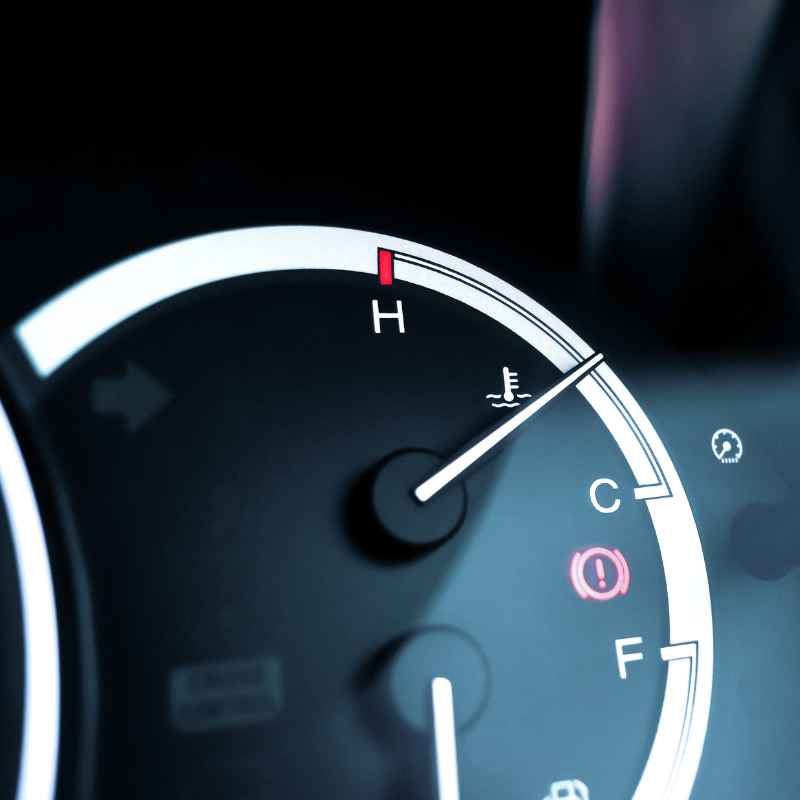
Your car’s temperature gauge is a vital dashboard instrument. It tells you how hot your engine is running. It’s a simple needle or digital readout.
It usually sits near your speedometer. This gauge protects your engine. Engines work best within a certain heat range.
Too hot, and damage can occur. Too cold, and they run poorly. They also use more fuel.
The gauge gets its information from a sensor. This sensor is usually near the engine’s thermostat. It measures the coolant temperature.
Coolant flows through the engine. It picks up heat. Then it goes to the radiator.
The radiator cools the coolant. This cycle keeps the engine at the right heat.
When the gauge shows a problem, it’s a signal. It might be the gauge itself. It could be the sensor.
Or it might be something in the cooling system. This system includes the coolant, thermostat, radiator, and fan.
Common Temperature Gauge Problems
Drivers often see a few typical issues. The needle might jump erratically. It could stick at hot.
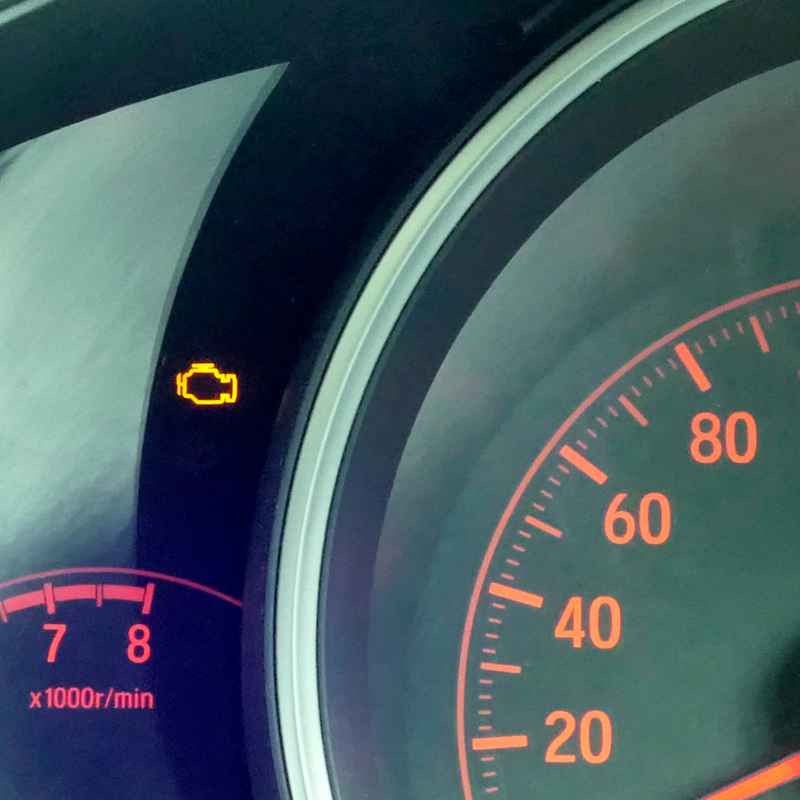
Or it might not move from cold. Sometimes, the warning light flashes. This light is often red.
It means serious overheating. Ignoring these signs can lead to big repairs.
Let’s look at the most frequent problems people encounter. They can happen in any car. Older cars and newer cars alike can have these issues.
It’s good to know what to watch for. This helps you act fast.
Personal Experience: The Day My Gauge Froze
I remember one crisp autumn morning. I was heading to an early meeting. The air was cool, maybe around 40 degrees Fahrenheit.
I started my old sedan. Everything seemed normal. I backed out of the driveway.
I was listening to the radio. Then I glanced at my dashboard. My eyes landed on the temperature gauge.
It was still pointing to the lowest mark. It looked like it hadn’t moved at all. This was odd.
Normally, it would start to climb within a few minutes.
A wave of unease washed over me. I thought, “Is the engine okay?” I pictured my engine seizing up. I felt a bit of panic.
I tapped the dashboard gently. Nothing changed. I kept driving.
The heater wasn’t blowing warm air either. That confirmed it. The engine was not warming up.
I decided to pull over. I didn’t want to risk further damage. I called a friend who knows cars.
He told me to check the thermostat. That was the likely culprit. It was stuck open.
The engine never got hot enough. It was a simple fix, but that initial worry was real.
Why Is My Car Temperature Gauge Reading High?
A high reading on your temperature gauge is a warning. It means your engine is getting too hot. This is called overheating.
Overheating can cause severe engine damage. It can warp engine parts. It can even lead to a blown head gasket.
You must address this quickly.
Several things can cause a high reading. The most common is a low coolant level. Coolant is what keeps the engine cool.
If there isn’t enough, the system can’t work. You might have a coolant leak. Check under your car for puddles.
Look for a sweet smell, too. That often signals a coolant leak.
Another cause is a faulty thermostat. The thermostat acts like a gate. It opens when the engine is hot.
This lets coolant flow to the radiator. If it’s stuck shut, coolant can’t flow. The engine overheats quickly.
A clogged radiator can also cause this. Debris can block the radiator’s fins. This stops air from cooling the coolant.
The cooling fan might not be working either. This fan pushes air through the radiator. If it’s broken, cooling is much less effective.
Common Causes of Overheating
Low Coolant: Not enough fluid to absorb engine heat.
Thermostat Failure: Stuck closed, blocking coolant flow.
Radiator Issues: Clogged fins or internal blockages.
Cooling Fan Malfunction: Not turning on or not spinning fast enough.
Water Pump Problems: Not circulating coolant effectively.
Leaking Hoses: Coolant escapes the system.
Why Is My Car Temperature Gauge Reading Low?
A low reading is less common than a high one. But it’s still a sign something is off. If the gauge stays on cold, your engine isn’t warming up.
This is bad for fuel economy. It can also make your heater blow cold air.
The most frequent culprit here is a faulty thermostat. Remember that gate? If it’s stuck open, coolant flows all the time.
The engine never reaches its ideal operating heat. This is what happened in my personal story.
A failing temperature sensor can also give a false low reading. The sensor might be sending wrong information to the gauge. Or the wiring to the sensor could be damaged.
Sometimes, the gauge cluster itself has a problem. This is less common.
If your car is always running cold, get it checked. It impacts performance and wear. It’s not just about comfort.
Why Does My Car Temperature Gauge Jump Around?
A temperature gauge that bounces erratically is confusing. It might go from cold to hot quickly. Then it might drop back down.
This usually points to an electrical issue. It could be a loose connection.
Often, this happens because of a bad temperature sensor. The sensor might be failing. Or the connection to it is loose or corroded.
Dirt and grime can get into electrical connectors. This prevents a good signal.
Another possibility is a problem with the wiring. A wire might be frayed. It could be rubbing against the engine block.
This can cause intermittent signals. The gauge cluster could also have an internal issue. This is a good time to have a mechanic look at it.
Step-by-Step: How to Fix Your Car’s Temperature Gauge
Fixing a faulty temperature gauge involves a process of elimination. You’ll check the most likely causes first. You’ll need a few basic tools.
Safety is key. Always work on a cool engine.
Step 1: Check the Coolant Level
This is the first and easiest step. Open your hood when the engine is cold. Find the coolant reservoir.
It’s usually a translucent plastic tank. It has “MIN” and “MAX” lines. Make sure the coolant is between these lines.
If it’s low, add the correct type of coolant. Check your owner’s manual for the right type. Never mix coolant types.
Add coolant slowly. If it drains quickly, you have a leak. You’ll need to find and fix that leak.
Coolant Check Quick Guide
- Engine MUST be COLD.
- Locate the coolant reservoir.
- Check the fluid level against MIN/MAX marks.
- If low, add correct coolant type.
- Watch for leaks under the car.
Step 2: Inspect the Thermostat
The thermostat is usually located where the upper radiator hose meets the engine. You might need to remove the hose. This can be messy.
Have a drain pan ready.
Once you get the thermostat out, you can test it. Place it in a pot of water. Heat the water on a stove.
Watch the thermostat. It should start to open at a specific temperature. This temperature is usually printed on the thermostat.
If it doesn’t open, or opens too late, it’s bad.
When replacing it, always use a new gasket. Make sure the mating surfaces are clean. Refill the cooling system with the proper coolant mixture.
Step 3: Test the Temperature Sensor
The coolant temperature sensor is crucial. It tells the gauge what’s happening. It’s usually screwed into the engine block.
Look for a wire connected to it. You might need a socket wrench to remove it.
To test it, you’ll need a multimeter. First, check the resistance of the sensor. Compare it to your car’s service manual specifications.
This resistance changes with temperature. Then, check the wiring. Ensure there’s continuity.
Make sure there are no breaks.
If the sensor is bad, replace it. Get the correct part number for your vehicle. Again, clean the area where it screws in.
Hand-tighten it first, then use a wrench. Reconnect the wire harness.
Temperature Sensor Test Steps
1. Locate Sensor: Find it on the engine block, near thermostat housing.
2. Disconnect Wire: Carefully unplug the electrical connector.
3. Check Resistance: Use a multimeter set to ohms. Measure across sensor terminals.
Compare to specs.
4. Check Wiring: Test for continuity in the wire harness leading to the gauge.
5. Replace if Bad: Install a new sensor if readings are off.
Step 4: Examine the Radiator Fan
The radiator fan helps cool the engine. Especially when the car is stopped or moving slowly. If your car overheats in traffic, the fan is a prime suspect.
You can often test the fan manually. With the engine running and at operating temperature, the fan should turn on. Sometimes, you can trigger it by turning on the air conditioning.
If it doesn’t come on, check the fan motor. Also, check the fan relay and fuse. A mechanic can diagnose fan issues quickly.
A damaged fan shroud can also reduce efficiency. Make sure it’s in place.
Step 5: Verify the Gauge Cluster
If all else fails, the problem might be within the dashboard itself. The gauge cluster contains the actual temperature gauge. This is a more complex repair.
You might need to remove the dashboard trim to access the cluster. Then, you can check the wiring going to the gauge. Sometimes, a specific gauge can be replaced.
But often, the entire cluster needs service or replacement. This is a job best left to a professional auto electrician.
Remember, a faulty gauge can also be caused by issues further down the line. It’s important to rule out the sensor, thermostat, and coolant system first. They are much more common causes.
Real-World Contexts and Scenarios
Think about where and when these problems usually show up. A low coolant level is often discovered during routine checks. Or after you notice a puddle under your car.
It might be a slow, constant drip from a hose connection. This can go unnoticed for weeks.
A stuck thermostat is notorious for causing quick overheating. You might be driving on the highway. Suddenly, the needle shoots up.
The engine warning light comes on. This is an emergency. You need to pull over safely.
The radiator fan failing often becomes obvious in stop-and-go traffic. You’re sitting at a red light. The temperature climbs.
As soon as you start moving again, it drops. This pattern strongly suggests a fan issue.
Electrical problems, like a jumping gauge, can be frustrating. They might seem random. They can happen on a hot day or a cold day.
They might even seem to fix themselves for a while. This makes them hard to diagnose.
Common Scenarios & Likely Causes
Scenario: Car overheats in traffic, cools down when moving.
Likely Cause: Radiator fan not working.
Scenario: Gauge reads normal, but heater blows cold air.
Likely Cause: Thermostat stuck open.
Scenario: Temperature gauge needle bounces erratically.
Likely Cause: Faulty temperature sensor or wiring.
Scenario: Engine overheats very quickly, steam from under hood.
Likely Cause: Major coolant leak or stuck thermostat.
What This Means for You and Your Car
If your temperature gauge is acting up, don’t ignore it. It’s your car’s way of telling you something needs attention. Even a seemingly minor issue can lead to major engine damage if left unchecked.
When is it normal? The gauge should settle in the middle range. It should stay there during normal driving. It might creep up a little in very hot weather or going uphill.
It might dip slightly when the heater is on full blast. These are usually normal variations.
When should you worry? You should worry if the needle goes into the red zone. You should worry if it stays there. You should worry if it constantly jumps around.
You should also worry if the engine warning light comes on. Any time the temperature reading seems unusual, pay attention.
Simple checks you can do: Regularly check your coolant level. Look for any signs of leaks. Listen for unusual noises from the engine.
Watch the gauge as you drive. Note any strange behavior. These simple habits can save you a lot of trouble.
Quick Fixes and Tips
While major repairs require a mechanic, some minor issues can be addressed with simple tips. These are not always permanent fixes. But they can help you manage the situation.
For Overheating: If you see the needle climb into the red, turn off your engine immediately. Do not try to open the radiator cap. It’s under pressure and extremely hot.
Let the engine cool down completely. Once cool, check the coolant level. If it’s very low, you can add water in an emergency.
But get it to a mechanic soon. Turning on the heater to full blast can sometimes help draw a little heat away from the engine. This is a temporary measure.
For Low Readings: If your engine isn’t warming up, and you suspect a stuck-open thermostat, the fix is usually replacement. There isn’t much you can do temporarily. Driving an engine that’s too cold is not good for it.
It uses more gas and causes more wear over time.
For Gauge Fluctuations: Sometimes, a loose electrical connection can be cleaned or tightened. This might involve carefully disconnecting the battery. Then, checking and re-seating connectors to the sensor or gauge.
If you’re not comfortable with electrical work, leave this to a pro. Sometimes, just wiggling a wire harness can make a temporary difference, indicating a loose connection.
Management Tips
- Overheating: Turn off engine, let cool, check coolant (add water if urgent).
- Low Gauge: Avoid long drives, get thermostat checked.
- Jumping Gauge: Wiggle wires (carefully!) to check connections.
- Regular Checks: Look under car for leaks, check coolant when cold.
Frequently Asked Questions About Car Temperature Gauges
What is the normal temperature for a car engine?
Most car engines operate between 195 and 220 degrees Fahrenheit (90 to 104 degrees Celsius). Your temperature gauge should normally sit around the middle of its range once the engine is fully warmed up.
Can I drive my car if the temperature gauge is in the red?
No, you should not drive your car if the temperature gauge is in the red zone. This indicates severe overheating. Continuing to drive can cause catastrophic engine damage, leading to very expensive repairs.
How often should I check my car’s coolant level?
It’s a good practice to check your coolant level at least once a month. You should also check it before any long road trip. Always check when the engine is cold to avoid burns.
What type of coolant should I use?
You should use the specific type of coolant recommended in your car’s owner’s manual. Different cars use different coolant formulations (e.g., green, orange, pink). Using the wrong type can cause corrosion and damage to your cooling system.
Is it okay to use water instead of coolant?
In an emergency, you can use plain water to top off your coolant if you are overheating and have no coolant available. However, this is only a temporary fix. Water does not protect against freezing or boiling as well as coolant.
It also lacks the anti-corrosion additives that coolant provides. You should have the system flushed and refilled with the proper coolant mixture as soon as possible.
How much does it cost to fix a temperature gauge problem?
The cost can vary widely. Topping off coolant might be free if you do it yourself. Replacing a thermostat can cost between $100 and $250.
Replacing a temperature sensor might cost $75 to $200. Radiator fan replacement can range from $300 to $700. Replacing the entire gauge cluster is often the most expensive, potentially costing $500 or more.
Getting an accurate quote from a mechanic is best.
Conclusion
Your car’s temperature gauge is more than just a dial. It’s a critical indicator of your engine’s health. Understanding the common issues can save you from costly repairs.
By following these steps, you can diagnose many problems yourself. And you’ll know when to call in a professional. Keep an eye on that gauge.
Your engine will thank you for it.
Products related to this article
Sponsored / affiliate links. As an Amazon Associate I earn from qualifying purchases. I may earn additional commission from eligible campaigns.