How to Know if Your Engine is Blown: Local Repair Costs
Figuring out if your car’s engine is truly kaput can feel like a puzzle, especially when you’re worried about the price tag for repairs. Lots of folks find themselves scratching their heads, wondering what the signs are and how much it might cost to fix. It’s a big worry!
But don’t stress. We’ve got a simple guide to help you understand what’s happening and get a handle on those costs. We’ll walk you through it step-by-step so you can feel more confident.
Understanding Engine Problems and Repair Costs
When your car starts acting up in strange ways, it’s natural to worry about your engine. Sometimes, a problem is just a small fix, but other times, it might mean the engine itself is seriously damaged. This section will help you spot the warning signs that point towards a blown engine.
We’ll also talk about why getting a clear picture of How to Know if Your Engine is Blown: Local Repair Costs is so important for your budget and your peace of mind. Knowing what to look for means you can get help faster and avoid bigger headaches down the road.
Common Signs of a Blown Engine
A blown engine doesn’t usually sneak up on you quietly. It often makes its presence known through a series of alarming symptoms. These signs are your car’s way of telling you something is seriously wrong and needs immediate attention.
Ignoring them can lead to more extensive damage and higher repair bills.
Excessive Smoke from the Exhaust.
When your engine is in trouble, you might see unusual amounts of smoke coming from your tailpipe. White smoke could mean coolant is leaking into the combustion chamber, often a sign of a cracked cylinder head or blown head gasket. Blue smoke usually indicates that oil is burning, which can happen if piston rings are worn or cylinder walls are damaged. Black smoke often signals that your engine is burning too much fuel.
Strange Noises While Driving.
Unusual sounds are a major red flag. Knocking or pinging noises, especially under acceleration, can indicate problems with combustion timing or internal engine damage like rod knock. A loud banging or clattering sound suggests something more severe, possibly a connecting rod breaking free or a piston failing. Grinding noises might point to issues with components like the timing chain or oil pump.
Loss of Power or Performance.
If your car suddenly feels sluggish, struggles to accelerate, or can’t maintain speed, it could be a sign of internal engine damage. This loss of power happens when the engine can no longer generate the expected force due to compromised seals, damaged pistons, or other internal failures. It’s like your engine is struggling to breathe or push with its usual strength.
Overheating Issues.
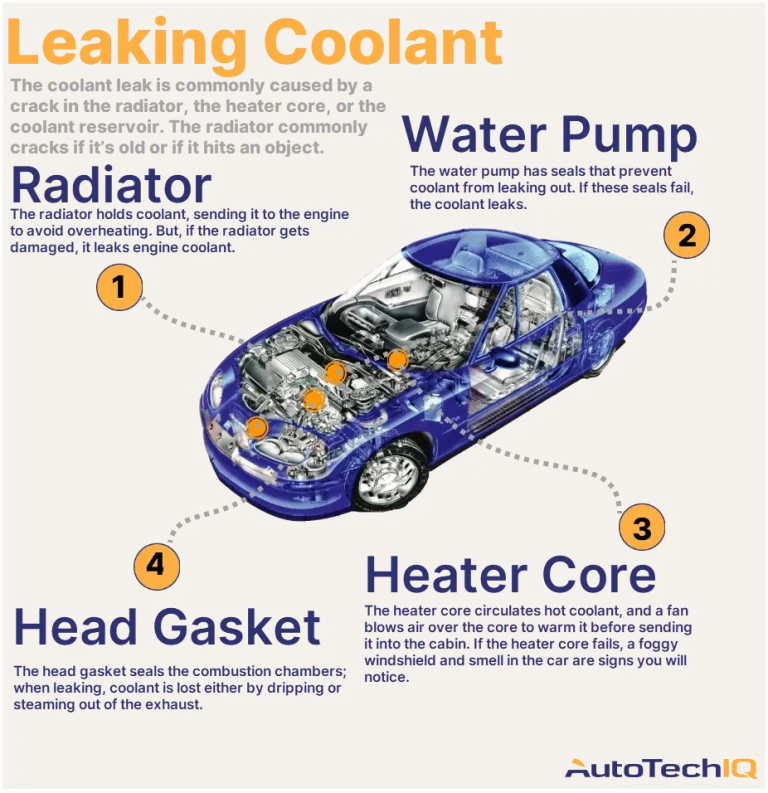
While overheating can stem from various cooling system problems, a blown engine can cause or be a result of severe overheating. A cracked engine block or cylinder head can allow coolant to escape or mix with oil, leading to rapid temperature spikes. If your temperature gauge consistently stays in the red zone despite addressing coolant levels and fans, the engine itself might be the culprit.
Oil or Coolant Leaks.
Visible puddles of oil or coolant under your car are never a good sign. When engine seals fail, gaskets blow, or the engine block cracks, these vital fluids can escape. Significant leaks mean the engine isn’t properly contained, leading to internal damage from lack of lubrication or overheating from coolant loss.
Understanding Engine Failure Causes
Engines are complex machines, and several factors can contribute to their failure. Understanding these causes can help you maintain your vehicle better and potentially avoid catastrophic damage. It’s usually a combination of wear and tear, lack of maintenance, or sudden, severe stress that leads to a blown engine.
Lack of Regular Maintenance.
This is perhaps the most common reason for engine problems. Overdue oil changes mean the engine’s moving parts aren’t properly lubricated, leading to increased friction and heat. This wear and tear can eventually cause components to seize or break. Ignoring other scheduled maintenance like filter replacements or coolant flushes also contributes to an unhealthy engine.
Overheating.
As mentioned, overheating is a major enemy of engines. If the cooling system fails or is neglected, engine temperatures can rise to extreme levels. This heat can warp metal components, such as cylinder heads and engine blocks, leading to cracks and leaks. A severely overheated engine can seize up, causing catastrophic internal damage.
Low Oil Levels or Poor Oil Quality.
Oil is the lifeblood of your engine, lubricating moving parts and dissipating heat. Running the engine with too little oil, or with old, degraded oil, drastically increases friction. This can lead to overheating, premature wear, and eventual component failure, such as seized bearings or damaged pistons.
Driving Habits.
Aggressive driving, such as frequent hard acceleration and braking, or consistently redlining the engine, puts immense stress on engine components. While engines are built to withstand some strain, constant abuse can accelerate wear and tear, making them more susceptible to failure over time. Driving with an engine already making strange noises or showing other symptoms exacerbates the risk.
Manufacturing Defects or Wear and Tear.
Sometimes, despite best efforts, an engine can fail due to a hidden manufacturing defect. More commonly, with age and high mileage, components naturally wear out. Piston rings can lose their seal, bearings can become loose, and gaskets can degrade, all of which can eventually lead to a complete engine failure if not addressed.
Estimating Local Repair Costs for Blown Engines
When you suspect your engine is blown, one of the biggest concerns is how much it will cost to fix. The price can vary wildly based on your location, the specific car model, and the extent of the damage. This section aims to give you a realistic idea of what you might expect to pay for parts and labor in your area.
Understanding these figures helps you plan and make informed decisions.
Factors Influencing Repair Costs
The cost to repair or replace a blown engine isn’t a fixed number. Several elements play a significant role in determining the final bill. Being aware of these factors can help you understand quotes you receive and ask the right questions.
Type of Repair Engine Replacement vs. Rebuild.
The most significant cost factor is whether the engine needs to be rebuilt or replaced entirely. A rebuild involves taking the old engine apart, replacing damaged parts, and reassembling it. This can be cheaper if the engine block and cylinder head are salvageable. Replacing the engine means installing a completely new or remanufactured unit. This is often more expensive but can be faster and provide a more reliable outcome.
Make and Model of Vehicle.
Luxury cars, sports cars, and vehicles with specialized or high-performance engines generally have much higher repair costs. Parts for these vehicles are more expensive, and the labor required is often more specialized. Even common vehicles can have varying costs; for example, a V8 engine will typically cost more to repair or replace than a 4-cylinder engine due to size and complexity.
Labor Rates in Your Area.
Mechanic labor rates differ significantly by geographic location. Major metropolitan areas often have higher labor costs than rural areas. The reputation and specialization of the repair shop also influence labor rates. A dealership might charge more than an independent mechanic, but could offer more specialized knowledge for your specific car brand.
Cost of Parts New Used or Remanufactured.
The price of
Extent of the Engine Damage.
This is perhaps the most critical factor. If only a few minor parts failed, a rebuild might be feasible and less costly. However, if the engine block is cracked, pistons are shattered, or critical components are beyond repair, a full replacement becomes necessary, significantly increasing the cost. The labor involved in diagnosing and disassembling the engine also adds up.
Average Cost Ranges for Engine Repair
Providing exact figures is impossible without knowing the specific car and situation, but we can offer average ranges to give you an idea. These figures are estimates and can fluctuate. It’s always best to get multiple quotes from reputable mechanics.
| Repair Type | Estimated Cost Range (Parts & Labor) |
|---|---|
| Engine Rebuild | $2,500 – $6,000+ |
| Used Engine Replacement | $3,000 – $7,000+ |
| Remanufactured Engine Replacement | $4,000 – $8,000+ |
| New Crate Engine Replacement | $5,000 – $10,000+ |
These prices are general guidelines for common passenger vehicles. For instance, a basic 4-cylinder engine rebuild might fall on the lower end of the $2,500-$6,000 range, while a complex V8 or import engine rebuild could easily exceed $6,000. Similarly, a used engine for a common sedan might cost $3,000 inclusive of installation, whereas a used engine for a specialized SUV or truck could push the $7,000 mark.
Remanufactured engines offer a good balance of cost and reliability, with prices reflecting the quality of the rebuild and the warranty provided. New crate engines are typically the most expensive option, often chosen for performance builds or when maximum reliability is paramount.
Getting Accurate Local Quotes
To get the most accurate estimate for How to Know if Your Engine is Blown: Local Repair Costs, you need to contact mechanics in your area. Here’s how to approach it to get the best information:
Diagnose the Problem Accurately. Before you call around, try to get a clear understanding of what the mechanic suspects is wrong. If you’ve noticed specific symptoms like knocking or excessive smoke, mention them. Some shops offer a diagnostic fee, which is applied to the repair cost if you proceed.
Contact Multiple Shops. Don’t settle for the first quote you get. Call at least three different reputable mechanics in your vicinity. Ask them for an estimated cost for either rebuilding your current engine or replacing it with a used or remanufactured one. Be specific about your car’s make, model, and year.
Ask About Warranties. For any engine repair or replacement, ask about the warranty offered on both parts and labor. A longer warranty usually indicates higher quality parts and confidence in the workmanship. This is crucial for long-term peace of mind.
Clarify What’s Included. Ensure the quote includes all costs: parts, labor, fluids, and any necessary related components like a new water pump or thermostat. Some shops might charge extra for these items. Make sure there are no hidden fees.
Deciding Between Repair and Replacement
When faced with a blown engine, you’ll inevitably have to decide whether to repair the existing engine or replace it entirely. This decision involves weighing the costs, the potential for future problems, and the overall value of your vehicle. Making the right choice can save you a lot of money and hassle in the long run.
When Repair Might Be Viable
Sometimes, an engine problem isn’t as severe as it first appears. If the damage is localized and the core components are intact, a repair could be the more economical choice. This often depends on the specific issue.
Head Gasket Replacement. If the only issue is a blown head gasket, this is a common and often less expensive repair than a full engine replacement. It requires removing the cylinder head, replacing the gasket, and reassembling. The cost can range from $1,000 to $2,500 or more, depending on the vehicle and labor rates.
Minor Internal Component Failure. If a single part like a valve, lifter, or even a connecting rod has failed, and the rest of the engine is in good condition, a mechanic might be able to
Seized Components. In some cases, a seized piston or a bearing might be repairable without disassembling the entire engine block, especially if caught early. This is a more specialized repair and depends heavily on the mechanic’s expertise and the extent of the damage.
It’s important to note that “repair” can sometimes refer to a partial rebuild. If the mechanic can salvage the engine block and cylinder head, but needs to replace pistons, rings, bearings, and all the seals, that’s still a rebuild, but it might be less costly than a complete overhaul of every component. The key is whether the core structural parts of the engine can be cleaned, resurfaced, and reused.
A reputable mechanic will be able to assess this and give you a clear breakdown of what’s salvageable.
When Replacement is the Better Option
In many cases of a blown engine, replacement is the more practical and reliable solution. This is especially true when the damage is widespread or affects the structural integrity of the engine.
Cracked Engine Block or Cylinder Head. These are critical structural components. A crack means the engine cannot hold compression or prevent fluid leaks. Repairing these is extremely difficult, expensive, and often not durable. Replacement is almost always the recommended course of action.
Severe Overheating Damage. If an engine has severely overheated, the metal can warp significantly. This can damage the mating surfaces between the block and head, leading to persistent leaks and performance issues even after a head gasket replacement. Severe warping often necessitates replacement.
Catastrophic Mechanical Failure. This includes scenarios like a connecting rod breaking through the engine block or a piston disintegrating. When major internal components are destroyed, the damage is too extensive for a simple repair or rebuild. A full replacement is the only viable option.
High Mileage Vehicles with Significant Wear. For older cars with very high mileage, even if an engine could theoretically be rebuilt, the cost might approach or exceed the car’s value. In such cases, replacing the engine with a used or remanufactured unit might be more cost-effective than a full rebuild, especially if the rest of the car is in good condition.
Consider the total cost. Sometimes, a rebuild might be quoted at a price that is very close to a remanufactured engine. In such scenarios, a remanufactured unit often provides better value due to the rigorous testing and warranty it comes with.
It’s like buying a used car versus a certified pre-owned car; the latter costs more but offers greater assurance. Mechanics will often recommend replacement when the repair costs get too close to the replacement costs, factoring in the risk of uncovering more damage during a rebuild.
Assessing Vehicle Value vs. Repair Cost
A crucial step in deciding whether to repair or replace is comparing the estimated repair cost to the current market value of your vehicle. If the repair bill is a significant percentage of the car’s value, you might consider selling the car as-is or trading it in for a new one.
For example, if your car is only worth $5,000 and the engine
You can check your car’s value on websites like Kelley Blue Book (KBB) or Edmunds. Consider both trade-in value and private party sale value. If you opt to sell it as-is, be prepared to disclose the engine issue to potential buyers.
Sometimes, enthusiasts or mechanics looking for a project might still be interested.
Finding Reputable Mechanics for Engine Work
When it comes to something as critical as an engine repair, choosing the right mechanic is paramount. You want someone skilled, honest, and fair. The wrong mechanic can lead to botched repairs and wasted money.
This section will guide you on how to find reliable local help for your engine troubles.
Where to Look for Mechanics
Finding a good mechanic often starts with looking in the right places and asking the right people. Trustworthy recommendations can save you a lot of guesswork and potential frustration.
- Recommendations from Friends and Family. The best referrals often come from people you know and trust. Ask friends, family members, or colleagues if they have a mechanic they swear by, especially for engine work. Personal experience is invaluable.
- Online Reviews and Ratings. Websites like Google Reviews, Yelp, and Angie’s List can be great resources. Look for mechanics with consistently high ratings and positive reviews, paying special attention to comments about honesty, quality of work, and customer service. Also, check for reviews specific to engine repairs.
- Automotive Consumer Organizations. Local or national auto consumer groups often maintain lists of recommended repair shops. These organizations typically vet shops for quality and customer satisfaction.
- Specialty Shops. If you drive a specific make (like a Honda or BMW), consider looking for shops that specialize in that brand. They often have more experience and specialized tools for your particular vehicle.
What to Look For in a Mechanic
Beyond just a recommendation, there are specific qualities to look for that indicate a mechanic is likely to do a good job and treat you fairly. These signs help you differentiate between a good shop and a less desirable one.
Certifications. Look for mechanics who are ASE (Automotive Service Excellence) certified. This means they have passed rigorous tests in various automotive repair areas, including engine repair. ASE certification indicates a commitment to professional standards.
Clear Communication. A good mechanic will explain the problem and the proposed solution in terms you can understand. They should be willing to show you the damaged parts and answer all your questions patiently.
Written Estimates. Always get a detailed written estimate before authorizing any work. This estimate should list the parts needed, labor costs, and the total price. Any changes to the estimate should require your approval.
Warranty on Work. A reputable shop will offer a warranty on their parts and labor. Ask about the duration and coverage of this warranty. This protects you if any issues arise after the repair.
Clean and Organized Shop. While not always a direct indicator of skill, a clean and organized shop often suggests attention to detail and professionalism.
Questions to Ask Potential Mechanics
When you first contact a mechanic, asking a few key questions can help you quickly assess their suitability for your engine repair needs. These questions will help you gauge their experience and approach.
How much experience do you have with repairing engines for my car’s make and model?
Can you provide a detailed written estimate before starting any work?
What kind of warranty do you offer on engine parts and labor?
Do you use OEM (Original Equipment Manufacturer) parts, or aftermarket parts?
What is your diagnostic fee, and is it applied to the repair cost if I proceed?
A mechanic who can confidently answer these questions and shows willingness to discuss your specific situation is likely a good choice. If a mechanic seems evasive, dismissive, or unwilling to provide written estimates or discuss warranties, it might be a sign to look elsewhere. For instance, if you ask about a warranty and they say “We don’t really do warranties on engines,” that’s a major red flag.
A good shop will stand behind their work.
Frequently Asked Questions
Question: What is the biggest sign that my engine is blown
Answer: The most dramatic signs often include loud knocking or banging noises, excessive and unusual smoke (white, blue, or black) from the exhaust, a sudden and significant loss of power, or the engine seizing up completely.
Question: How long does an engine rebuild typically take
Answer: An engine rebuild can take anywhere from a few days to several weeks, depending on the complexity of the damage, the availability of parts, and the mechanic’s workload. A simple head gasket repair might take 2-4 days, while a full engine disassembly and rebuild can take 2-3 weeks or more.
Question: Can I drive my car with a blown engine
Answer: It is strongly advised not to drive a car with a blown engine. Continuing to drive can cause further catastrophic damage, turn a potentially repairable situation into an irreparable one, and is extremely unsafe due to unpredictable performance issues.
Question: Are used engines a good option
Answer: Used engines can be a cost-effective option, but they come with risks. Their history is often unknown, and they may have significant wear or impending issues. It’s best to buy from a reputable salvage yard that offers some form of warranty, if possible.
Question: How much should I expect to pay for a diagnostic
Answer: Diagnostic fees typically range from $75 to $200, depending on the complexity of the issue and the shop’s rates. Many shops will apply this fee towards the cost of the repair if you decide to have the work done with them.
Conclusion
Knowing if your engine is blown is key to managing repair costs. By recognizing the warning signs and understanding the factors influencing local repair expenses, you can make smarter decisions. Always get multiple quotes, ask about warranties, and choose a trusted mechanic to get your vehicle back on the road safely and affordably.
Products related to this article
Sponsored / affiliate links. As an Amazon Associate I earn from qualifying purchases. I may earn additional commission from eligible campaigns.