Why Is My Car Not Shifting Gears? Here’S Why
It’s a sinking feeling. You press the gas pedal, and your car just revs. It won’t move forward like it should.
This is one of those car problems that can stop you in your tracks. You might be wondering, “Why is my car not shifting gears?” It’s a common worry for many drivers.
This issue can feel overwhelming. You rely on your car every day. Suddenly, it feels like a stranger.
We get it. It’s frustrating, and maybe a little scary. But let’s break down what might be happening.
We’ll look at the common reasons. We’ll also explore some less common ones.
By the end, you’ll have a much clearer picture. You’ll understand the signs to look for. You’ll also know what steps you might need to take.
Don’t worry, we’re here to help you figure this out. Let’s dive into why your car might be acting up.
If your car isn’t shifting gears, it could be due to simple issues like low transmission fluid or a faulty sensor. More serious causes include problems with the transmission itself, like worn-out clutches or internal damage. Sometimes, the car’s computer can also prevent shifting.
Knowing the signs helps determine the next steps.
Understanding Why Your Car Won’t Shift Gears
Your car’s transmission is amazing. It changes the power from your engine. This helps your wheels turn at the right speed.
It’s like a bicycle gear system, but for your car. When it’s not working right, your car won’t move as it should.
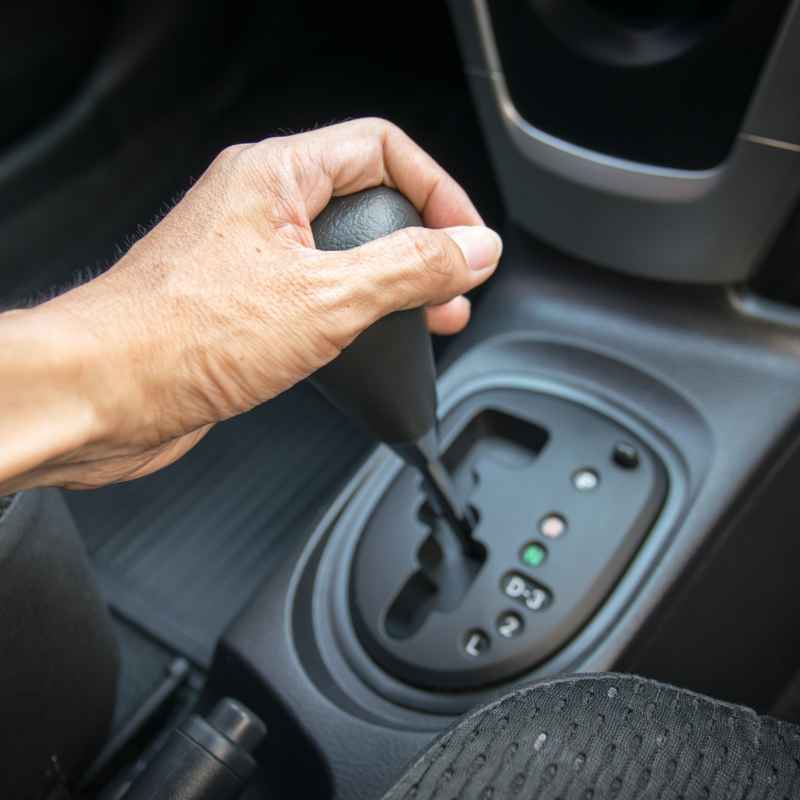
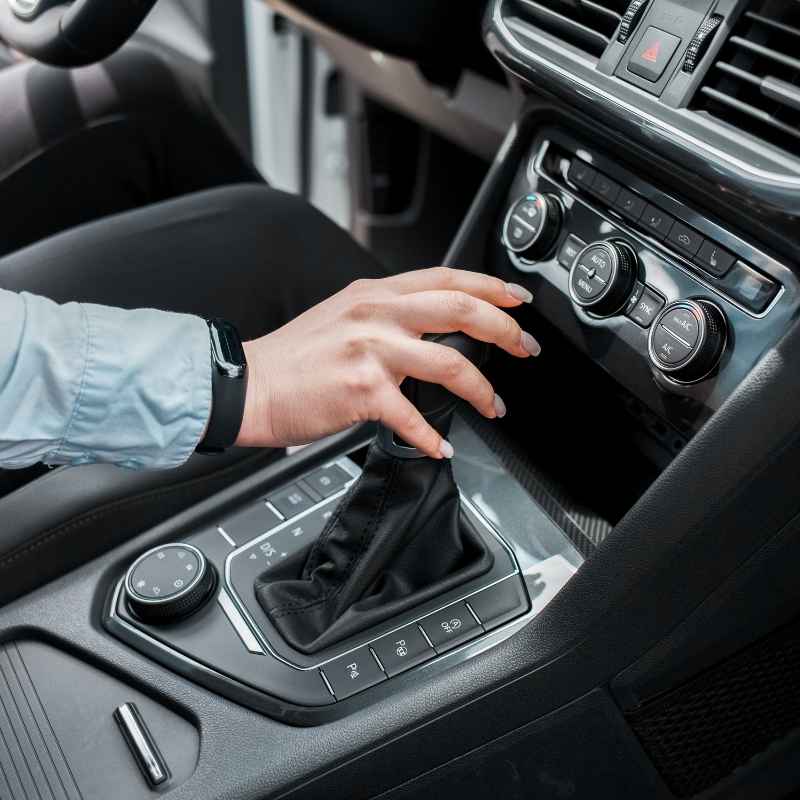
There are two main types of transmissions: automatic and manual. Automatic transmissions shift gears for you. Manual transmissions require you to shift using a clutch pedal and gear stick.
The reasons for shifting problems can be different for each. But many underlying issues are quite similar.
Most often, when a car won’t shift gears, it’s stuck in one gear. This is often called “limp mode” or “fail-safe mode.” The car’s computer does this to protect the transmission. It keeps it from getting more damage.
This is a big clue that something is wrong.
Common Culprits Behind Shifting Problems
Let’s talk about the most frequent reasons your car might not be shifting gears. These are the things mechanics often see first. They are also the easiest to check.
Sometimes, it’s a quick fix. Other times, they point to a bigger issue brewing.
Low Transmission Fluid
Think of transmission fluid like oil for your engine. It keeps everything running smoothly. It also cools the parts.
If the fluid level is too low, the transmission can’t work properly. This is a very common cause.
Low fluid can happen for a few reasons. There might be a leak somewhere. Or, the fluid simply hasn’t been changed in a long time.
Old fluid loses its effectiveness. It can become dirty and sludgy. This dirt can clog up small passages.
If your car is not shifting gears, checking the transmission fluid is step one. You can usually find the transmission fluid dipstick under the hood. It might be labeled “Transmission” or “ATF.” Always check your car’s owner’s manual for exact location and procedure.
Important Note: Some newer cars don’t have a dipstick. For these, you’ll need a mechanic to check the fluid. The procedure is often done with the engine running and warm.
Dirty or Old Transmission Fluid
Even if the fluid level is okay, its condition matters a lot. Over time, transmission fluid breaks down. It gets contaminated with small metal particles.
These particles come from the wear and tear inside the transmission.
Dirty fluid can’t do its job well. It can’t lubricate or cool the parts. It can also create friction.
This friction can lead to shifting problems. It might cause grinding noises. Or, the car might hesitate to shift.
Regularly changing your transmission fluid is key. This is part of your car’s scheduled maintenance. Your owner’s manual will tell you when this should happen.
Don’t skip this service. It can prevent major transmission repairs down the road.
Transmission Fluid Leaks
If your transmission fluid level is low, it’s likely due to a leak. Leaks can happen at various points. Seals, gaskets, and lines can wear out over time.
Common places for leaks include the transmission pan gasket. This is the seal at the bottom of the transmission. It can dry out and crack.
Another spot is the transmission cooler lines. These are metal tubes that carry fluid to a cooler.
You might see red or brownish fluid under your car. This is often a sign of a transmission fluid leak. The spots might be right under the engine or further back.
It’s important to fix leaks quickly. Driving with low fluid can cause severe damage.
Faulty Transmission Sensors
Modern cars have many sensors. These sensors tell the car’s computer important things. For the transmission, sensors monitor things like speed and temperature.
They help the computer decide when to shift gears.
If a sensor fails, it sends wrong information. The computer then makes bad decisions. This can stop the transmission from shifting.
For example, a speed sensor might tell the car it’s not moving fast enough. So, it won’t shift into a higher gear.
These sensor issues often trigger a “Check Engine” light. Sometimes, it might be a specific transmission warning light. A mechanic can scan the car’s computer for error codes.
These codes point to the faulty sensor.
Problem with the Torque Converter
For automatic transmissions, the torque converter is vital. It connects the engine to the transmission. It acts like a fluid coupling.
It allows the engine to spin while the car is stopped.
If the torque converter has issues, it can cause shifting problems. It might slip. Or, it might not engage properly.
This can make the car feel sluggish. It might also refuse to shift into higher gears.
Torque converter problems are usually more serious. They often require specialized repair. This is not usually a DIY fix for most people.
Clutch Issues (Manual Transmissions)
For cars with a manual transmission, the clutch is key. It’s what you operate with the clutch pedal. When you press the pedal, it disengages the engine from the transmission.
This lets you change gears.
If the clutch isn’t working right, you might have trouble shifting. The clutch might not be fully disengaging. This can make it hard to get the gear to engage.
You might hear grinding sounds.
Worn-out clutch plates are a common problem. The clutch cable could also be loose or broken. Or, there might be a hydraulic issue with the clutch system.
Less Common, But Still Possible, Causes
Sometimes, the reason for not shifting is a bit more complex. These issues might not be the first thing a mechanic checks. But they are still important to understand.
Transmission Control Module (TCM) Failure
The TCM is like the brain of the automatic transmission. It’s a computer that controls all the shifting. It gets data from sensors.
Then, it tells the transmission solenoids what to do.
If the TCM fails, it can cause all sorts of transmission problems. It might stop shifting altogether. Or, it might shift very erratically.
These modules can fail due to electrical issues or damage.
Replacing a TCM can be costly. But it’s often less than replacing the whole transmission.
Blocked Transmission Filter
The transmission filter cleans the fluid. It catches dirt and debris. Over time, the filter can get clogged.
A blocked filter restricts fluid flow.
This restricted flow can cause a lot of problems. It can lead to overheating. It can also prevent gears from engaging properly.
If the fluid can’t move freely, the transmission can’t shift.
Changing the transmission filter is usually done when you change the fluid. It’s a part of routine maintenance.
Internal Transmission Damage
This is the most serious category. If parts inside the transmission break or wear out, it will stop working correctly. This can include things like:
- Worn-out clutch packs
- Damaged gears
- Broken bands
- Damaged planetary gear sets
These kinds of problems usually happen over time. They can be caused by high mileage, harsh driving, or lack of maintenance. Internal damage often leads to noises, slipping, and a complete loss of shifting ability.
Repairing internal damage often means rebuilding the transmission. This is a major job and can be very expensive.
Vacuum Modulator Issues (Older Cars)
Older cars might have a vacuum modulator. This part uses engine vacuum to help control shift points. If it fails, it can cause rough shifting or prevent shifts.
This is less common in modern vehicles.
My Own Experience: The Day My Car Refused to Budge
I remember it like it was yesterday. I was rushing to an important client meeting. It was a cold Tuesday morning in February.
I turned the key, and my trusty old sedan fired up. I put it in drive. Then, nothing.
The engine just revved loudly. The car didn’t move an inch.
My heart sank. Panic set in. I tried shifting to neutral and back to drive.
Same result. The engine roared, but the wheels stayed put. I could feel the heat rising in my face.
I was going to be late. I even tried rocking the car gently. Still no luck.
I remember looking under the car, hoping to see something obvious. Nothing stood out. I called my mechanic, and he said it sounded like a transmission issue.
He told me not to try and force it. He suggested towing it in. That day taught me a valuable lesson about listening to my car’s subtle signs.
I had noticed a slight hesitation when shifting from park to drive in the weeks prior. I’d brushed it off as just “an old car thing.” That was a mistake I wouldn’t make again.
When Your Car Enters “Limp Mode”
You might notice your car behaving strangely even before it completely stops shifting. One common behavior is what’s called “limp mode” or “fail-safe mode.” This is the car’s way of protecting itself.
In limp mode, the transmission will only allow the car to use one or two gears. Usually, it’s stuck in a low gear. This is to allow you to drive slowly.
You can get to a mechanic. But you won’t be able to accelerate normally.
This mode is often triggered by a fault detected by the car’s computer. The “Check Engine” light might come on. Or, a dedicated transmission warning light might appear.
Signs Your Car Might Be in Limp Mode
- Stuck in a Low Gear: The car feels sluggish. It struggles to reach higher speeds.
- Hesitation to Shift: You press the gas, and the engine revs, but the gear doesn’t change.
- Warning Lights: The Check Engine light or a transmission warning light is illuminated on your dashboard.
- Reduced Power: The overall performance of the car is significantly reduced.
Troubleshooting Steps: What You Can Do
While many transmission problems need a mechanic, there are things you can check yourself. These are safe and simple steps. They can help you narrow down the cause.
Check Transmission Fluid Level and Condition
This is the first and most important step. Locate your transmission fluid dipstick. Refer to your owner’s manual for the exact location and how to check it correctly.
Steps:
- Ensure the car is on a level surface.
- Start the engine and let it warm up to normal operating temperature.
- Shift through all the gears (P, R, N, D, etc.) slowly, pausing for a few seconds in each.
- Return the gear selector to Park (P) or Neutral (N) (check your manual).
- Pull out the transmission dipstick, wipe it clean, reinsert it fully, and pull it out again.
- Check the fluid level. It should be between the “min” and “max” marks.
- Examine the fluid’s color and smell. Healthy fluid is bright red and doesn’t have a burnt smell.
If the fluid is low, you’ll need to add the correct type of transmission fluid. If it’s dark, smells burnt, or has debris, it needs to be flushed and replaced.
Look for Visible Leaks
Park your car on a clean, dry surface. Leave it overnight. In the morning, check the ground for any fluid spots.
Note the color and location of the leak.
If you see red or brownish fluid, it’s likely transmission fluid. If the leak is significant, do not drive the car.
Transmission Fluid Check: Quick Guide
Fluid Level: Should be between MIN and MAX marks.
Fluid Color: Ideally bright red.
Fluid Smell: Should not smell burnt.
Debris: No metal shavings or grit.
Pay Attention to Warning Lights
Dash warning lights are your car’s way of talking to you. A “Check Engine” light can mean many things. But it can also relate to transmission issues.
Some cars have a specific transmission warning light.
If a light comes on, don’t ignore it. Take it seriously. A simple scan of the error codes can save you a lot of trouble.
Many auto parts stores offer free code scanning.
When to Call a Professional Mechanic
While DIY checks are helpful, some problems are beyond a typical car owner’s ability. If you’ve checked the basics and the issue persists, it’s time to call in the experts.
You should call a mechanic if:
- You find no obvious issues with fluid levels or visible leaks.
- The car is in limp mode and you can’t drive it safely.
- You hear grinding, clunking, or whining noises from the transmission.
- The transmission fluid smells burnt or is very dark and dirty.
- Your car is a newer model without a transmission dipstick.
A qualified transmission specialist has the tools and knowledge to diagnose complex problems. They can perform tests that you can’t.
When to See a Mechanic Immediately
Sudden Loss of Power: If the car suddenly stops accelerating or won’t move.
Grinding Noises: Loud, metallic grinding when trying to shift.
Smoke or Burning Smell: This indicates severe overheating or internal damage.
Warning Lights Flashing: Especially if multiple lights illuminate.
Real-World Scenarios and What They Mean
Let’s look at a few situations and what they might signal. These are common scenarios drivers face.
Scenario 1: The Car Won’t Go Into Reverse
This is a specific type of shifting problem. It can point to issues with the reverse gear itself. Or it could be related to the transmission linkage.
Low transmission fluid can also affect reverse. Sometimes, a faulty solenoid controls reverse engagement.
If your car has trouble going into reverse, it’s a clear sign of a problem. It’s often best to have a mechanic look at it.
Scenario 2: The Car Lurches When Shifting
A smooth shift is what you expect. If your car jerks or lurches when it changes gears, something is off. This could be due to dirty fluid.
It might also mean solenoids are not engaging smoothly.
Old fluid can cause this. The computer might be sending signals too late or too early. This symptom often appears as the transmission fluid ages.
Scenario 3: The Car Slips Out of Gear
This is a dangerous situation. It happens when the transmission seems to shift into gear. Then, it suddenly pops out.
It feels like you’re suddenly in neutral.
This can be caused by worn transmission bands or clutch packs. These parts are crucial for holding gears. If they are worn, they can’t grip properly.
Quick Scan: Shifting Symptoms Explained
| Symptom | Possible Cause |
|---|---|
| Car won’t shift out of a low gear | Limp mode, sensor issue, low fluid |
| Jerking or lurching during shifts | Old fluid, solenoid issue, internal wear |
| Car slips out of gear | Worn clutch packs or bands, low fluid |
| Difficulty engaging reverse | Low fluid, linkage issue, reverse gear problem |
What This Means for Your Car’s Health
A car that won’t shift gears is usually a sign of a significant problem. Ignoring it can lead to more severe and costly damage.
When It Might Be Normal (Rarely)
Honestly, a car that won’t shift gears is almost never normal. The only time you might see something similar is if the car is brand new and has an initial setup. Or if you are in extreme cold and the fluid is very thick.
But even then, it should correct itself quickly.
When to Start Worrying
You should worry if the problem happens suddenly. Or if it’s accompanied by noises or warning lights. If you can’t shift into any gear, or the car won’t move, that’s a serious concern.
Driving a car that is not shifting properly can cause more damage to the transmission. It can also be a safety hazard.
Simple Checks You Can Do
The simplest checks are the fluid level and condition. Also, listen for any unusual noises. Look for any fluid leaks under your car.
These visual and sensory checks are your first line of defense. They can help you decide if you need to call a mechanic right away.
Quick Tips for Shifting Issues
If you’re experiencing minor shifting hesitations, here are some general tips. These are for preventative care as much as for addressing small issues.
- Regular Maintenance: Stick to your car’s recommended maintenance schedule. This includes transmission fluid and filter changes.
- Drive Gently: Avoid hard acceleration and sudden braking. This puts less stress on your transmission.
- Warm Up Your Car: Especially in cold weather, let your car run for a minute or two before driving. This allows the transmission fluid to circulate.
- Address Small Issues: Don’t ignore small problems. A slight hesitation might be the first sign of a bigger issue to come.
Proactive Steps to Keep Your Transmission Happy
Scheduled Fluid Changes: Follow your owner’s manual. This is the most important thing!
Check for Leaks: Look under your car after it’s been parked.
Listen to Your Car: Unusual noises are never good. Get them checked.
Gentle Driving: Treat your transmission with care.
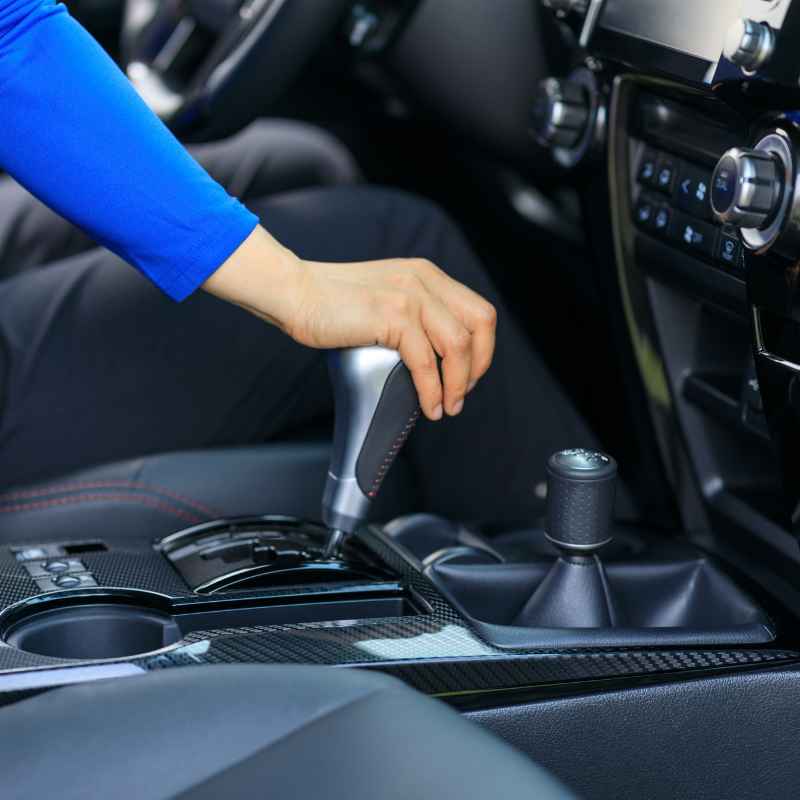
Frequent Questions About Car Shifting
Why does my car feel like it’s stuck in one gear?
This is often a sign that your car’s computer has put the transmission into “limp mode.” This protects it from further damage. It can be caused by sensor issues, low transmission fluid, or internal problems. A warning light on your dashboard usually accompanies this.
Can I drive my car if it’s not shifting gears?
It depends on the situation. If it’s stuck in limp mode, you might be able to drive slowly to a mechanic. However, if the car won’t move at all, or if you hear grinding noises, do not attempt to drive it.
Driving could cause severe damage.
How much does it cost to fix a car that won’t shift gears?
The cost varies greatly. A simple fix like adding transmission fluid might cost $20-$50. Replacing a sensor could be a few hundred dollars.
Major transmission repairs or replacement can range from $2,000 to $6,000 or more.
Is it better to repair or replace a transmission?
This depends on the extent of the damage and the age of your car. A rebuild can be more cost-effective for newer cars. For older cars, the cost of repair might be close to the car’s value.
It’s best to get quotes for both options from a trusted mechanic.
What’s the difference between a transmission fluid change and a flush?
A fluid change involves draining and refilling most of the old fluid. A transmission flush uses a machine to push out almost all the old fluid and
How do I know if my transmission fluid needs changing?
Check your owner’s manual for the recommended interval. Also, inspect the fluid regularly. If it’s dark brown, smells burnt, or contains debris, it’s time for a change.
Many people change it every 30,000 to 60,000 miles.
Final Thoughts on Transmission Woes
A car not shifting gears is a clear signal that something is wrong. It’s a problem that needs attention. Don’t ignore the signs.
Early detection and repair can save you a lot of money and headaches.
By understanding the common causes and knowing when to seek professional help, you can get back on the road safely. Remember, your car’s transmission is a complex system. Treat it with care, and it will serve you well.
Products related to this article
Sponsored / affiliate links. As an Amazon Associate I earn from qualifying purchases. I may earn additional commission from eligible campaigns.