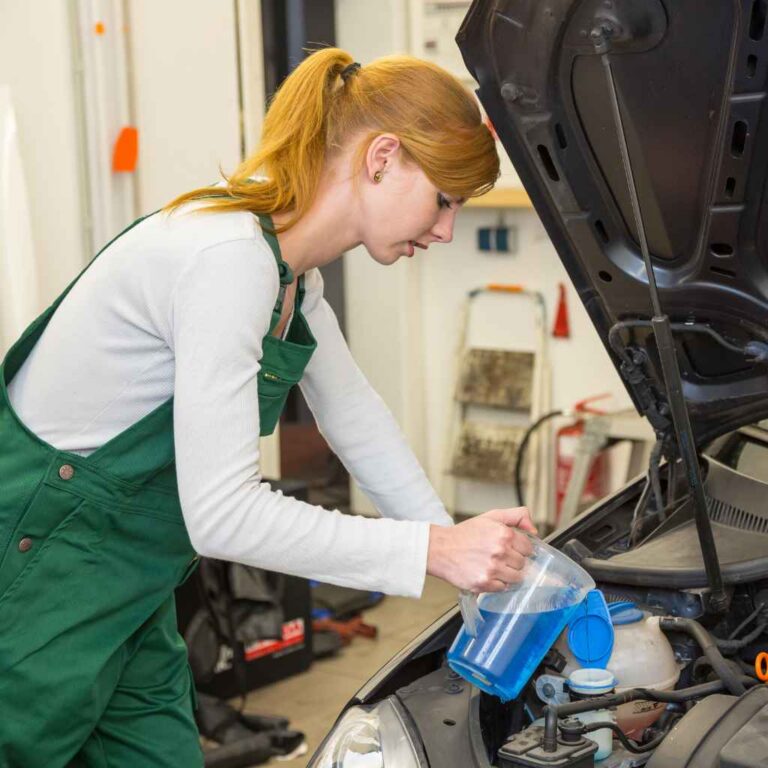
3 Best Cabin Air Filters for Weak Car AC Cooling: We Compared
For weak AC airflow, check the cabin air filter first; replace it if it is packed with debris, collapsed, or older than 12 months, but if vent output barely changes with the filter out, it is not the only problem. Skipping that split wastes time and money on the wrong fix while weak cooling continues. This guide shows when the filter is the bottleneck, which filter types keep airflow strongest, and what else to inspect before buying.
Quick picks
| Pick | Best for | Why it belongs here | Price |
|---|---|---|---|
| FRAM Fresh Breeze | Most drivers who want odor control with reasonable vent strength | Activated carbon plus baking soda targets musty smells, smoke, and exhaust without going straight to maximum restriction | $19.95 |
| EPAuto activated carbon | Budget buyers with Toyota, Lexus, Subaru, and Mazda fitment | Lower-cost carbon option for drivers who want odor help and a replacement filter in one step | $12.97 |
| Bosch 6091C | Drivers who want finer particle capture and a stiff, stable element | Three-layer construction and dense media suit allergy-focused use when fitment matches and airflow loss is acceptable | $10.48 |
| K&N VF2054 | Maximum airflow priority | Washable design appeals to owners who want to reduce restriction more than they want odor media | $47.99 |
| Mann fresh air pollen screen | OEM-style replacement for Porsche 996/986 owners | Good fit-first choice when you want a straightforward OE-style swap | $25.81 |
If weak vents are the complaint, start with fitment and restriction, not marketing claims. A carbon filter is the best middle ground for many drivers, while a standard particulate filter is the safer call when airflow matters more than odor control.
Quick comparison
| Product | Badge | Best for | Price | ||
|---|---|---|---|---|---|
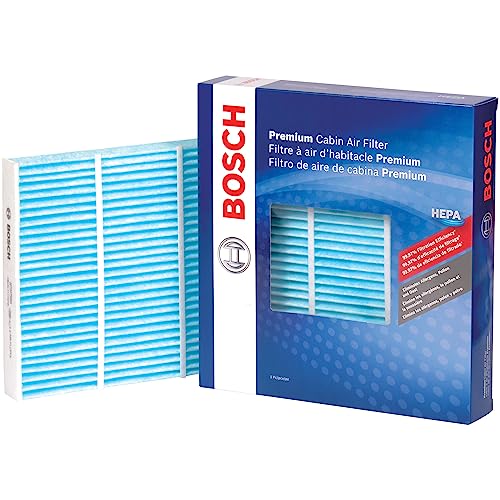 |
BOSCH 6091C HEPA Cabin Air Filter – 3 Layer Protection ForBosch | Our pick | Cabin air filter · HEPA · 3-layer | $10.48
Price as of 25 Oct 2026
|
View |
 |
FRAM CF12436 Fresh Breeze Cabin Air Filter | Fits 2018-2026Fram | Pair with it | Cabin air filter · odor-neutralizing · vehicle-fit | $19.95
Price as of 25 Oct 2026
|
View |
 |
K&N LIFETIME Cabin Air Filter: Washable, Clean Air for yourK&N | Also great | Cabin air filter · washable/reusable · lifetime | $47.99
Price as of 25 Oct 2026
|
View |
 |
EPAuto CP157 (CF12157) Cabin Air Filter Replacement forEPAuto | Budget pick | Cabin air filter · activated carbon · replacement | $12.97
Price as of 25 Oct 2026
|
View |
 |
for Porsche 996 986 Cabin Air Filter OEM Mann fresh airMann Filter | Pair with it | Cabin air filter · OEM-style · Porsche fit | $25.81
Price as of 25 Oct 2026
|
View |
Compare these by fit, media type, and how much airflow tradeoff you are willing to accept. The right answer is often the least restrictive filter that still matches your odor and dust problem.
How we chose
We compared these filters on four practical points: vehicle fitment accuracy, airflow versus filtration tradeoff, odor-control media, and replacement burden. That matters because a filter that does not seal correctly, or one that is too dense for the job, can make a weak blower feel even weaker.
Fitment is non-negotiable. Cabin filters are year/make/model/trim parts, and some listings cross-reference OEM part numbers while others rely on parts-store lookup tools or Amazon Garage matching. A wrong fit is useless, even if the media itself is good.
We also weighed the use case. Activated carbon helps with exhaust, smoke, and city traffic odors; HEPA-style claims usually point to allergy-focused particle capture; and washable designs prioritize airflow and reuse. The best choice depends on the symptom you are chasing.
 As an Amazon Associate we earn from qualifying purchases. Prices and availability are accurate as of the date shown and are subject to change.
FRAM Fresh Breeze: best for odor control with fair airflow
This is the best all-around pick for many drivers with weak-AC complaints because it blends odor control with a mainstream replacement format. The baking soda add-on helps when the cabin smells musty, and that media targets odor reduction rather than particle capture alone.
Its strengths are simple: it addresses common exhaust and city-traffic odors, it fits the listed Subaru applications, and it avoids the extreme airflow penalty that comes with some very dense media. That makes it a sensible middle ground when the vent issue is real but you still want the cabin to smell cleaner.
The drawback is the same thing that makes it useful. Any odor-control layer can add a bit of restriction, so it is not the first choice if your main goal is maximum vent output in a car that already struggles at idle or on high fan speed.
EPAuto activated carbon filter: best budget carbon pick
This is the budget-friendly choice when you want activated carbon without paying premium pricing. It suits owners who are mainly fighting everyday odor, pollen, and light dust, especially in Toyota, Lexus, Subaru, and Mazda applications where the fitment list matches the vehicle exactly.
Its appeal is practical. It gives you carbon odor control and replacement convenience in one part, and that makes it a straightforward answer for a weak-vent car that also smells stale after sitting in traffic or near exhaust-heavy roads.
The drawback is that lower-cost carbon filters can be a compromise on longevity and structure. If you drive in very dusty conditions or want the stiffest possible media retention, this is not the top shelf option.
As an Amazon Associate we earn from qualifying purchases. Prices and availability are accurate as of the date shown and are subject to change.
Bosch 6091C HEPA cabin filter: best for fine-particle filtration
This is the pick for drivers who care most about fine-particle capture and stable construction. Bosch describes it as a three-layer cabin filter with dense media, and that is the kind of setup allergy-focused buyers usually look at first when dust control matters more than airflow.
Research pages often describe HEPA cabin filters as allergy-oriented and note the 99.97% at 0.3 microns claim. The important caution is that many automotive products are HEPA-style rather than truly certified HEPA in vehicle use, so you should treat the label carefully and verify fitment before paying for the higher-efficiency media.
The drawback is predictable: dense media can restrict airflow more than a standard particulate filter, so it is not the best match if your biggest complaint is weak vent strength. Choose it for filtration priority, not for maximum cooling output.
As an Amazon Associate we earn from qualifying purchases. Prices and availability are accurate as of the date shown and are subject to change.
K&N VF2054 washable cabin filter: best for maximum airflow
This is the airflow-first option. If a weak blower, a marginal HVAC system, or high fan-speed vent loss is the main concern, a washable reusable design is attractive because it is built around keeping restriction low over time.
That matters when you want the cabin filter to stop being the bottleneck. A reusable filter can also make maintenance easier for drivers who would rather clean a part than replace it on a fixed schedule, and some buyers like the long-term ownership angle.
The drawback is that maximum airflow comes with a tradeoff. Washable designs usually do not give you the same odor-control focus as carbon-heavy filters, so this is not the best buy if smoke, exhaust, or musty smells are the real problem.
As an Amazon Associate we earn from qualifying purchases. Prices and availability are accurate as of the date shown and are subject to change.
Mann fresh air pollen screen: best OEM-style fit for Porsche
This is the fit-first choice for Porsche 996 and 986 owners who want an OEM-style replacement rather than a media experiment. In a vehicle where a poor seal can waste the filter’s benefit, a direct-fit part is often the smarter call than a more aggressive aftermarket claim.
It is the simplest answer when you want a clean replacement and do not need extra odor media. That keeps the HVAC intake straightforward and avoids the guesswork that comes with guessing whether a thicker filter will help or hurt vent strength.
The drawback is scope. It is a narrower fitment part, and it is not aimed at the broader carbon-versus-airflow decision that matters for many daily drivers.
Can a clogged cabin air filter make my AC blow weak?
Yes. A clogged cabin filter can reduce vent strength and make the cabin feel musty, and several guides tie weak airflow to the filter rather than to AC failure. If the air volume changes a lot after replacement, the filter was part of the problem.
That said, weak cooling and weak airflow are not the same fault. A filter problem cuts the amount of air coming through the vents, while low refrigerant, a blend door issue, or a weak blower can leave airflow or temperature wrong in different ways.
Use the fan controls as your first clue. If low, medium, and high all feel weak, the filter is plausible. If cooling is poor but airflow feels normal, the problem is farther downstream than the filter.
What is the best cabin air filter for weak car AC cooling?
For most weak-AC cases, the best cabin air filter is an activated carbon model if you also want odor control, or a standard particulate filter if airflow is the priority. Carbon gives a better balance for exhaust, smoke, and city traffic while keeping the restriction moderate.
If the cabin already smells stale, carbon plus baking soda is a smart choice. If your main complaint is vent strength, a less restrictive standard filter is usually the better bet than the densest media available.
True HEPA-style products make more sense for allergy-focused drivers than for someone chasing stronger vents. They can capture very fine particles, but that is not always the same thing as better AC performance.
Are activated carbon cabin filters better for AC performance?
Not usually in pure airflow terms, but they are often better in real-world weak-AC cases because they balance odor control and vent strength better than very dense media. Activated carbon targets odors beyond standard particulate media, and that is useful when musty vents, smoke, or exhaust are part of the complaint.
The tradeoff is slight restriction. A carbon layer can reduce airflow a bit compared with a basic particle filter, so if maximum vent output is the only goal, a standard filter may be the better fit.
That makes carbon the middle ground, not the universal winner. It is the better compromise for most drivers who want cleaner air without turning the cabin filter into a bottleneck.
How often should I replace a cabin air filter for better airflow?
A common baseline is every 12,000 to 15,000 miles, or annually, with shorter intervals in dusty, smoky, pollen-heavy, or wildfire-prone conditions. If you drive in heavy traffic or near construction, you may need to replace it sooner than the mileage window suggests.
Condition matters more than the calendar. A filter can clog long before the usual interval if the car sees a lot of debris, and a clogged filter can make the cabin feel weak even when the rest of the HVAC system is fine.
Once a filter is visibly packed, collapsed, or damp, waiting for the mileage target is the wrong move. Replacing it early is cheaper than chasing a blower or refrigerant issue that was never the real cause.
How do I choose the right cabin air filter for my car?
Start with year, make, model, and trim, then cross-check the OEM part number or the parts-store lookup before you buy. Fitment and seal integrity matter because a wrong filter can leave gaps, rattle in the tray, or bypass air around the media.
Then match the media to the symptom. Choose standard particulate for maximum airflow, activated carbon for odor and fumes, and HEPA-style only when allergy control matters enough to accept a possible airflow tradeoff. Avoid thicker media unless the vehicle can spare the restriction.
Picture a commuter sedan that smells like exhaust after highway driving and has slightly weak vents. A carbon filter fits that problem better than a dense HEPA-style unit. Now picture a car with strong airflow but bad pollen irritation; particle capture matters more than vent output there.
A common first-timer mistake is buying a filter by vehicle name alone and skipping the trim or OEM number. Another is assuming a thicker filter always means a better one. In HVAC, the wrong filter can feel like a weak blower even when the blower is fine.
Which one should you buy?
If you want the best balance for most weak-AC complaints, start with the FRAM Fresh Breeze. It is the clearest middle ground between airflow, odor control, and easy maintenance.
If you need the lowest-cost carbon option and your fitment matches, choose the EPAuto activated carbon filter. If maximum airflow matters more than odor control, the K&N washable filter is the better fit.
If you are chasing allergy relief or fine dust capture and can accept some airflow tradeoff, the Bosch 6091C is the stronger filtration pick. For Porsche 996 and 986 owners, the Mann OEM-style part is the fit-first answer.
Suppose your vents feel weak only on high fan speed and the cabin smell is normal. That points more toward restriction or blower issues than refrigerant loss, so a standard or lower-restriction filter is the safer diagnostic move. Suppose the air volume barely changes when the filter is briefly removed and immediately reinstalled; the filter is probably not the only problem.
Cabin air filter symptom-to-fix table
| Symptom pattern | Likely filter condition | Test to confirm | Best filter type | When to look beyond the filter |
|---|---|---|---|---|
| Weak airflow only on high fan speed | Clogged, collapsed, or dust-loaded filter | Check vent strength before and after a brief filter removal test, then reinstall the filter immediately | Standard particulate if airflow is the priority; activated carbon if odors also matter | If airflow barely changes with the filter out, inspect the blower motor and ducting |
| Musty smell with normal airflow | Dirty or damp filter, or trapped debris in the housing | Inspect the element for moisture, leaf debris, or dark staining | Activated carbon or carbon-plus-baking-soda media | If the smell returns fast, check the evaporator case and drain |
| Weak cooling plus weak airflow | Filter may be part of it, but not always the main fault | Compare air volume on recirculation versus fresh air, then verify filter fit | Lower-restriction filter first if the element is old or packed | Look at refrigerant charge, blend door operation, and blower output |
| Smoke, exhaust, or pollen complaints | Filter may be too basic for the environment | Inspect whether the current media is plain particulate or carbon-based | Activated carbon; HEPA-style only if fine-particle control matters more than vent strength | If the car still smells bad with a fresh carbon filter, inspect cabin sealing and HVAC intake location |
| Airflow drops after recent replacement | Wrong size, poor seal, or overly dense media | Cross-check OEM part number, year/make/model/trim, and tray fit | Correct-fit standard filter | If the replacement is correct and vent output still falls short, check blower motor current draw and cabin intake obstruction |
One short diagnostic removal can be useful, but it should be brief and followed by immediate reinstall. Driving without a cabin filter is not the fix; it is only a check to see whether the filter is choking the system.
Frequently asked questions
How do I know if my cabin air filter is causing poor airflow?
Check whether vent output is weak across all speeds, whether the filter looks loaded with debris, and whether airflow changes after a brief removal-and-reinstall test. If the fan still feels weak with a clean filter, suspect the blower motor, intake blockage, or a duct problem.
Will a thicker cabin air filter reduce AC strength?
It can. Thicker or denser media may capture more particles, but it can also restrict airflow and make the vents feel weaker. That is why the correct part is not automatically the thickest one; it is the one that fits the vehicle and matches the airflow need.
Products related to this article
Sponsored / affiliate links. As an Amazon Associate I earn from qualifying purchases. I may earn additional commission from eligible campaigns.