What Do I Need to Donate a Car? Title, Documents & Tax Forms
To donate a car you need the signed vehicle title, a valid photo ID, and any lien release if a loan is still on the car.
Most charities also ask for the current registration, and a few states require an odometer disclosure or a notarized signature before the title can change hands. Once that paperwork is in order, a reputable charity can usually schedule free pickup within a few days and mail you a receipt for your tax records afterward.
Knowing exactly which documents and numbers you need ahead of time keeps the process from stalling at the tow truck. This guide covers the paperwork, the charity vetting steps, and the tax forms involved so your car donation goes through cleanly the first time. If you are more interested in how much your donation is actually worth, see our breakdown of what you get when you donate a car.
Introduction To Car Donation
Car donation lets you clear out a vehicle you no longer want while supporting a cause you care about. Most charities pick the car up for free, sell or use it, and send you a receipt you can use toward a tax deduction if you itemize. You do not need a running car or a spotless title history to qualify – most organizations accept vehicles in almost any condition, including ones that no longer start.
- Support a cause instead of dealing with a private sale.
- Skip the DIY selling hassle – no listings, no test drives, no haggling with strangers.
- Claim a tax deduction if you itemize and the charity is a qualified 501(c)(3).
- Free up driveway space without paying a junkyard to haul the car away.
A common misconception is that only cars in good working order get accepted. In practice, most national and local donation programs take non-running vehicles too, since they typically resell them for parts or scrap through an auction network rather than putting them back on the road.
Choosing A Charity
Start by picking a charity that actually uses vehicle donations as part of its funding model, rather than one that only takes them as an afterthought. Local organizations are often easier to reach by phone if a question comes up mid-process, but larger national programs tend to have faster, more standardized pickup logistics.
Ask directly how the charity uses donated vehicles – some auction them and keep the proceeds, others give a portion to a third-party processing company, and a smaller number repair and give cars directly to families in need. Reading independent reviews of the charity (not just testimonials on its own site) helps you spot the difference between a well-run program and a pass-through operation that keeps most of the sale price.
Before you commit, confirm the organization is a real 501(c)(3) nonprofit. You can look up its status for free using the IRS Tax Exempt Organization Search tool rather than taking the charity’s word for it. A legitimate charity will also give you its Employer Identification Number (EIN) without hesitation – you will need that number later if you plan to claim a deduction.
Preparing Your Vehicle
Locate the car’s title first – without it, most charities cannot legally accept the donation. Pull together the current registration as proof of ownership, and if you have maintenance records, keep them handy in case the charity plans to resell the car directly rather than through an auction. Requirements vary slightly by state, so a quick call to the charity or your local DMV before pickup day avoids surprises.
A quick walk-around helps set expectations. Note visible dents or scratches, pop the hood to check for obvious fluid leaks or corrosion, test the headlights and turn signals, and confirm the brakes feel normal on a short drive if the car is drivable. None of this determines whether the charity will accept the car – it mostly affects whether they plan to sell it as a working vehicle or send it straight to an auction for parts.
Necessary Documentation
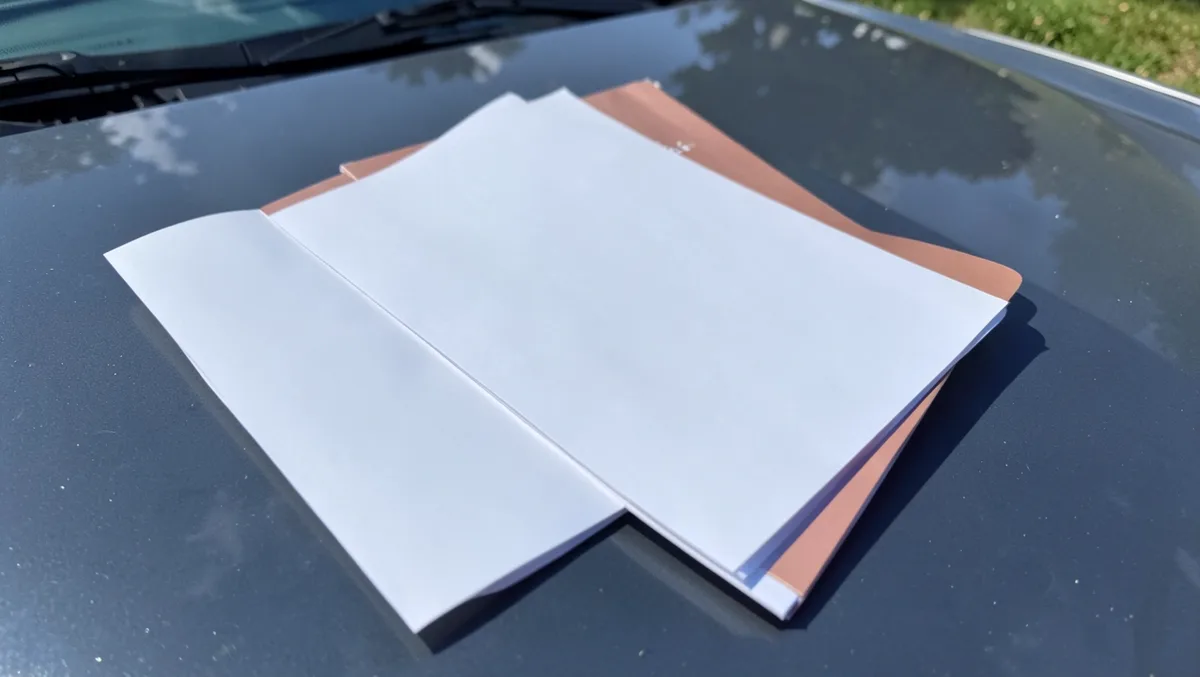
Donating a car comes down to a short stack of paperwork: the signed title, a completed release of liability, and eventually a written receipt from the charity for your tax records. Filling everything out correctly the first time is what keeps the donation from stalling partway through.
Title Transfer Requirements
The title has to be clear and signed by the current owner listed on it – a charity cannot accept a car with a title that has cross-outs, an unreadable signature, or someone else’s name still on it. Rules on notarization and odometer disclosure vary by state, so check with your local DMV or the charity’s intake team before pickup. If you need help filling one out correctly, see our guide on how to fill out a car title transfer without mistakes.
Bill Of Sale And Release Of Liability
A release of liability tells your state’s DMV that you no longer own the car as of a specific date, which protects you from future parking tickets, tolls, or liability claims tied to the vehicle. Some states process this automatically once the title transfers; others require you to file a separate form yourself. A bill of sale is less critical for a donation than for a private sale, but it is still worth keeping a copy that lists the car’s make, model, and VIN alongside the date it left your hands.
Lien Release And Odometer Disclosure
If you still owe money on the car, its title will list a lienholder, and most charities will not accept the vehicle until that loan is paid off and the lender issues a lien release. Your lender either mails a separate release letter or stamps “lien released” directly on the title once the balance is cleared – call them ahead of time if you are not sure which method they use. Still have a loan on the car? Our guide on how to sell a car with a loan still on it covers the payoff process step by step, and the same logic applies to a donation. Separately, roughly half of U.S. states require you to record the current odometer reading on the title or a supplemental form at the time of transfer, so check your title for a mileage disclosure section before you sign it.
Tax Benefits And Deductions
Donating a car can lower your tax bill, but only if you itemize deductions instead of taking the standard deduction, and the rules are stricter than most people expect. For most donated vehicles, the IRS caps your deduction at the gross proceeds the charity actually receives when it sells the car – not the car’s Kelley Blue Book or private-party value. If the charity instead keeps the car for its own use, materially improves it, or gives it to a person in need at a below-market price, you may be able to deduct the fair market value instead.
Once the charity sells the vehicle, it is required to send you IRS Form 1098-C showing the sale price and date – keep this document, since it is what substantiates your deduction. For any deduction over $500, you also need to file IRS Form 8283 with your tax return: Section A covers deductions of $501 to $5,000, while claims above $5,000 require Section B along with a written appraisal. A tax professional can confirm exactly which forms apply to your specific situation.
Scheduling The Donation
With your documents ready, contact the charity you have chosen and confirm what they need on their end. Most reputable programs will walk you through the process over the phone in a few minutes and tell you exactly which papers to have on hand when the tow truck arrives.
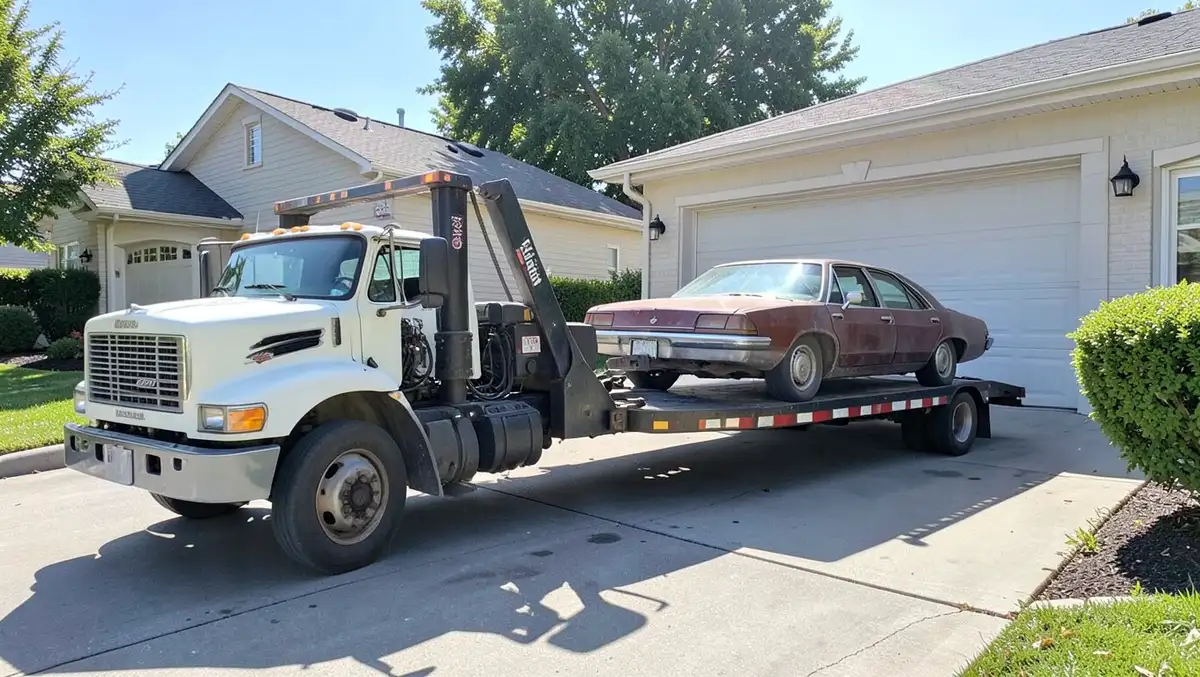
Decide whether the charity will pick the car up or whether you will drop it off yourself – the large majority offer free towing, even for vehicles that no longer run. If you are dropping it off, confirm the address and hours ahead of time. Either way, clear out personal items and any aftermarket accessories beforehand, since most charities will not go through the car’s interior for you.
After Donation Steps
Once the car is picked up, expect a written acknowledgment from the charity within a few weeks. Depending on how the charity handles it, this may arrive in two parts: an initial receipt confirming the donation, and Form 1098-C once the vehicle actually sells and the final sale price is known. Keep both documents together with your tax records.
If a few weeks pass with no confirmation, follow up directly with the charity rather than assuming everything went through. Confirm the car was received, ask when you should expect Form 1098-C, and provide any extra information they request. This is also the point to double-check that the title transfer was recorded with your state’s DMV so you are not still listed as the legal owner.
Common Challenges
Most car donations go smoothly, but a few issues come up often enough to plan for ahead of time: missing titles, confusion over the correct tax forms, and vetting whether a charity is legitimate in the first place.
Handling Title Issues
A missing or damaged title is the single most common holdup in a car donation. Without it, legally transferring ownership becomes difficult, and many charities will pause the pickup until it is resolved. If your title is lost, contact your state’s DMV to request a duplicate – most states process this within a couple of weeks, though some offer same-day service in person for a small fee.
Navigating Tax Implications
Not every car donation produces a meaningful tax benefit – if you take the standard deduction instead of itemizing, the donation will not lower your tax bill at all. Even for itemizers, the gross-proceeds limitation described above means your deduction is often smaller than the car’s actual value. Keep the receipt, Form 1098-C, and any title transfer paperwork together, and talk to a tax professional if the numbers do not add up the way you expected.

Frequently Asked Questions
What Documents Do I Need to Donate a Car?
You need the signed vehicle title, a valid photo ID, and the current registration. If you still owe money on the car, you also need a lien release from your lender, and some states require an odometer disclosure or a notarized signature on the title. Verify your state’s exact rules with your local DMV before the pickup.
How Much Can I Deduct on My Taxes for Donating a Car?
In most cases, your deduction is limited to the gross proceeds the charity receives when it sells the car, which the charity reports on Form 1098-C. If the charity keeps the vehicle for its own use or gives it to someone in need at a reduced price, you may be able to deduct its fair market value instead. Deductions over $500 require IRS Form 8283.
Is It Better to Scrap a Car or Donate It?
Scrapping usually gets you cash on the spot based on the car’s weight and any salvageable parts, while donating supports a charity and may qualify you for a tax deduction if you itemize. Which one makes more sense depends on whether you need the money immediately or would rather claim a deduction and support a cause.
Can I Donate a Car That Is Not in My Name?
No. The title must be in your name for a charity to legally accept the donation and transfer ownership. If the title is still in someone else’s name, that person needs to sign it over to you first, or complete the donation themselves.
Do I Need a Lien Release to Donate a Car?
Yes, if there is still an active loan on the car. Most charities will not accept a vehicle with an open lien on its title. Pay off the remaining balance first and get a lien release letter, or a lien-released stamp on the title, from your lender before scheduling the pickup.
Conclusion
Donating a car is mostly a paperwork exercise: a signed title, a valid ID, and a lien release if you still owe money on the loan. Pick a charity that is a verified 501(c)(3), confirm what documents your state requires, and keep every receipt the charity sends you afterward – especially Form 1098-C, since that is what actually determines your tax deduction. Handle those pieces up front and the rest of the process, from pickup to paperwork, tends to move quickly.
Products related to this article
Sponsored / affiliate links. As an Amazon Associate I earn from qualifying purchases. I may earn additional commission from eligible campaigns.