Hot Wheels Car Culture Ford RS200 Review
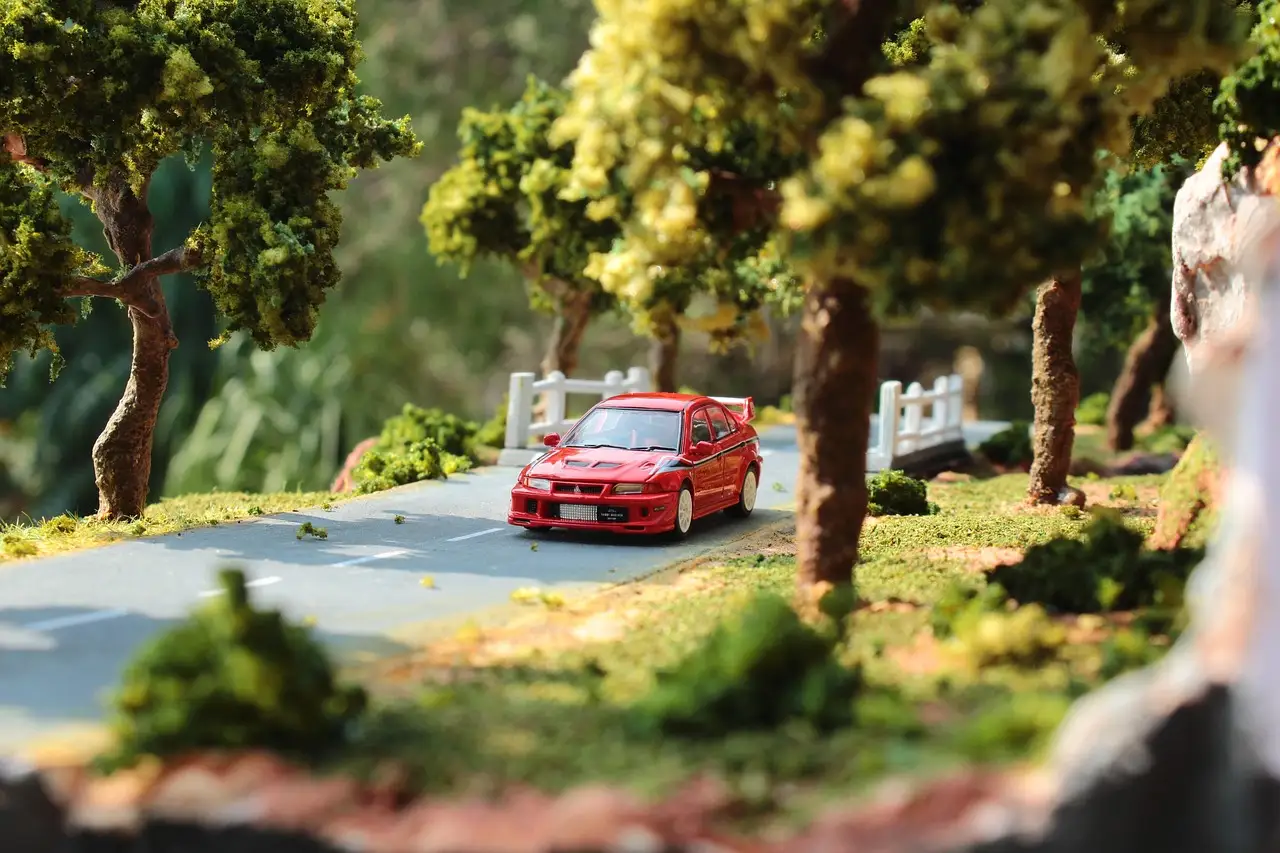
Hot Wheels Car Culture Ford RS200 review: this casting is a strong buy if you want a premium 1:64 RS200 that tends to read as Group B first and street car second, with generally good stance, tidy proportions, and strong shelf presence. Get the shape wrong and the car loses the boxy, mid-engine rally menace that makes the RS200 worth collecting. This guide judges the casting’s accuracy, compares it with other premium Ford models, and weighs its display value for collectors.
Verdict on the Ford RS200

Buy it if you collect Ford premium castings, Group B icons, or Car Culture pieces with a clear display identity. The RS200 works because the subject matters, the proportions suit the car’s strange shape, and the premium treatment gives it the paint, wheels, and shelf appeal that basic-line versions usually cannot match.
Quick buying call for loose buyers
Loose buyers should focus on paint match, tampo placement, and symmetry. If the casting sits squarely, the graphics are straight, and the wheel finish looks clean, it can earn a place as a display piece rather than a placeholder.
Quick buying call for carded buyers
Carded buyers should care most about blister clarity, corner wear, and whether the card art and series branding are intact. For a premium Ford like this, condition can matter as much as the casting itself because package presentation adds to long-term collector value.
Where it fits in a Ford collection
The RS200 belongs in a Ford shelf as one of the brand’s wildest homologation cars, not as a generic rally car. It pairs best with other Ford performance or motorsport pieces, where its Group B identity and unusual shape give the lineup more variety.
📊 The RS200 Evo’s estimated 0-60 mph time was 3.3 seconds. Source: Thedrive.
What the Ford RS200
The real Ford RS200 was built for Group B rally homologation, with a mid-engined layout, all-wheel drive, and a fiberglass body. Ford had to build road cars to satisfy the 200-unit homologation requirement, and that alone makes the RS200 a key piece of 1980s rally history.
Group B homologation basics
Group B was the 1982 FIA rule set that pushed high-power, low-weight rally cars into extreme territory. The RS200 fit that era perfectly: purpose-built, fast, and built around competition rules rather than ordinary road-car logic.
Mid-engine, AWD layout
Ford’s RS200 used a 1.8-liter Cosworth BDT four-cylinder in road-spec, with the gearbox mounted near the front axle. That packaging is part of the car’s appeal, because it gave the RS200 a layout that was unusual even by Group B standards.
Why collectors care about the real car
Collectors care because the RS200 is widely regarded as one of Ford’s more dramatic homologation specials. It later found success in rallycross and hill climbs, and the road car remains rare and expensive today, which keeps the name strong even outside motorsport circles.
Does the casting capture the RS200?
The casting succeeds if it keeps the RS200’s short, planted stance and angular bodywork intact. That matters more here than on many cars, because the RS200 looks wrong fast if the roofline, wheelbase feel, or overhangs drift away from the real thing’s compact Group B character.
Scale stance and proportions
The key check is whether the model reads low and compact without looking flattened. The RS200 should feel wide for its length, with the cabin set into a chunky body that still looks engineered for speed rather than styling alone.
Wheel fit and ride height
Wheel choice matters because premium 1:64 cars can lose authenticity when the wheels look too large or the ride height sits too high. On the RS200, the goal is a stance that looks ready for rough stages, not a lifted toy stance that breaks the rally look.
Deco accuracy and casting symmetry
Graphics should sit straight on both sides, with the hood, doors, and rear area aligned cleanly. A common first-timer mistake is judging only the art and ignoring symmetry; on this casting, uneven tampo placement or a slightly skewed rear can hurt the whole display read.
Say your sample has clean paint but one side stripe sits 1 millimeter high while the other sits level. That small mismatch is enough to stand out on a boxy car like the RS200, because the shape gives your eye fewer curves to hide the error.
Hot wheels car culture scorecard
This scorecard is built for collectors, not spec sheets. It focuses on the things that matter most in a premium 1:64 Ford: stance, shape fidelity, wheel choice, graphics, package condition, and whether the car feels at home in a Ford-focused shelf.
| Scale stance | Body proportion accuracy | Wheel fit | Deco accuracy | Packaging value | Ford-collection fit | Shelf/display appeal | Loose buyer verdict | Carded buyer verdict |
|---|---|---|---|---|---|---|---|---|
| Strong if the car sits low and planted | Best when the compact Group B shape stays intact | Good if the wheels look period-correct and not oversized | Strong if graphics are straight and aligned | Better for carded collectors when packaging is clean | High, because RS200 is a key Ford motorsport name | Very good, especially beside other premium Ford models | Buy if paint, symmetry, and wheels are clean | Buy if the card and blister are undamaged |
Pros and cons
Pros for display collectors
- Strong Ford subject with instant motorsport credibility.
- Group B proportions translate well into 1:64 display appeal.
- Premium Car Culture treatment usually suits this kind of car well.
- Good choice for a Ford shelf that needs something more dramatic than a road supercar.
Cons to watch before you buy
- Any crooked tampos will show quickly on the RS200’s flat surfaces.
- Wheel style can make or break the rally look.
- Carded value depends heavily on packaging condition.
- If you only want pure race livery drama, this may not beat the flashiest Ford premium castings.
Who is this for?
This is for Ford completionists, Group B fans, and collectors who want a premium display car with a serious motorsport story. It is less compelling for people who only want the most aggressive livery in the case, or who need every premium purchase to be a centerpiece on arrival.
Ford completionists
Ford collectors should give this high priority because it fills a very specific and important niche in the brand’s performance history. It is not just another hatch, truck, or GT badge piece; it brings Ford’s rally identity into the same display language as the rest of a Car Culture shelf.
Group B fans
Group B fans should like the RS200 because its body shape, homologation purpose, and mid-engine, AWD package are exactly what made the real car memorable. The toy succeeds when it keeps that machine-like, purpose-built look.
Loose display buyers
Loose buyers who keep their premium castings in trays, cases, or acrylic boxes should focus on finish quality more than package condition. For them, the main question is whether the casting looks square, sharp, and proportionally convincing from normal viewing distance.
Carded premium collectors
Carded collectors should think in terms of package preservation first and the casting second. If the blister is clear, the card is flat, and the graphics are centered, the RS200 makes sense as a premium long-term shelf piece.
Suppose you only have room for one Ford premium model this month. If your shelf already has several Mustangs or GTs, the RS200 gives you a completely different silhouette and story, which makes it the better purchase for variety.
Why the RS200 matters to Ford collectors
The RS200 matters because it connects Ford, Cosworth, and Group B in one compact package. The roadgoing Evo form used a 2.1-liter turbocharged Cosworth BDT-E inline-four, and a review of that version listed 600 horsepower and 400 lb-ft of torque. That halo status keeps the RS200 relevant well beyond the rally stage. (Thedrive)
RS200 Evo and Cosworth context
The RS200 Evo is the limited-run homologation special that pushes the platform further, and it helps explain why the name still carries weight. The Cosworth BDT family matters too, because it links the road car, rally car, and competition versions through one engine lineage with very different output levels.
How it compares with other premium Ford models
Compared with a Ford Bronco Hot Wheels casting, the RS200 appeals to a narrower but more motorsport-focused audience. The Bronco has broader mainstream appeal, while the RS200 has stronger collector identity for people who want a rare Ford story and a more technical silhouette.
Display value in a Car Culture lineup
In a Car Culture lineup, the RS200 brings tension and variety. It breaks up the usual muscle-car rhythm with a rally shape that looks purposeful from every angle, and that makes a Ford set feel more complete.
Should I buy the Hot Wheels Ford RS200 loose or carded?
Loose is the better buy if you want to inspect the casting as a display object and do not care about factory packaging. Carded is better if you treat Car Culture as a collectible line and want condition, series identity, and resale flexibility to matter as much as the car itself.
What to check on the sample
- Paint finish: look for even coverage and no obvious scratches.
- Tampo placement: check that stripes and logos sit straight on both sides.
- Body symmetry: confirm the car sits square and the panels look even.
- Wheel fit: make sure the wheels are centered and the stance looks right.
- Packaging condition: for carded examples, inspect the blister, edges, and card corners.
Loose versus carded verdict
Loose buyers should prioritize visual cleanliness. Carded buyers should prioritize preservation. If both are equally clean, the decision comes down to how you collect: display-first collectors can open it, while Ford series collectors may prefer to keep the card intact.
Frequently asked questions
Is the Hot Wheels Car Culture Ford RS200 worth buying?
Yes, if you want a premium Ford with a real motorsport identity and a shape that stands out on a shelf. It is most compelling when the proportions, paint, and graphics stay clean, because the RS200’s appeal depends on its boxy Group B attitude.
How accurate is the Hot Wheels Ford RS200 to the real car?
Its value depends on whether it captures the RS200’s low, compact stance and angular body without looking stretched or cartoonish. The real car’s mid-engine, AWD layout and rally-homologation purpose matter most, so the casting should read technical and purposeful rather than soft or generic.
What is the real Ford RS200 and why is it famous?
The Ford RS200 was built for Group B rally homologation, using a 1.8-liter Cosworth BDT four-cylinder in road-spec. It became famous for its mid-engine, AWD packaging, its Group B power levels, and the fact that it remains one of Ford’s most extreme road-legal performance cars.
How does the Ford RS200 compare with the Ford Bronco Hot Wheels casting?
The RS200 is the more specialized collector piece. The Bronco has broader mainstream recognition, but the RS200 offers a tighter motorsport story, more unusual proportions, and stronger appeal for Ford completionists who want something less common in a premium lineup.
What makes the RS200 special in Ford and rally history?
It is a clean-sheet Ford Group B car with a fiberglass body, all-wheel drive, and a purpose-built homologation story. The RS200 also later found success in rallycross and hill climbs, which kept the name alive after Group B faded.
Products related to this article
Sponsored / affiliate links. As an Amazon Associate I earn from qualifying purchases. I may earn additional commission from eligible campaigns.