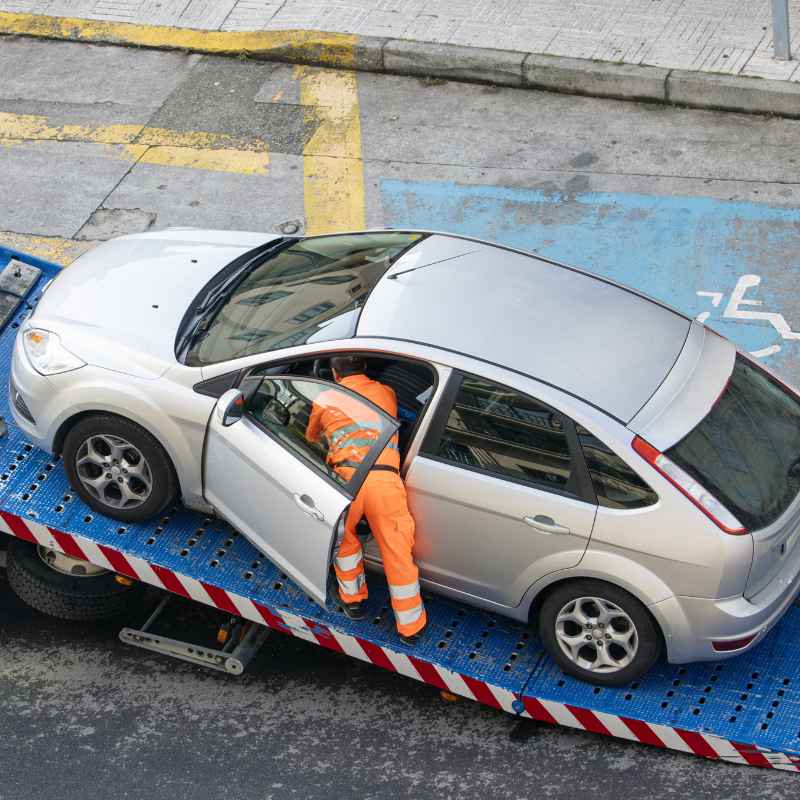
How to Find What Towing Company Took Your Car (Do This)
Finding the towing company that took your car can feel like a nightmare, but it’s easier than you think when you know the right steps. This guide walks you through exactly how to track down the tow company, avoid unnecessary fees, and get your vehicle back quickly.
Simply put, the fastest way to find what towing company took your car is to call the local police non-emergency line or check posted parking signs. Towing companies must legally report every tow to law enforcement, so the police can tell you exactly which lot has your vehicle — see our related guide, Can You Put Tow Mirrors on a Chevy 1500? Fit & Legal Guide.
Key Takeaways
- Finding the towing company that took your car starts with checking the scene and calling the police non-emergency number.
- You’ll need your license plate number, VIN, and exact location to speed up the search.
- Online license plate lookup tools and local towing directories can identify the company in minutes.
- The sooner you act, the lower your storage fees and the faster you’ll recover your vehicle.
Why Acting Fast After a Tow Matters
Every hour your car sits in a tow lot, the meter is running. Towing companies charge daily storage fees that range from $20 to $60 or more, and many start billing immediately after the tow is completed. According to the Better Business Bureau, towing companies receive over 10,000 complaints each year, and a large portion involve unexpected fees or difficulty locating vehicles.
Acting within the first few hours can save you hundreds of dollars. The longer you wait, the more likely the company will add administrative fees, weekend surcharges, and even lien processing costs. In some states, if you leave your car unclaimed for more than 30 days, the towing company can apply for a title and sell your vehicle.
Speed also matters because most tow companies do not proactively contact vehicle owners. Unless your car was towed from a private lot with registration records available, you are responsible for tracking it down. That’s why it’s important to follow a clear process from the moment you discover your car is missing.
- Report the tow immediately to the local police or parking authority.
- Note the exact location and time you parked your car.
- Take photos of the area, including signs and any damage to the pavement.
- Check your insurance policy for roadside assistance that may include tow-tracking help.
- Contact your city’s parking department for a list of authorized towing operators.
According to the Federal Trade Commission, improper towing is one of the top consumer complaints in the automotive sector. Knowing your rights and acting quickly puts you in a stronger position to challenge unfair charges.
How to Find What Towing Company Took Your Car
This is the core process. Follow these steps in order, and you will almost always locate the towing company that took your car within an hour. Do not skip the first two steps because they work in about 90% of cases.
- Check the scene for signage. Look for posted “No Parking” signs, “Tow-Away Zone” signs, or notices on private property. Many lots have a sign that lists the towing company’s name and phone number. Walk the surrounding block if your car was moved from a permit-only area.
- Call the local police non-emergency line. Do not call 911. The police dispatch or records department can tell you if your car was towed and which company handled it. In most cities, police logs are public records.
- Call the parking enforcement office. If your car was towed for parking violations, the city’s parking department or transportation office will have the tow record under your license plate number.
- Use an online license plate lookup service. Some cities provide real-time tow search tools on their official websites. Enter your plate number and state to see the tow company and lot address.
- Contact the most common towing companies in your area. Search Google Maps for “towing company near ” and call the top 3-5 results. Tow companies share contracts with the city and private lots, so one of them will likely have your vehicle.
If you are at a busy commercial strip, do not assume your car was stolen. Private property owners often contract with specific towing companies that patrol the lot. Ask the property manager for the towing company’s contact information.
| Method | Speed | Cost | Reliability |
|---|---|---|---|
| Police non-emergency line | Fast (minutes) | Free | Very high |
| City parking department | Moderate | Free | High |
| License plate lookup tool | Very fast | Mostly free | High if city-supported |
| Calling local tow companies | Slow | Free | Medium |
Use the table above to choose your fastest option. In almost every case, the police non-emergency line is the best starting point because they maintain an accurate log of all official tows.
Tip: Write down the tow company’s name, address, and the names of any employees you speak with. This documentation helps you dispute unfair charges later.
What Information You Need to Identify the Tow Truck
Before you start calling around, gather the following details. Having this information ready helps you confirm that the tow company actually has your car and avoids wasting time on wrong leads. Accuracy is critical because a single digit mistake in your VIN can send you to the wrong lot.
- License plate number (with the state)
- VIN (Vehicle Identification Number) – found on your registration or insurance card
- Make, model, and color of your car
- Exact date and time you parked the vehicle
- Parking location – the nearest address, cross streets, or parking lot name
- Any damage or distinctive features (e.g., bumper sticker, roof rack)
- Proof of ownership – driver’s license, registration, insurance
Most towing companies will only release your car to the registered owner. If you are not the owner, you will need written authorization plus a copy of the owner’s ID. Keep these documents available on your phone.
| Information | Where to Find It |
|---|---|
| License plate number | Car registration, insurance card, previous photos |
| VIN | Driver’s door jamb, windshield dashboard, title |
| Parking location | Google Maps timeline, parking receipts, photos from nearby stores |
| Time of parking | Credit card transaction, parking app history, phone location history |
If your wallet was in the car when it was towed, you may not have your registration on hand. In that case, call the DMV to request your VIN over the phone or use a VIN decoder app that can pull your vehicle details from your license plate.
Important: Do not call the towing company until you have your license plate number and VIN. Most companies will not release any information without these identifiers.
How to Use Your License Plate to Track Down the Towing Company
Your license plate is the single most powerful tool for finding a towed car. Police departments and towing companies index every tow by plate number, so a quick lookup can reveal the exact lot where your vehicle is stored. Many cities now offer free, real-time search tools on their official websites.
Start by visiting your city’s website and searching for “find my towed vehicle” or “impound lookup.” You will typically enter your plate number and state. If no online tool exists, call the parking department and ask them to run a plate search. The agent will either tell you the towing company or direct you to a central dispatch number.
If your city does not provide a public lookup, use a third-party aggregator like TowTrack or ImpoundFinder. These services compile data from multiple jurisdictions and can show you where your car is in seconds. Some charge a small fee, but the convenience is worth it.
- Open your phone and navigate to the city’s official portal.
- Enter your license plate number exactly as it appears on the plate.
- Select the state where your car is registered.
- Click search and review the tow record that appears.
- Note the towing company’s name, address, and phone number.
Warning: Avoid third-party sites that ask for your credit card details before showing results. Legitimate city tools are free, and the few paid ones have transparent pricing.
Keep in mind that your license plate is tied to your registration address. If you recently moved without updating your address with the DMV, the towing company may not be able to mail you a notice. That makes online lookup even more essential.
How to Search for Towing Companies in Your Area
If the police cannot identify the company, you will need to do a manual search. Start with Google Maps and search “towing company near me.” This shows every nearby operator, along with phone numbers, reviews, and hours. Call each one and ask, “Do you have a vehicle with this license plate?”
Also check the property owner’s contract. If your car was towed from a private parking lot, the property manager must have a visible sign naming the towing company. In many states, the sign is legally required to include the telephone number of the tow operator.
If the sign is missing, you may have grounds to contest the tow.
- Google Maps – search for nearby towing companies and call them in order of proximity.
- Yelp – read reviews to identify companies that handle city and private tows.
- Better Business Bureau – check for complaints and verify the company’s legitimacy.
- Local Facebook groups – ask neighbors if they have dealt with a similar tow in the same lot.
- City or county business licenses – search public records for towing companies authorized to operate in your area.
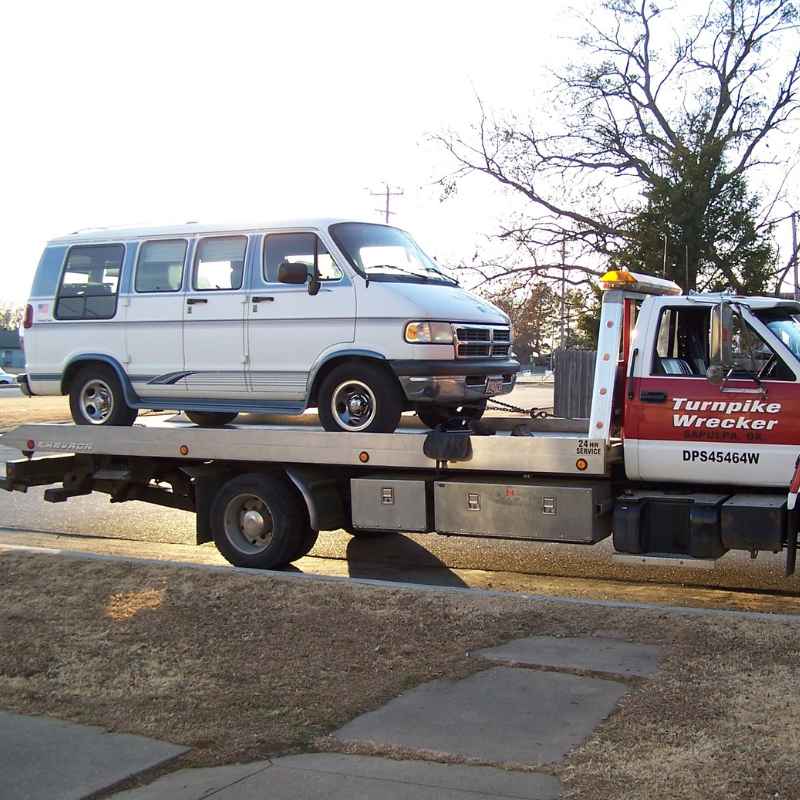
Another approach is to look at the tow truck itself. If you happened to see the tow in progress or if a neighbor captured a photo, the company name is often printed on the truck’s door. Even a partial name like “ABC Towing” is enough to search online.
According to AAA, nearly 1 in 4 drivers has had a vehicle towed at least once in the past five years. This means your friends, coworkers, and neighbors may have useful advice about the towing companies in your area. Do not underestimate the power of local knowledge.
Tip: Save the towing company’s after-hours phone number. Many lots are not open 24/7, but an emergency number can help you arrange a pickup the next morning.
What to Do If Your Car Was Towed by Mistake
If you believe your car was towed illegally, or if the towing company cannot provide adequate proof of the infraction, you can contest the tow. Start by documenting everything: photos of the parking area, the absence of proper signs, your parking receipts, and any witness statements. This evidence will be crucial if you challenge the fees.
Contact the towing company first to understand the specific reason for the tow. If they mention a parking violation, request the citation number and the name of the officer who authorized it. In many cases, the tow company will waive the fee if they made an error.
If they refuse, file a complaint with your state’s attorney general or the Department of Consumer Affairs.
You also have rights under the federal Truth in Towing Act (the Towing and Storage fee regulations). According to the National Consumer Law Center, consumers win about 35% of towing disputes when they provide clear evidence. For example, if the parking lot sign was obscured or missing, the tow may be considered invalid under local ordinance.
- Ask the tow company for an itemized bill showing the towing fee, storage fee, and any administrative charges.
- Compare the fees with your city’s published rates to spot overcharging.
- If you are charged for parking, ask for a copy of the signed contract between the lot owner and the towing company.
- Check if your insurance policy covers towing from private lots, which some comprehensive policies do.
- File a formal complaint with the Better Business Bureau if the company refuses to negotiate.
Warning: Do not physically attempt to remove your car from a tow lot without payment. This is illegal and can escalate into a theft or criminal trespass charge.
Many cities have a 24-hour review process for disputed tows. If you file within that window, you can sometimes get a free release while the case is under review. Check your city’s regulations or call the local parking office for specific deadlines.
What Common Mistakes to Avoid During the Search
Most people waste hours because they make a few preventable errors. The biggest mistake is assuming the car was stolen. That panic makes you file a police report for theft instead of a tow inquiry, which wastes valuable time.
Always check with the police about a tow first.
Another mistake is calling the main police operator instead of the non-emergency dispatch line. The dispatcher may not have access to tow records. Instead, ask for the records division or the parking enforcement department directly.
Avoid repeat calls from different phones, as this can slow down response times.
- Don’t ignore parking signs even if they are faded. Take a photo for documentation.
- Don’t forget to check your trunk or glove compartment for a tow notice if your car is new to a lot.
- Don’t pay over the phone unless you are certain the company is legitimate and you have a written receipt.
- Don’t ask friends to “guess” which towing company based on memory. Verify with the police.
- Don’t leave your car in an impound lot overnight if you can avoid it, as overnight storage fees apply.
Another common error is failing to bring the correct payment method. Many tow companies only accept cash or credit cards with a chip. Some charge an extra fee if you pay with a debit card.
Before you leave your home, ask the towing company what payment methods they accept.
According to the National Motorists Association, up to 20% of tows are contested by vehicle owners, yet most drivers never challenge them. That is because they miss their state’s filing deadline or lack documentation. Keep your records organized from day one to give yourself the best chance of a refund or fee reduction.
Important: If you have comprehensive insurance, call your agent before paying the tow fee. Some policies reimburse for towing and storage up to a certain limit.
Frequently Asked Questions
How do I find out which towing company took my car?
Call your local police non-emergency line or visit your city’s parking department website. They keep a record of all tows related to parking violations and can give you the company’s name and contact information instantly.
Can I find my towed car with my license plate number?
Yes. Most cities offer an online tow lookup where you enter your plate number and state. If that is unavailable, call the parking department or police records division and provide your plate number to get your tow record.
How much does a towing company charge to release a car?
Fees vary by city and state, but expect to pay between $100 and $300 for a standard tow and daily storage fees of $20 to $60. Some companies also charge an administrative or “gate” fee when you pick up your vehicle.
What if my car was towed from a private parking lot without a sign?
Many cities require private lots to post clear towing notices. If there was no sign, you may have grounds to contest the tow. Take photos, request an itemized bill, and file a complaint with your local consumer protection office.
Can I sue a towing company for illegal towing?
You can file a claim in small claims court if the company violated local towing laws. Common grounds include lack of signage, excessive fees, or towing without authorization. Document everything and see an attorney if the amount is substantial.
Final Thoughts
Finding what towing company took your car does not have to be a panic-filled ordeal. Check the scene, call the police, and use your license plate to search official records. The sooner you act, the lower your costs and the faster you will be back on the road.
Stay organized, know your rights, and never let a tow company pressure you into paying fees you do not owe.
Products related to this article
Sponsored / affiliate links. As an Amazon Associate I earn from qualifying purchases. I may earn additional commission from eligible campaigns.