Best Car Finance Option for First-Time Buyers
The best car finance option for first-time buyers is usually a pre-approved loan from a credit union or bank, matched to your credit score, down payment, and the car you want before you enter the dealership. Bad timing or the wrong lender can cost you higher APR, extra fees, and a payment that strains your budget. This guide compares loan sources, term lengths, and dealership financing so you can shop with a clear deal in hand.
This guide is part of our Car buying, financing, and selling guide series.
Which first-time buyer finance option fits your situation best?
The right choice depends on three things: your credit score, how much cash you can put down, and if you are buying new or used. If you want a smoother path and fewer surprises, start with preapproval. If you want the strongest rate floor, credit unions usually deserve the first look.
The main trade-off: rate, approval ease, or speed
A first-time buyer usually has to choose between the lowest borrowing cost, the easiest approval, or the fastest funding. Credit unions and banks often win on price for qualified borrowers. Dealer financing is handy at the store. Online lenders can move fast. Preapproval gives you the clearest read on what the car will really cost before the pressure starts.
According to Best Auto Loan Rates and Financing: Compare Lenders — LightStream new-car loans have a 4.0 NerdWallet rating.
Compare preapproval, credit unions, banks, dealer financing, and online lenders
Most first-time buyers do best when they compare more than one lender path. The cleanest decision is the one that fits your credit, savings, and car type before you sit across from the finance office. That keeps the monthly payment from becoming the only number that matters.
| Option | APR range | Approval friction | Down payment flexibility | Funding speed | Best use case |
|---|---|---|---|---|---|
| Auto loan preapproval | Varies by lender and credit tier | Moderate: credit check and income verification | Depends on the lender; often helpful if you have cash ready | Fast enough for shopping, but approval can expire | Setting a budget and payment ceiling before visiting a dealer |
| Credit union auto loan | Consumers Credit Union new-car loans: 4.74-15.99%; used-car loans: 5.24-16.49% | Moderate; membership required | Often flexible for first-time buyers | Usually solid, but not always instant | Borrowers who want a strong rate floor and may buy new or used |
| Bank auto loan | Varies by bank and credit profile | Often stricter | Usually less flexible than a credit union | Moderate | Borrowers with established credit who want a benchmark offer |
| Dealer financing | Can include promotional APRs or markups | Low at the point of sale | Often negotiable, but terms can shift late | Fastest when you want to drive home the same day | Convenience, promotional offers, or backup comparison after outside preapproval |
| Online auto lender | LightStream used-car loans: 10.49-18.49%; Carvana used-car loans: 6.99-27.99% | Low to moderate | Varies by lender | Often fast | Rate shopping and quick approvals with less in-person hassle |
What each lender type usually asks for at application time
Auto loan preapproval usually asks for income verification, Social Security number, housing costs, and a credit check. Credit unions may also require membership first. Banks want clean documentation and steady income. Dealer financing can ask for the same items, but the final terms may change after the sale is already in motion.

Why auto loan preapproval should usually come first
Preapproval is the cleanest first move for most first-time buyers. It lets you compare offers before you visit a dealer, sets a budget and monthly payment ceiling, and reduces the pressure to accept dealer financing on the spot. It also gives you a number to use against the sales pitch.
How preapproval changes your position at the dealership
A buyer with a preapproval walks in with a target APR, term, and maximum amount financed. That matters because the dealer is no longer the only source of money. If the store can beat the outside offer, good. If not, the choice is clearer and the decision gets faster.
When preapproval can expire or change
Preapproval is not permanent. It can expire before you find the car, or the lender can revise terms if your income, debt, or chosen vehicle changes. That happens most often when the buyer stretches for a newer car, adds products to the deal, or changes the down payment at the last minute.
Choose credit union financing if you want the best rate floor
Credit union financing is often the strongest starting point for first-time buyers who can join a member-based lender. The membership requirement is the main barrier, but it can buy access to better pricing and more flexible underwriting. That is useful when credit is thin or the buyer needs a little more room to qualify.
Why credit unions can be flexible on thin credit
Credit unions tend to look at the whole file, not just the score. That matters for a first-time buyer with a short credit history, steady income, and a realistic down payment. They may also be willing to finance new or used purchases, which gives the buyer more room to choose the car first and not just the lender.
When a credit union is better for used cars than new cars
Used cars often fit a first-time buyer budget better, but the rate spread can get messy if the vehicle is older or the loan term is too long. Credit unions can be a better fit when the car is still reasonably new and the buyer wants a lower total loan cost than dealer financing might provide.
Is dealership financing better than a credit union for first-time buyers?
Dealer financing is better when convenience matters more than rate shopping, or when a promotional APR is genuinely competitive. It is not automatically cheaper than a credit union. For a first-time buyer, the dealer offer should be treated as one quote to compare, not the default choice at the desk.
When dealer financing is worth a look
Dealer financing can help if you need speed, want to keep the process in one place, or qualify for a special promotional rate on a new car. It also helps buyers who have been denied elsewhere and need another path. The deal only makes sense if the final contract matches the quoted terms.
How promotional APRs and dealer markups work
Promotional APRs can be real, but dealer markups can erase the benefit. A buyer may be shown a low monthly payment with a longer term, more fees, or a higher rate than the lender actually offered. That is why outside preapproval is so useful: it exposes the markup risk before signatures start.
How to compare a dealer offer against outside preapproval
- Bring your preapproval rate, term, and maximum amount financed.
- Ask the dealer for the full offer in writing.
- Compare APR, total loan cost, fees, and term length.
- Only accept a dealer offer if the full contract is better, not just the payment.
How credit score, down payment, and loan term change the deal
Credit score drives approval odds and rate tier. Down payment reduces the amount financed and can improve approval odds. Loan term affects both monthly payment and total interest cost. A first-time buyer can have an acceptable payment on a long term and still end up paying more overall.
What credit score usually changes in approval and pricing
Lenders use credit score to sort applicants into rate tiers, and some disclose minimums. For example, LightStream new-car loans require a minimum credit score of 660, while MyAutoloan used-car loans require a minimum credit score of 600. New and used vehicles can also fall into different pricing bands.
How much down payment helps
Even a modest down payment helps because it lowers the principal, which can improve approval odds and cut interest charged over time. It also helps absorb depreciation and can offset taxes and fees that get rolled into the note. Buyers with little cash should be careful about financing those extras.
Why 36-60 months is usually safer than stretching to 72-84 months
Shorter terms reduce interest cost and keep the loan moving toward payoff faster. Longer terms lower the monthly bill, but they leave more time for negative equity to build if the car loses value quickly. For a first-time buyer, a term of roughly 3 to 5 years is often the safer balance if the payment fits.
How to buy a car first time buyer?
Start with a budget, get preapproved, and choose the car only after you know the financing ceiling. Then compare the dealer’s offer with your outside approval, check the total loan cost, and read every fee before signing. That order reduces surprises and keeps the payment tied to what you can actually carry.
Use this first-time buyer checklist
- Check your credit score and your monthly cash flow.
- Get preapproved before you shop.
- Set a maximum amount financed that includes taxes and fees.
- Compare new and used options with the loan term in mind.
- Review the final contract line by line before signing.
Use this first-time buyer financing decision table before you sign
The cheapest-looking payment can hide a costly loan. The right comparison is total loan cost, not monthly payment alone. Taxes, title, registration, dealer fees, and add-ons can raise the amount financed fast, especially when the buyer is focused only on the monthly number.
| Item to check | Why it matters | Common failure point |
|---|---|---|
| APR | It determines total borrowing cost | A low payment can hide a higher rate |
| Loan term | Longer terms lower payment but raise interest cost | Buyer stretches to 72-84 months without noticing the total cost |
| Down payment | It lowers the amount financed and improves approval odds | Too little cash leaves taxes and fees buried in the loan |
| Taxes, title, and registration | They increase the amount owed at closing | Buyer budgets only for the sticker price |
| Dealer fees and add-ons | They can push the final contract higher than expected | Extra products appear late in the paperwork |
| Final contract terms | They control the actual loan, not the sales talk | Terms change after the first quote or preapproval expires |
Red flags in the final paperwork
Watch for a higher APR than the quote, a longer term than you agreed to, added products you did not ask for, and a payment that only works because fees were buried into the balance. If the final numbers changed, stop and compare them against your preapproval before signing.
What credit score do I need for a first car loan?
There is no single score that guarantees approval, but credit score strongly affects both the chance of approval and the rate you receive. Some lenders disclose minimums, while others decide case by case. New and used vehicles can also have different score expectations, so the car choice matters too.
What lenders may look for besides score
Income stability, debt load, down payment, and the vehicle itself all matter. A buyer with a short credit history can still qualify if the rest of the file is strong. That is one reason preapproval and credit unions are helpful for first-time buyers who do not have a long credit trail yet.
Should I buy new or used on my first auto loan?
Used cars often cost less upfront and can keep the loan smaller, which helps a first-time buyer manage risk. New cars can offer better warranty coverage and sometimes promotional financing. The better choice is the one that fits the budget after taxes, fees, insurance, and the loan term are all included.
How the choice affects the loan
New cars can qualify for lower promotional APRs through dealer financing or some lenders, but the purchase price is higher. Used cars may carry higher APRs, especially as age and mileage rise, but they can still produce a lower total loan cost because the principal is smaller. That trade-off should be checked line by line.
How much down payment do I need for my first car?
There is no universal minimum, but a larger down payment helps more than buyers expect. A larger down payment lowers the amount financed and may improve approval odds, while also helping offset taxes and fees. If savings are tight, the buyer should avoid adding extras that swell the loan balance.
What the down payment should cover first
The down payment should first protect the buyer from financing too much of the car, then help absorb tax, title, registration, and dealer charges. If the buyer is stretching to make the monthly payment work, the problem is usually the car price or term length, not the lack of one more add-on.
What loan term is safest for a first-time buyer?
A shorter term is usually safer because it reduces interest cost and keeps the debt from running too long. For most first-time buyers, 36 to 60 months is the cleaner range if the payment still fits the budget. Stretching the term out to roughly 6 to 7 years can make the deal look easier than it really is.
How to choose the term without chasing the lowest payment
Pick the shortest term that still leaves room for insurance, fuel, maintenance, and a small emergency cushion. If the payment only works at the longest term, the car is probably too expensive for the buyer’s current cash position. A smaller car or bigger down payment is usually the better fix.
What fees should I check before signing a car finance agreement?
Check the full cost stack: taxes, title, registration, dealer fees, document fees, and any add-ons tied to the finance contract. These items can push the amount financed higher than the sticker price and make a fair APR look less attractive once the total loan cost is calculated.
Why monthly payment alone can hide expensive terms
A low payment can come from a longer term, a bigger balance, or both. That is why the buyer should compare total loan cost, not just the payment on the page. If the dealer changes the term, adds products, or rolls in fees, the quote is no longer the same deal.
Choose preapproval and a credit union if… / Choose dealer financing and an online lender if…
Choose preapproval and a credit union if you want the lowest surprise risk, have thin credit, need to budget carefully, or are buying used and want a clearer price ceiling. Choose dealer financing and an online lender if speed matters more, you need a quick application, or you are checking a promotional offer against an outside quote.
Choose preapproval and a credit union if…
- You want to know the budget before shopping.
- You need a lender that may work with thin credit.
- You have enough time to compare offers.
- You want to reduce pressure in the finance office.
Choose dealer financing and an online lender if…
- You need quick approval or same-day funding.
- You are comparing a dealer incentive against outside offers.
- You want a fast application and rate shopping in one place.
- You are ready to verify every final contract figure.
Frequently asked questions
What is the best finance option to buy a car?
For most first-time buyers, the best finance option is a pre-approved loan from a credit union or bank, because it sets the budget before the dealership pitch starts. That said, the best choice still depends on your credit score, down payment, vehicle type, and if you value rate, speed, or flexibility most.
Should I apply for financing before buying car?
Yes, applying before you buy is usually the cleaner move because it tells you what you can actually afford and helps you compare dealer offers against a real number. It also reduces the chance of signing under pressure when the final monthly payment is shaped by fees and term length.
Should I get preapproved before going to the dealership?
Yes. Preapproval usually gives you a payment ceiling, a target APR, and a better sense of total loan cost before the sales process starts. It also makes it easier to spot a dealer quote that looks good on paper but is worse once the contract details are checked.
Products related to this article
Sponsored / affiliate links. As an Amazon Associate I earn from qualifying purchases. I may earn additional commission from eligible campaigns.
 4G GPS Tracker Car Anti-Theft Long Battery Life 20000mAh Real Time GPS Tracking Device Magnet No Geographic Restriction Car Tracker with Alerts, Geo Fence, History Playback TK905C
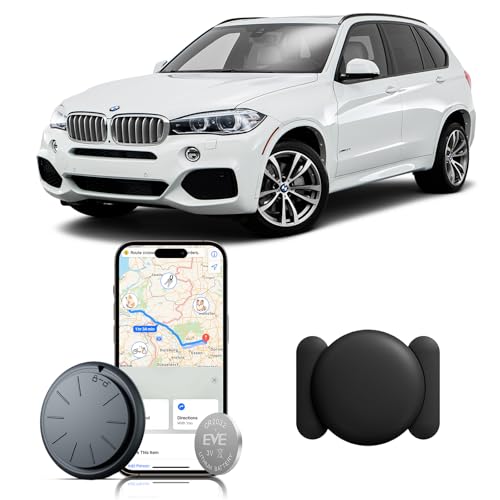 ZFSJTAG Car GPS Tracking Device for Vehicles, 1PCS Real Time GPS Tracker for Car, Work with Find My (iOS Only),Hidden Mini GPS Tracker,No Monthly Fee (Black Tracker, Black Magnetic Case)